We're building a platform that amplifies the voices of communities and highlights those who are making a difference in their initiatives. Sharing stories, listening to what communities need, bringing knowledge to the forefront. More at https://t.co/skQ8eUSCXa
#DisasterWISE
In #DisasterWISE’s latest guest blog, Jason Helps shares his thoughts on #community-led recovery, #collaborative culture, and #building#networks to resolve problems. He says, ‘No one is a recovery expert.’
Read the full story here: https://t.co/ecejuThEk9
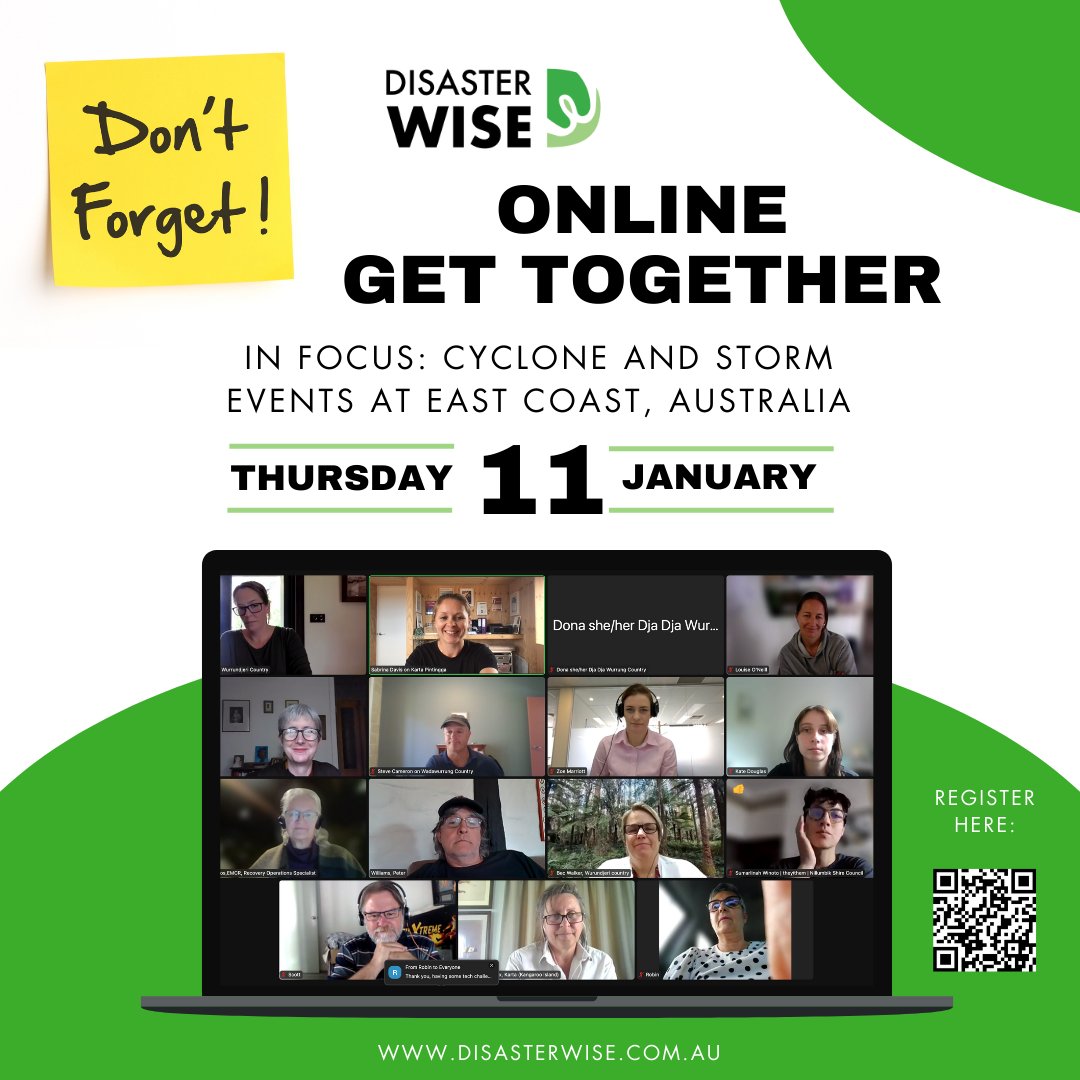
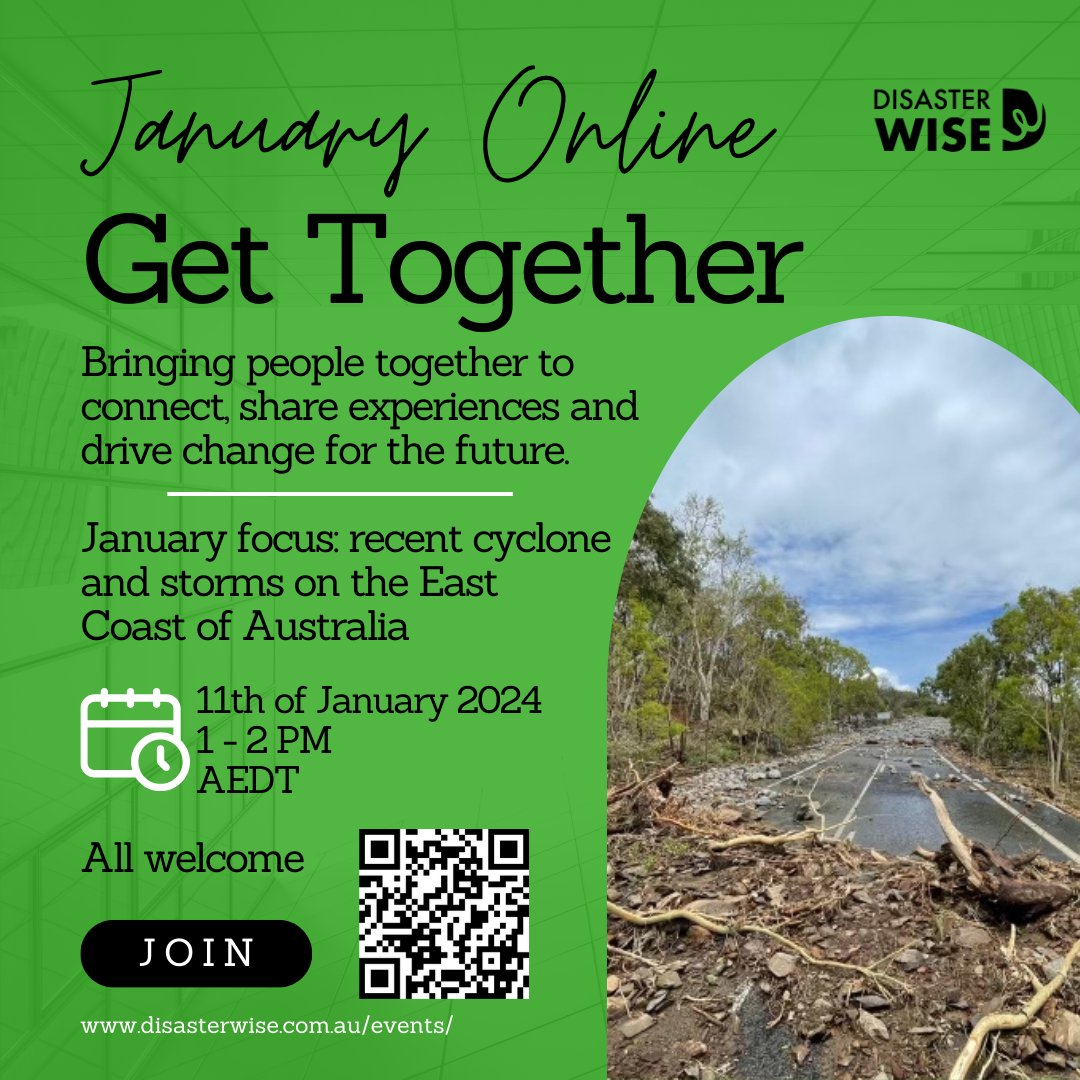
Happy New Year. Our January online get-together will be on Thursday, the 11th of January, at 1 pm. This month's focus will be on the disaster events at the East Coast. All welcome. Scan barcode or visit https://t.co/Wgue8u73Nx
#DisasterWISE#Cyclone#DisasterRecovery#Australia
At #DisasterWISE, the aim is to connect #communities with one another, institutional stakeholders, resources, tools and knowledge gained through lived and learned #experience to empower #learning and create #community-led change for the future.Join us at https://t.co/2ndrjLU1b9
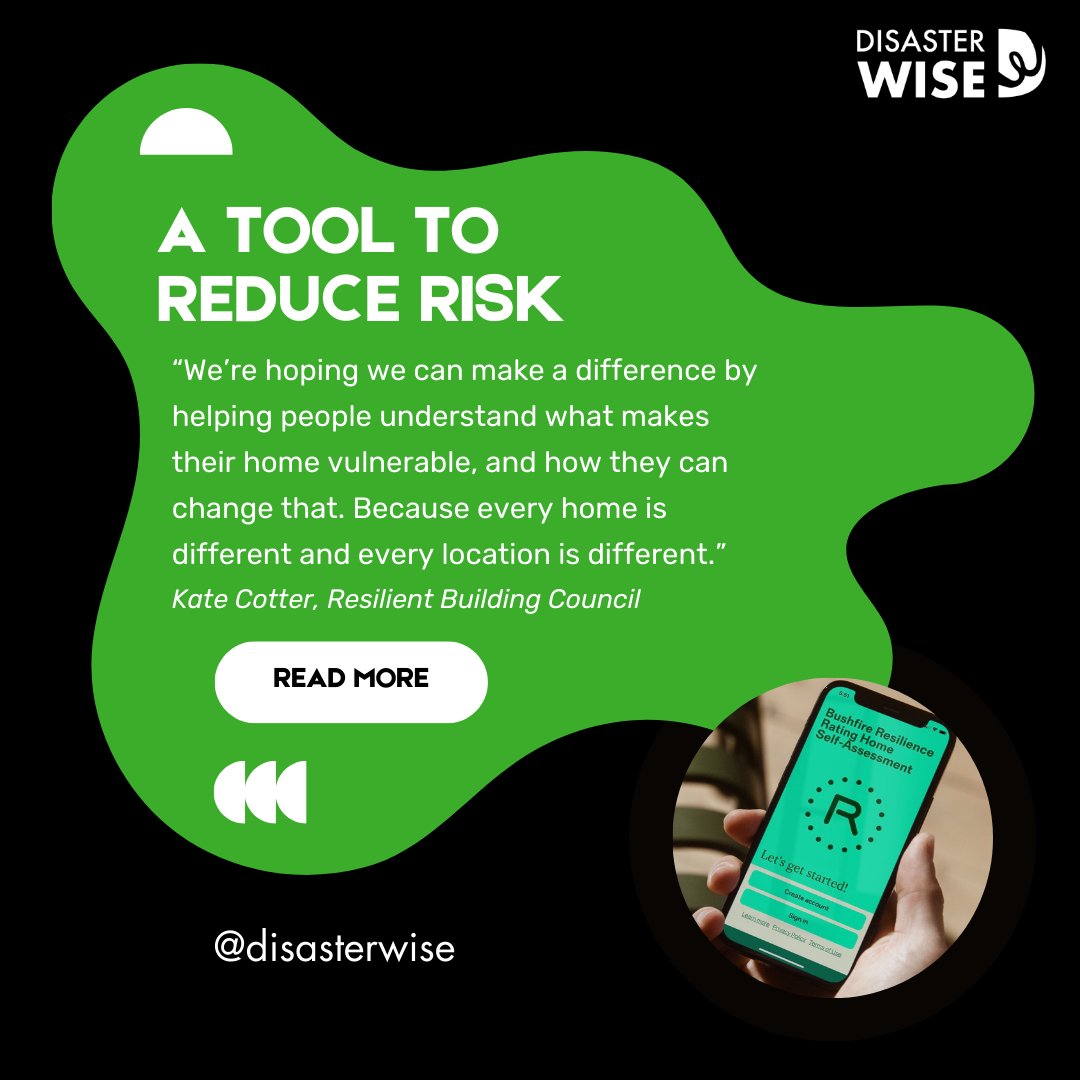
With funding from the federal government, the RBC has now created the Bushfire Resilience Rating app, which assesses how vulnerable a house is to bushfire. Share which measures you've taken to make your house more resilient.
#DisasterWISE#ConnectLearnChange#LearningNetwork
Another year is coming to an end, and it has been a remarkable one for #DisasterWISE. From a concept idea to a thriving #learning#network.
Thank you to all those who have contributed and become part of our #story so far; we look forward to seeing what the new year will bring.
Category two #cyclone#Jaspar, followed by storms and flash flooding, have caused severe #destruction across #Queensland.
Local resident Eddie shares his insights into the disaster response.
Read our latest guest blog here:
https://t.co/qObnHbvLKt
#DisasterWISE
Last week, #DisasterWISE held its first Online Get-Together, and it was exciting to see participants from different organisational and community backgrounds, who rang in from all around the globe. Join today: https://t.co/2ndrjLU1b9
#ConnectLearnChange#LearningNetwork
In our latest guest article, DisasterWISE co-designer Pete Williams shares the success story of Lismore's Indigenous health service Rekindling the Spirit and the Aboriginal-owned Assets Program by the Australian and NSW Governments.
https://t.co/huyU87ZZk0…through-recovery/
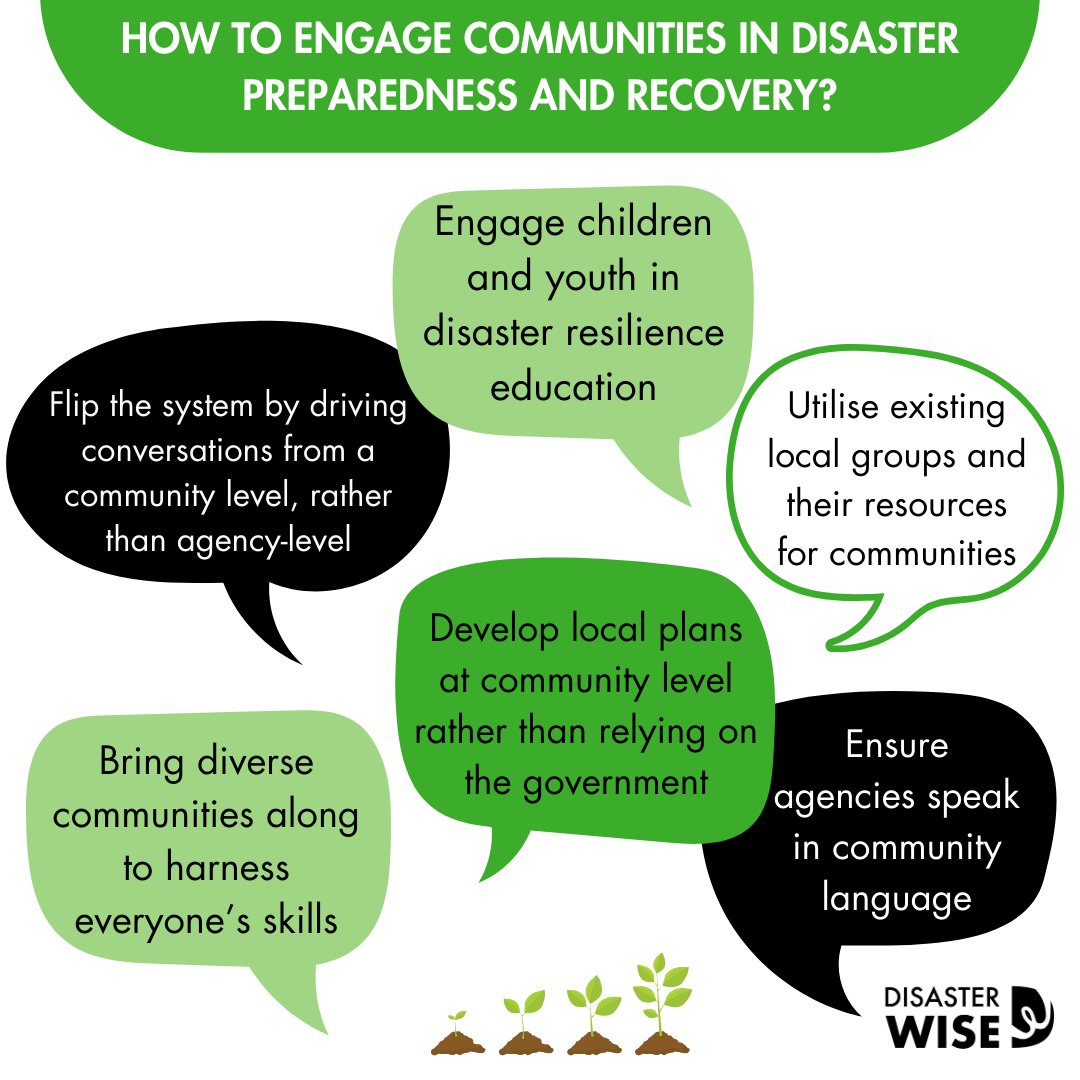
All across the globe, the need for collective action and community connectedness has emerged as vital. Communities are undertaking measures to increase their disaster preparedness.
By November, the bushfires had already consumed over 61 million hectares, surpassing the entire area affected during the 2019–20 season. The impact of the ongoing dry and warm conditions looms large, leaving communities anxious about what lies ahead.
A dry and warm winter in 2023 heightened the fire risk, prompting early reports from fire agencies that the situation mirrored or exceeded the severity of the 2019–20 bushfire season. The Deputy Commissioner of the QFES even went on record, labelling it the worst in 70 years.
Unfavourable conditions of above-average temperatures and below-average rainfall across most regions, paired with the fuel load nurtured by extended La Niña conditions over the past three years, have grown substantially.*
*Source: AFAC Seasonal Bushfire Outlook Spring 2023