Okay my company isnt that boomer, like there's AI in my job title and I think overall theyre trying, I am working on AI infra, but day to day it is what it is. It's being framed differently
Im a new grad at one of those old traditional tech companies and literally I just sit all day thinking about how things that take my managers weeks could be done 5x faster at minimum if they used AI more natively
It's hard though because I also understand that b2b at this scale requires knowledge only experience and specialization can give you. Which is their selling point. And it's true
There is no moat, but there are still countless problems to solve. And where there are problems, there are opportunities.
The biggest opportunities right now:
1. build for solving loneliness (the more AI floods everything, the more people crave real human connection, IRL and small social)
2. build for agents that need to spend money (they're getting virtual cards and budgets, someone builds the spend controls, fraud protection, receipts)
3. build for people drowning in AI output (everyone generates infinite drafts now, the bottleneck moved to reviewing and choosing, build the judgment layer)
4. build for the burnout economy (everyone is expected to always be on and always optimizing, and the backlash toward rest, slowness, and enough is building)
5. build for verifying humans (deepfakes broke trust, every dating app, marketplace, and video call needs proof-of-human)
6. build for the physical world (the trades, hardware, robots that AI is finally reaching)
7. build for the agent that answers the phone (every local business misses calls, a voice agent that books the job creates real value)
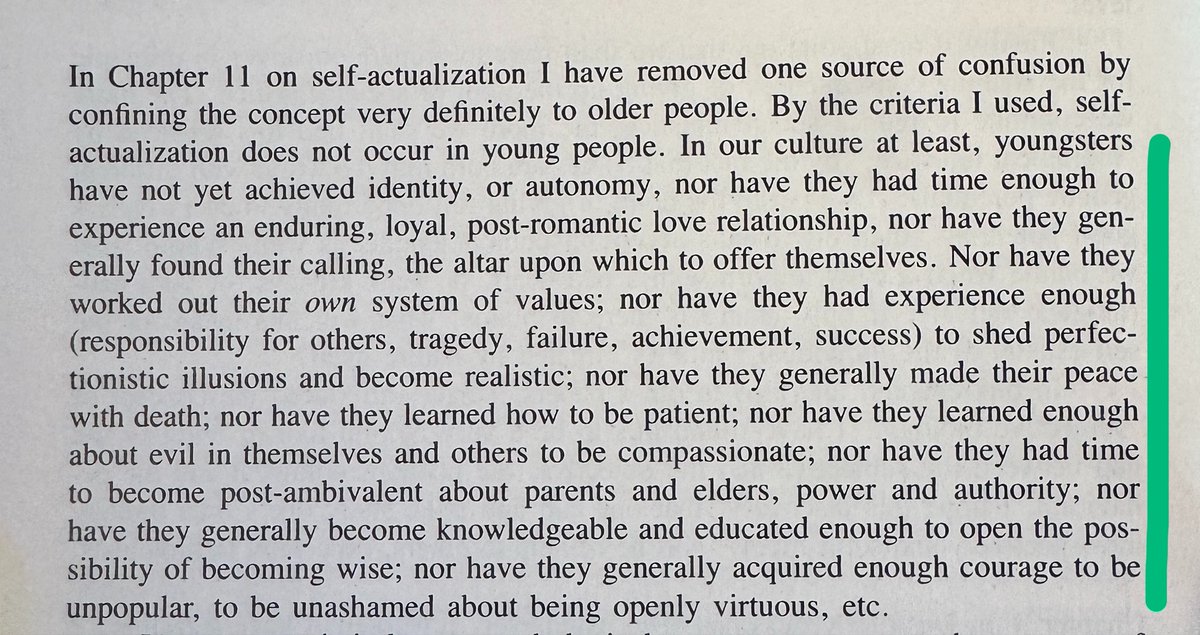
8. build for the aging population (millions of older adults want to stay healthy, sharp, independent, and connected)
9. build for the LLM-search land grab (being the cited answer is the new SEO)
10. build for the newly automated (the paralegal, analyst, and marketer whose job just changed and needs to reskill fast)
11. build for the seat-pricing collapse (software moving from per-seat pricing to per-outcome, whoever nails outcome billing wins a category)
12. build for AI enablement (millions of businesses still use nothing beyond basic AI tools, someone has to onboard them)
13. build for the agency everyone resents (businesses pay thousands to agencies for repetitive work, an agent that does most of it can undercut the model)
14. build for verticals on outdated software (dentists, HOAs, contractors, and local businesses overdue for an AI-native rebuild)
15. build for reviving dead software (thousands of abandoned apps with real users, agents can maintain what a team couldn't)
16. build for markets too small to matter before (500 lobster fishermen was never worth a team, now it can be a real business)
17. build for agents hiring agents (an emerging machine economy needs escrow, reputation, identity, and dispute resolution)
18. build for the anti-AI premium (as everything gets generated, human-made and analog become status symbols people pay more for)
19. build for distribution-first (anyone can build the product now, so the audience becomes the advantage, media first, product second)
20. build for the reinvention of college (traditional degrees are being questioned, practical skills and alternative education are becoming more valuable)
21. build for a world with more free time (if AI takes the busywork, what people do with those hours becomes a massive opportunity)
22. build for the return to the physical (screens fill with AI slop, people crave the real world, hands-on, local, and analog)
23. build for the caregiving wave (the population is aging fast, millions are caring for parents, and families need better support)
24. build for the longevity shift (people want to live to 100 healthy, and an industry is forming around managing personal health)
25. build for the housing and rootlessness problem (people struggle to afford stable homes, creating opportunities for new housing and community models)
26. build for spiritual hunger (as institutions change, the need for meaning, ritual, purpose, and belonging is growing)
KEEP BUILDING.
interpretability might be the most important scientific problem in the world right now, as I don't think we can solve alignment if we don't know what we're building. I think I have good news about it. I co-authored early work in mechanistic interpretability at OpenAI and came away pessimistic, because neural networks appeared to fold into arbitrary tangled knots. years later, I started openai's first large-scale automated interpretability project, finding about 2% of neurons legible with the primitive tools we had
with modern agentic tools and a much closer look, the picture looks totally different. the vast majority in models up to trillions of parameters are legible, and their circuits beautiful. many famous examples of tangled neurons turned out to be misunderstood. The roadblocks I expected mostly aren't there. I now think ambitious interpretability will be solved by the time we need it most, and possibly quite soon, as automated scientists keep improving. it may be a bitter lesson for interpretability: the simple thing, at absurd scale, works
https://t.co/zHij5zwKGT
Every social surface on the internet is in a state of constant entropy. Its default state is to decay and turn into slop. The only way a public space can endure is to be fighting tooth-and-nail every hour for its survival.