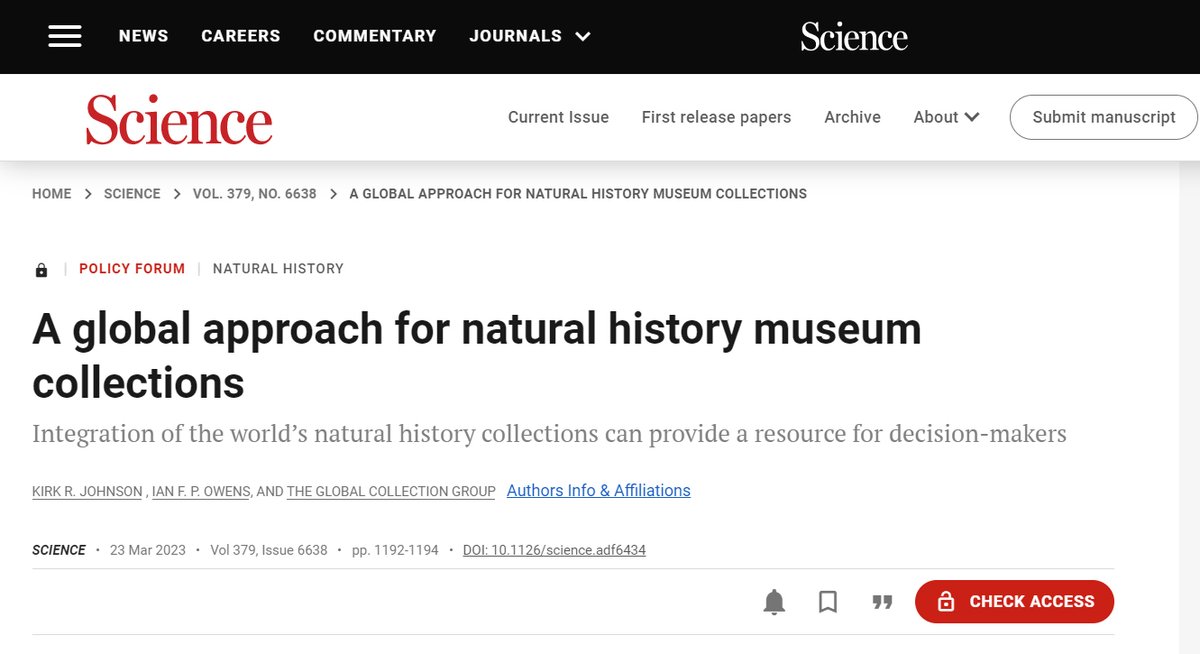
DiSSCo's @SoulaineT: PIDs ensure the accessibility, citation, and long-term preservation of Digital Objects. #FAIRDigitalObjects profiles describe the attributes of these PID records in a standardized and interoperable manner. https://t.co/zrh7Vp7v9y @HorizonEU
“New objects only come into existence because there is a [evolutionary] history that supports their formation.”
@DiSSCoEU Digital Specimen objects, produced by a process of evolution and selection, are also representative of life, in more ways than one.
https://t.co/NG04R0wtlx
💥Excited to reveal our brand-new website!💥
Experience the new https://t.co/aq8RvDHJ74, thé place full of BGE’s key information.🎉🧬
It features targeted content for different profiles (e.g. policy makers, public and media), our latest news items and more!
@REA_research#BGE
Thank you, 1000+ followers! 👏
#BGE brings together two continental-wide networks (@BIOSCANEurope and @erga_biodiv) involving more than 200 European organisations; they are represented in the project by more than 30 participating partners across 20 countries. 🌐
@REA_research
The Distributed Systems of Scientific Collections (@DiSSCoEU) aims to digitally unify all European natural science assets under common access, curation, policies and practices that ensure #FAIRdata.
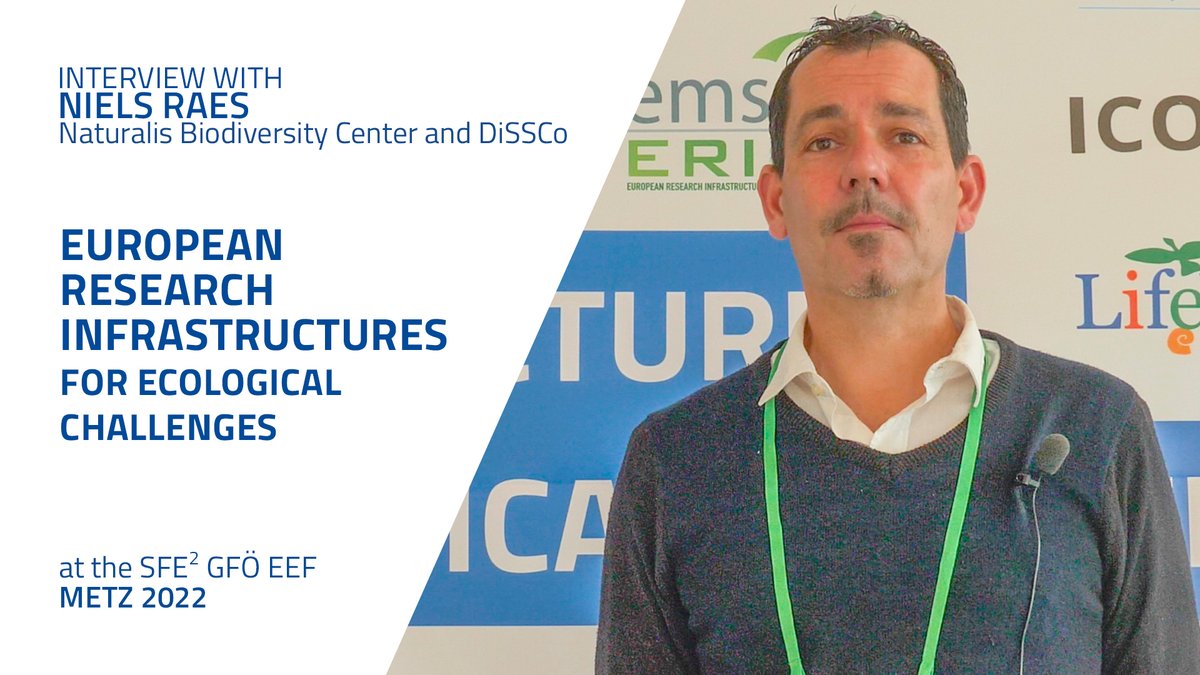
@NielsRaes from @museumnaturalis presents 📽️➡️ https://t.co/uVFupIgvyQ #EU_RIs
One of BGE's aims is to produce high quality and openly accessible #genomic data for a wide range of European species. 🧬
“This will be a resource that is available to the entire research community", says @tyler_alioto.
https://t.co/FXG2aYUi8M @REA_research@CRGenomica#BGE
▶️@DiSSCoEU Futures brought to Brussels more than 200 participants from 28 countries for an impressive series of 68 talks that covered every single aspect of DiSSCo. Now you can watch all sessions here: https://t.co/TSbjbQxcC8 @HorizonEU#FAIRdata#biodiversity#openscience