यिनीहरुले अब के भन्नेछन् भने- "देखिस् त अरु बस्ती खालि गर्ने भएपछि सामान सार्न थाले त । सक्कली नाम टिपाउन आउँछन्, नक्कली निस्किएर जान्छन् । मिल्यो त कुरा ।"
र, यो राज्य आतंकलाई वैध ठान्नेछन् । तर, कुनै ठोस योजना तयार नगरी, पुनस्थापनाको कार्यक्रम नबनाई दबाबमा टहराहरुबाट बेदखल गरिएका नागरिकको जीवनमा के-के पहिरो खस्छ र उनीहरु कस्तो मनोदशामा पुग्छन् भन्ने अलिकति समानुभूति यिनीहरुले देखाउने छैनन् । परपीडकहरु !!
Destroying the @InternetArchive's @WayBackMachine would be the equivalent of the burning of the Library of Alexandria - one of the worst losses of knowledge in history.
Media giants are now threatening to do this.
We can't let this happen.
Pass it on.
At its core, economics is political. It has never been — and never will be — a value-free science.
It is shaped by ideology, human morality, competing interests, social norms, and political priorities.
Economics was born as political economy for a reason.
As Nepal stares at graduation from the LDC category in November 2026, recent political shocks and fragile income growth raise questions. In this opinion piece, @kharelparas asks whether Nepal should consider deferring graduation to safeguard the economy and ensure resilience before losing LDC-specific international support.
https://t.co/2SyVKdPBTw
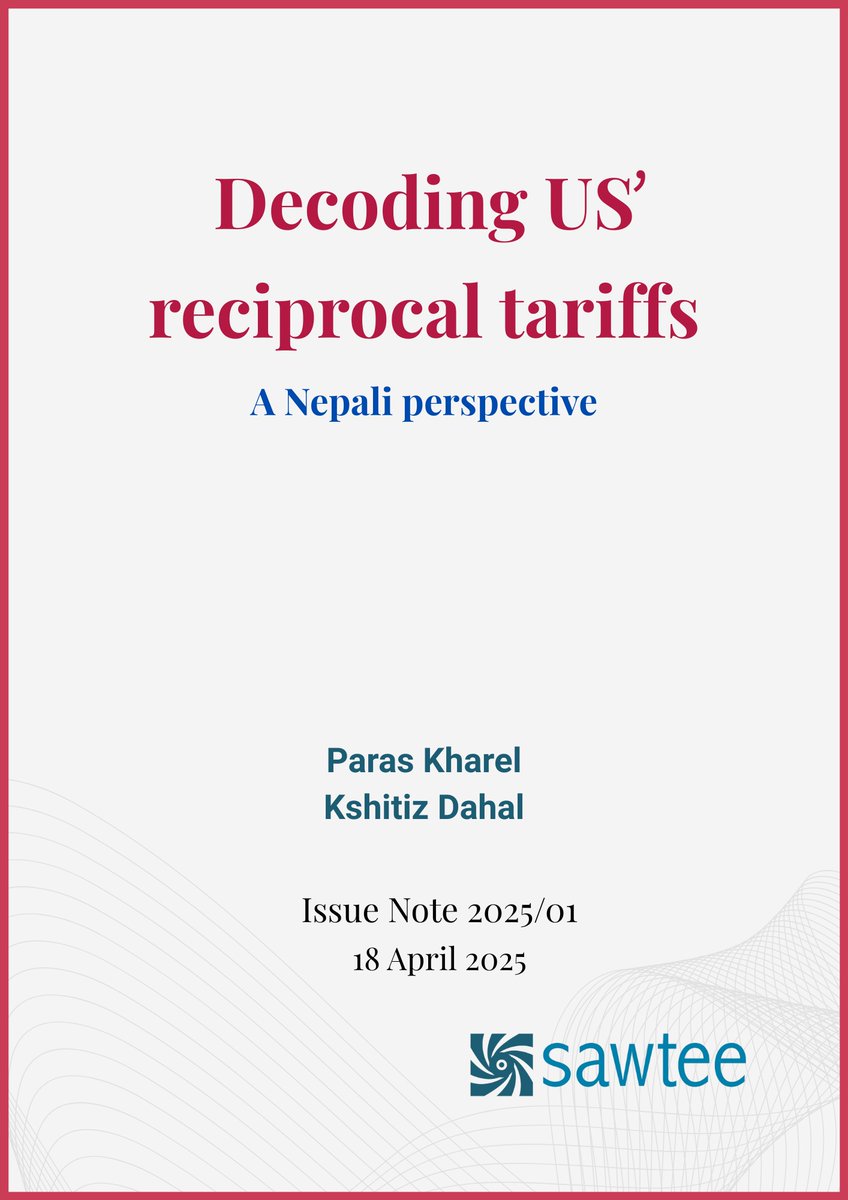
The US Administration's reciprocal tariffs announced on 2 April affect virtually all countries. The universal 10 percent tariff hike has already come into effect and the additional hike for countries other than China has been put on a 90-day pause. The road ahead is full of uncertainties—there are doubts about how, or whether, the reciprocal tariff scheme will continue. However, one thing seems certain: the international trade landscape is undergoing a profound change. Against this background, SAWTEE’s issue note examines the US’s reciprocal tariffs from Nepal’s perspectives.
Read it here: https://t.co/0h7yWoQ00e
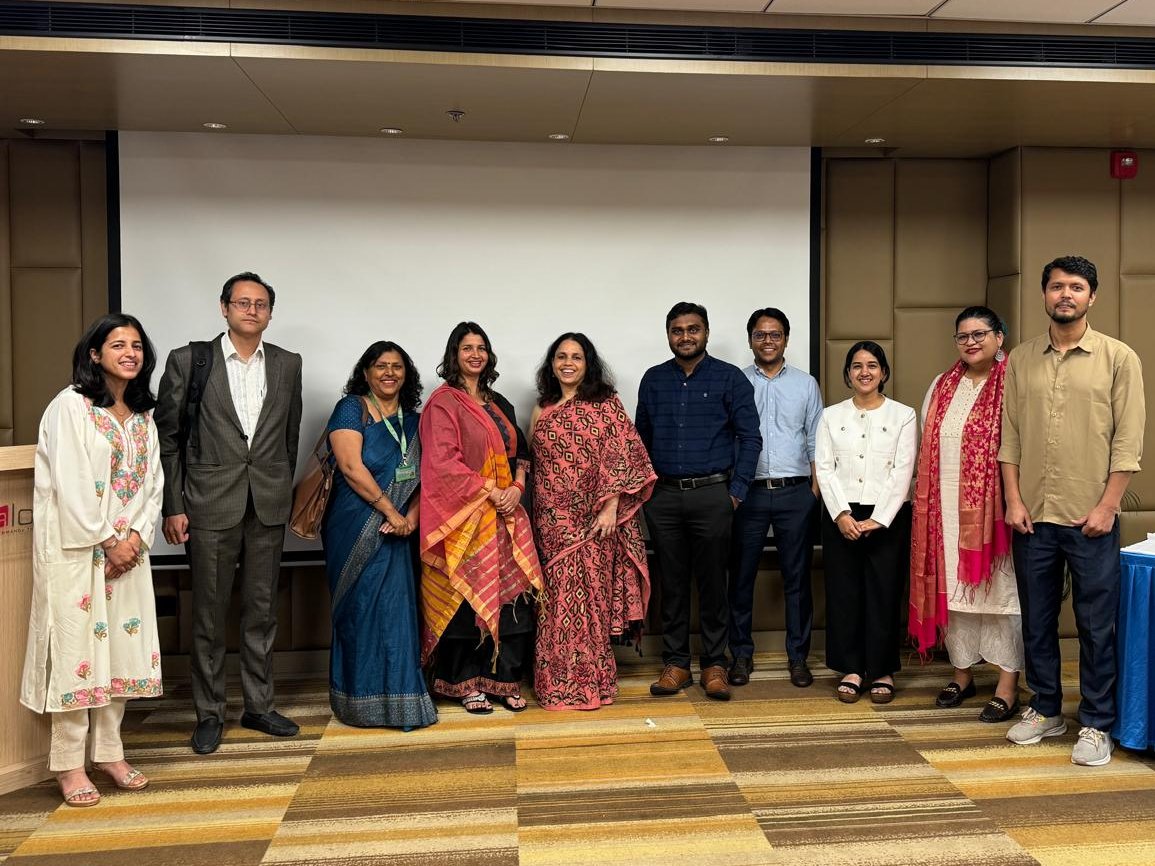
SAWTEE is organizing a session titled "New World Disorder: Trading in Uncertain Times" at Project Sambaad Bhaag Dui on 12 March 2025 [01:00 — 02:15 PM] at Moksh, Jhamsikhel.
For information and registration click here
https://t.co/VstJmo56P8
South Asia Watch on Trade, Economics and Environment (SAWTEE), in collaboration with leading regional organizations, is pleased to present the Fifteenth South Asia Economic Summit in Kathmandu. Under the theme “Unleashing an equitable green transformation in South Asia.”
SAWTEE's Programme Coordinator @diykshya provides insights into different economic issues haunting Nepal's economy at present along with the country's leading experts in the July issue of Business 360 magazine.
Read the full interview here: https://t.co/JEkkgA1Gno
Women are choosing to stay single and childfree not bec they hate men or western influence, but they are registering the exhaustion of women around them - colleagues, friends, relatives - and choosing not to raise a husband alongside a baby and do disproportionate labour
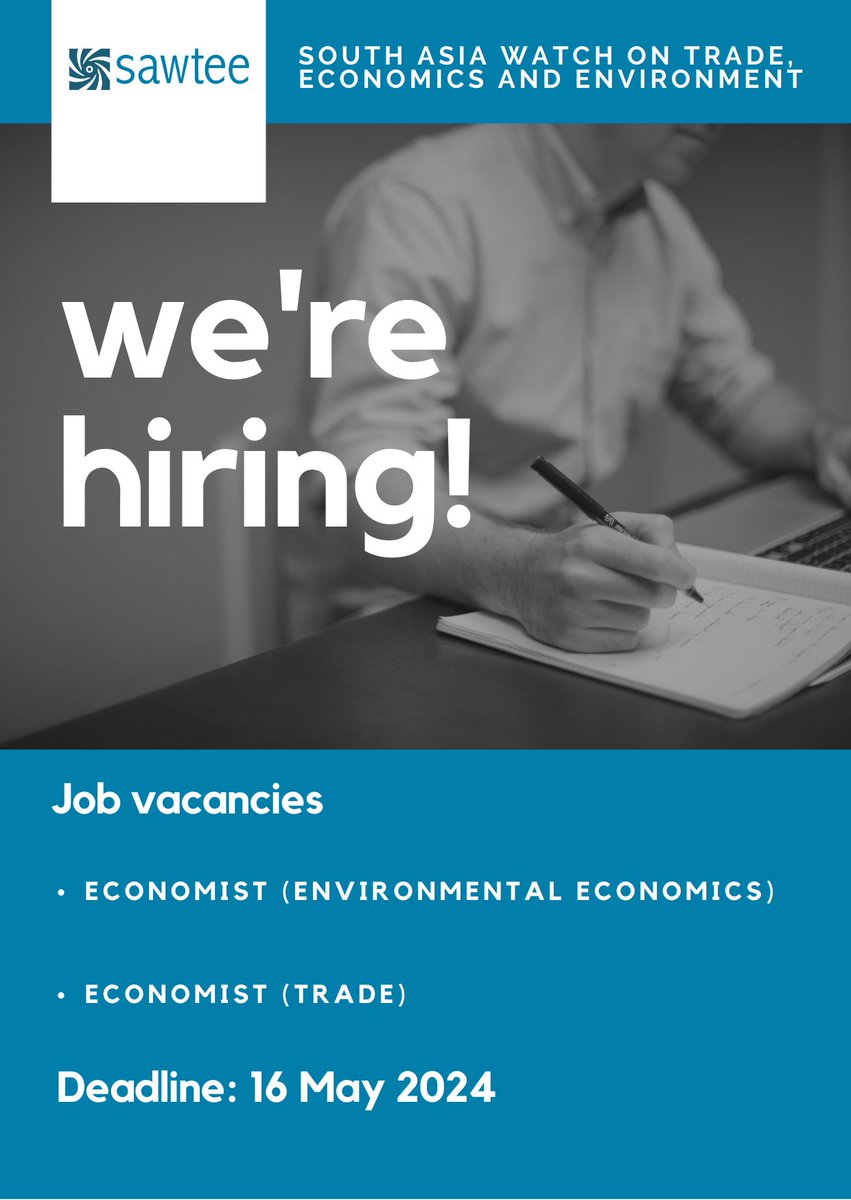
📢SAWTEE is hiring!
🔎SAWTEE is looking for a Nepali citizen for the positions of Economist (Environmental Economics) & Economist (Trade).
Visit the link for further details on job requirements & how to apply: https://t.co/PNQ8o2CGUJ
⚠️Apply by 16 May 2024
I do think that there’s a really oversimplified understanding of how Europe became wealthy (based almost purely on extractivism) that some people should grow beyond, but this just strikes me as oversimplifying in the other direction.
It’s clearly a mix of both
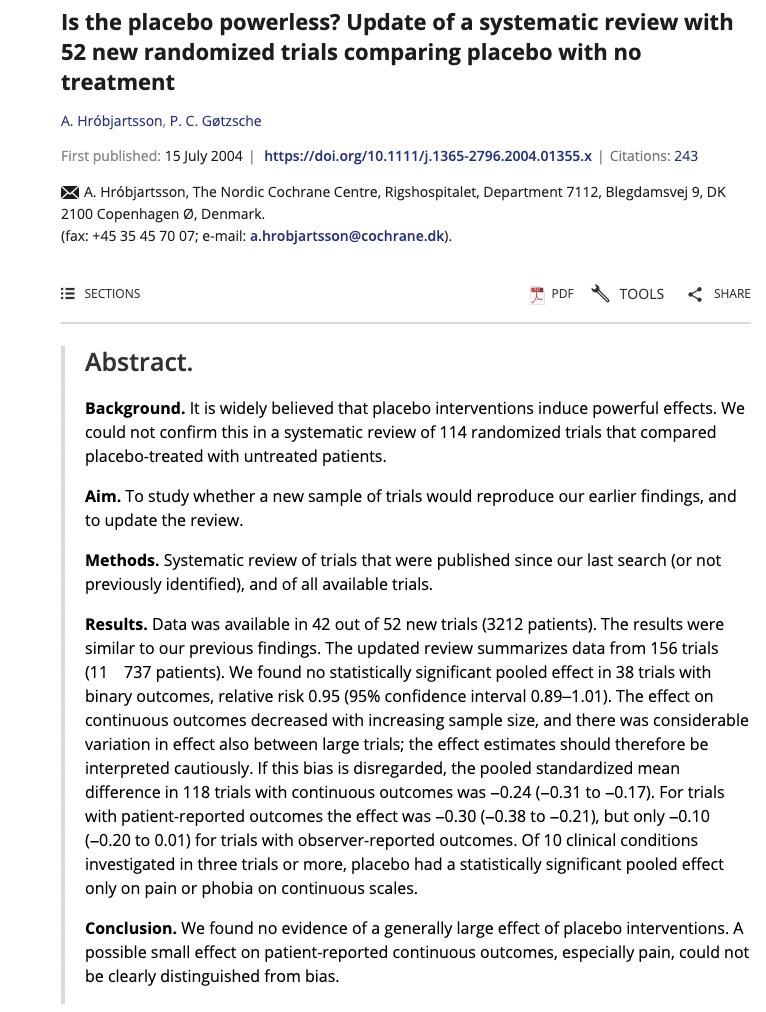
Incredibly, the placebo effect is (mostly) not real.
It is a result of statistical confusion. Whenever you have a group with extreme values, they tend to exhibit regression to the mean. Eg. on average, sick people tend to become more healthy over time.
Thus if you give one group medicine, and one group placebo, the placebo group will also tend to get better over time, because of regression to the mean.
People have then misinterpreted this to think that it is the placebo pill that actively does this.
If you want to demonstrate a placebo effect, you have to construct a study where there are three groups:
• A. treatment
• B. placebo
• C. no treatment, no placebo
If B and C get different outcomes, that would demonstrate a placebo effect.
When this has been tried, mainly there has been no provable placebo effect. See the paper in the screenshot. (There is some evidence for an effect for pain, but this get's into a slightly different debate.)
The fact that the placebo effect is mainly not real, fortunately frees us from having to come up with convoluted explanations, as to why the placebo effect would work even when we tell the patient that it is a placebo, as in the quoted tweet.
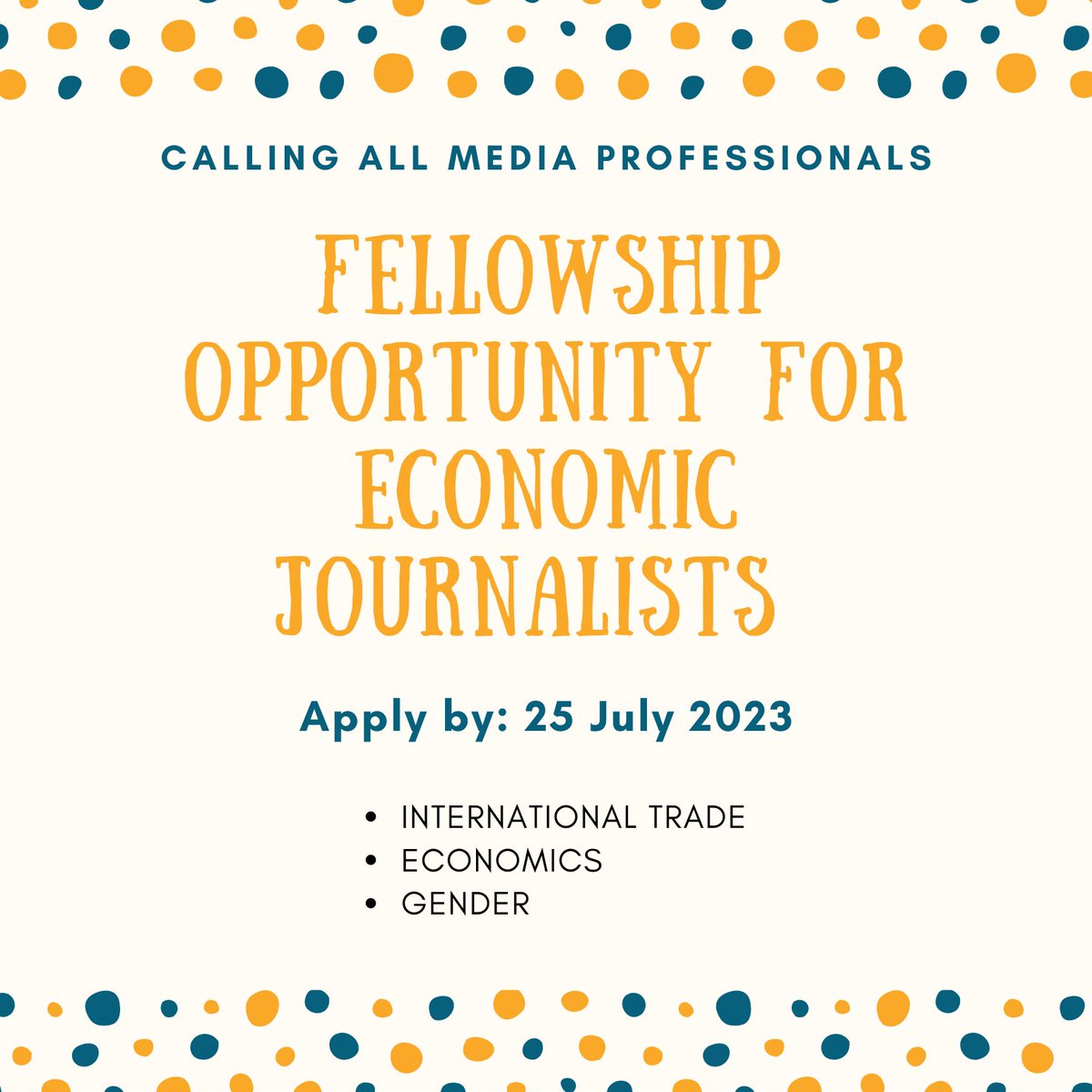
📢2 months long fellowship opportunity for economic journalists!
💡Dive deep into international trade, economics, gender & contribute to the public's understanding of critical economic & trade issues.
⚠️ Deadline: Jul 25, 2023
🔗 Learn more & apply: https://t.co/Jt6qIzo8TV







![sawteenp's tweet photo. SAWTEE is organizing a session titled "New World Disorder: Trading in Uncertain Times" at Project Sambaad Bhaag Dui on 12 March 2025 [01:00 — 02:15 PM] at Moksh, Jhamsikhel.
For information and registration click here
https://t.co/VstJmo56P8 https://t.co/z8ZyTHL64s](https://pbs.twimg.com/media/GlbocMYbwAgxIq0.jpg)