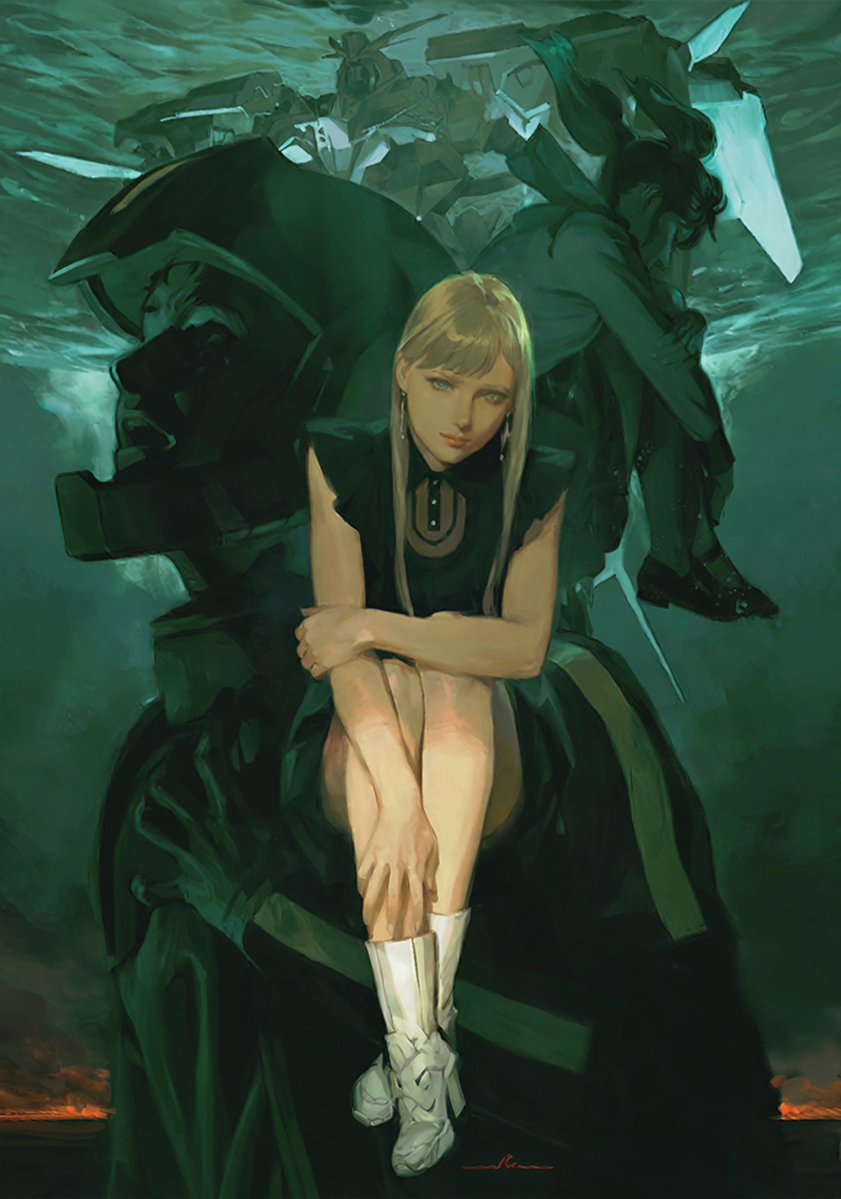
“I’ll cut them off. These strange human relationships. And Gigi Andalucia too!”
—Hathaway Noa
Acrylic plate illustration by animation character designer and chief animation director Naoyuki Onda
“At this rate, I'll end up being more and more self-centered. But I'll definitely see Gigi Andalucia again. I can't do anything stupid until then.”
—Hathaway Noa
Hathaway’s Flash is not a love story, nor is it simply a story about terrorism, even if both are central elements of the narrative. Ultimately, it’s a story about youthful rebellion: rebelling against a corrupt system shaped and maintained by adults, rebelling against toxic relationships built on convenience and emotional dependency, and rebelling against the expectations, ideologies, and failures inherited from the previous generation.
The series portrays love as awkward, messy, impulsive, and emotionally volatile rather than pristine or pure. In many ways, Hathaway’s Flash represents Yoshiyuki Tomino’s distinctly cynical vision of youthful revolt that came to define much of his work throughout the 1980s and 1990s.
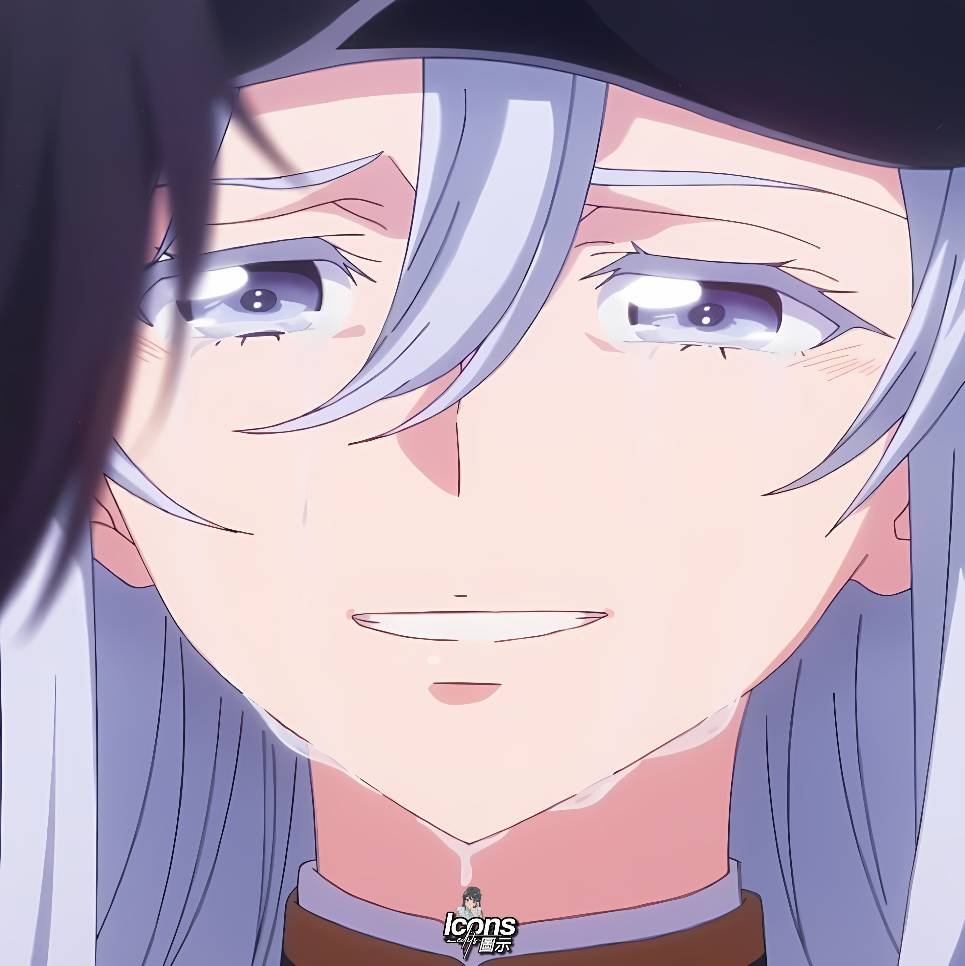
'86 - Eighty Six' Author thanks everyone for the Anime's 5th Anniversary:
"Thank you as always for your comments, illustrations, cosplay, anime reviews, merchandise reports, and outing reports!"