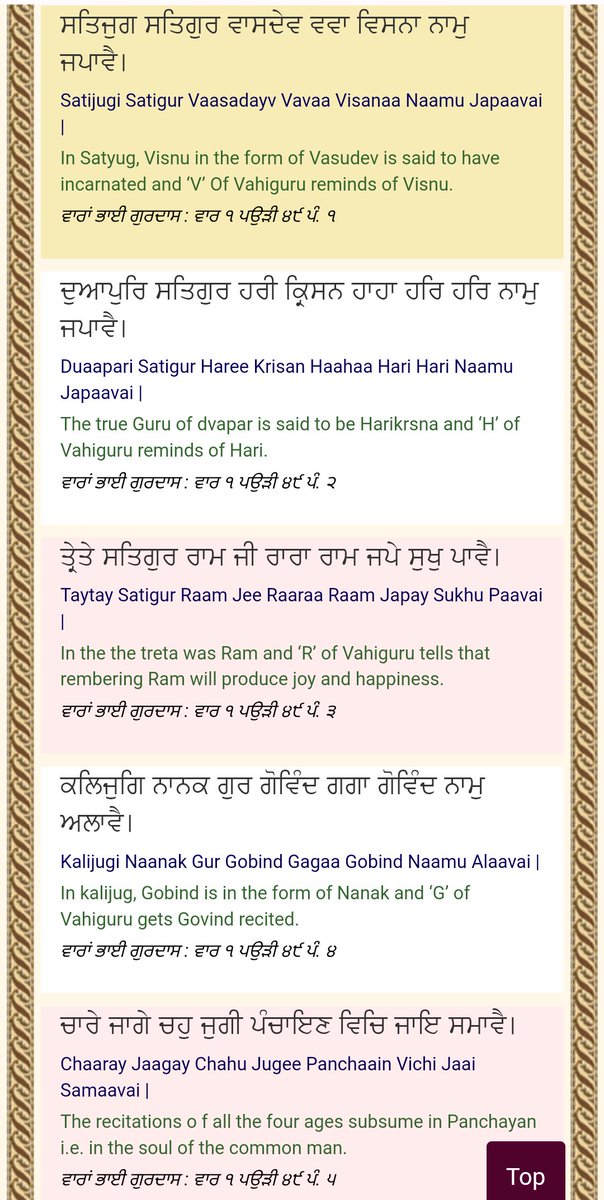
ਹਰਿਜਨਰਾਮਰਾਮਰਾਮਧਿਆਂਏ॥
The humble servant of Hari meditates on Ram, Ram, Ram.
ਏਕਪਲਕਸੁਖਸਾਧਸਮਾਗਮਕੋਟਿਬੈਕੁੰਠਹਪਾਂਏ॥੧॥ਰਹਾਉ॥
One who enjoys peace in the Company of the Holy, even for an instant, obtains millions of heavenly paradises.
Guru Arjan Dev Ji in Adi Granth - Ang 1208
Friday Nov. 7th, join me at the University of Illinois Black Cultural Center with this esteemed panel of guests. I’ll be discussing the role of emotive response as it pertains to pervasive violent criminal behavior in a traditionally systemic abusive environment.
Poetic Inspiration
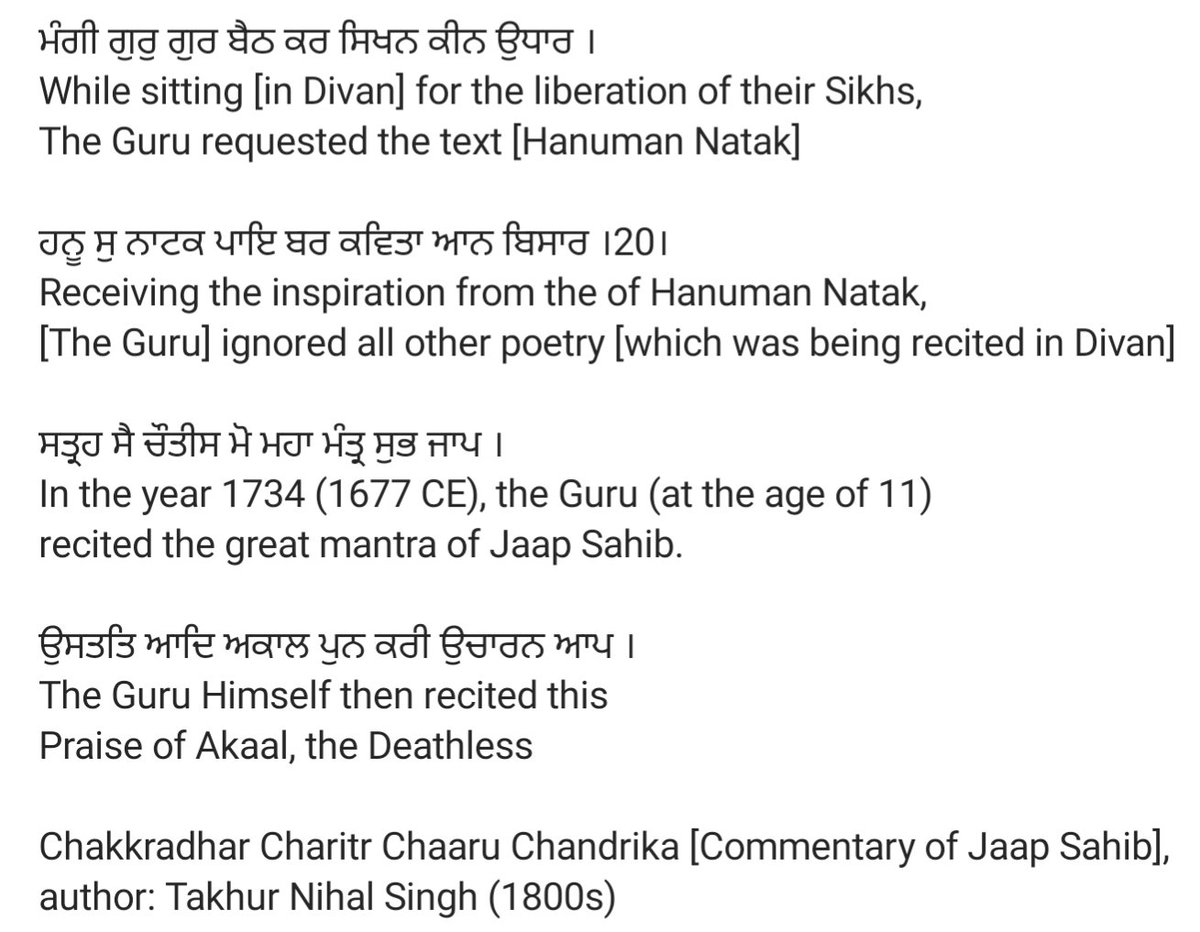
Bhai Chaupa Singh's Rehatnama, Takhur Nihal Singh's commentary on Jaap Sahib, and the Dasam Sodak Committee (1897) all mention how Guru Gobind Singh received the Hanuman Natak at the age of 11 and then began writing poetry, first composing Jaap Sahib.
Nihang Baba Balli Singh explains his dress code:
Kirpan/Sword is of Devi.
Kachhera is of Hanuman.
Kesh is of Vishnu.
Kara is of Shiv ji.
Kangha is of Baba Deep Singh Shaheed.
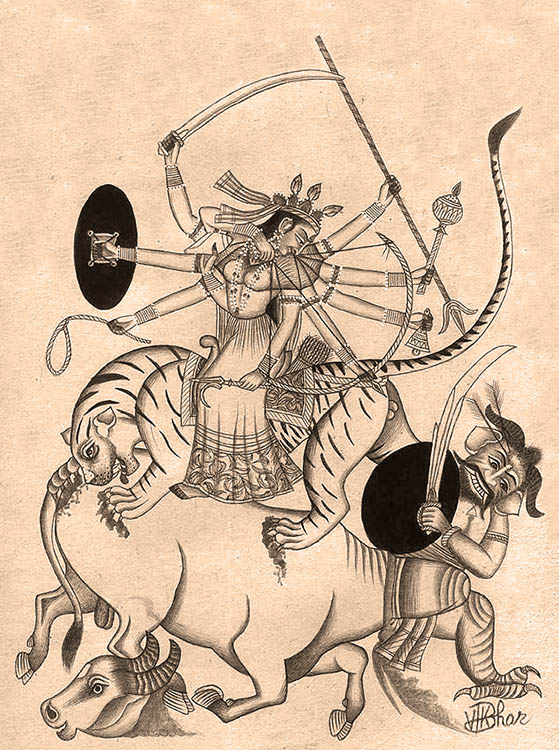
ਕਰਮ ਪ੍ਰਣਾਸਣਿ ਚੰਦ ਪ੍ਰ��ਾਸਣਿ ਸੂਰਜ ਪ੍ਰਤੇਜਣਿ ਅਸਟ ਭੁਜੇ ॥
karam pranaasan cha(n)dh prakaasan sooraj pratejan asaTabhuje ||
O the Goddess of eight long arms! Thou art the destroyer of sinful actions with moonlike light and sunlike Glory.
ਜੈ ਜੈ ਹੋਸੀ ਮਹਿਖਾਸੁਰ ਮਰਦਨ ਭਰਮ ਬਿਨਾਸਨ ਧਰਮ ਧੁਜੇ ॥੭॥੨੧੭॥
jai jai hosee mahikhaasur maradhan bharam binaasan dharam dhuje ||7||217||
Hail, hail O Slayer of Mahishasura! Thou art the destroyer of illusion and the banner of Dharma.
Guru Gobind Singh Ji in Akal Ustat
Guru Gobind Singh's Young Routine
According to Bansavalinama (1769), the Guru's main teacher was Harijas, the nephew of Satidas and Matidas, a Brahmin who had studied Gurmukhi, Persian, and the Shastras.
Guru Gobind Singh, at the age of six, learned Gurmukhi from him in six months. Following this, at the age of seven, a desire to learn Farsi arose in the Guru's mind and he studied reading and writing for a year. Four years later the Guru was writing poetry, completing his first composition the Jaap, which beautifully blends Braj, Farsi, and Sanskrit.
In the afternoon the Guru would listen to katha from Brahmins about the Shastras and after dinner the Guru would listen to stories about politics and warfare. According to Giani Gian Singh, while for lunch the Guru would eat with his mother in their residence, in the evening he would go out to the public langar with his courtiers "because at that time meat would be served" (Twarikh Guru Khalsa, page 28].







![jvalaaa's tweet photo. Guru Gobind Singh's Young Routine
According to Bansavalinama (1769), the Guru's main teacher was Harijas, the nephew of Satidas and Matidas, a Brahmin who had studied Gurmukhi, Persian, and the Shastras.
Guru Gobind Singh, at the age of six, learned Gurmukhi from him in six months. Following this, at the age of seven, a desire to learn Farsi arose in the Guru's mind and he studied reading and writing for a year. Four years later the Guru was writing poetry, completing his first composition the Jaap, which beautifully blends Braj, Farsi, and Sanskrit.
In the afternoon the Guru would listen to katha from Brahmins about the Shastras and after dinner the Guru would listen to stories about politics and warfare. According to Giani Gian Singh, while for lunch the Guru would eat with his mother in their residence, in the evening he would go out to the public langar with his courtiers "because at that time meat would be served" (Twarikh Guru Khalsa, page 28].](https://pbs.twimg.com/media/F3q12rhb0AAIC3h.jpg)