An Italian poet hears Kendrick Lamar's "FEEL." for the first time 🔥
,,Well, here you understand that there is this sheer technical ability that is out of this world.’’
SS101 Intro to the Sikh Tradition is relaunching this March! Sign up via the link in my bio!
6 (2 hour) lectures with 6 live discussions - academic level discussion and research!
Spring Semester is Launching Soon! SS 101 explores the era from Guru Nanak to Guru Gobind Singh.
Academically grounded, it provides valuable insights for students of all proficiency levels.
Learn more and enroll via the link on my bio!
Guru Nanak bidding farewell to his elder sister, Bebe Nanaki, before setting off on his travels.
ਧਰਿ ਉਰਧੀਰ ਵਿਚਾਰ ਬਿਬੇਕੂ ਸਿਮਰਨ ਤੇ ਮੈਂ ਆਵੌਂ ।
"Place fortitude in your heart, think with discerning wisdom and know, if you remember me, I will be here.
ਦੇਸ਼ ਬਿਦੇਸ਼ ਦੇਖੇ ਇਛਾ ਲੇ ਨਿਦੇਸ਼ ਤੁਮ ਜਾਵੋਂ ॥
I desire to travel across domestic and foreign lands,
with your permission, I will go."
Nānak Prakāś, Purabāradh, chapter 36.
Happy Gurpurab!
ਅਬ ਆਨ ਕੀ ਆਸ ਨਿਰਾਸ ਭਈ ਕਲਗੀਧਰ ਬਾਸ ਕੀਯੋ ਮਨ ਮਾਹੀ |
Now I have no other hope but the desire
for the Plume-Wearing Guru to reside in my mind
- Santokh Singh (Nanak Prakash, 1823)
"Listen to an amusing incident. During the First World War (1914–18), an akhand path was held at Darbar Sahib (Amritsar) for the victory of the British. On the day of the completion (bhog), while offering the supplication (ardas), a granthi blurted out, “Victory to King Edward!”
Someone standing behind him, a bit more knowledgeable, tugged at the ardasī’s ear and whispered, “King George” The priest (ardasia) was a little hard of hearing. Trying to correct himself, he loudly said again, “Victory to the German King!”
The man behind him tugged his ear once more and said, “George, George!” For the second time, the ardasia proclaimed even louder, “Victory to the German King!”
In the mind of the ardasia, Edward was still the king, despite having died years earlier, and he could not tell the difference between George and German."
- GB Singh, Prachīn Bīḍān (page 96)
ਜੇ ਸਉ ਚੰਦਾ ਉਗਵਹਿ ਸੂਰਜ ਚੜਹਿ ਹਜਾਰ ॥
If hundred moons and a thousand suns rise
ਏਤੇ ਚਾਨਣ ਹੋਦਿਆਂ ਗੁਰ ਬਿਨੁ ਘੋਰ ਅੰਧਾਰ ॥੨॥
Even with such brightness,
Without the Guru there is utter darkness.
- Guru Angad, Guru Granth Sahib: 462
The Faridkot Commentary (the first full commentary on Guru Granth Sahib) expands on this and states:
"The meaning is that the sun and moon can produce illumination in the universe, but not within one's mind. In another sense, one can interpret the sun and moon to relate to endlessly reading the Puranas and Vedas. Even with such extensive scriptural knowledge, without the Guru, who is grounded in scripture (brahm srotrī) and firmly established in Truth (brahm nesaṭī), the darkness of ignorance remains."
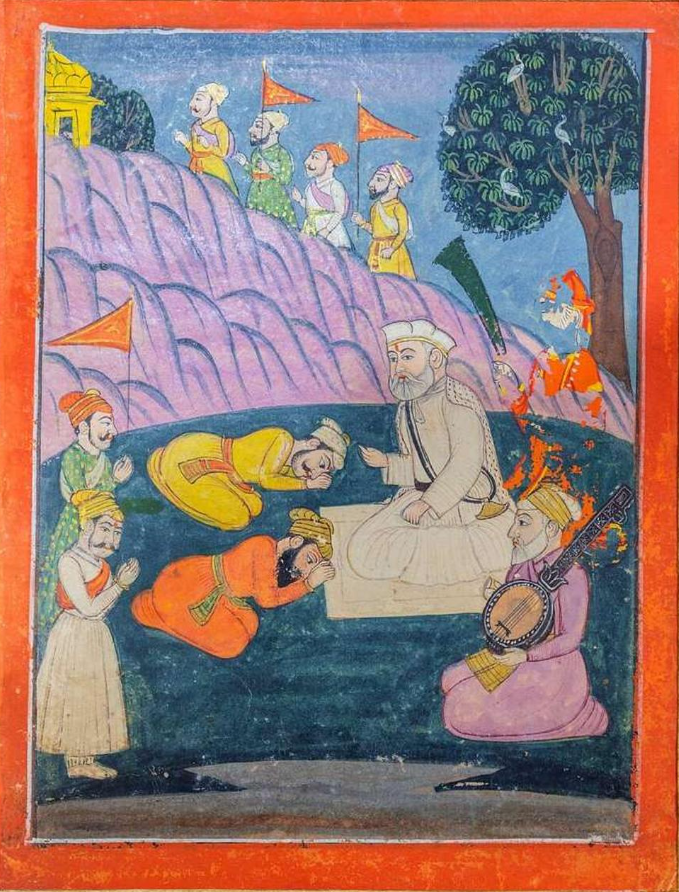
Painting: Lehna (later named Guru Angad) meeting with Guru Nanak for the first time. The painting is from a Janamsakhi manuscript ~1830.
"Every time we went to Hindustan, innumerable Jats and Gujars from the mountains and plains came to plunder our cattle and oxen. Those wretches acted so intractably and tyrannically. Before, when these regions had been the enemy, they were ill administered. This time, even though the people had become our subjects, they started their act again. No sooner had the poor, miserable men of Sialkot entered the camp than an uproar started and plunder began."
- Baburnāmā
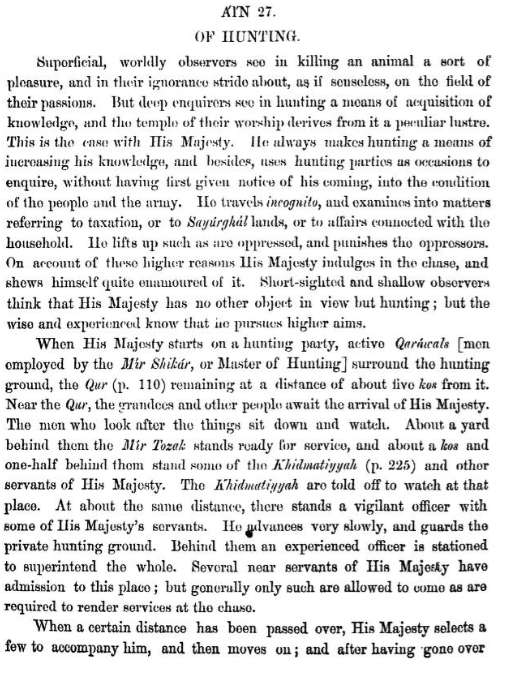
I should clarify it does not explicitly prohibit these animals but rather they are mentioned by Guru Gobind Singh outside of the context of game animals (animals to be hunted).
Incredible to see still the amount of animals mentioned within the Dasam Granth, this is besides the vast amount of flora and fauna etc - scholars have classified the text as a Mahākāvya (epic) style text.
A list of animals that are mentioned hunted in the Dasam Granth by Guru Gobind Singh, Sher Shah, Krishan Maharaj, Jodha Bhai, Raja Dasarath, and other Kings.
Also a list of 81 prohibited animals to hunt.
From Bhagwant Hari Singh's 'Dasam Granth Da Bani Beora'
The Power of a Ballad
Guru Gobind Singh wrote the inspirational story of Durga in the form of a Ballad - Vār - a quintessential Punjabi folk art form, which includes music and storytelling. The rhythm, beat, and force in which the Bards, ḍhāḍhīs, sing the Ballad (vār) pumps up the listeners, infusing them with a courageous mindset (bīr ras).
To learn more about the poetic genius of Guru Gobind Singh pre-order your copy of the Ballad of Chandi now, link in the bio.
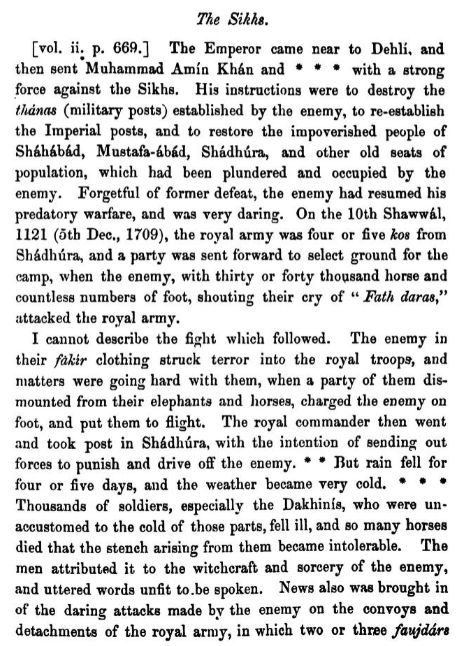
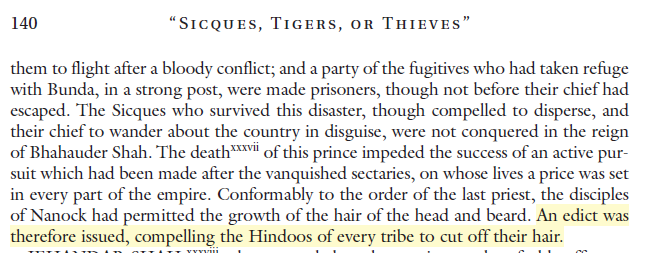
George Foster, in his 'Journey from Bengal to England' (1798) describes how during the era of Banda Bahadur, a Mughal edict was issued compelling everyone to cut their hair. This was done in hopes of extinguishing the expanding Khalsa power.
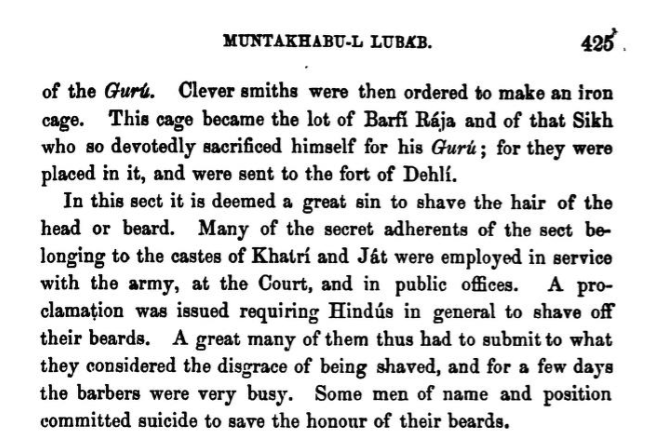
Khafi Khan (1664-1732), a diwan during the reign of Farrukh Siyar (Mughal emperor ruling 1713-1719), wrote a work which was completed in 1732 in which he confirms Foster's claim.
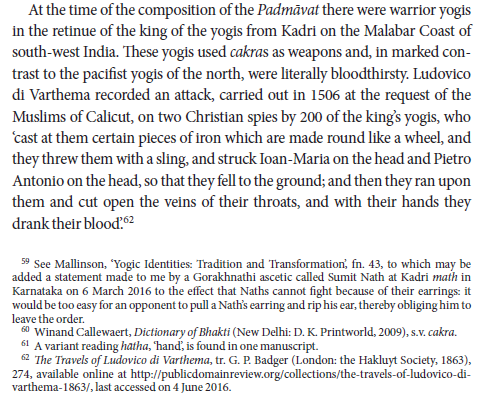
Excerpt from the reading for Module 5, SS 201 Intro to Japuji Sahib. This is from James Mallinson's, Nath Yogis and their 'Amazing Apparel' in Early Material and Textual Sources.
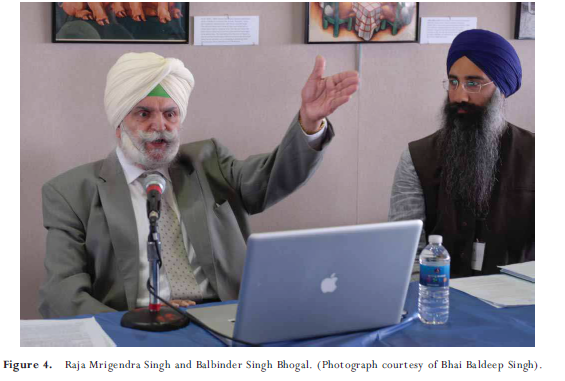
Immense gratitude to these two souls. For my Japuji Sahib course I am heavily drawing from Raja Mrigendra Singh's compilation of various Japuji Sahib commentaries. Also in the additional readings I have made use of Bhogal Sahib's works.
The Status of Women, Chaṇḍī Dī Vār, and Guru Gobind Singh's Mentality
Guru Ji, being a great composer of literature, politician, religious leader and the tenth sovereign of Sikhi, has chosen this story [of the Durgā] to instill bravery into the community. He has elevated the honor and respect of women in society, and demonstrated that women are not confined to merely the role of mothers. Rather, by depicting them as combating and triumphing over the powerful forces of evil, he uplifted Indian civilization to great heights. He removed woman from being viewed as an object of men's pleasure, instead portraying her as the protector humanity and establishing her rightful status as the Mother of the World.
ਗੁਰੂ ਜੀ ਨੇ ਇਕ ਉਚ ਕੋਟੀ ਦੇ ਸਾਹਿਤਕਾਰ, ਰਾਜਨੀਤਕ, ਧਾਰਮਿਕ ਆਗੂ ਅਤੇ ਸਿਖ ਧਰਮ ਦੇ ਦਸਵੇਂ ਪਾਤਸ਼ਾਹ ਹੋਣ ਦੇ ਨਾਤੇ ਇਸ ਕਥਾ ਨੂੰ ਚੁਣ ਕੇ ਕੌਮ ਵਿਚ ਬੀਰਤਾ, ਇਸਤਰੀ ਸਮਾਜ ਦਾ ਮਾਣ ਤੇ ਸਤਕਾਰ ਵਧਾਇਆ ਹੈ ਅਤੇ ਇਸਤਰੀ ਜਾਤੀ ਨੂੰ ਕੇਵਲ ਮਾਤਾ ਦੀਆਂ ਹਦਾਂ ਤਕ ਹੀ ਸੀਮਤ ਨਹੀਂ ਰਹਿਣ ਦਿਤਾ ਸਗੋਂ ਉਸ ਨੂੰ ਬਦੀ ਦੀਆਂ ਬਲਵਾਨ ਸ਼ਕਤੀਆਂ ਨਾਲ ਲੜਦਿਆਂ ਅਤੇ ਜਿਤ ਪ੍ਰਾਪਤ ਕਰਦਿਆਂ ਦਿਖਾ ਕੇ ਭਾਰਤੀ ਸਭਿਅਤਾ ਨੂੰ ਬਹੁਤ ਹੀ ਉਚਾ ਕਰ ਦਿਤਾ ਹੈ । ਇਸਤਰੀ, ਨੂੰ ਮਨੁਖਾਂ ਦੀ ਵਿਲਾਸਤਾ ਤੋਂ ਕਢ ਕੇ ਮਾਨਵਤਾ ਦੀ ਰਖਿਅਕ ਦਸਿਆ ਅਤੇ ਜਗਤ ਮਾਤ ਦਾ ਦਰਜਾ ਸਥਾਪਤ ਕੀਤਾ, ਜੋ ਉਸ ਦਾ ਹਕ ਹੈ ।
Excerpt from Dr. Kala Singh Bedi's, Vār Srī Bhagautī Jī Kī, page 212.











![jvalaaa's tweet photo. The Status of Women, Chaṇḍī Dī Vār, and Guru Gobind Singh's Mentality
Guru Ji, being a great composer of literature, politician, religious leader and the tenth sovereign of Sikhi, has chosen this story [of the Durgā] to instill bravery into the community. He has elevated the honor and respect of women in society, and demonstrated that women are not confined to merely the role of mothers. Rather, by depicting them as combating and triumphing over the powerful forces of evil, he uplifted Indian civilization to great heights. He removed woman from being viewed as an object of men's pleasure, instead portraying her as the protector humanity and establishing her rightful status as the Mother of the World.
ਗੁਰੂ ਜੀ ਨੇ ਇਕ ਉਚ ਕੋਟੀ ਦੇ ਸਾਹਿਤਕਾਰ, ਰਾਜਨੀਤਕ, ਧਾਰਮਿਕ ਆਗੂ ਅਤੇ ਸਿਖ ਧਰਮ ਦੇ ਦਸਵੇਂ ਪਾਤਸ਼ਾਹ ਹੋਣ ਦੇ ਨਾਤੇ ਇਸ ਕਥਾ ਨੂੰ ਚੁਣ ਕੇ ਕੌਮ ਵਿਚ ਬੀਰਤਾ, ਇਸਤਰੀ ਸਮਾਜ ਦਾ ਮਾਣ ਤੇ ਸਤਕਾਰ ਵਧਾਇਆ ਹੈ ਅਤੇ ਇਸਤਰੀ ਜਾਤੀ ਨੂੰ ਕੇਵਲ ਮਾਤਾ ਦੀਆਂ ਹਦਾਂ ਤਕ ਹੀ ਸੀਮਤ ਨਹੀਂ ਰਹਿਣ ਦਿਤਾ ਸਗੋਂ ਉਸ ਨੂੰ ਬਦੀ ਦੀਆਂ ਬਲਵਾਨ ਸ਼ਕਤੀਆਂ ਨਾਲ ਲੜਦਿਆਂ ਅਤੇ ਜਿਤ ਪ੍ਰਾਪਤ ਕਰਦਿਆਂ ਦਿਖਾ ਕੇ ਭਾਰਤੀ ਸਭਿਅਤਾ ਨੂੰ ਬਹੁਤ ਹੀ ਉਚਾ ਕਰ ਦਿਤਾ ਹੈ । ਇਸਤਰੀ, ਨੂੰ ਮਨੁਖਾਂ ਦੀ ਵਿਲਾਸਤਾ ਤੋਂ ਕਢ ਕੇ ਮਾਨਵਤਾ ਦੀ ਰਖਿਅਕ ਦਸਿਆ ਅਤੇ ਜਗਤ ਮਾਤ ਦਾ ਦਰਜਾ ਸਥਾਪਤ ਕੀਤਾ, ਜੋ ਉਸ ਦਾ ਹਕ ਹੈ ।
Excerpt from Dr. Kala Singh Bedi's, Vār Srī Bhagautī Jī Kī, page 212.](https://pbs.twimg.com/media/G1jQUNXawAAbRF9.jpg)


