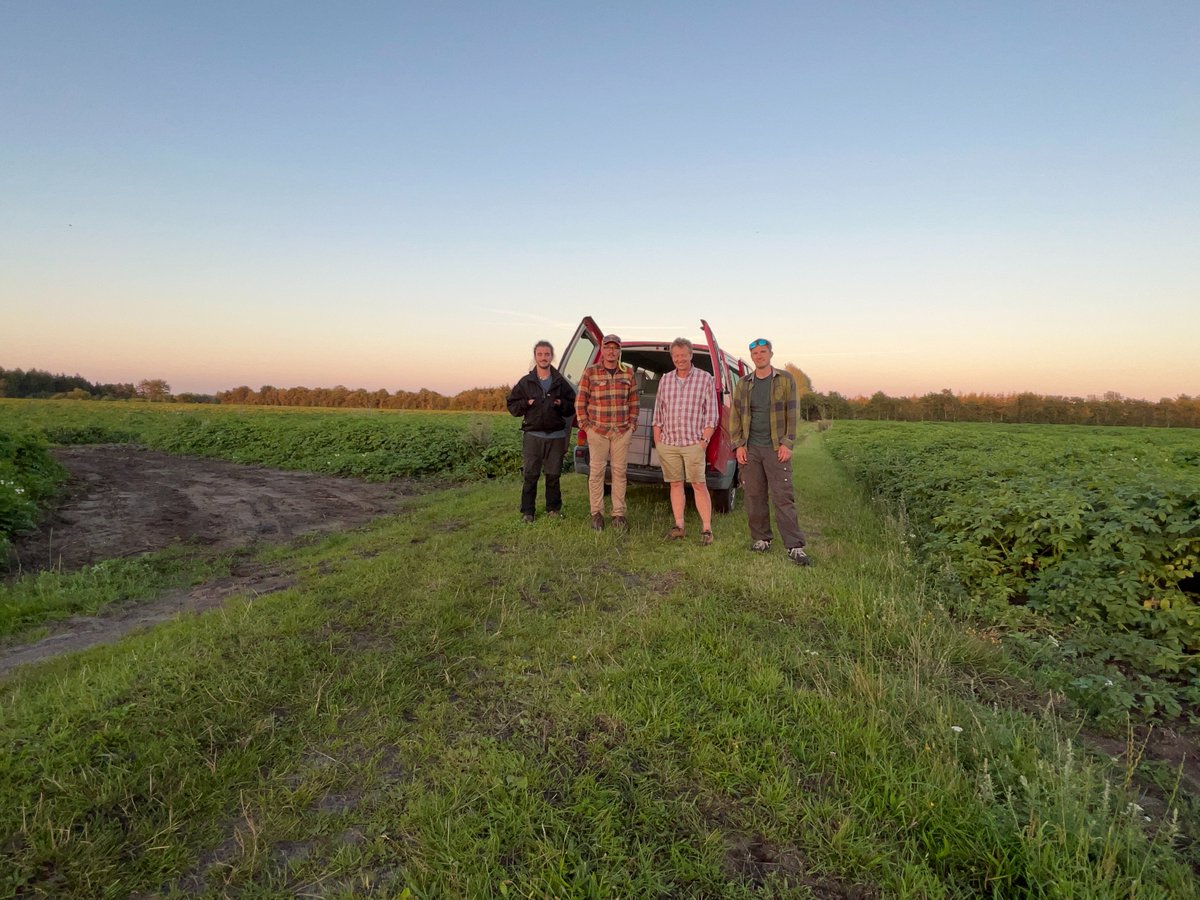
Farewell to another incredible field season at Zackenberg Research Station! As the station closed its doors last week, we want to thank all the guests and scientists who joined us. Stay tuned for updates on deadlines and upcoming research projects in 2024! Photos by MarcinJK
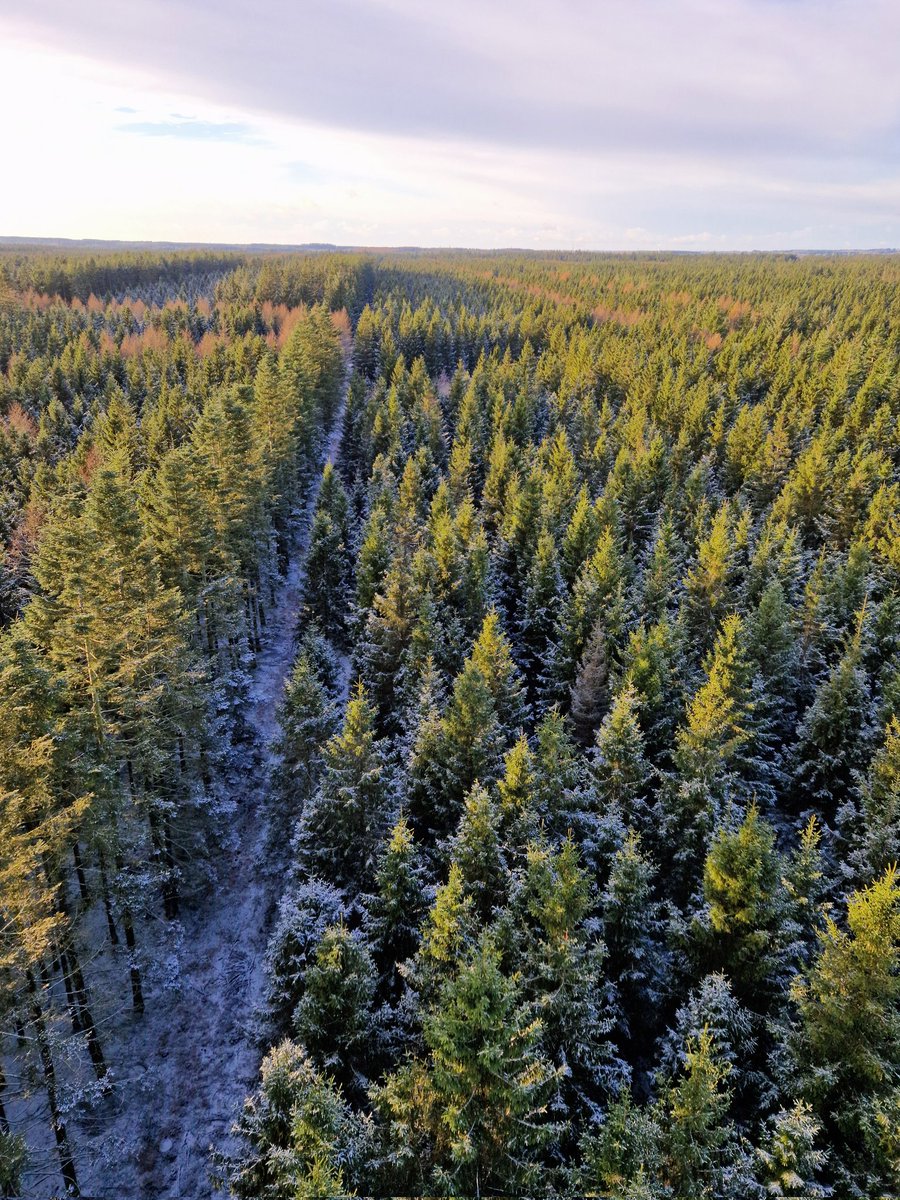
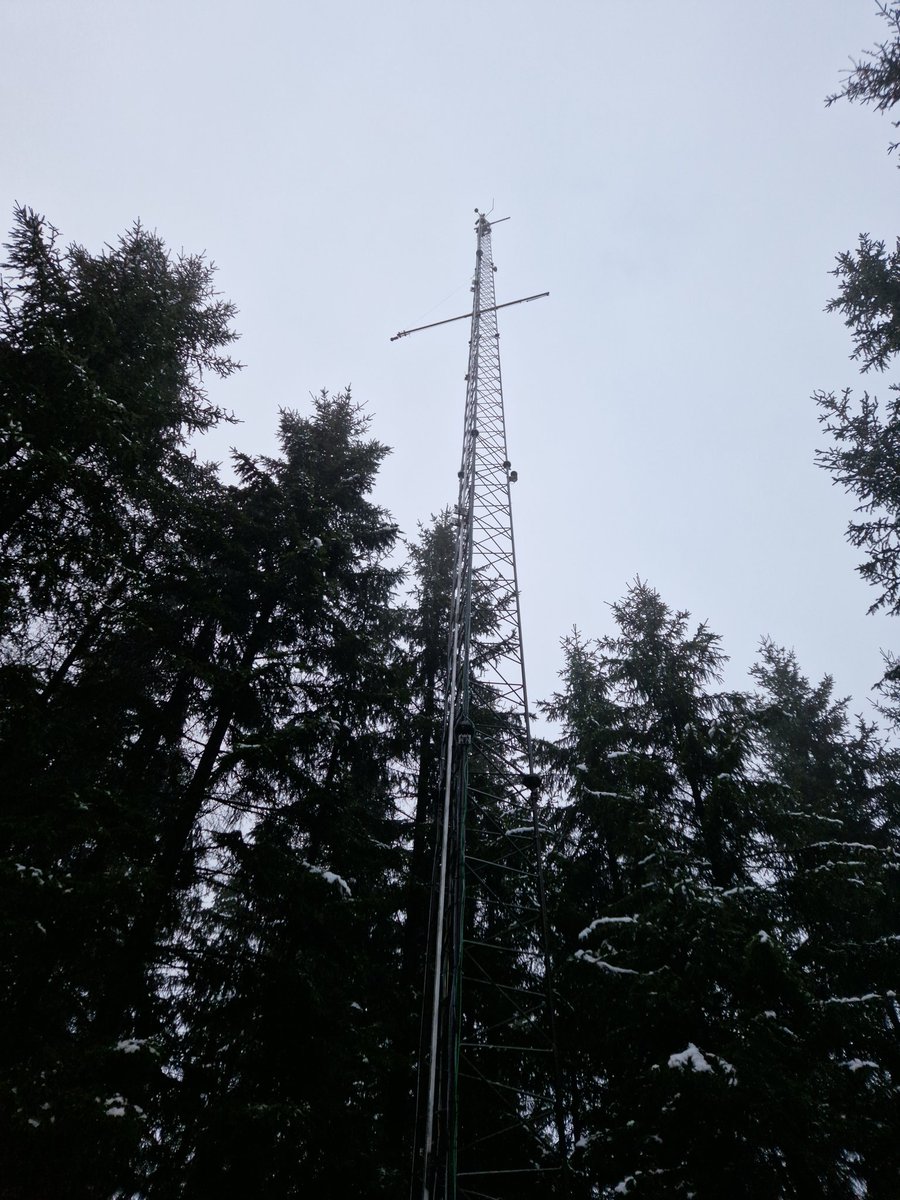
A chilli day in the tower. Hostiting the new boom for the net radiometer at #ICOS associated ecosystem station at Gludsted Plantation. After three hours aloft we have installed everything and ready to record good data.
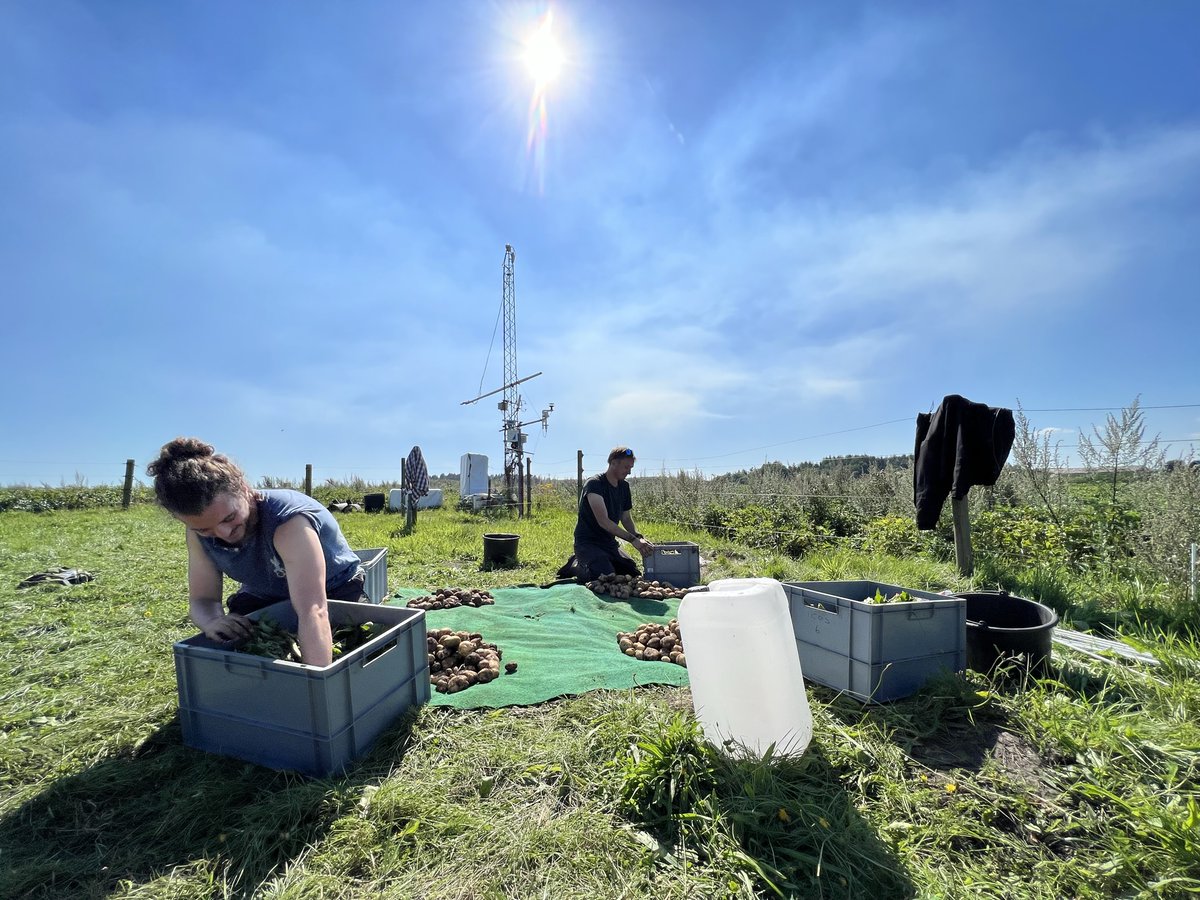
Looking back at this summer's fieldwork at Voulundgaard. ICOS published a nice story about our struggle to sample +500 kg of potato biomass and how this data can benefit society.
Did you know that all ICOS Ecosystem stations follow the same protocols in their fieldwork? “The only thing we had to invent ourselves with was how to dry 150 kgs of potatoes in the lab.”🥔
Read our new story about the Voulundgaard ICOS station: https://t.co/3V32V4S6g7
Our station and the rest of #ICOS Denmark are at risk of not being able to continue operations in the near future due to a lack of funding. This critical greenhouse gas monitoring program needs to be politically prioritized. #dkklima#dkpol@ICOS_RI
https://t.co/Bu76vuKjBp
We're happy to announce that 10 new measurement stations have received the status of an ICOS labelled station 🎉 Among them are two stations from Greenland, and one from the Congo. Congratulations to the labelled stations! Read more: https://t.co/LK0e4t0Lbx
The peak of the summer. Above-ground biomass sampling at the @ICOS_RI cropland station, Voulundgaard, just before harvest. This year's crop was potatoes. Heavy fieldwork. But great and effective team. Now back to the lab to dry samples.
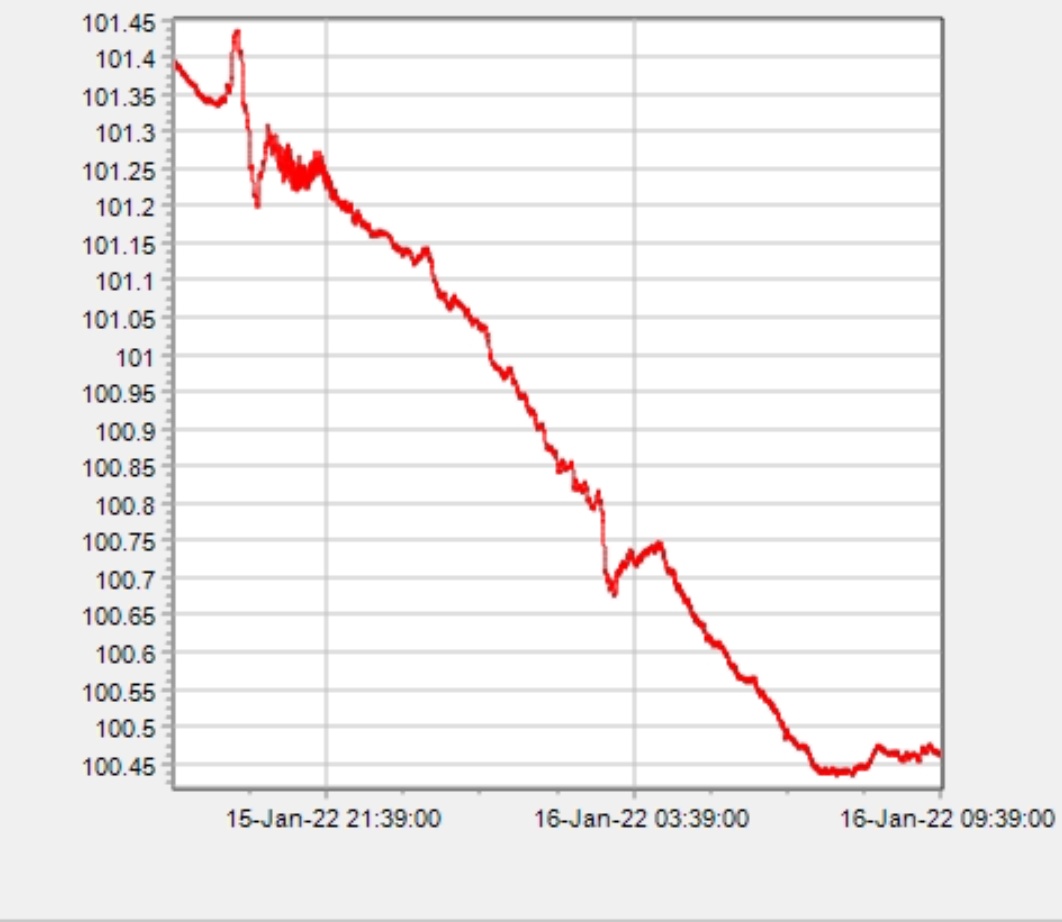
The barometric pressure sensor at Voulundgaard sensed the pressure wave from the #HungaTongaHungaHaapai eruption a quarter to eight local time. Pressure amplitude of approximately 0.2 kPa.
Maintenance round trip to the three Danish ecosystem stations in Gludsted Plantation, the meadows in Skjern and here you se the agricultural station Voulundgaard. The cover crop has died during winter, so the field is now a source of CO2.
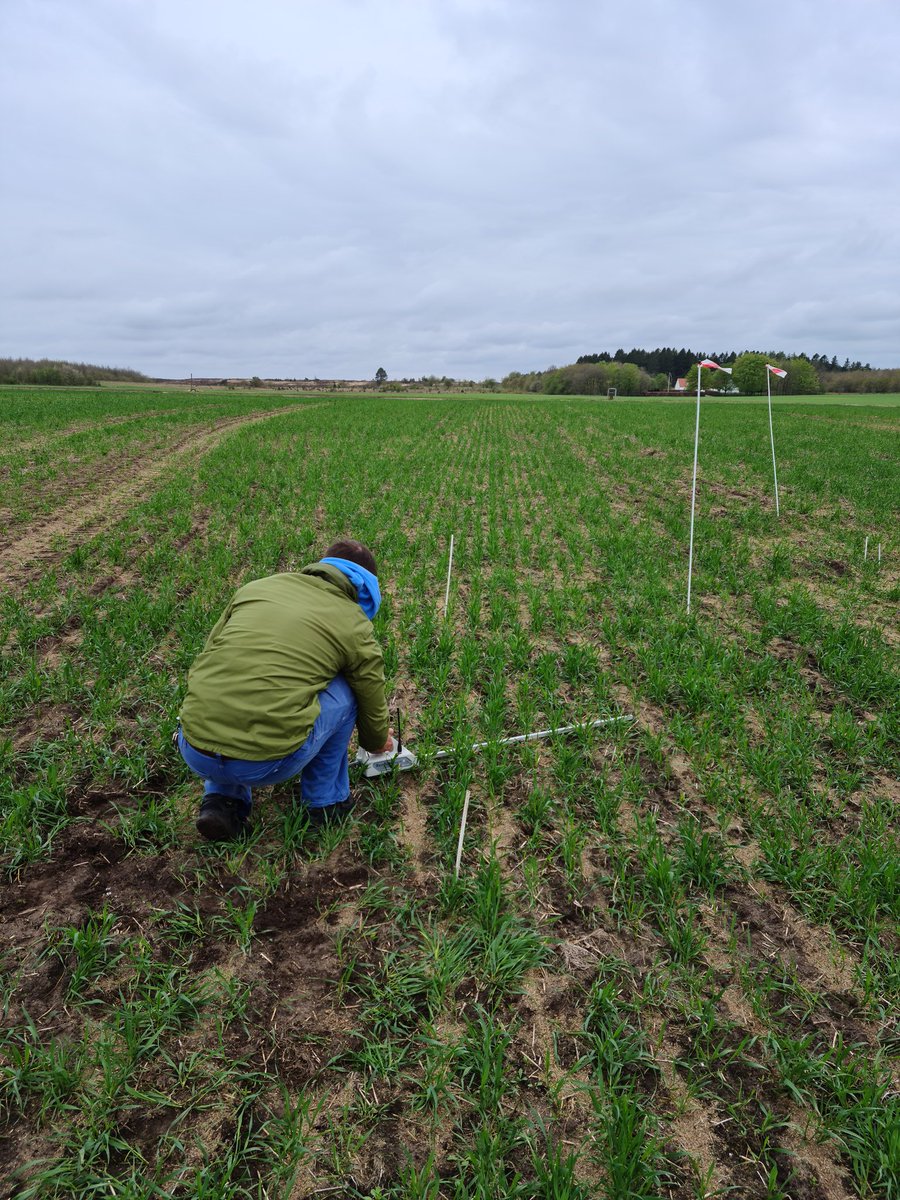
Now the season for SunScan GAI measurements and other field activities started. The late cold spells in March and April was harsh to the winter wheat crop. But now it takes off. Finally we see negative CO2 fluxes.
First time for more than a year. Snow depth sensor has been measuring a few centimeters of snow at Voulundgaard Station. And this weekend we also measured the lowest temperature for at least two years. -10℃ the night btw Friday and Saturday. Webcam view of the instrument plot.
Today we received this fine piece of decorated biomass. Thank you #ICOS#ETC for your very professional supervision and guidance during the labeling process. Have a nice weekend. #FieldsiteDecoration
The granted ICOS label of Voulundgaard Research Station has reached the news of the Department of Geoscience and Natural Resource Management (IGN) @uni_copenhagen. https://t.co/YJiX6YVNT7
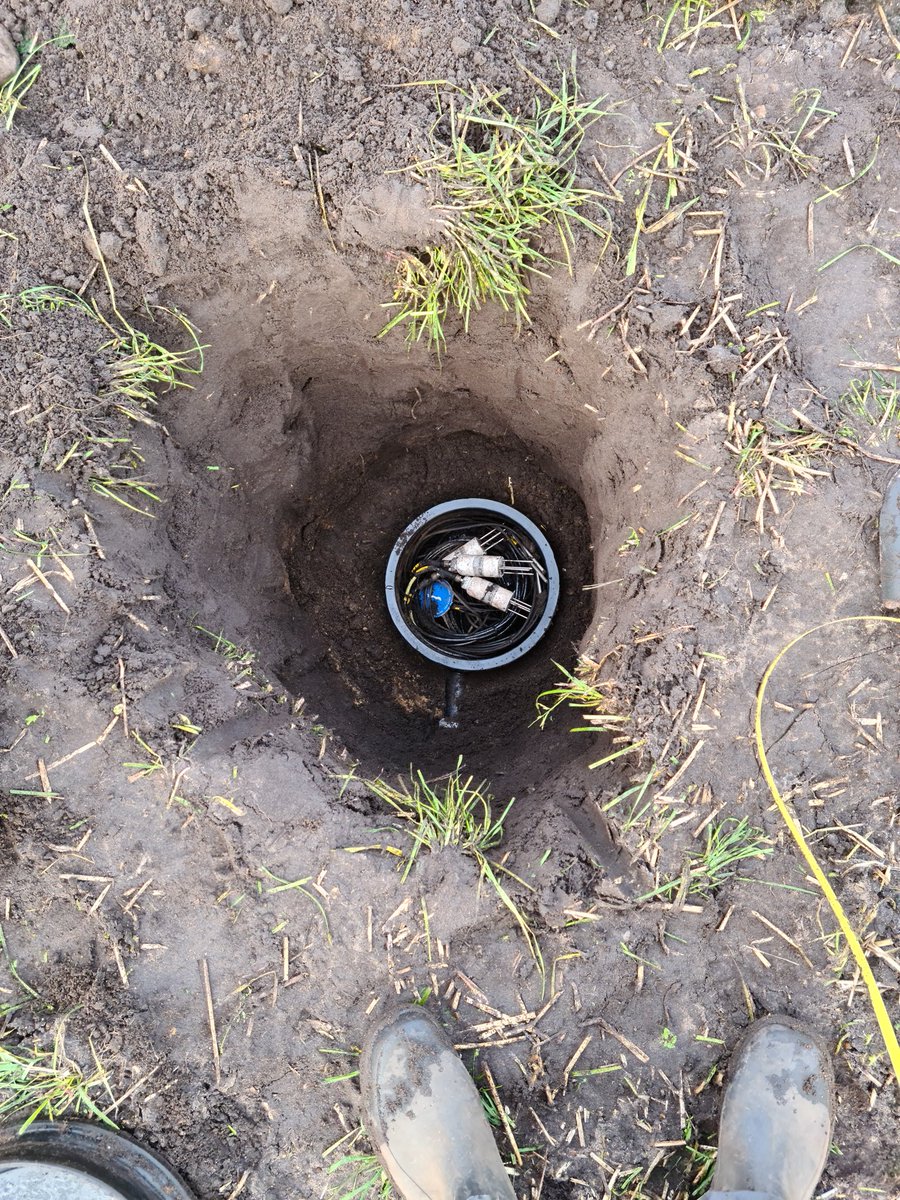
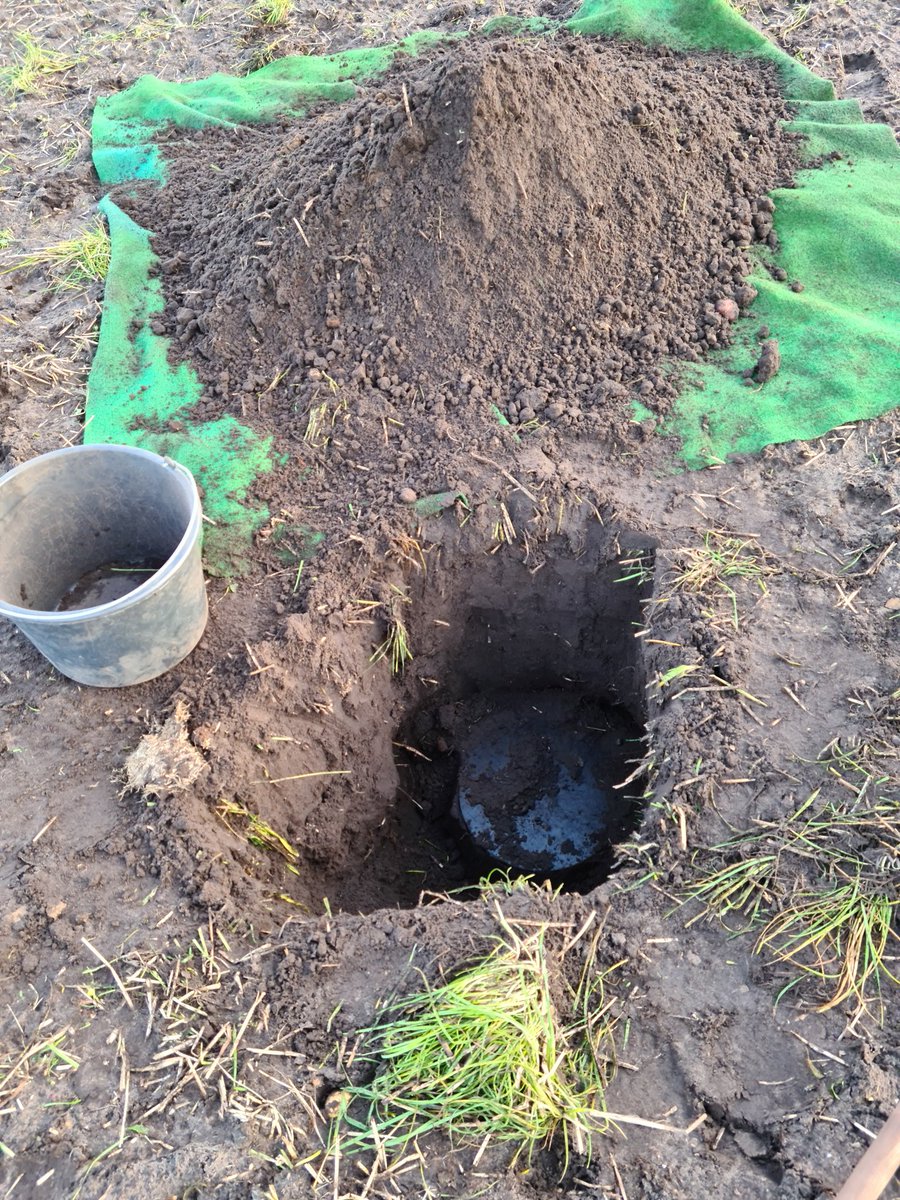
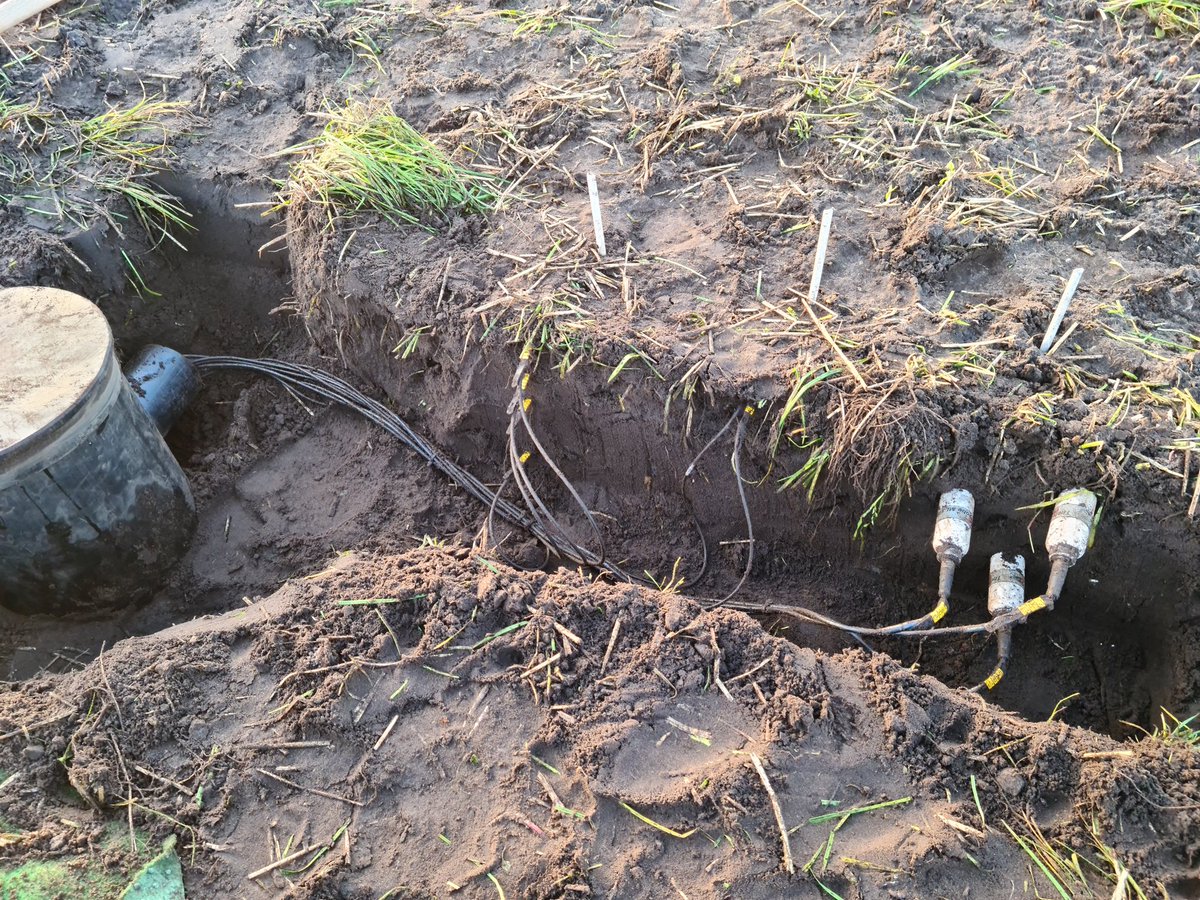
Today the top soil instruments were reinstalled after plowing and sowing of winter wheat last week. The operation of removing and reinstalling of all soil meteorological instruments above 50 cm of depth takes place 1-2 times a year. @ICOS_RI
Two years ago the station team initiated the setup of instruments in an agricultural field at Voulundgaard. Now we finally have a fully functioning labelled @ICOS_RI Ecosystem Class 1 station.