For centuries, the Greek phalanx was the most feared war machine on the planet. Then Rome figured out how to break it.
Picture the phalanx. Thousands of men packed shoulder to shoulder, each holding a pike up to eighteen feet long. Five rows of spear points bristled out in front of the formation. Charging it head on was suicide. This was the weapon Alexander the Great used to conquer the known world, and a hundred years later, nobody had found an answer to it.
When the Romans finally faced it, they were terrified. At the battle of Pydna, the Roman general Aemilius Paullus openly admitted the sight of that wall of spears frightened him. And at first it worked. The phalanx pushed forward and drove the Romans back.
But the phalanx had a hidden flaw. It only worked on perfectly flat ground, and only as long as the line stayed unbroken. The second it crossed a hill, a ditch, or a stream, the formation lost its shape and gaps opened up between the men.
That was the opening Rome was waiting for. The Roman legion wasn't one giant block. It was built from small, flexible units that could move and fight on their own. Roman soldiers poured straight into those gaps. And once you were inside the phalanx, those enormous pikes were useless. The Macedonians were left with a small shield and a short sword against legionaries who trained for exactly this. It turned into a massacre.
It happened again and again. At Cynoscephalae, a single Roman officer peeled off part of his line and smashed the phalanx from behind. At Pydna, the entire Macedonian army came apart in about an hour. Twenty thousand of them died. Rome lost almost no one.
Macedon was finished. And in 146 BC, Rome burned the city of Corinth to the ground, and Greece belonged to Rome.
The greatest formation in the ancient world wasn't beaten by a better weapon. It was beaten by an army that could bend when the ground wasn't perfect. Rome didn't out-muscle Greece. It out-adapted it.
İskandinavlar ile Hun Türkleri arasındaki; genetik, tarihsel ve kültürel bağlar ile ilgili değerli bir çalışma.
İskandinav halkları ile Hun Türkleri arasındaki genetik bağdan, İskandinav bölgesindeki Hun yer adlarından, Türkland'dan İskandinavyaya gelen Odin'den,
Kazakistan'ın Mangışlak Yarımadası'nda yer alan ve Hun dönemine (MS 5-6. YY) tarihlenen Karakabak bölgesinde daha öncede bazı buluntular bulunan yerde bir kadına ait altın ayakkabı mücevherat bulunmuş.
Çoğu haber kanalı buluntuların Hun Türklerine ait olduğu kısmını belirtmiyor.
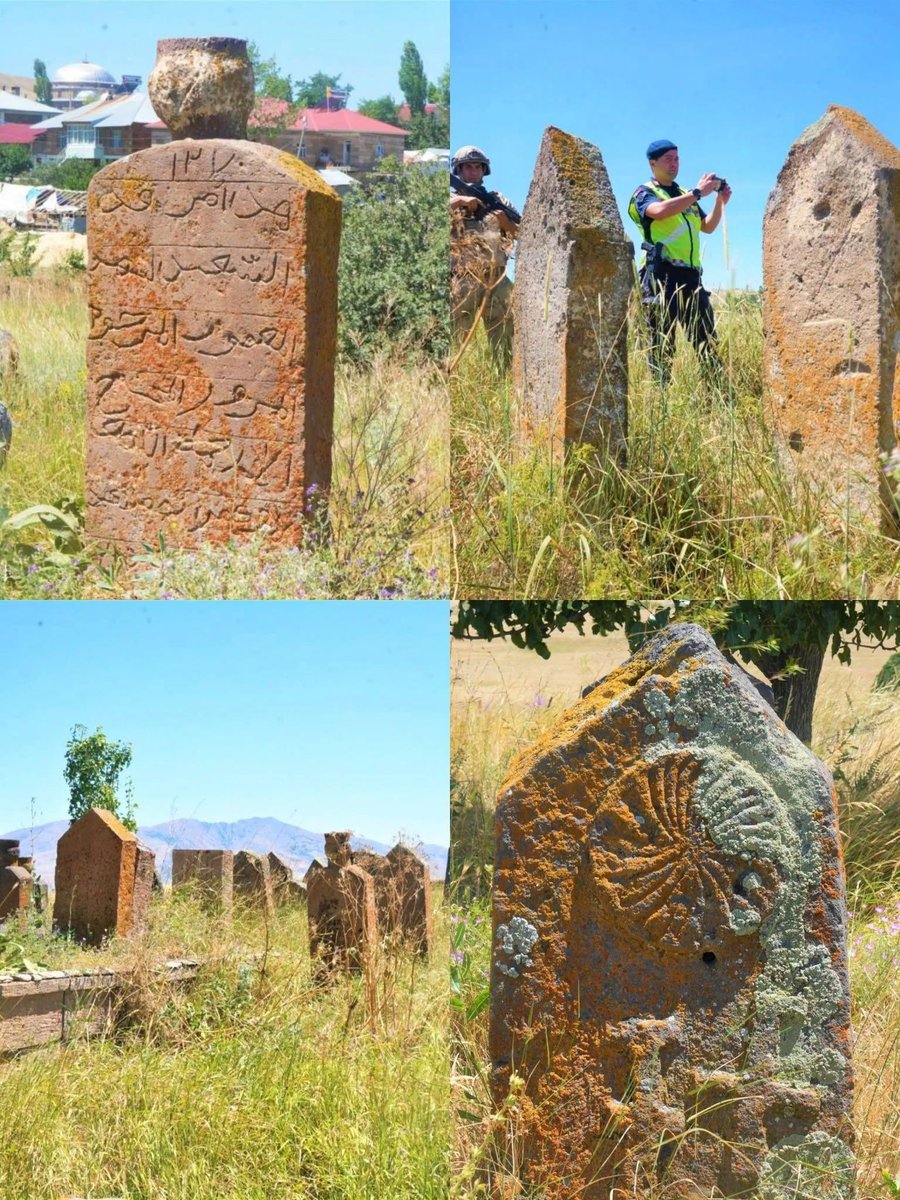
Muş'un Bulanık ilçesinde Akkoyunlular dönemine ait mezarlıklar tespit edildi.
Muş'un Bulanık ilçesine bağlı Akçaarmut ve Yokuşbaşı köylerindeki mezarlık alanlarında yürütülen çalışmalar sonucunda, Akkoyunlular dönemine ait olduğu değerlendirilen taşınır ve taşınmaz kültür varlıklarına ait izler tespit edildi.
Bu önemli keşif, Muş'un zengin tarihi ve kültürel mirasının gün yüzüne çıkarılması açısından büyük önem taşırken, bölgenin geçmişine ışık tutacak yeni araştırmalara da katkı sağlaması bekleniyor.
Düşünsenize birileri denizimize 15 bin metrekare genişliğinde ağ atıp milyonlarca canlınının ölümüne neden oluyor ve kimsenin ruhu duymuyor.
Bu küçük bir sandalla vs yapılacak bir iş değil, avcılık falan da değil; umarım yapanlar bulunur, hesap verir.
Şeytan boynuzlarıyla değil, en tatlı dili ve en kusursuz maskesiyle gelir; çünkü hiçbir av, canavara doğru koşmaz. Bu yüzden uçuruma yürüyenler, arkalarından itilenler değil, sinsi bir rehberin tatlı diline kapılıp orayı cennet sananlardır.