Registrar University of Gwadar. postgraduate studies London met 🇬🇧.
PhD. in spiritual literature, intentionality, and phenomenological experience of love ❤
@SaleemFarrukh Very true, money and opportunities should follow the people. The resources shouldnt be treated like fix deposit of some families and costs, we have created a country nt a joint stock company no fixed boundaries of cities or privinces nly country ve fx bndri
October 2026 will remain a personal triumph —the month I completed four remarkable journeys through literature, mythology, history, and political thought by reading the Mahabharata, the Ramayana, A Family History of the World by Montefiore and Dalrymple's Anarchy.
The approval of "Ayub Buledi Higher Secondary School Act" by the Balochistan Assembly is a landmark legislative initiative to further strengthen the Model School in my hometown Buleda, and ensure quality education for children. I sincerely thank CM @PakSarfrazbugti for his support and appreciate his dedication for advancing education in Balochistan.
Hero British Pakistani heart surgeon Arif Hassan wins lifetime achievement award. He performed more than 4,000 open-heart surgeries across the UK and saved thousands of lives.
Now 70 years old, Mr Hasan has just retired after 35 years of service at the Freeman Hospital in Newcastle upon Tyne, but just after receiving his Lifetime Achievement Award. Video by @DailyMirror
I am a member of the Norwegian Nobel Committee.
There are five of us. Five people, appointed by a parliament most of the planet could not find on a map, who decide, once a year, which human being the world has agreed to call good.
I know. I know. I think about it on the tram.
We meet in a building on Henrik Ibsens gate, a street named after a man who wrote almost exclusively about people discovering they are frauds, which nobody on the committee finds funny except me. There is a room with a long table and the portraits of the dead laureates looking down, Mandela, the Dalai Lama, a great many earnest men in spectacles, and one portrait we do not discuss, which is Kissinger, 1973, awarded while the bombs were still falling, after which two of our predecessors resigned and the satirist Tom Lehrer said political satire was now obsolete. We keep him on the wall. A reminder. Every family has the uncle.
It is October in Oslo, which means the sun gives up around four in the afternoon like a civil servant, and it rains the particular Norwegian rain that isn’t quite falling, just hanging there, judging you. I arrive with wet shoes. I always arrive with wet shoes. There is coffee, because this is Norway and there is always coffee, we drink more of it per person than almost anyone alive, and someone’s wife has sent kanelboller, the cinnamon buns, and we sit, five Norwegians, damp, caffeinated, sugared, and we decide the moral standing of the entire species.
Let me tell you how it actually works, because the world imagines a cathedral and it is, I promise you, a book club with a mandate.
287 nominations this year. 208 people, 79 organizations. Anyone can nominate, that’s the secret nobody understands: a professor, a parliamentarian, a former laureate, so the “nominee” list is meaningless, it’s a suggestion box, and every autumn some congressman nominates his own golden retriever and the press writes “SHORTLISTED.” Nobody is shortlisted. There is no short list the public ever sees. There is us, and the coffee, and the rain, and the portraits, and a Norwegian stubbornness that is older than the prize itself.
We read reports. The institute’s advisers write them, thick dull documents, and we argue. Our chairman told the BBC once that in the final meeting “there is a high temperature.” High temperature, for a Norwegian, means someone slightly raised an eyebrow and then apologized for it. We don’t do high temperature. We do a long silence, and then Kristin says “well,” and everyone knows exactly what “well” meant, and it’s settled. That’s our shouting. “Well.” You’d have to be raised here to hear the violence in it.
Now. This year. I will not say the name, because we never say the name, but you know the name.
A certain head of state wanted this prize the way a child wants a thing in a shop window, which is to say loudly, and in public, and with the full belief that wanting it was itself the argument. He said he deserved it. He said he’d ended eight wars, a number that grew most times he said it, like a fish. He had other heads of state phone us. Israel’s prime minister posted it on the internet, “Give him the Nobel.” The leaders of Cambodia and Pakistan announced they’d nominated him, as though announcing it were part of it, as though we tally mentions. A man flew around the globe collecting endorsements for a Norwegian committee the way you’d collect signatures for a petition to the council about a noisy dog.
And here, uff da, is the detail I treasure, the one that makes me smile into my coffee. The nomination deadline is the 31st of January. He took office on the 20th. So for all the phone calls, all the posts, all the gilded lobbying, the only nominations that could possibly count for this year’s prize were filed in the first eleven days of his term, before he had, by his own arithmetic, ended a single one of the eight wars. He campaigned all year for a prize whose window had shut while he was still hanging up his coat. We didn’t have to reject him. The calendar did. We just watched. Norwegians are very good at watching. We have long winters.
People think we sit there weighing his deeds. We don’t. That’s the thing I can’t make the world understand. We’re not grading his homework. We don’t owe anyone the prize for a ceasefire, however real, however loud the announcement. “He made peace” is not a sentence that ends in a medal, the way he believes it does, the way he believes every good thing ends in his name on it. The will of a dead Swede says the prize goes to whoever did the most for fraternity between nations. A dead Swede, I should add, who made his entire fortune inventing dynamite and selling arms, and spent his last years horrified at his own obituary, which called him a merchant of death, and so bought his way to immortality as a man of peace. The whole prize is one guilty arms dealer’s attempt to launder his name. We are, all of us, administering a dead man’s public relations. I find this clarifying. It keeps me humble. It should keep everyone humble, and it keeps, by my count, no one humble at all.
So who did we give it to?
An eighty-five-year-old woman. A judge. Born in Durban, under apartheid, granddaughter of a Tamil man who came to South Africa as indentured labor, a bus driver’s daughter from the poor Indian quarter, who became the first non-white woman to run a law practice in her province, who defended Mandela’s people when defending them was dangerous, who sat on the Rwanda tribunal and the court at the Hague, and who, at eighty-five, is right now a judge weighing whether a genocide is a genocide. When we told the world, our chairman said the rule of law “underpins the system we have set up to ensure peace,” and that “peace requires justice.” She wasn’t even in Oslo. She was in Nuremberg. In courtroom 600. The actual room where they tried the Nazis. You cannot stage that. God staged that, and God, it turns out, is a better satirist than any of us.
She did not phone us. She did not post. No prime minister demanded it for her on the internet. She had, as far as our deliberations are concerned, the one qualification the loud man could never manufacture, which is that she wanted the work and not the medal. The medal finds those people. It flees the ones who chase it. This is not a rule we wrote. It’s just the only pattern the hundred-odd years of our mistakes has ever shown.
The reaction from across the ocean was immediate. His spokesman posted that we “place politics over peace.” Ja. Perhaps. We’re five damp pensioners in a rainy city; of course it’s political, it was always political, it was political when we gave it to a sitting American president nine months into his first term for the promise of things he had not yet done, and we have been quietly embarrassed about that one for fifteen years, so believe me, we had a particular reason this year to prefer a woman with fifty years of verdicts behind her over a man with eight wars in front of him and a deadline already behind him.
Here is what he will never understand, the thing I’d tell him on the tram if he ever took one. We are the one prize he cannot buy, cannot post his way to, cannot have a friendly dictator phone in for him. Not because we’re incorruptible, nei, we’re as vain and wrong and human as the portraits on our wall. But because the entire point of the thing, the only power a small cold country’s book club has ever held, is that it goes to the person not performing the wanting. The moment you demand it, you’ve proven you don’t understand what it’s for, and proving that is itself the disqualification. He ran the most expensive campaign in the history of the prize and the campaign was the reason. He was never losing to Navi Pillay. He was losing to the concept.
It’s dark now. Four o’clock dark. The buns are gone. Kristin said “well” an hour ago and we all went home. I’m on the tram with my wet shoes, and somewhere across the water a very powerful man is explaining to a camera that the prize is rigged, that we’re corrupt, that he’ll win it next year, and he genuinely might, we’re only five idiots and we’ve been wrong before, Kissinger is still on the wall.
But not this year. This year an old woman in Nuremberg, in the room where the law once stared down the exact kind of man who thinks wanting a thing loudly enough should make it his, got a phone call she didn’t ask for.
That’s the job. We don’t reward the man who ends the war and announces it.
We reward the woman who spent fifty years deciding what a war was.
He’ll never see the difference. That’s rather the whole point of him.
Takk for i dag. I have to change trams.
Reliable and comfortable public transport for cities and towns is such an important specially it gives a mobility bost to female commuters. Please few more buses for turbat
دنیا بھر میں Mass Transit ترقی اور جدید شہری نظامِ نقل و حمل کا ایک اہم جزو ہے۔ اسی ضرورت کو مدنظر رکھتے ہوئے کوئٹہ کے ساتھ تربت میں بھی گرین بسوں کے ذریعے عوام کو جدید، محفوظ اور کم خرچ سفری سہولیات فراہم کرنا ایک اہم عوامی خدمت ہے۔ موجودہ صوبائی حکومت وزیر اعلی میر سرفراز بگٹی کی قیادت میں تعلیم، صحت، آبنوشی، آبپاشی، ماہی گیری اور زراعت سمیت مختلف شعبوں میں اصلاحات اور متعدد flagship projects پر کام کر رہی ہے، جن کا مقصد عوام کو براہِ راست سہولت فراہم کرنا ہے۔منصوبوں کی افتتاحی تقریبات کوئی غیر معمولی یا مضحکہ خیز عمل نہیں، مختلف ادوار میں حکومتیں اور سیاسی جماعتیں اپنے ترقیاتی منصوبوں کے سنگِ بنیاد اور افتتاحی پروگرام منعقد کرتی رہی ہیں۔ آپ اور آپ کی جماعت کے رہنما بھی ماضی میں ایسے منصوبوں کی سنگِ بنیاد اور افتتاحی تقریبات میں شریک رہے ہیں۔ اصل بحث تقریب نہیں بلکہ یہ ہونی چاہیے کہ منصوبہ عوام کے لیے کتنا مفید، مؤثر اور پائیدار ہے۔
بلوچستان کے عوام کے لیے خوشخبری!
سریاب تا کچلاک 32 کلومیٹر ریلوے ٹریک کی اپ گریڈیشن مکمل کر لی گئی ہے اور پیپلز ٹرین کوئٹہ پہنچ گئی ہے۔
یہ سروس بالخصوص طلبہ، محنت کشوں، کم آمدنی والے طبقے اور روزانہ سفر کرنے والے شہریوں کے لیے محفوظ، آرام دہ اور کم خرچ سفری سہولت فراہم کرے گی۔
پیپلز ٹرین جلد بلوچستان کی پٹریوں پر عوامی سفری سہولت کے طور پر رواں دواں ہوگی
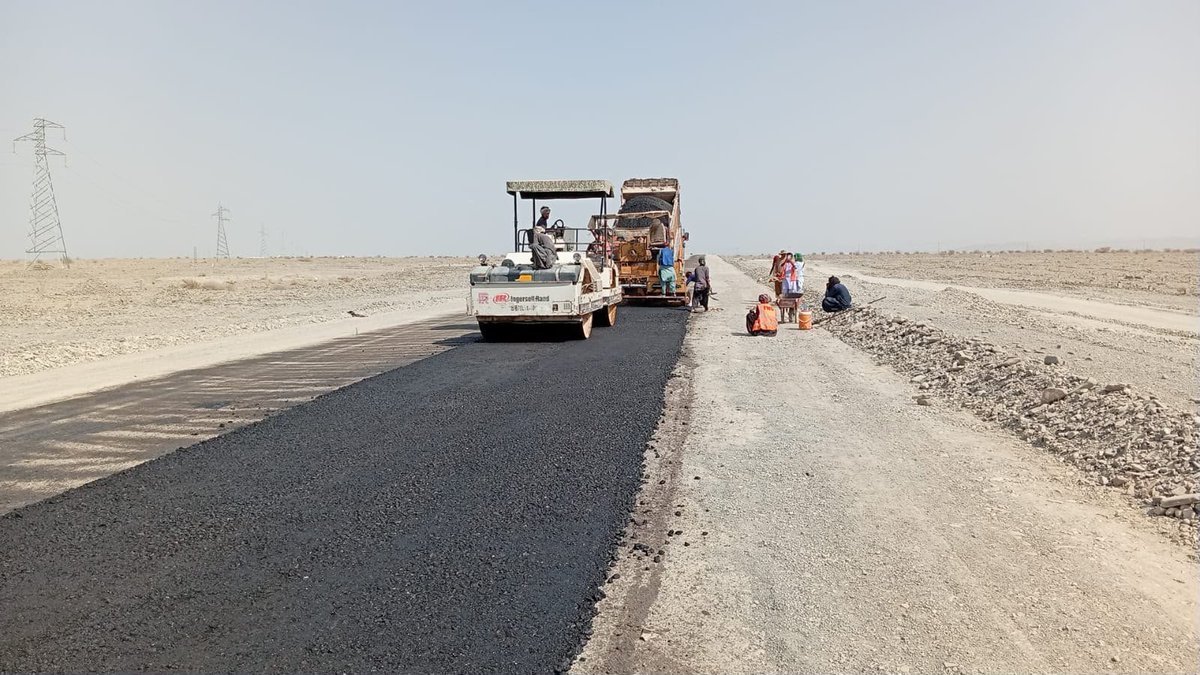
The long-standing demand of the people of Kech for the Turbat–Mand Road is finally being fulfilled, with quality work progressing on this important project. Under the leadership of @PakSarfrazbugti there will be no compromise on development & the provision of better infrastructure to the people of South Balochistan. Balochistan Government remains committed to improving connectivity & accelerating development across the province through quality road infrastructure.
#ProgressingBalochistan
Admissions Now Open
Your future begins here. Applications for our BS, AD, B.Ed, MS, and PhD programs are now open. Take the first step toward a degree, a network, and a future built on excellence.
📅 Application Deadline: September 30, 2026
#AdmissionsOpen#ApplyNow#gwadar
Attended the LUAWMS Senate meeting. Encouraging to see that the University Finance Commission, constituted during my tenure as Finance Minister in 2019, has contributed significantly to the financial stabilisation of our public sector universities, including LUAWMS. Appreciate the VC, & his team for their excellent financial management and austerity measures. On my proposal, the Governor Balochistan has agreed that the Colleges & Higher Education Department of Balochistan Govt will take the lead in conducting regular third-party financial audits of public sector universities through reputable Chartered Accountancy firms, alongside their academic audits through HEC. This will further strengthen financial management, research standards and academic quality in the universities of Balochistan.
پمز اسلام آباد کے نرسری وارڈ میں آگ لگنے کی سی سی ٹی وی فوٹیج سامنے آ گئی ہے۔ فوٹیج میں بظاہر صرف ایک نرس بچوں کو بچانے کی کوشش کرتی دکھائی دے رہی ہے، جبکہ باقی عملہ آگ بھڑکتے ہی باہر نکلتا نظر آتا ہے۔🥹
An FIR of the incident was registered at Darakhshan police station at 1:40am on Aug 21 on the complaint of a woman. The FIR offered a different version of events.
https://t.co/e10F07tjp4
Sincerely appreciate CM Balochistan @PakSarfrazbugti for the establishment of Bibi Aasia Government Girls Degree College in Buleda, in response to the longstanding demand of the people of the area. Indeed, a significant step towards providing girls of Buleda with access to higher education and creating greater opportunities for them. I am grateful to CM Sahib for his prompt action in fulfilling this commitment to the people of my constituency.