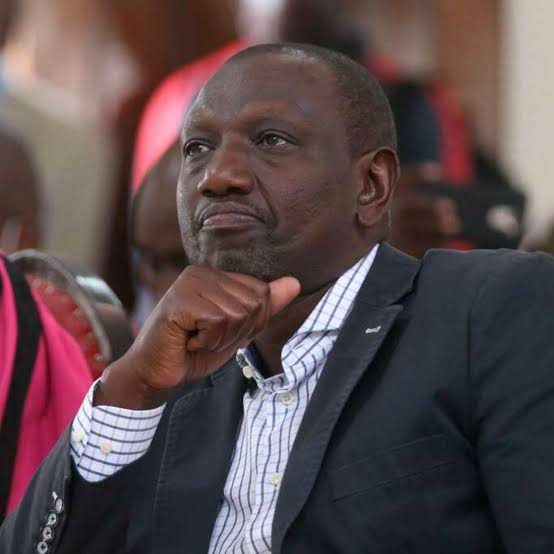
Alfred Keter told Ruto,“If you ever become president,you’ll leave Kenyans hating the Kalenjin and lumping every one of them together with your thieving image.”The man saw the mess before it even happened....
A Broke Government Never Falls Alone
Kenyans are still laughing, forwarding memes, arguing about tribes, insulting each other on X and pretending that a debt crisis is something that will only visit State House, Treasury and Parliament like a polite visitor with an appointment.
That is the stupidity broke governments love.
When a country enters a debt crisis, the government does not go down alone, because it goes down with the public, drags citizens by the neck, empties pockets, shakes banks, touches pensions, kills credit, weakens the currency and turns ordinary people into guarantors for money they never ate.
Ghana was here and citizens felt it through domestic debt exchanges, banks took pain, pension funds entered the conversation and the same public that was told borrowing was for development found itself carrying the bill.
Sri Lanka was here and citizens did not debate theory, because fuel vanished, medicine became a problem, power cuts became life, taxes went up and ordinary people paid for a debt mess cooked by leaders.
Zambia was here and the country spent years inside restructuring, IMF conditions, fiscal discipline speeches and the usual recovery language that always sounds clean until it lands on families, businesses and workers.
Argentina was here and people woke up to find that bank deposits were no longer freely theirs, because when the state panicked, citizens discovered that money inside banks can become a hostage.
Lebanon was here and depositors stared at bank balances they could not freely touch, watched the currency get crushed and learned the hard way that when government and banks rot together, citizens become the burial committee.
That is why Kenyans should stop asking why Kenya has not defaulted and start asking who is being prepared to carry the default when the music stops.
The anus cannot be stitched to stop diarrhoea.
A broke state cannot borrow recklessly, tax everything, sell public assets, starve SMEs through banks, raid workers through deductions, eye SACCO savings and then pretend the public will remain safe when the debt fire finally enters the house.
The public is the guarantor.
Not Parliament.
Not Treasury.
Not State House.
Not the tender billionaires.
Not the budget magicians.
It is the teacher with SACCO savings, the nurse with a payslip loan, the police officer with deductions, the mama mboga paying mobile money charges, the farmer waiting for credit, the boda rider paying fuel taxes and the small trader already blacklisted by banks.
Kenyans are not angry enough because many still think default means government fails, yet history says default means government transfers pain to citizens and then hires economists to give the theft a clean name.
After SACCOs, they will come for banks, M-Pesa, pensions, deposits, transaction flows and every private pool of money still breathing outside Treasury’s hands.
The government will not go down alone.
It will go down with you.
5 technologies that could reshape the world before 2040;
1. AI agents
2. Robotics
3. Fusion energy( if it becomes commercially viable)
4. Quantum computing
5. Brain- computer interfaces
Which of these do you think will have the biggest impact on everyday life?
Predicting the future isn't about guessing.
It's about noticing small trends before they become obvious to everyone else.
What trend are you watching that most people are ignoring?
What industry do you believe will be almost unrecognizable by 2035?
Mine: Education
AI tutos, personalized learning, and global access to knowledge will reshape how people learn.
What's your pick?
By the time Ruto is done with SACCOs, hundreds of thousands of Kenyans watakuwa wanajinyonga because their savings from hard wok will be gone.
Already, there are reports of retirees who are not getting their pensions because their money has been sunk into the Ruto’s petty cash kitty he called Infrastructure Fund.
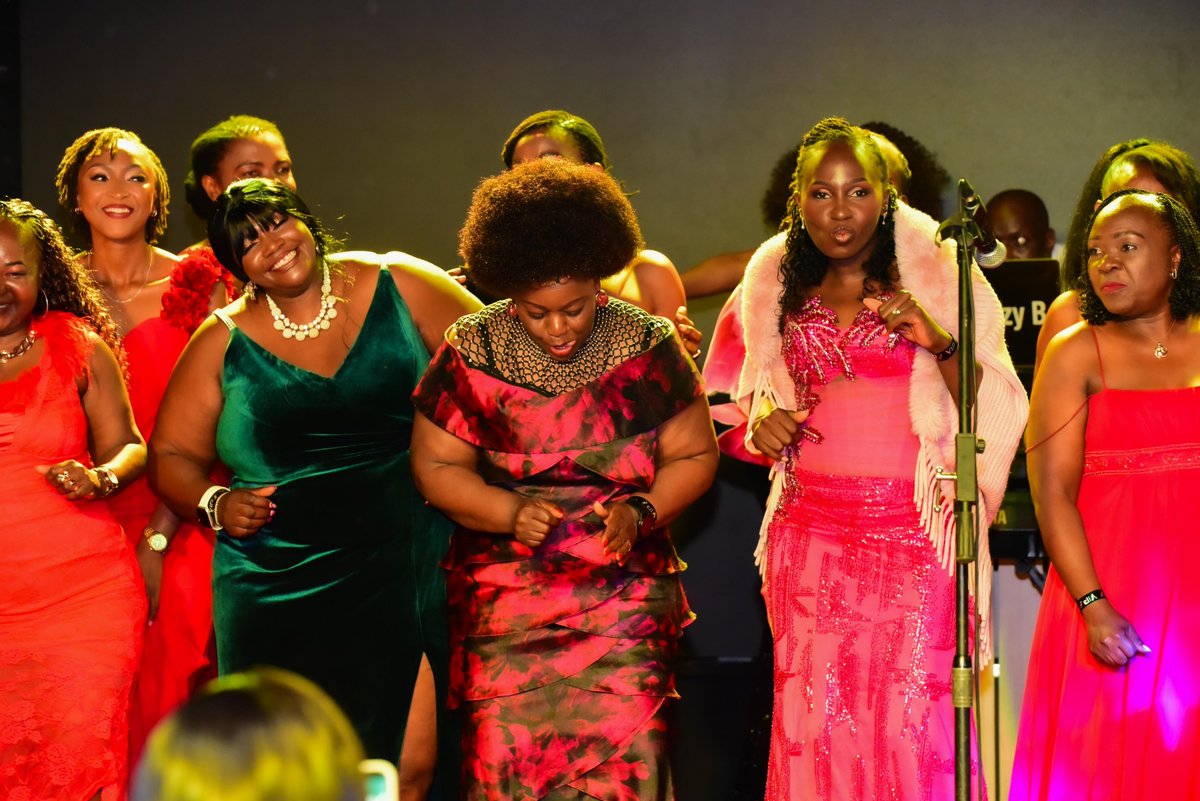
There's a particular kind of light that falls over the Nile in the evening, when the water gives back everything it has carried as gold. That was the feeling on Saturday night, as we gathered to celebrate 12 years of Queens of the Nile.
What began as a Facebook group in 2014, where women sought each other's advice on health, family, and business, has grown into a movement of over 21,000 members. Widows empowered to raise their families. Children in school. Women building businesses with new skills and steady mentorship. Scholarships bringing education within reach, so no member is left behind.
As our elders say, ber ma ok rum, a good thing is never finished. Twelve years in, this movement is still writing its story, and the best chapters are still ahead.
This is the power of community. This is what people-centred institutions look like in practice.
Thank you, Jean Ayacko, founder of Queens of the Nile, and your entire team, for giving women a lifeline, and for an electrifying night.
Here’s to the next 12 years🥂
Yesterday in Bungoma, I heard John Walukhe, a tutam supporter saying that people have to follow Didmus Barasa as he leaves the venue, sababu wako na njaa sana. He repeated that statement twice.
It got me thinking, isn’t it strange for someone who supports the government to openly admit how much citizens are struggling economically? That people have been pushed to such levels of desperation that they must ran after politicians for 200 bob, a token from billions of money that they have looted from the public health sector, education and other essential services.
That statement was an indictment of the very administration that Walukhe defends.