Si desde los 9 años supiesemos qué hay que hacer, cómo hay que moverse, en una empresa, o construyendo software, seríamos exactamente igual de buenos en eso.
Por eso la cultura, desarrollada durante generaciones, se merienda cualquier iniciativa o plan brillante. La cultura.
Es fascinante que una selección que es capaz de estar 20 minutos de reloj tocando la pelota sin plantearse mirar siquiera a la portería contraria, en el descuento de unos cuartos de Mundial que ganas por la mínima, decida tirar a puerta cada vez que tiene ocasión.
La parte más subestimada de la revolución de la IA está pasando en los laboratorios, lejos de los chatbots. AlphaFold, de DeepMind, ya predijo la estructura de más de 200 millones de proteínas, casi todas las que conoce la ciencia, un trabajo que a mano habría tomado siglos. Isomorphic Labs, la filial de Alphabet, ya firmó acuerdos con Eli Lilly y Novartis para diseñar fármacos con esa tecnología. Lo que antes tardaba una década y mil millones de dólares empieza a medirse en meses. Todo esto le da al médico y al investigador herramientas para hacer mucho más y acerca tratamientos a pacientes que hoy no tienen ninguno. El verdadero cuello de botella ya dejó de ser la biología y pasó a ser los ensayos clínicos y la burocracia regulatoria. El país que agilice esa parte sin bajar la seguridad va a curar enfermedades que hoy damos por perdidas.
🇻🇪 Google alerts saved many lives yesterday as earthquakes struck Venezuela.
The system uses crowdsourced accelerometer data from Android phones to detect initial P-waves, enabling warnings to go out seconds before the main quake hits.
Technology is amazing
Writer: Ian
📲 Segundos que pueden salvar vidas.
Tras el terremoto en Venezuela, miles de usuarios agradecieron la alerta sísmica de Google, que llegó segundos antes del movimiento y permitió a muchas personas reaccionar a tiempo.
Una muestra de cómo la tecnología bien aplicada puede marcar la diferencia en medio de una emergencia.
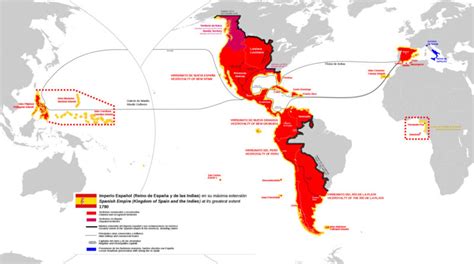
LA EMPRESA CULTURAL
MÁS GRANDE JAMÁS IMAGINADA
Todo hispano se enfrenta a un legado desbordante que debe honrar pero del que resulta imposible estar a la altura
La Hispanidad, la empresa cultural más grande jamás imaginada, impresiona
Permítanme hablarles de ella
Abro hilo 🧵
Text-to-SQL might sound like a solved problem.
Far from it. Data gets messy and complex really fast in the real world. Strong reasoning models are great, but nothing beats a custom model at this stuff. Gemini-SQL2 looks very strong here. BIRD is a tough benchmark. I suspect there are plenty of opportunities like this in KBs, search, graph databases, etc.
bueno bueno bueno
los amiguitos de Google Cloud nos van a proporcionar tokens ILIMITADOS para los participantes del hackathon de REFUGIO
VAMOSSSSSSSS!!!!!!!!!! que no sea por tokens
Master the tools to build your own grounded AI companion with the experts who use them every day. Register 💻 → https://t.co/02oKN4g1xG
Join our live AI Learning Labs for a hands-on deep dive into:
🔹 Gemini CLI & Python
🔹 Agent Grounding via Google Search
🔹 MCP Server & Agent ADK
🔹 Custom Avatar generation with Imagen
Move past the basics and build a one-of-a-kind interactive agent with real-time support from Google Developer Experts.
📅 May 27-29
Major new feature for @NotebookLM power users: in the tradition of Mind Maps, Notebook can now auto-label your sources, making it much easier to manage notebooks with many sources.
I’ve been using it for weeks and it is amazingly versatile with big notebooks. Details below.
Here’s how it works. If you have more than 5 sources in a Notebook, you’ll see a new “auto-label” button above the source list on the left side. Click on that and Notebook will review the content of all your sources and organize them into high-level categories. Each source can have multiple labels if there is overlap in the subject matter.
Once the labels have been applied, you’ll see a new tidy view of your sources where you see only the top level categories, but you can easily expand to see all the sources associated with each label. Click the three dot menu next to each to rename or delete the label. (Sources won’t be deleted.) Or add emojis to visually differentiate between labels. You can click the three dot menu next to each source to assign different labels to the source.
Having that organized label view in the source panel makes it much easier to find a specific source you’re looking for, but that’s just the beginning.
You can also focus the AI on specific categories using the selection buttons on the right hand of the source panel. Select one category and all the responses in chat will be grounded exclusively in the sources assigned to that label. This can be helpful if you’re worried about the AI getting distracted by information in other categories, and it can speed up your chat response times because there are fewer sources to load into the context.
Selecting by label is also super helpful for generating studio artifacts. If you want a podcast focused only the sources about the civil war in your American History notebook, just select that label and click the audio overview button in Studio.
Label view also greatly enhances Fast and Deep Research in a notebook with many existing sources. In the past, if one of the research agents added a batch of sources (up to 40 or 50 with Deep Research) all the sources would be scattered through your source panel alphabetically with no way to tell which ones were the new additions. But now, if all your pre-existing sources are neatly filed away in the appropriate labels, when you pull down new research sources they all appear in alphabetical list below the label categories. That makes it easy to review those new sources to see which ones you really want to keep, and you can manually select them (and de-select all the labels) to explore the new information you’ve just added to your notebook. Let’s say you want to add new information specifically about the Battle Of Gettysburg to your American History notebook—run a Fast Research query, import ten new sources, select those new unlabelled sources and hit the Slide Deck button to do a focused review of the history of Gettysburg.
Once you’ve explored those new sources, you can always hit the original auto-label button in the top left and choose “Reorganize unlabeled sources.” Notebook will automatically assign the appropriate labels to the new arrivals.
If you want to switch back to the full alphabetical list of sources, just choose “Return to list view” to return to the traditional source panel layout. Notebook will remember your labels so it's easy to switch back and forth between the two views.
The feature should be rolling out to all users over the next few days. Enjoy!
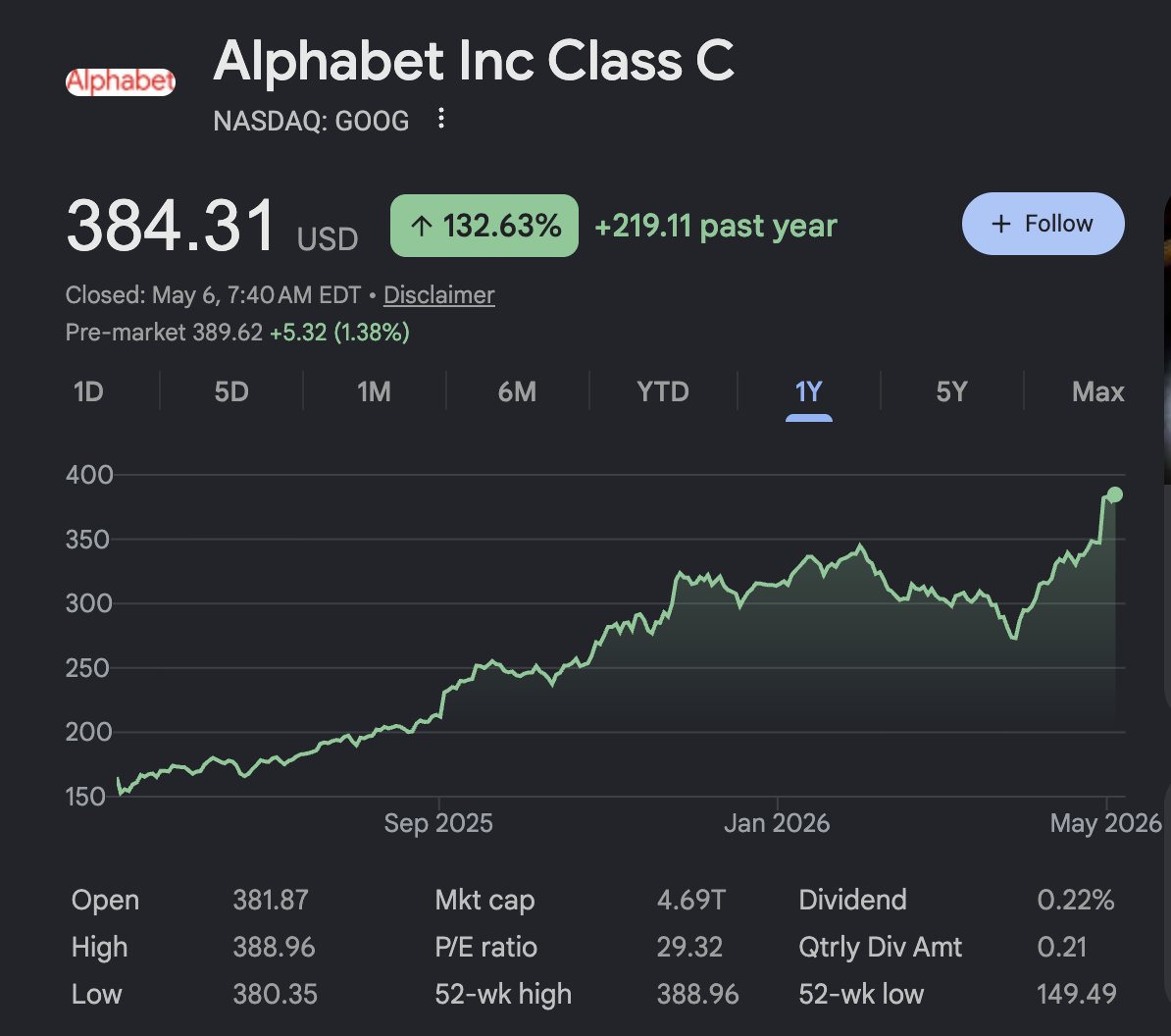
I went to Google IO last year and I remember thinking "damn, these guys have been cooking."
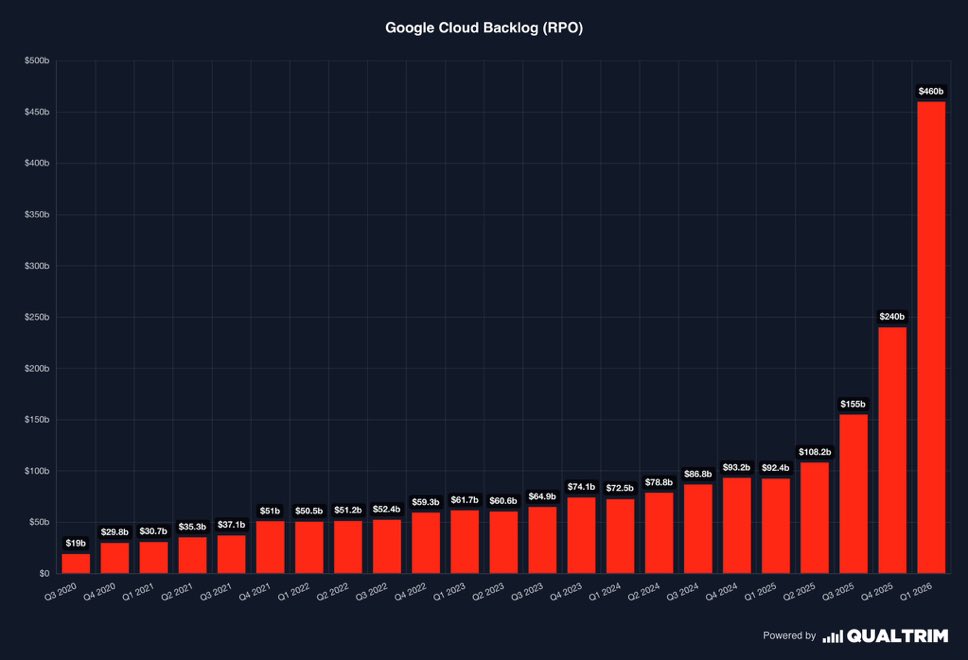
Stock is up 130% since then. They just passed Nvidia as the most valuable company in the world at almost $5 trillion. Cloud revenue hit $20B in a quarter, up 63%. AI solutions grew 800% year over year.
I think what Google got right is that they didn't panic when everyone was saying they were falling behind in AI. People literally thought their business was dead. "Google is dead." "AI will eat Google."
They had the infrastructure, the data, the distribution. They just needed time. And now it's showing up everywhere. Search, Cloud, YouTube, Waymo.
Sundar has been one of the more underrated CEOs in tech over the past two years.
I think Apple is next honestly. People have counted them out. Nope. They have the same thing Google had. Distribution. They just need to plug AI into it. I just want to see Siri become what I always imagined it could be.
Toby Stuart (Berkeley Haas) ha publicado un artículo en HBR esta semana que se titula "The Future Is Shrouded in an AI Fog".
Abre con una idea muy simple: La confianza en una visión específica del futuro es el cimiento de cualquier inversión a largo plazo.
Compras un bono a 30 años porque crees en la solvencia del emisor. Dedicas una década a hacerte radiólogo porque crees que vas a cobrar bien por esa expertise durante toda tu carrera. Inviertes en una compañía SaaS porque confías en que va a generar muchos años de ingresos recurrentes.
Pero... ¿qué pasa cuando esa visión del futuro se difumina?
La tesis de Stuart no es nueva (lleva dos años escribiendo sobre cómo la IA está erosionando los moats corporativos), pero esta vez la articula con una claridad muy potente:
La IA va a eliminar muchas formas históricas de ventaja competitiva. Y por tanto va a destruir los valores terminales de los DCF (descuentos de flujos de caja). Adiós a los múltiplos de 30x sobre free cash flow para SaaS. Es muy difícil apostar a que el stack empresarial se parezca en algo al actual dentro de una década.
Lo que esto significa en el día a día:
→ Un CEO que está firmando un contrato a 5 años con un proveedor SaaS no sabe si ese SaaS seguirá siendo necesario en 3.
→ Un junior que está eligiendo carrera no sabe qué profesiones van a sobrevivir.
→ Un fondo que está valorando una compañía no sabe qué múltiplo aplicar porque el terminal value se ha vuelto especulativo.
→ Un emprendedor que está levantando una serie A no sabe si su producto sigue teniendo sentido cuando llegue a serie C.
La niebla no es desconocer qué va a pasar. La niebla es no poder hacer apuestas con horizonte largo porque cualquier supuesto se evapora.
La economía del crecimiento ha funcionado siempre sobre asunciones de continuidad. Tres años, cinco años, diez años.
La IA está desnudando que esas asunciones eran un lujo, no una ley.
Las únicas compañías que van a poder operar bien en los próximos cinco años son las que asuman que el horizonte de planificación se ha colapsado a meses, no a años, y diseñen sistemas que respondan a eso (las empresas experimentales).
Menos planes estratégicos a tres años y más arquitectura de adaptación continua.
https://t.co/IwDVDJiEhx
You can now ask Gemini to create Docs, Sheets, Slides, PDFs, and more directly in your chat. No more copying, pasting, or reformatting, just prompt and download.
Available globally for all @GeminiApp users.