If we as designers can learn to let go — to define the outcome and not the operation — then the factories of the future might begin to approach the efficiency and resilience of the natural systems we want them to resemble. https://t.co/WPR7CotFhL
An optimal system has no responsibility to make sense to us, nevertheless we fight to understand and control every aspect of the design, limiting the complexity and speed of systems to comply with the bandwidth of human cognition. https://t.co/WPR7CotFhL
If we relinquish the desire to know explicitly in advance how each assembly operation will be performed, then we open up a whole new space for optimisation
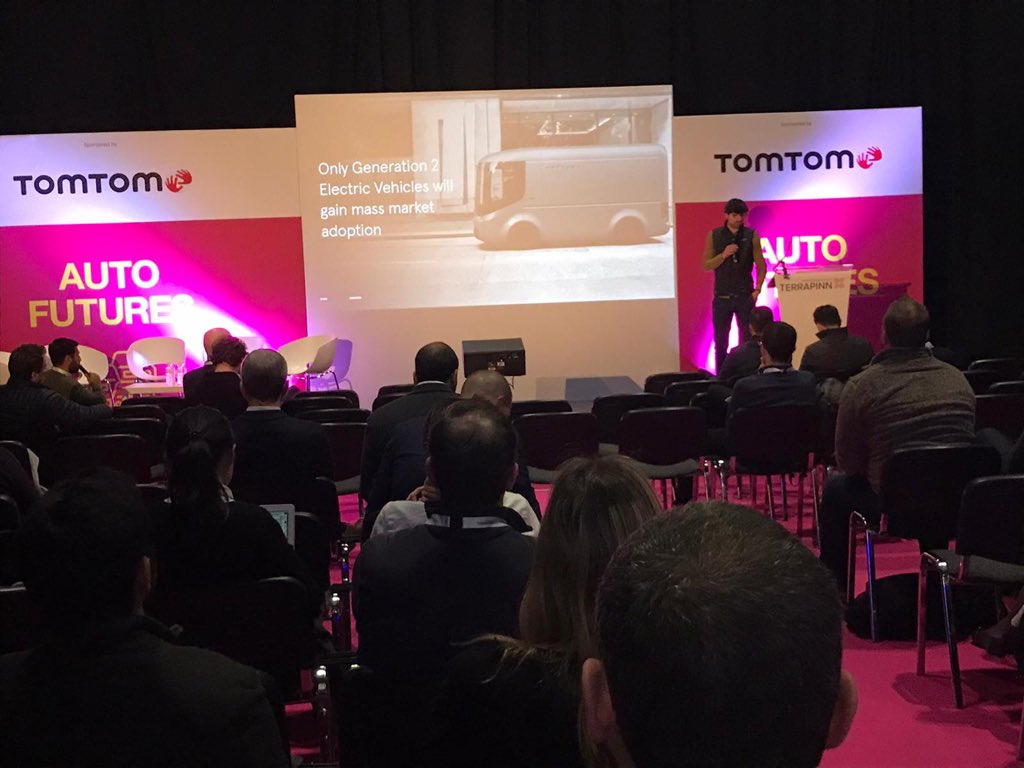
“The micro-factory concept takes a fresh look at manufacturing and natively applies modern technologies to maximise their utility from the start, rather than trying to robotize traditional production lines,” says Head of Technology Strategy at @arrival
https://t.co/YyAUyaMixI
Products will crystalise out of a solution of materials and machines in the factories of the future. Elements diffuse through a self-organising swarm as they are absorbed into assemblies. 💎🐜
The future is an exciting place to be!
"The fixed assembly line has served us well for more than a century, and yet we could unlock a new level of productivity by embracing the unpredictable nature of organic systems."
READ HERE: https://t.co/j0yO2HAJ5z
"The fixed assembly line has served us well for more than a century, and yet we could unlock a new level of productivity by embracing the unpredictable nature of organic systems."
READ HERE: https://t.co/j0yO2HAJ5z
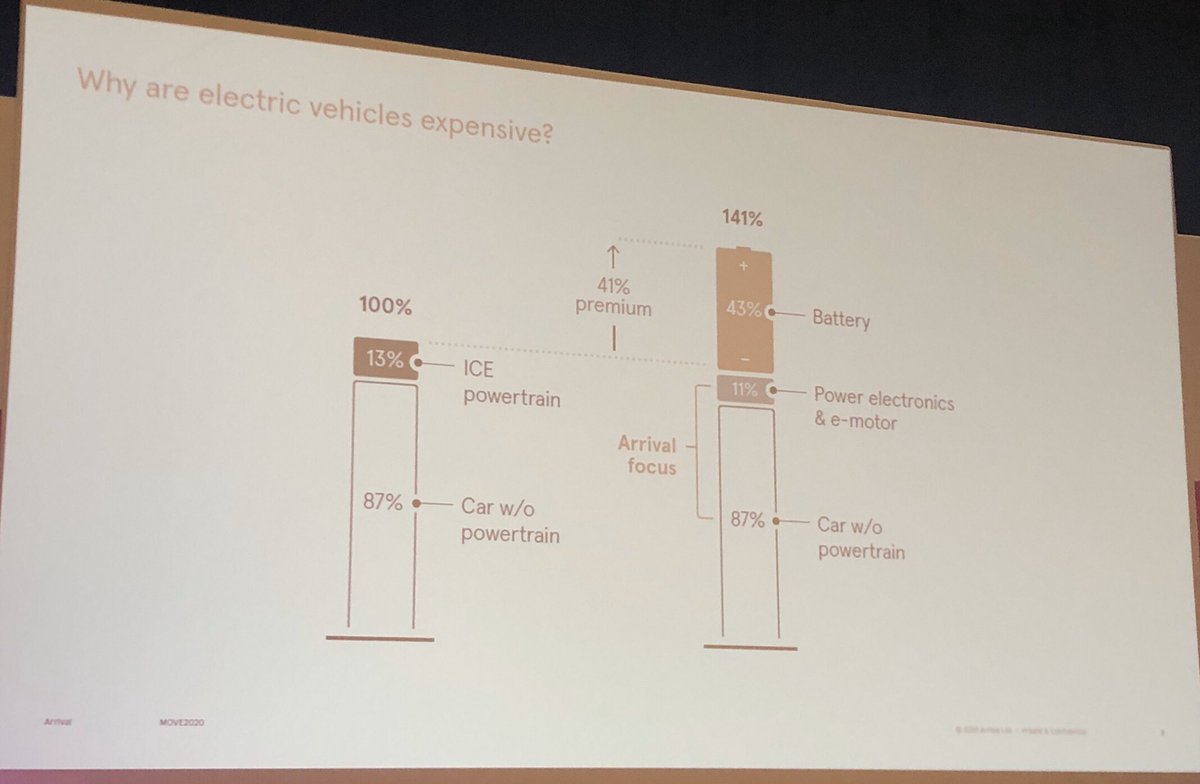
Interesting slide at #MOVE2020 from the @arrival talk comparing the cost of a traditional EV and ICE vehicle. Speaker says the end goal is to reduce the cost to its electric vans by 50%.
#Google Home Mini is fantastic but ruined by lack of a 3.5mm jack; an omission which drives sales of either @Chromecast or @amazonecho #dot https://t.co/GMiaSEos1I