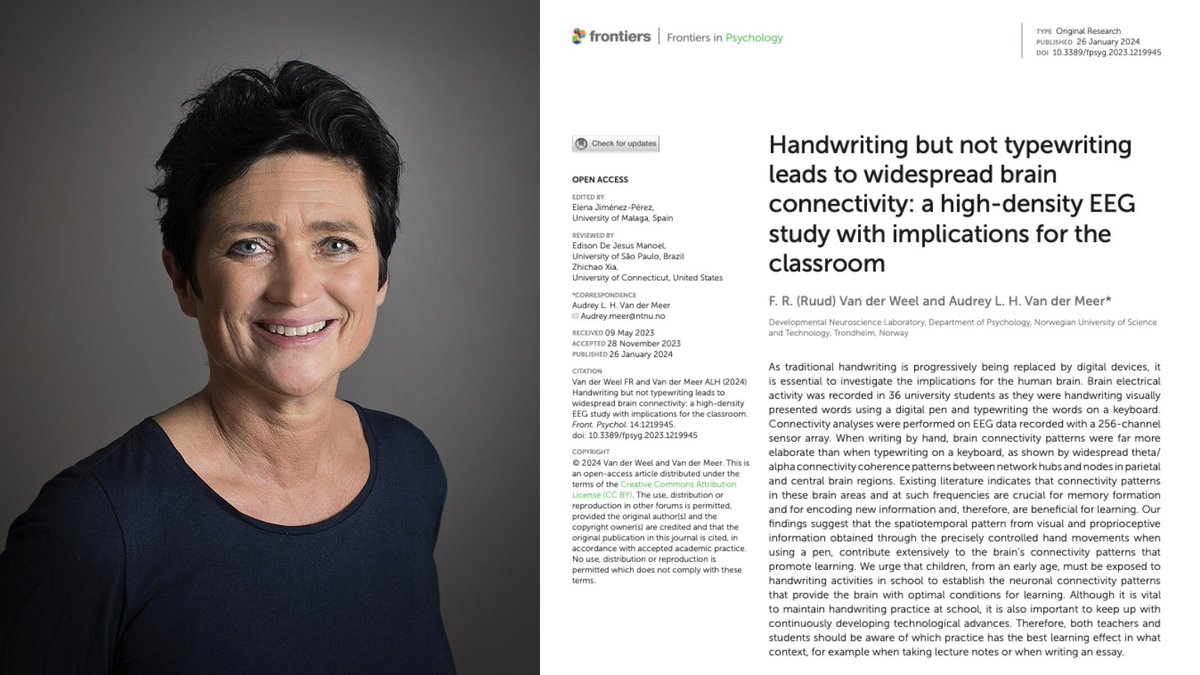
A Norwegian neuroscientist spent 20 years proving that the act of writing by hand changes the human brain in ways typing physically cannot, and almost nobody outside her field has read the paper.
Her name is Audrey van der Meer.
She runs a brain research lab in Trondheim, and the paper that closed the argument was published in 2024 in a journal called Frontiers in Psychology. The finding is brutal enough that it should have changed every classroom on Earth.
The experiment was simple. She recruited 36 university students and put each one in a cap with 256 sensors pressed against their scalp to record brain activity. Words flashed on a screen one at a time.
Sometimes the students wrote the word by hand on a touchscreen using a digital pen, and sometimes they typed the same word on a keyboard. Every neural response was recorded for the full five seconds the word stayed on screen.
Then her team looked at the part of the data most researchers had ignored for years, which is how different parts of the brain were communicating with each other during the task.
When the students wrote by hand, the brain lit up everywhere at once.
The regions responsible for memory, sensory integration, and the encoding of new information were all firing together in a coordinated pattern that spread across the entire cortex. The whole network was awake and connected.
When the same students typed the same word, that pattern collapsed almost completely.
Most of the brain went quiet, and the connections between regions that had been alive seconds earlier were nowhere to be found on the EEG.
Same word, same brain, same person, and two completely different neurological events.
The reason turned out to be something nobody had really paid attention to before her work. Writing by hand is not one motion but a sequence of thousands of tiny micro-movements coordinated with your eyes in real time, where each letter is a different shape that requires the brain to solve a slightly different spatial problem.
Your fingers, wrist, vision, and the parts of your brain that track position in space are all working together to produce one letter, then the next, then the next.
Typing throws all of that away. Every key on a keyboard requires the exact same finger motion regardless of which letter you are pressing, which means the brain has almost nothing to integrate and almost no problem to solve.
Van der Meer said it plainly in her interviews.
Pressing the same key with the same finger over and over does not stimulate the brain in any meaningful way, and she pointed out something that should scare every parent who handed their kid an iPad.
Children who learn to read and write on tablets often cannot tell letters like b and d apart, because they have never physically felt with their bodies what it takes to actually produce those letters on a page.
A decade before her, two researchers at Princeton ran the same fight using a completely different method and ended up at the same answer. Pam Mueller and Daniel Oppenheimer tested 327 students across three experiments, where half took notes on laptops with the internet disabled and half took notes by hand, before testing everyone on what they actually understood from the lectures they had watched.
The handwriting group won by a wide margin on every question that required real understanding rather than surface recall.
The reason was hiding in the transcripts of what the two groups had actually written down.
The laptop students typed almost word for word, capturing more total content but processing almost none of it as they went, while the handwriting students physically could not write fast enough to transcribe a lecture in real time, which forced them to listen carefully, decide what actually mattered, and put it in their own words on the page.
That single act of choosing what to keep was the learning itself, and the keyboard had quietly skipped the choosing and skipped the learning along with it.
Two studies. Two countries. Same answer.
Handwriting makes the brain work. Typing lets it coast.
Every note you have ever typed instead of written went into your brain through a thinner pipe. Every meeting, every book highlight, every idea you captured on your phone instead of on paper was processed at half depth.
You did not forget those things because your memory is bad. You forgot them because typing never woke the part of the brain that would have made them stick.
The fix is the thing your grandmother already knew.
Pick up a pen. Write the thing down. The slower road is the faster one.
Der Zirkus um die Tests der russischen Burewestnik-Rakete dient vor allem dem Ziel, möglichst oft das Wort „nuklear“ zu erwähnen. Von 14 bekannten Tests dieser Rakete gelangen übrigens nur 3, 11 gingen schief. Und zum aktuellen Test kennen wir nur den Bericht von Gerassimow.
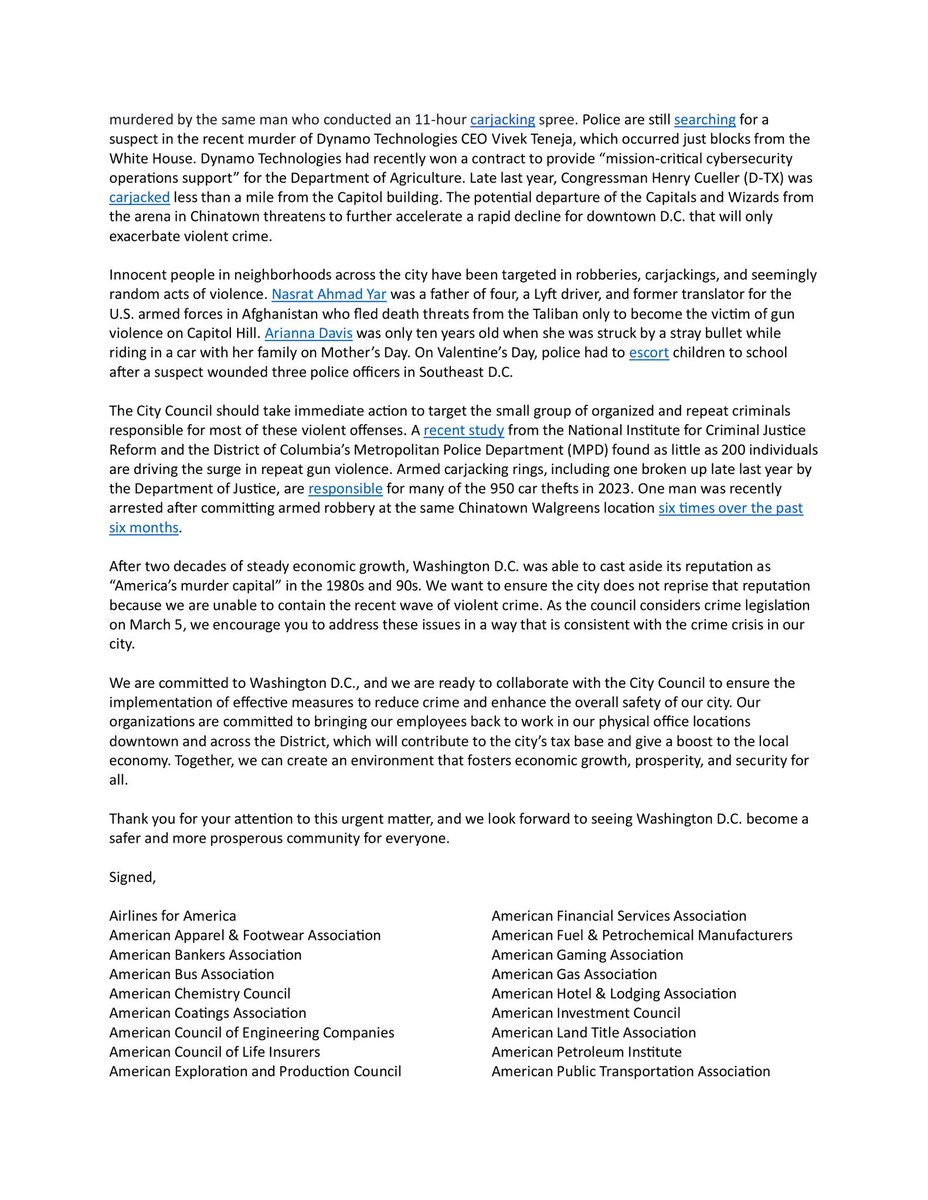
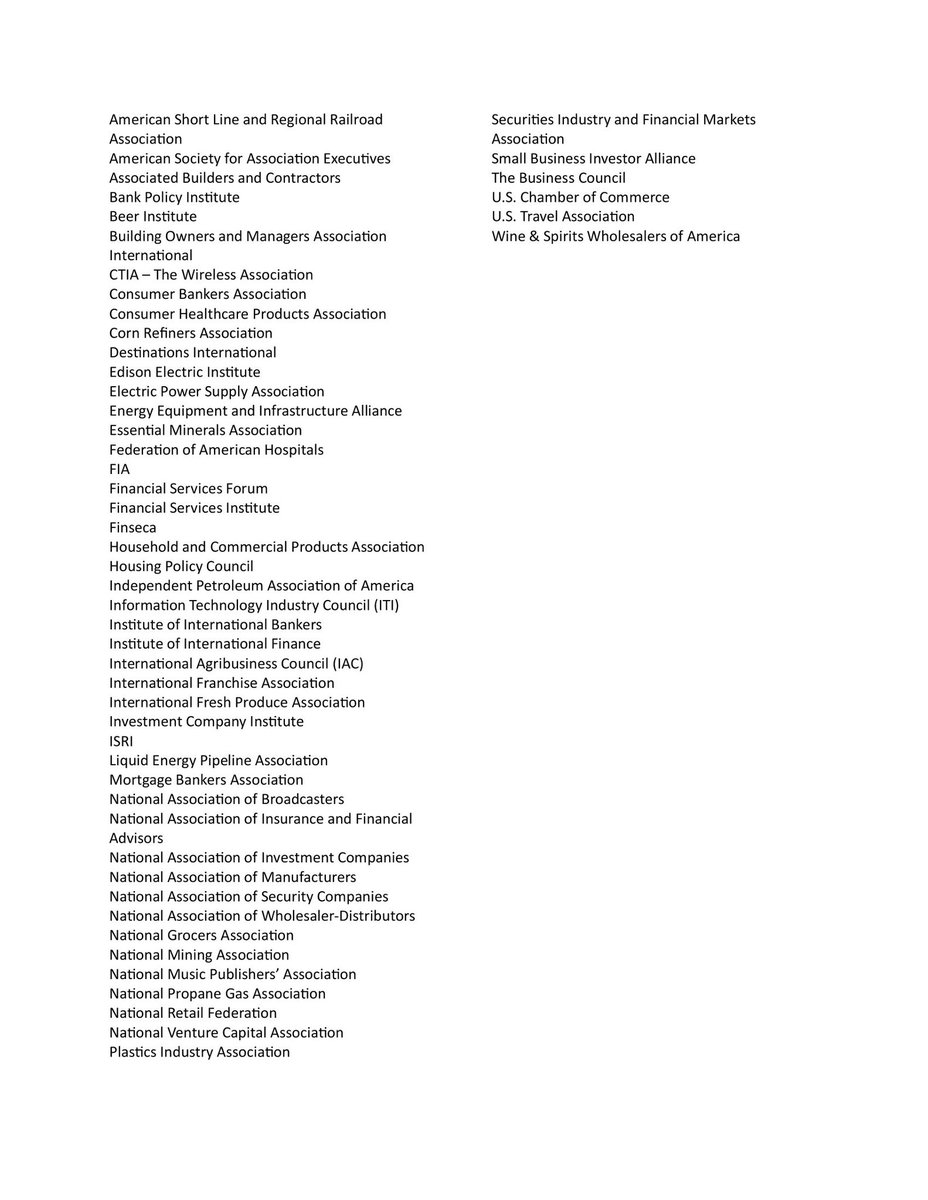
Members of Washington, D.C.’s business trade association community posted the attached letter "to express our deep concern about the alarming increase in violent crime across our city."
"As job creators, taxpayers, and dedicated contributors to the economic and social well-being of our nation’s capital, we urge the Mayor and City Council to address this pressing issue that threatens the safety and prosperity of not only our community but also our employees and their families."
"Washington, D.C., is quickly becoming a national outlier in rising crime, and the trends are alarming..." Here is the entire letter...
#DCCrime
More momentum for #SkillsFirst employment strategies: @Walmart is at work on a new degree-free message about getting hired at its corporate headquarters https://t.co/Gy1gqcMIB6 @GinniRometty#workforce
Momentum grows for #SkillsFirst: In push for workers, Minnesota ends degree requirements for most state jobs https://t.co/x18aZzxPpv via @hrdive@GinniRometty
📣 The Making Skills Count Conference was a great success!
Have you missed it live?
No worries, you can rewatch all sessions and learn more on how the EU is addressing #skills challenges.
#EuropeanYearOfSkills
↓
I was honored to meet with Romanian Prime Minister @CiolacuMarcel on behalf of @IBM this week in Bucharest 🇷🇴. Important exchange on growing RO-US ties & boosting regional #resilience & competitiveness through investments in #AI, #quantum, #cloud, #digitalization & #Skills.
With increasing focus on how tech will transform industries, IBM remains committed to helping Americans get the #skills needed to work alongside new tech like #AI. Read our Technology #Workforce Playbook for IBM’s best practices and policy recommendations https://t.co/TwBOJTA7OE
Good to see efforts in my home state to accelerate #SkillsFirst hiring. #IBM pleased to be a leader in the employer community. Opinion: Hire for skills, not the diploma https://t.co/8joIyk1ruJ via @coloradosun#workforce
A privilege to join my co-chair Tam Nguyen from Bechtel in leading a productive meeting, bringing global developments in labor and employment, and corporate responsibility to US business leaders. Strong business engagement essential in multilateral processes - ILO, EU, UN, etc.
🎉USCIB's Corporate Responsibility & Labor Affairs Committee wrapped up a succesful mtg after 2 days of insightful conversations with high level speakers. Thank you to all speakers & members incl our esteemed co-chair David Barnes @dnbglobal@IBMpolicy#CSR#Labor
A moving ceremony this morning at the WW1 memorial in Washington DC for #AnzacDay2023 . Like dignitaries @AmboRudd and Gen. Milley, I wore my RM Williams boots.
Great to have the US Chairman of @thejointstaff, General Mark Milley, at our #ANZACDay dawn ceremony here in Washington today. Hundreds of locals in attendance. Just as impressive are the General’s pair of RM Williams boots. Same as my own regulation issue.
#SkillsFirst recruitment makes business sense and creates opportunities for more Americans: Stop requiring college degrees for jobs that don’t need them https://t.co/qEBRElKjmO via @voxdotcom