Although it is well established that psychiatric symptoms often occur secondary to SLE, only one of the eleven patients with comorbid SLE in this cohort met the current criteria for even a possible autoimmune psychiatric disorder. CSF-NfL appears to be a more sensitive tool.
Preselection based on suspected immunologica or autoimmune psychiatric disease identifies a population with a high prevalence of CSF alterations suggesting CNS pathology.
https://t.co/J1fLHgJaog
Severely ill patients are an underrepresented group in clinical studies, increases the clinical relevance of the results. Clinical features such as catatonia, infectious prodrome and comorbid autoimmunity are linked to CSF findings and motivate CSF investigations.
Elevated CNS damage markers were associated with different red flags: NfL with comorbid autoimmunity and affective dysregulation, t-Tau with catatonia and higher ratings of agitation/hyperactivity. GFAP with acute onset and infectious prodrome.
Our understanding of the mechanisms for NMDAR encephalitis deepens! "..dysfunction is extrasynaptic, and that the synaptic effects are secondary.... ... imply that clinical manifestations may be secondary to the disruption of other NMDAR-co-localizing proteins."
Hope you enjoy our @Brain1878 editorial which reflects on the provocative, and plausible, concept that autoantibodies do not primarily act at the synapse. https://t.co/ZnximGEdJb
We are pleased to share the recorded presentations from @TheAlexManfullFund symposium, which includes those by #expandSMAB members @Doc_Cunningham on adult clinical immunopsychiatry, & Prof. Herb Lachman & Prof. Peter van der Spek on PANS Candidate Genes. https://t.co/U8qQkPYCAP
Do you know differences between catalepsy versus waxy flexibility which may occur together as signs of catatonia? Two of the coolest and most mysterious signs which may be associated with catatonia.
Catalepsy think muscular rigidity and fixity of posture; you may give external stimulation and it may not matter; they may be surprisingly not responsive to pain.
Now when the rigidity spills into a situation where the extremity when moved by an examiner ends up staying in the same position folks sometimes refer to that as waxy flexibility. The tendency is to remain in an immobile posture. Folks have referred to it as repositioning an arm or leg as like a warm candle that can be shaped. Typically there is resistance to movement.
https://t.co/VIpEnhXkIj
Can you name all the features associated with catatonia and the current diagnostic criteria. I bet you that most of you cannot and will need to read the new review in @NEJM which rightly points out that catatonia has been 'well described but is poorly understood and that many physicians incorrectly believe that catatonia is a rare form of schizophrenia, with bizarre abnormalities of motor behavior.' Catatonia may 'linger in the shadow of delirium.'
Key points:
- Diagnosis is often missed.
- Frequently a person with catatonia may be inappropriately treated.
- DSM-5 removed catatonia as a subtype of schizophrenia.
- In emergency department presents as failure to respond to questioning (mutism) and very little spontaneous movement (stupor).
- Look for underlying causes and medical as well as psychiatric conditions.
- Anti–N-methyl-d-aspartate (NMDA) receptor encephalitis may cause acute catatonia before progressing to encephalopathy or seizures.
- Look for metabolic disorders and focal cerebral lesions.
- Medications prescribed or illicit may be the cause and could present during withdrawal.
- The less severe forms of catatonia have been described such as elective mutism (refusal to speak) or ambitendency (indecisive, hesitant movements due to conflicting goals).
- Depression, bipolar disorder, schizophrenia, or autism spectrum disorder may present with staring, mutism, immobility, or stereotypies. https://t.co/YztTTMZzy7
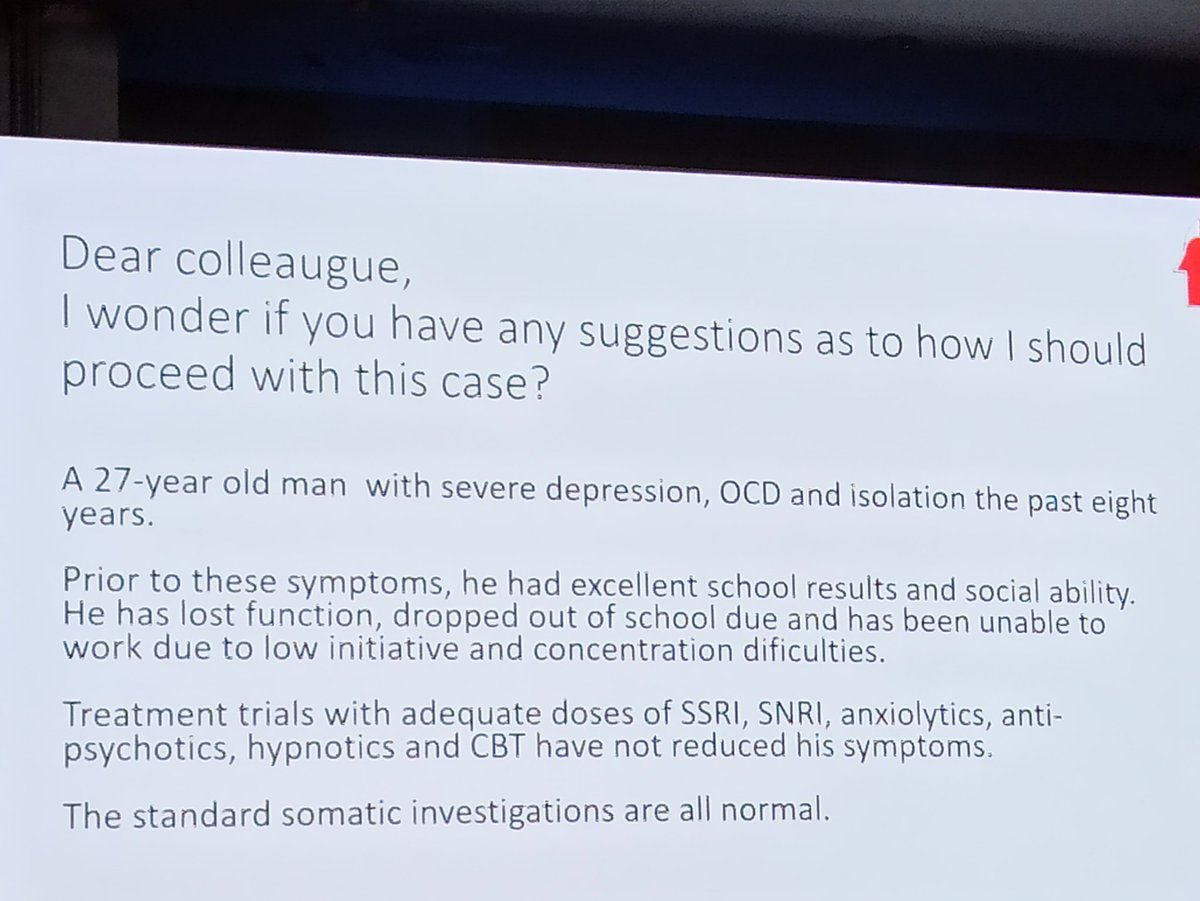
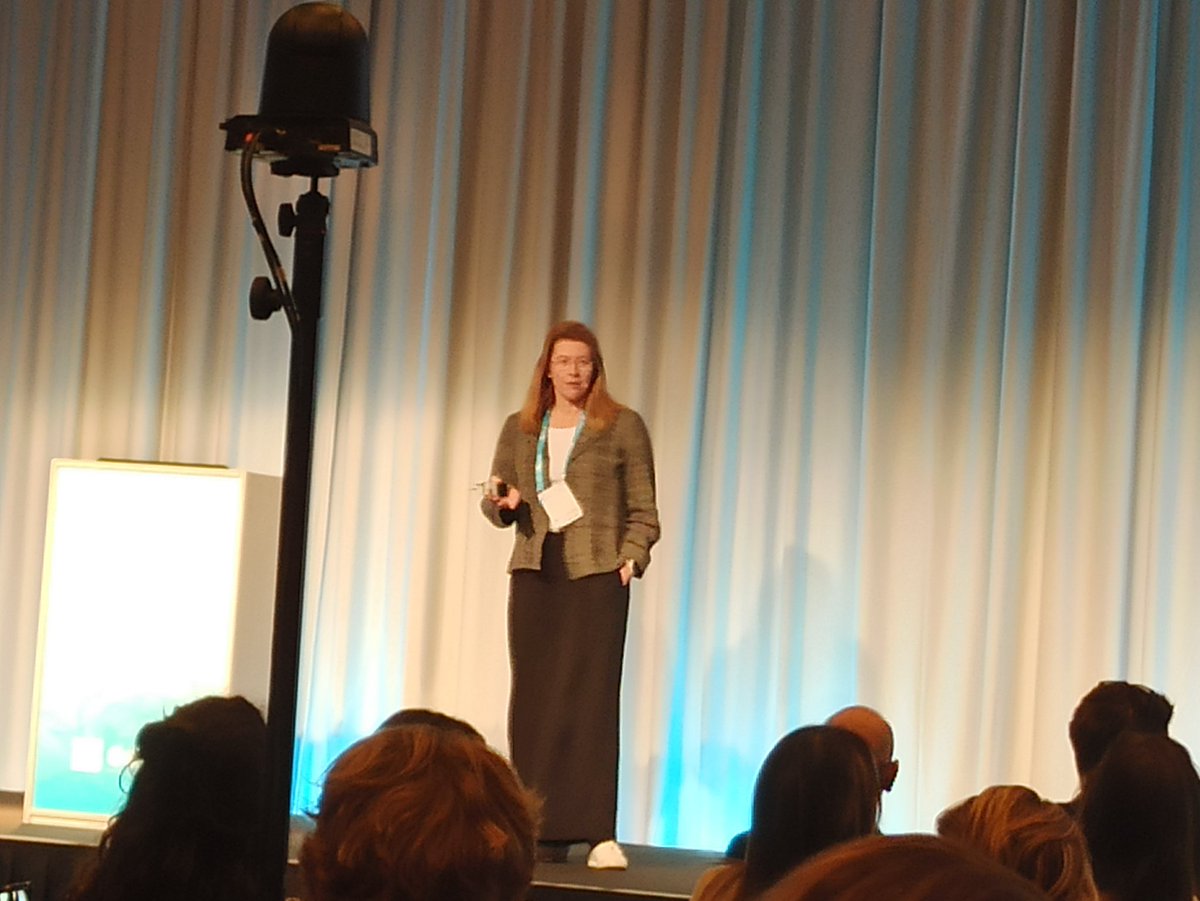
Last but not least, @Doc_Cunningham switches gears and focuses on the autoimmune side of brain-immune crosstalk. How to spot, diagnose & treat autoimmune disorders in treatment resistant psychiatric patients? Great selection of speakers for this session at #ECNP2023@ECNPtweets
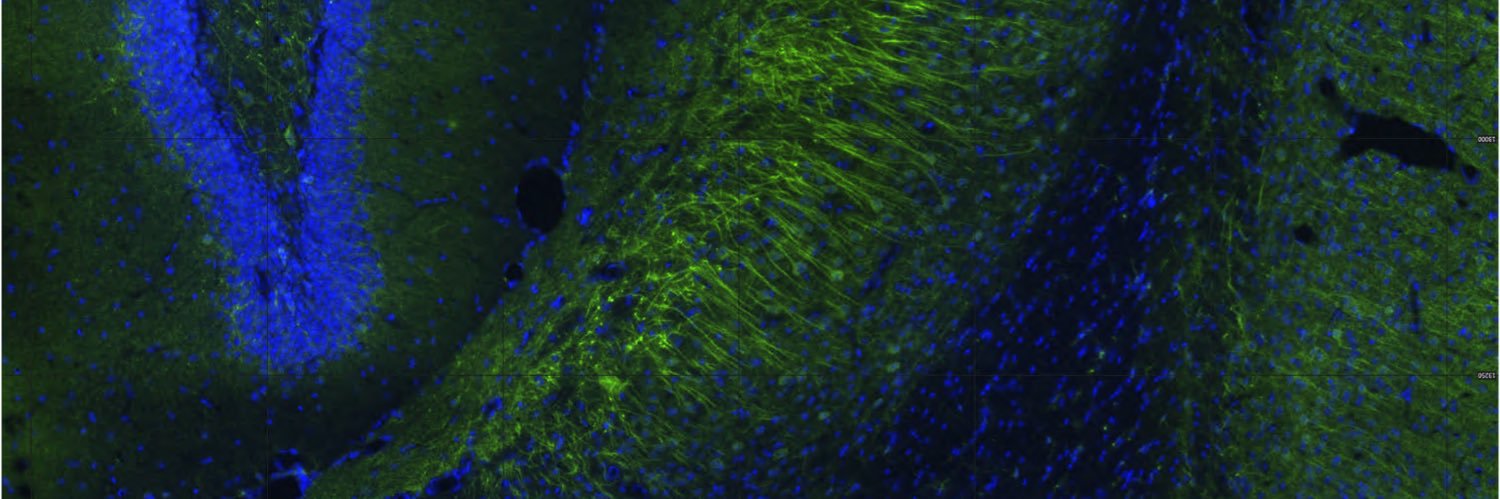
I was just going to quickly check patient derived CSF IgG staining patterns against this atlas and emerged 5 hours later with several ideas - such a great tool! I only wish the colours in the images were clickable.
Introducing the Allen Brain Cell (ABC) Atlas [ʙᴇᴛᴀ] representing ~5,200 newly transcriptomic-defined cell types and their spatial locations across the whole mouse brain. 🧵
Access ABC Atlas data visualization & pre-publication #openscience datasets: https://t.co/7ogBtSMb14