DR. JOHN H. KEEFE attended Oral Roberts University and his chiropractic training at Cleveland Chiropractic College in Kansas City MO. graduating in 1976.
The Neck: A Hidden Key to Headaches, Arm Symptoms, Energy and Long-Term Health
June 04, 2026
Overview· The neck protects the spinal cord, supports the head, carries important nerves and blood vessels, and influences posture, balance and movement.· Subluxations, loss of the normal cervical curve, disc degeneration and arthritic changes can contribute to pain, headaches, stiffness, dizziness, and arm or hand symptoms.· Upper neck dysfunction can refer pain into the head, behind the eyes, and into areas that may be mistaken for sinus or ear problems.· Mid-to-lower neck nerve irritation can affect the shoulders, arms, elbows, wrists and hands, producing pain, numbness, tingling or weakness.· Whiplash injuries can occur even when pain is not immediate after a car accident.· A person may feel “fine” after a collision and develop serious neck, headache or arm symptoms years later as injured spinal tissues degenerate.· Every person involved in a car accident should have a chiropractic spinal examination, even when there is little or no immediate pain.The neck is one of the most important and most frequently overlooked areas of the body.
Read full article here: https://t.co/o8LeHuyhqf
Soaking strawberries
Soaking strawberries in diluted vinegar can reduce some pesticide residue, and a recent review of 47 peer-reviewed studies found that vinegar/acetic acid and baking soda soaks reduced pesticide residues somewhat more than water washing on average. However, no washing method removes every pesticide, especially chemicals that have penetrated into the fruit rather than remaining on the surface.
For strawberries, a short vinegar soak is a reasonable practical approach because they are delicate and cannot be scrubbed.
https://t.co/WaAvSJHcL9
Breaking the Code of Disease
Stop Managing Symptoms. Start Looking for the Cause.
Many people are given medication to help control these symptoms. Sometimes that relief is necessary. But an important question still needs to be asked:
What is causing the body to malfunction in the first place?
A symptom is often the body’s alarm signal. Turning down the alarm does not necessarily correct the underlying problem.
https://t.co/34L3fjZVpy
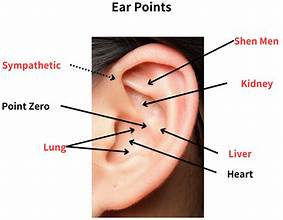
Alpha-Gal Syndrome and Auricular Therapy: A Promising Three-Week Treatment Approach
What Is Alpha-Gal Syndrome?
Alpha-gal syndrome, often called red meat allergy or tick-bite meat allergy, is an allergic condition in which the immune system reacts to a sugar molecule called galactose-α-1,3-galactose, commonly called alpha-gal.
Alpha-gal is found in most mammals, including cows, pigs, sheep, deer, and rabbits, but not in humans. In the United States, alpha-gal syndrome is most often associated with the bite of the lone star tick.
Unlike many food allergies, alpha-gal reactions are often delayed. A person may eat beef, pork, lamb, venison, dairy, gelatin, or another mammal-derived product and not develop symptoms until several hours later.
https://t.co/3NnQBOdvT2
Why Sugar Cravings May Not Go Away Just Because Sweets Are Cut Out
Sweet Taste Is Not the Same as Sugar Overload
One of the most important points in the article is that sweet taste and harmful sugar intake are not always the same thing. Fruit can taste sweet and still be part of a healthy diet. Dairy can also have natural sweetness and still provide nutritional value. On the other hand, many processed foods may not taste extremely sweet yet still contain high amounts of added sugar and refined ingredients.
That distinction is important. A person can cut out obviously sweet desserts and still be consuming a diet that drives cravings through blood sugar instability, nutrient deficiency, poor meal structure, and heavy use of processed foods. That is one reason cravings often continue even when sweets are reduced.
https://t.co/dAJooUoS8F
Cholesterol-Lowering Drugs and the Nervous System: Why Caution and Individualized Monitoring Matter
Cholesterol Is Not Merely a Substance to Be Lowered
For many years, cholesterol has been presented almost exclusively as a cardiovascular danger. Certainly, abnormal lipid patterns can be associated with cardiovascular disease. However, cholesterol is not simply a harmful material waiting to clog an artery. It is a necessary substance required throughout the body.
The nervous system has an especially important need for cholesterol. The brain contains a large portion of the body’s total cholesterol because cholesterol is required for cell membranes, synaptic communication, and myelin.
Myelin is the fatty insulating sheath wrapped around many nerve fibers. It helps nerve impulses travel rapidly and efficiently. In the central nervous system, including the brain and spinal cord, myelin is produced by oligodendrocytes. In the peripheral nervous system, myelin is produced by Schwann cells.
https://t.co/p0FtIIthHy
Are Our Crops Growing Faster Than Their Nutritional Value?
Modern farming has become very effective at growing large amounts of food. Artificial fertilizers, especially those containing nitrogen, phosphorus, and potassium, can help crops grow rapidly and produce higher yields.
That is not automatically a bad thing. A growing population needs an abundant food supply. The concern is that a crop can grow well and look healthy while not necessarily containing the optimum level of minerals and protective nutrients needed for human health.
https://t.co/kIeiOlFa2a
Pam Bondi’s Diagnosis Brings Attention to Thyroid Cancer: Why the Prognosis Is Often Very Good
A Public Diagnosis Draws Attention to Thyroid Cancer
Former Attorney General Pam Bondi, age 60, was reportedly diagnosed with thyroid cancer after leaving the Department of Justice and has undergone treatment. Reports state that she is recovering.
No public details have been released regarding her exact type of thyroid cancer or its stage. Those details matter because thyroid cancer is not a single disease. Some thyroid cancers are slow-growing and highly treatable, while a small minority are much more aggressive.
The news does, however, bring attention to a cancer that often has an excellent prognosis when properly identified and treated.
https://t.co/MujncBYHk6
Brain fog
Brain fog is a symptom, not a diagnosis. It usually means the brain is not getting what it needs for clear thinking, memory, focus, processing speed, or mental energy.
Common Causes of Brain Fog
1. Blood Sugar Imbalance
This is one of the most common causes. A person may feel foggy if blood sugar is too low, too high, or swinging up and down during the day. Mid-afternoon brain fog often comes from a poor breakfast, skipped meals, too many refined carbs, or weak protein intake.
https://t.co/lQotAvDUSz
Heart Disease Risk in Women Projected to Rise Sharply by 2050
A new report from the American Heart Association is warning that women’s cardiovascular risk may rise sharply by 2050. Researchers estimate that more than 59% of women may have high blood pressure, over 25% may have diabetes, and more than 61% may be classified as obese. As these risk factors increase, cardiovascular disease and stroke among women are projected to rise from 10.7% to 14.4%.
This matters because heart disease kills more women than all cancers combined. Doctors are also seeing more women under age 55 hospitalized for heart attacks, and younger women may be more likely than men to die after their first heart attack.
https://t.co/8TRmgky4NB
Butter, Beef Tallow, and the Real-Food Fat Debate
The debate over butter and beef tallow is heating up again. A recent Fox News article reported that the 2025–2030 Dietary Guidelines for Americans and the American Heart Association agree on many basics, such as eating real food, avoiding ultra-processed foods, and reducing refined grains and added sugars. But they differ in how they talk about traditional animal fats like butter and beef tallow.
The new federal dietary guidelines state: “When cooking with or adding fats to meals, prioritize oils with essential fatty acids, such as olive oil. Other options can include butter or beef tallow.” They also continue to recommend keeping saturated fat below 10% of total daily calories.
The American Heart Association responded more cautiously, encouraging people to prioritize plant-based proteins, seafood, and lean meats while limiting high-fat animal products, including red meat, butter, lard, and tallow, because of cardiovascular-risk concerns.
So who is right?
https://t.co/M17WMadELF
Andes Virus and Cruise Ship Deaths: What Patients Should Know
A recent hantavirus outbreak connected to the MV Hondius cruise ship has drawn international attention. Health officials were notified on May 2, 2026, after several passengers developed severe respiratory illness. Early WHO reports described confirmed and suspected hantavirus cases, including deaths, and later European updates identified the strain as Andes hantavirus.
https://t.co/0KFARnAShQ
Light Exposure and Brain Function: Why Better Light May Help the Mind Work Better
Overview
Light exposure affects more than vision.
Bright light during the day can help improve alertness, mood, hormone rhythm, and certain types of cognitive performance.
Research suggests light exposure affects the hypothalamus, which helps regulate sleep, hormones, temperature, appetite, and the body’s internal clock.
Morning and daytime light help set the circadian rhythm.
Red and near-infrared light may support mitochondrial energy production.
Blue light at night can interfere with melatonin and sleep quality.
Full-spectrum or daylight bulbs may help indoor environments feel brighter and more natural, especially in offices, treatment rooms, work areas, kitchens, and darker rooms.
A recent article reviewed research from the University of Liège in Belgium looking at how different levels of light exposure affect brain function. The study found that higher light exposure was associated with better performance on executive-function tasks and that light intensity affected activity in different regions of the hypothalamus.
https://t.co/YLVCXrAHEI
Goiters and Goitrogenic Foods: Who Really Needs to Be Careful?
What Is a Goiter?
A goiter is an enlargement of the thyroid gland. The thyroid sits in the front of the neck and helps regulate metabolism, energy, body temperature, heart rate, digestion, and many other functions.
The thyroid needs iodine to make the hormones T4 and T3. When the thyroid cannot make enough hormone, the brain may increase TSH, or thyroid-stimulating hormone. TSH tells the thyroid to work harder. If that stimulation continues over time, the thyroid may enlarge, leading to a goiter.
https://t.co/RBhzOoi28C
Not All Movement Is Equal: Why Vigorous Exercise Can Deliver More Health Impact in Less Time
Overview
New research suggests one minute of vigorous exercise may provide the same disease-risk reduction as roughly four to nine minutes of moderate activity, depending on the health outcome.
Vigorous exercise appears especially powerful for cardiovascular health and blood sugar regulation.
Light activity is still beneficial, but it may take much longer to match the effect of a short burst of vigorous movement.
More intense exercise is not always better. Benefits appear strongest up to about 75 minutes per week of vigorous activity.
Excessive high-intensity endurance training may increase risk of heart rhythm problems, including atrial fibrillation.
Moderate movement such as walking, gardening, recreational cycling, yoga, swimming, and casual sports continues to provide steady health benefits.
A balanced routine should include daily walking, moderate movement, brief strength training, and limited vigorous intervals.
The goal is not exhaustion. The goal is consistent movement, proper recovery, and long-term health.
https://t.co/urdTy6XzSy
Vaping Is Not Harmless
Vaping is often marketed as a safer alternative to smoking, but “safer” does not mean safe. Vape aerosol is not just water vapor. It may contain nicotine, chemical solvents, flavoring agents, ultrafine particles, heavy metals, and other substances the lungs were never designed to breathe.
The original article notes concerns about nicotine, formaldehyde, acrolein, diacetyl, nickel, tin, lead, and other toxic exposures found in some vaping products. Nicotine is also highly addictive. It affects the brain’s reward pathways and can make quitting difficult, especially for teens and young adults whose brains are still developing.
Persistent coughing, unusual mucus, shortness of breath, chest pain, wheezing, or coughing up blood should never be ignored. Quitting vaping is not just a matter of willpower. The nervous system, blood sugar, adrenal stress response, and neurotransmitter balance may all be involved. Supporting neurotransmitter balance through nutrition can help reduce cravings and improve emotional stability during the quitting process.
Helpful nutritional support may include protein, B vitamins, magnesium, vitamin C, vitamin A, zinc, omega-3 fats, and antioxidant-rich foods. Chiropractic adjustmentsmay also help by reducing nerve stress and improving communication between the brain and body. Since the nervous system helps regulate stress, sleep, mood, breathing, and self-control,keeping the spine functioning well can be an important part of helping the body recover. The safest choice is simple: do not start vaping. If already vaping, stop as soon as possible and support the body while doing it.
Rotavirus Is Spiking Again: Why This Stomach Bug Hits So Hard and What Helps Support Recovery
April 24, 2026
Bullet-Point Overview
Rotavirus is a highly contagious digestive virus that can cause severe diarrhea, vomiting, fever, and stomach pain.
It spreads easily through the fecal-oral route, including contaminated hands, toys, and shared surfaces.
Infants, young children, the elderly, and people with weakened immune systems are at greater risk for dehydration and more severe illness.
Doctors report that current rotavirus activity is running high, with positive test rates exceeding last year’s peak.
The biggest danger is not just the infection itself, but the dehydration and electrolyte loss that can follow.
A Digestive Virus That Can Turn Serious Fast
A lot of people hear “stomach bug” and think of something minor that just has to run its course. Rotavirus can be very different. This virus can hit hard and spread quickly, especially in homes, daycares, schools, nursing homes, and anywhere people are sharing bathrooms, toys, surfaces, or close contact. According to the article provided, rotavirus is surging again in the U.S., and the percentage of positive tests has been running above last year’s peak.
https://t.co/r4kzkzhFty