I'm Jeff Love, CTO of the Professional Rodeo Cowboys Association. My work brings together rodeo, technology and business leadership, with a focus on modernizing systems, applying AI and supporting the people who keep the sport running.
In Event Lab, my personal paper-research platform, I built an AI fund-mapping proposal flow with human approval. An approved mapping applies only to future signals, never the move that prompted it. That keeps hindsight out of the experiment.
Before comparing two AI-generated revenue figures, pin down the table snapshot, metric-definition version and filters. Otherwise, agreement can be misleading and disagreement can be impossible to explain.
Two AI assistants. One Iceberg table. Two different answers to “net revenue last quarter.” No errors, no alerts; both look right. Who checks? Our write-up on the idea behind OVL, what we still don’t know, and a 10-minute audit for your stack. https://t.co/7pFfOnstzS
@mardehaym How did you validate rules recovered from production data against what the business actually intended? The shipper/carrier cost split is a good example where reproducing existing behavior and preserving the right behavior may be different tasks.
In June’s PRCA Knowledge Engine testing, an aborted run was classified as Failed and a narrative-only plan as Planned. Neither counted as proven improvement. The report still required human review before closure.
As of Oct. 9, my Knowledge Engine tracked 107 reported gaps: 17 closed with proof, 42 rejected and 48 in flight. A person approves a fix, an agent implements it on a branch, and retrieval is remeasured before closure.
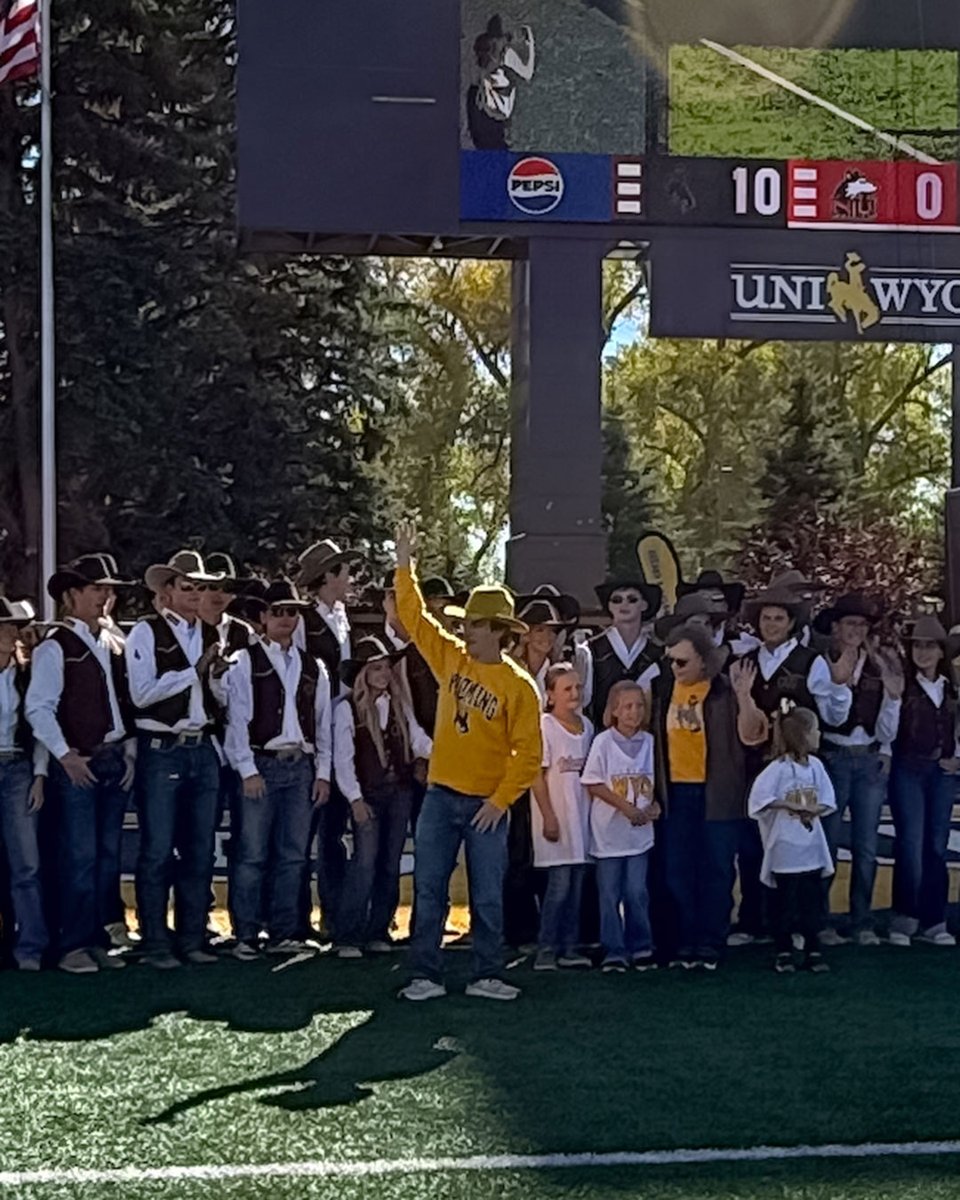
Thanks to the University of Wyoming for welcoming PRORODEO and bareback rider Cooper Filipek to War Memorial Stadium on Saturday!
@wyoathletics@wyo_football
I tested a confidence-score boost in my Knowledge Engine on 65 queries using blind AI relevance grading. Ranking got worse on 44, so I didn’t ship it. A different change measured better and went in instead.
@pauliusztin_ In Event Lab, my paper-research system, approved fund mappings apply only to future signals. They can’t rewrite the move that prompted them. For me, changing a rule and preserving why an earlier decision was made are separate jobs.
The smaller the number, the higher the honor when it comes to back numbers at the 2026 Wrangler National Finals Rodeo presented by Tractor Supply Company.
Visit https://t.co/Xq7aTmvBrF for the full list ....
@ChoctawCasinos@TractorSupply@WranglerNetwork
Our Secretary System rewrite taught me to involve the people doing the work before deciding what to build. For AI-assisted migration, I’d turn their real workflows and exceptions into acceptance tests before trusting a successful code translation.
Our latest model advances bring stronger capabilities for building and migrating software in low-resource programming languages such as COBOL, Fortran, and Visual Basic.
These languages power software that banks, governments, and businesses depend on. Progress here means understanding decades of business logic and helping developers modernize those systems while preserving what works.
We’re building these capabilities around the challenges developers and enterprise customers bring us. If your team is working on these systems, tell us which languages and workflows we should tackle next.
https://t.co/2TbnkQixJ1
Since 1959, Resistol has stood alongside professional rodeo athletes as the official hat of the Professional Rodeo Cowboys Association (PRCA). Through a new 10-year agreement, Resistol will continue its longstanding partnership with the association, reinforcing its commitment to PRORODEO and the generations of athletes who carry the sport forward.
Read more at https://t.co/jcrGUN6spH
@pauliusztin_ Cleaning up overlapping notes in the PRCA Knowledge Engine made source links important. How do you distinguish independent evidence from two documents repeating the same claim? And how do you handle a critical rule with only one authoritative source?
While building my Knowledge Engine, I found that 18 of 32 overnight reports cited only the ticket. I added a minimum of three targeted searches. Two reruns then uncovered an unimplemented code path and SQL behind a bug.
With the PRCA Knowledge Engine, cleaning up overlapping notes and keeping source links and metadata mattered. Human review still decides what becomes trusted knowledge. I want an AI-generated summary to make that review easier, with the supporting evidence available.
Most personal RAG pipelines and AI memory systems rot within weeks because a single agent is allowed to ingest, summarize, and overwrite state in the same pass.
What makes this three-agent implementation of Karpathy's LLM wiki actually work in production is strict separation of concerns—essentially Event Sourcing applied to knowledge management:
1. Immutable Ingestion (The Reader): Treating the raw/ directory as an append-only source of truth guarantees you never lose original context to a bad summarization pass.
2. Materialized State (The Librarian): Compiling synthesis pages into wiki/ keeps retrieval fast without mutating the underlying evidence.
3. Asynchronous Reconciliation (The Checker): Flagging contradictions and 30-day staleness overnight instead of silently overwriting old claims prevents hallucination drift.
When you architect long-term memory for multi-agent systems in Python today, do you still rely on flat vector database chunks, or maintain a structured Markdown knowledge graph with immutable source logs?
Cowboys hung on tight to bucking broncs on Saturday, Oct. 17, during the inaugural PRCA Xtreme Bareback event at First Interstate Arena at MetraPark in Billings. ➡️ Find link to story in bio
@AmolWalunjsv18 Yes. I’d keep a fixed set of real workflow cases, including exceptions and cases that should go to a person. Then compare decisions and supporting evidence before approving the model change. What would make you reject an upgrade?
@sl1ma4 We learned this with a rodeo software rewrite: we didn’t involve users early enough and spent more than a year reworking it. I’d want the people doing the job to review the extracted rules before deciding which behavior the replacement should preserve.
@nyike@star_cio Building the PRCA Knowledge Engine included cleaning up overlapping notes and preserving source links and metadata. Human review is part of deciding which knowledge to trust.