Most people hear Digital Credit and think “another crypto yield product.”
I think it is more interesting than that.
Digital Credit connects digital asset treasury companies, preferred securities and recurring cash flows with onchain markets.
That is where @apyx_fi comes in.
Most people hear Digital Credit and think “another crypto yield product.”
I think it is more interesting than that.
Digital Credit connects digital asset treasury companies, preferred securities and recurring cash flows with onchain markets.
That is where @apyx_fi comes in.
Most people hear Digital Credit and think “another crypto yield product.”
I think it is more interesting than that.
Digital Credit connects digital asset treasury companies, preferred securities and recurring cash flows with onchain markets.
That is where @apyx_fi comes in.
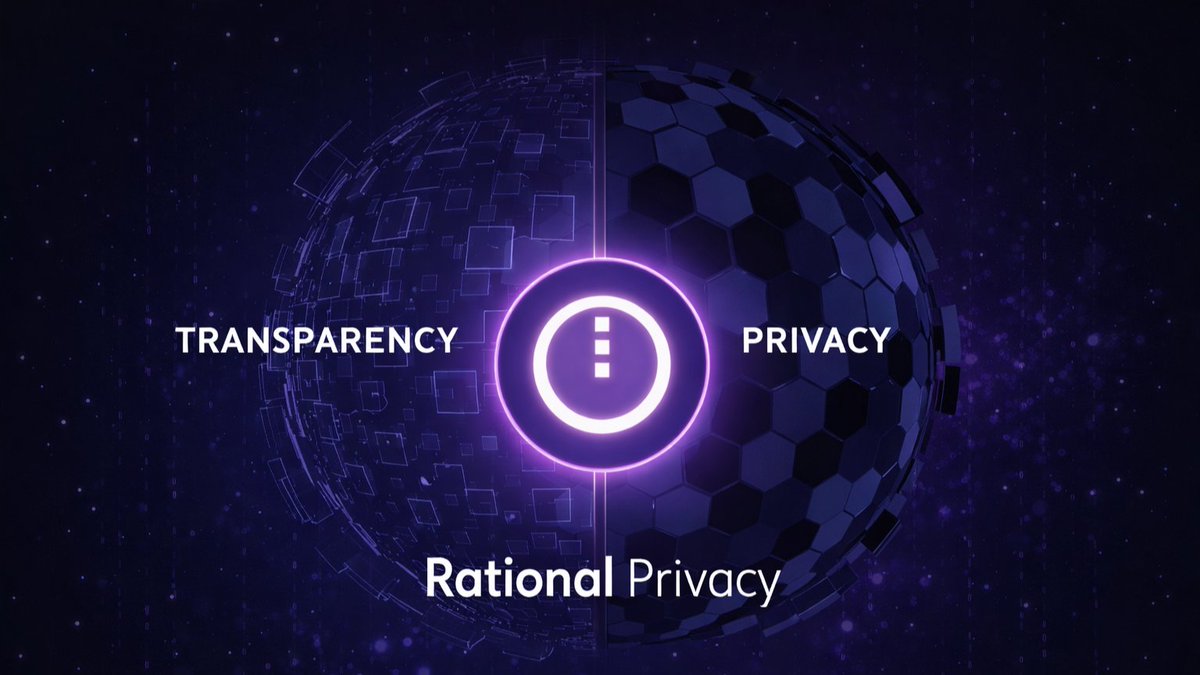
There is a strange contradiction in crypto.
We say we want transparency.
We say we want privacy.
And somehow we expect both to exist at the same time.
Most people think privacy in crypto means hiding everything.
But in the real world, that is rarely how systems work.
Businesses need confidentiality.
Users need protection.
Regulators need visibility.
@MidnightNtwrk feels interesting because it does not treat privacy as an on or off switch.
It introduces the idea of selective disclosure. You can prove something is true without exposing the underlying data. You can keep sensitive information private while still interacting with a public network.
That changes the conversation.
Instead of asking, “Should blockchains be transparent or private?”
The better question becomes, “Who should see what, and why?”
This is where rational privacy makes sense.
Not hiding everything.
Not exposing everything.
Just revealing what is necessary.
If Web3 is going to move beyond speculation and into real infrastructure, this balance will matter more than maximalism.
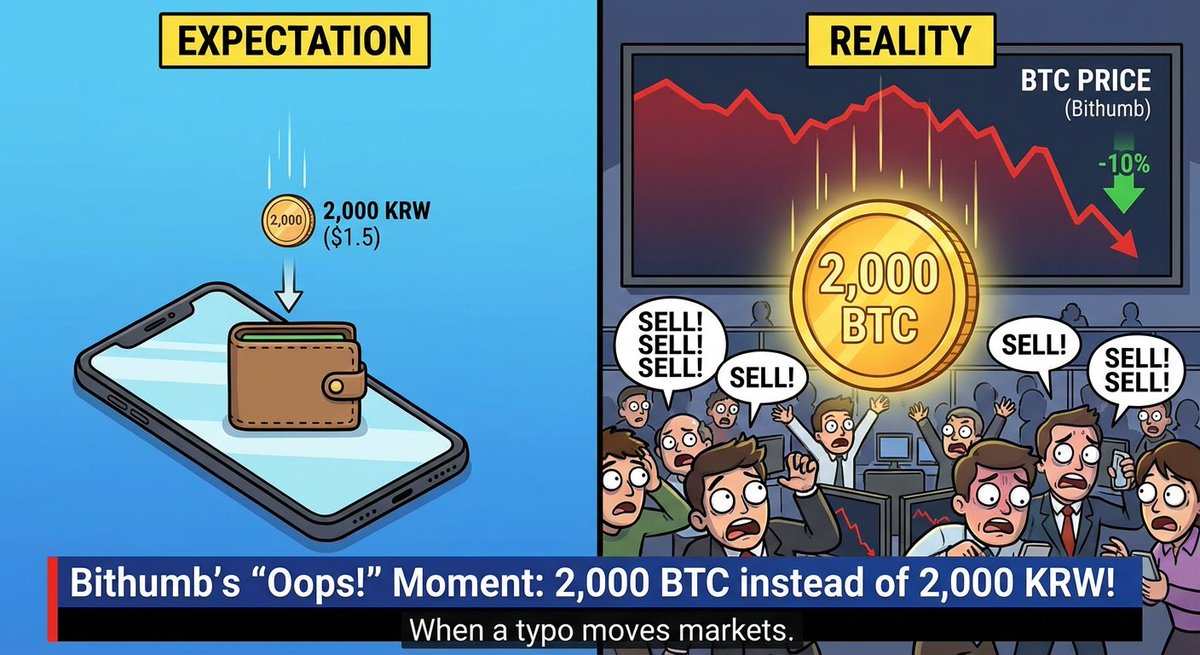
Bithumb: "We’re giving you a $1.5 reward today!"
Staff: "Wait, did you mean $1.5 or 2,000 Bitcoin?"
Bithumb: "Yeah, whatever, just hit send..." 💀
Result: $BTC price crashed 10% on the exchange because people didn’t waste a second hitting that 'SELL' button!
The luckiest ones probably already booked their private jets, while Bithumb is out there playing the world’s most expensive game of Undo.
Moral of the story: Always double check your units, or you might accidentally start a financial revolution.