How to Train Your Dog to Walk on His Hind Legs
Defining Tasks
Teaching your dog to walk on his hind legs will begin in a 'sit' position or a 'beg' position. If your dog does not know these commands as of yet, train them first. In order to learn to walk on his hind legs, he should have the basic obedience commands down. He will be starting in a 'sit' or 'beg' position and then standing tall, rising up from that position, before learning to walk. This skill of learning to walk on his hind legs will take a little bit of time because your dog will need to build up rear leg strength. Even if he knows how to beg, it may take him a little extra time to learn how to walk on those hind legs, so have some patience and extra training time.
Getting Started
To get started training your dog to walk on his hind legs, you are going to need lots of high-value treats to offer during training sessions. Be sure your dog knows how to sit. If you would like to start in a beg position, teach the beg command first. These training sessions are going to require short and simple challenges. Keep your dog's strength up and his attention by keeping each training under fifteen minutes. Be sure to reward your dog during and after each training session. Your dog will need to build his muscles before he can walk, so don't expect him to walk on his hind legs from a beg position right away. Take it slow so he can build strength.
1
Entice with treat
Hold a high-value treat in your closed hand and let your dog sniff it.
2
Raise
Raise the treat up above your dog's head, going slightly over and behind his head. This will lift his head up and point his chin upward. If you have ever taught your dog the beg command, this is the start of teaching your dog to beg. If your dog knows had to beg, start here but without using the command to beg.
3
Stand tall
To get to the treat above his head, your dog should stand tall on his hind legs.
4
Treat
Give your dog a treat for standing to reach the treat in your hand. If you are using a clicker for training, this is the time to click and treat.
5
Continue
Keep holding treats above his head making him stand tall, clicking and treating each time.
6
Move forward
Move your treat above his head slowly forward, encouraging your dog to come to you on his hind legs after standing up. Be sure to click and treat once he gets it.
7
Walk
Stand up and walk along, moving the treat forward and giving your dog the 'walk' command and treat lure.
8
Practice
Keep practicing, increasing distance each day.
Ten Tips for Taking Care of Your Dog
PROVIDE A PROTECTED AND CLEAN LIVING ENVIRONMENT FOR YOUR DOG. Shelter from the elements and hazards, as well as good hygiene, are basic to a quality life.
ALWAYS KEEP FRESH WATER AVAILABLE. Maintaining optimal hydration is important for health and energy.
FEED A QUALITY DIET AND PREVENT OBESITY. Overweight humans and animals can adversely affect health in many ways. Follow the dietary recommendations that your veterinarian will make according to the nutritional needs of your dog, based on size, age, level of activity and breed. Remember to provide healthy treats rather than table scraps, as rewards.
HAVE YOUR PET EXAMINED BY A VETERINARIAN ON A REGULAR BASIS. Your veterinarian will provide you with the information on vaccination schedules, deworming and external parasite control. Keep a copy of your pet’s vaccination records in your home or with you when you travel. Contact your veterinarian if you believe that your pet may be ill, injured, or if something just doesn’t seem right. Your veterinarian is the expert on keeping your dog healthy. Work as a team with him or her.
PROVIDE AMPLE OPPORTUNITIES TO EXERCISE. Make sure your dog gets the regular exercise needed to enable it to be fit. By being in shape, your dog will be more capable of participating in the activities that it enjoys.
COMMUNICATE WITH YOUR DOG AND DEVELOP A RELATIONSHIP. Dogs are social creatures and they need to interact with their owner. Quality time will help you get to know your dog and understand particular needs that it might have, as well enhance your ability to recognize early signs of an illness that could be developing. In addition, time spent in developing a relationship will help prevent many undesirable behavioral patterns.
TRAIN YOUR DOG TO FOLLOW THE SIMPLE COMMANDS. Puppy and dog training classes can be very helpful. The better your dog is at following basic and necessary commands, the greater the chances are that your dog will live a safe and long life.
PRACTICE REPRODUCTIVE CONTROL. If you do not intend to create puppies, spaying or neutering is a certain option. If you plan to breed your dog or are opposed to spaying and neutering for other reasons, take appropriate measures to prevent mismatings. Consult with your veterinarian in regard to other options that are available.
DENTAL CARE IS VERY IMPORTANT. Many breeds are prone to gum disease, which can have serious implications. Infection resulting from this condition leads to premature tooth loss, and can commonly cause infections in major organs, including the heart valves.
DON’T OVERLOOK GROOMING AND NAIL TRIMMING. Long coated dogs are prone to developing matts and ice balls in their hair. Overgrown nails are common in elderly dogs and can make it more difficult for them to walk. In addition, such nails are much more prone to breaking, which can be quite painful.
IN CONCLUSION, KNOWLEDGE IS POWER. READ UP AND LEARN AS MUCH AS POSSIBLE ABOUT YOUR DOG’S BREED SPECIFICALLY, AND ABOUT RAISING, TRAINING AND LIVING WITH DOGS, IN GENERAL. THE MORE YOU KNOW, THE MORE CONFIDENT YOU’LL BE IN PROVIDING A SAFE AND ENJOYABLE HOME FOR YOUR DOG.
Ancient wolves give clues to origins of dogs
[P1]
Where and when dogs arose is one of the biggest mysteries of domestication. To solve it, researchers have tried everything from analyzing ancient dog bones to sequencing modern dog DNA—all with inconclusive results. Now, researchers have tried a new tack: figuring out where the ancient wolves that gave rise to dogs lived. The new study doesn’t close the case, but it does point to a broad geographic region—eastern Eurasia—while also suggesting our canine pals may have been domesticated more than once.
That region “certainly jibes with what I’ve been thinking,” says Adam Boyko, a canine geneticist at Cornell University who wasn’t involved in the work. He remains skeptical, however, about the possibility of separate domestication events.
At least 15,000 years ago—and perhaps closer to 23,000 years ago—humans and wolves began their fateful dance toward domestication. This was during the last ice age, when high-latitude regions experienced a bitterly cold, dry climate. According to the most prominent theory, less timid gray wolves inched closer and closer to human campsites to get scraps. Over time, they passed along genes for increasingly docile behaviors and traits. Humans found these newfound friends useful for hunting and guarding campsites.
Exactly where this happened is hotly contested. Some genetic analyses of modern dogs suggest they arose in East Asia, whereas other genetic and archaeological evidence indicates our pups came from Siberia, the Middle East, Western Europe, or perhaps multiple places. “There’s been a lot of pins put in the map,” says Pontus Skoglund, a geneticist at the Francis Crick Institute and senior author of the new study.
Skoglund and a vast cast of collaborators from 16 countries decided to try something new: build a massive map of wolf ancestry around the time of domestication. “If you imagine wolf ancestry as a big jigsaw puzzle, we placed the dog puzzle piece within that map,” he says.
The paper’s 81 co-authors—mostly archaeologists, anthropologists, and geneticists—pooled their collective resources and sequenced 66 ancient wolf genomes and incorporated six previously published ones, from sites across Europe, Siberia, and North America. The ages of these animals spanned the past 100,000 years. Next, the team used computer software to compare the 72 ancient genomes and work out a rough family tree.
One of the first things that jumped out was how interconnected these far-flung wolf populations remained over time, Skoglund says. Over tens of thousands of years, wolves living as far apart as Alaska and Europe continued to share recent ancestry, suggesting the animals were mobile and mated at least occasionally.
Comparing the ancient wolf genomes with those from modern and ancient dogs, the researchers found that dogs are much more closely related to ancient wolves from eastern Asia than those from Europe. That points to eastern Eurasia as their home region and more or less eliminates western Eurasia as a potential origin spot, the team contends today in Nature. But none of the ancient wolves proved to be a close ancestor of dogs, meaning the actual site of domestication remains a mystery. The paper also resolves the mystery of whether an 18,000-year-old pup found in 2019 near the Siberian city of Yakutsk was a wolf or a dog. The answer? Wolf.
These are “exciting results,” says evolutionary biologist Yohey Terai at Japan’s Graduate University for Advanced Studies, whose work previously identified an extinct Japanese wolf as the closest relative of modern dogs yet found. Even though “the authors did not sample a wolf population most closely related to dogs,” he says, “these samples help narrow down the place of origin.”
The Top 10 Most Dangerous Dog Breeds:
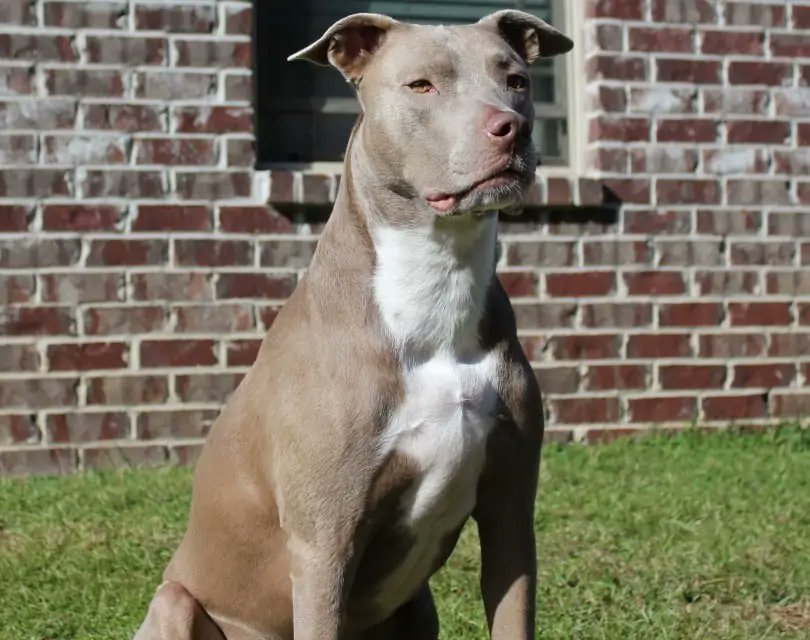
1. American Pit Bull Terrier
2. Rottweilers
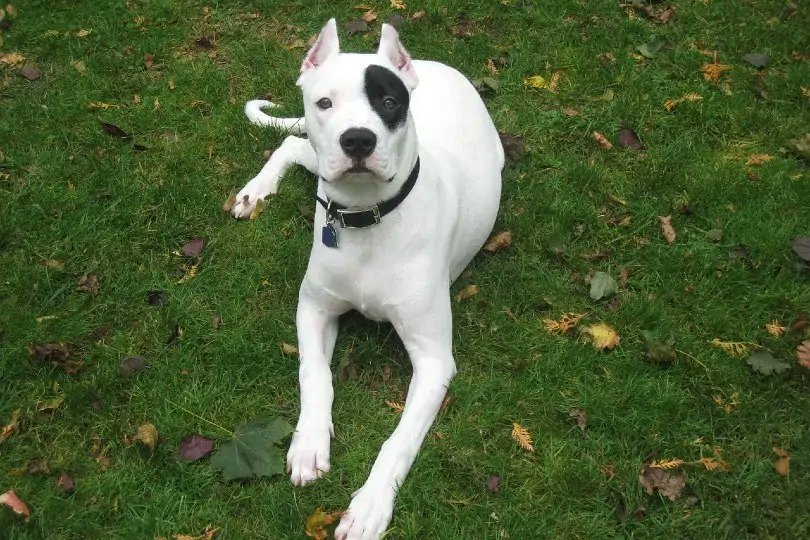
3. Dogo Argentino
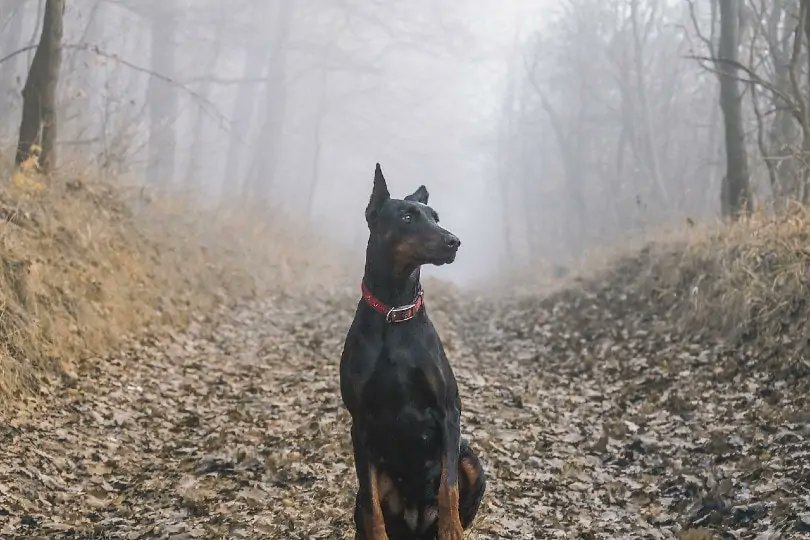
4. Doberman Pinscher
5. Akita
6. Gull Dong
7. Perro de Presa Canario
8. Tosa Inu
9. Chow Chow
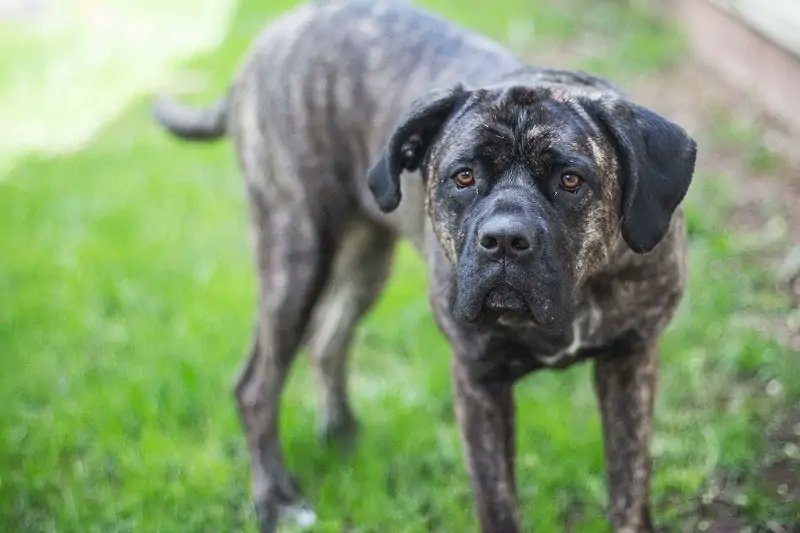
10. Cane Corso
Here are some pictures 🖼️
✨ Do you want to know detailed information about them?





![dogwithsuccess's tweet photo. Ancient wolves give clues to origins of dogs
[P1]
Where and when dogs arose is one of the biggest mysteries of domestication. To solve it, researchers have tried everything from analyzing ancient dog bones to sequencing modern dog DNA—all with inconclusive results. Now, researchers have tried a new tack: figuring out where the ancient wolves that gave rise to dogs lived. The new study doesn’t close the case, but it does point to a broad geographic region—eastern Eurasia—while also suggesting our canine pals may have been domesticated more than once.
That region “certainly jibes with what I’ve been thinking,” says Adam Boyko, a canine geneticist at Cornell University who wasn’t involved in the work. He remains skeptical, however, about the possibility of separate domestication events.
At least 15,000 years ago—and perhaps closer to 23,000 years ago—humans and wolves began their fateful dance toward domestication. This was during the last ice age, when high-latitude regions experienced a bitterly cold, dry climate. According to the most prominent theory, less timid gray wolves inched closer and closer to human campsites to get scraps. Over time, they passed along genes for increasingly docile behaviors and traits. Humans found these newfound friends useful for hunting and guarding campsites.
Exactly where this happened is hotly contested. Some genetic analyses of modern dogs suggest they arose in East Asia, whereas other genetic and archaeological evidence indicates our pups came from Siberia, the Middle East, Western Europe, or perhaps multiple places. “There’s been a lot of pins put in the map,” says Pontus Skoglund, a geneticist at the Francis Crick Institute and senior author of the new study.
Skoglund and a vast cast of collaborators from 16 countries decided to try something new: build a massive map of wolf ancestry around the time of domestication. “If you imagine wolf ancestry as a big jigsaw puzzle, we placed the dog puzzle piece within that map,” he says.
The paper’s 81 co-authors—mostly archaeologists, anthropologists, and geneticists—pooled their collective resources and sequenced 66 ancient wolf genomes and incorporated six previously published ones, from sites across Europe, Siberia, and North America. The ages of these animals spanned the past 100,000 years. Next, the team used computer software to compare the 72 ancient genomes and work out a rough family tree.
One of the first things that jumped out was how interconnected these far-flung wolf populations remained over time, Skoglund says. Over tens of thousands of years, wolves living as far apart as Alaska and Europe continued to share recent ancestry, suggesting the animals were mobile and mated at least occasionally.
Comparing the ancient wolf genomes with those from modern and ancient dogs, the researchers found that dogs are much more closely related to ancient wolves from eastern Asia than those from Europe. That points to eastern Eurasia as their home region and more or less eliminates western Eurasia as a potential origin spot, the team contends today in Nature. But none of the ancient wolves proved to be a close ancestor of dogs, meaning the actual site of domestication remains a mystery. The paper also resolves the mystery of whether an 18,000-year-old pup found in 2019 near the Siberian city of Yakutsk was a wolf or a dog. The answer? Wolf.
These are “exciting results,” says evolutionary biologist Yohey Terai at Japan’s Graduate University for Advanced Studies, whose work previously identified an extinct Japanese wolf as the closest relative of modern dogs yet found. Even though “the authors did not sample a wolf population most closely related to dogs,” he says, “these samples help narrow down the place of origin.”](https://pbs.twimg.com/media/GAdzGJ1bwAAJJaR.jpg)



![dogwithsuccess's tweet photo. Ancient wolves give clues to origins of dogs
[P1]
Where and when dogs arose is one of the biggest mysteries of domestication. To solve it, researchers have tried everything from analyzing ancient dog bones to sequencing modern dog DNA—all with inconclusive results. Now, researchers have tried a new tack: figuring out where the ancient wolves that gave rise to dogs lived. The new study doesn’t close the case, but it does point to a broad geographic region—eastern Eurasia—while also suggesting our canine pals may have been domesticated more than once.
That region “certainly jibes with what I’ve been thinking,” says Adam Boyko, a canine geneticist at Cornell University who wasn’t involved in the work. He remains skeptical, however, about the possibility of separate domestication events.
At least 15,000 years ago—and perhaps closer to 23,000 years ago—humans and wolves began their fateful dance toward domestication. This was during the last ice age, when high-latitude regions experienced a bitterly cold, dry climate. According to the most prominent theory, less timid gray wolves inched closer and closer to human campsites to get scraps. Over time, they passed along genes for increasingly docile behaviors and traits. Humans found these newfound friends useful for hunting and guarding campsites.
Exactly where this happened is hotly contested. Some genetic analyses of modern dogs suggest they arose in East Asia, whereas other genetic and archaeological evidence indicates our pups came from Siberia, the Middle East, Western Europe, or perhaps multiple places. “There’s been a lot of pins put in the map,” says Pontus Skoglund, a geneticist at the Francis Crick Institute and senior author of the new study.
Skoglund and a vast cast of collaborators from 16 countries decided to try something new: build a massive map of wolf ancestry around the time of domestication. “If you imagine wolf ancestry as a big jigsaw puzzle, we placed the dog puzzle piece within that map,” he says.
The paper’s 81 co-authors—mostly archaeologists, anthropologists, and geneticists—pooled their collective resources and sequenced 66 ancient wolf genomes and incorporated six previously published ones, from sites across Europe, Siberia, and North America. The ages of these animals spanned the past 100,000 years. Next, the team used computer software to compare the 72 ancient genomes and work out a rough family tree.
One of the first things that jumped out was how interconnected these far-flung wolf populations remained over time, Skoglund says. Over tens of thousands of years, wolves living as far apart as Alaska and Europe continued to share recent ancestry, suggesting the animals were mobile and mated at least occasionally.
Comparing the ancient wolf genomes with those from modern and ancient dogs, the researchers found that dogs are much more closely related to ancient wolves from eastern Asia than those from Europe. That points to eastern Eurasia as their home region and more or less eliminates western Eurasia as a potential origin spot, the team contends today in Nature. But none of the ancient wolves proved to be a close ancestor of dogs, meaning the actual site of domestication remains a mystery. The paper also resolves the mystery of whether an 18,000-year-old pup found in 2019 near the Siberian city of Yakutsk was a wolf or a dog. The answer? Wolf.
These are “exciting results,” says evolutionary biologist Yohey Terai at Japan’s Graduate University for Advanced Studies, whose work previously identified an extinct Japanese wolf as the closest relative of modern dogs yet found. Even though “the authors did not sample a wolf population most closely related to dogs,” he says, “these samples help narrow down the place of origin.”](https://pbs.twimg.com/media/GAdzGgha0AAHrl1.jpg)