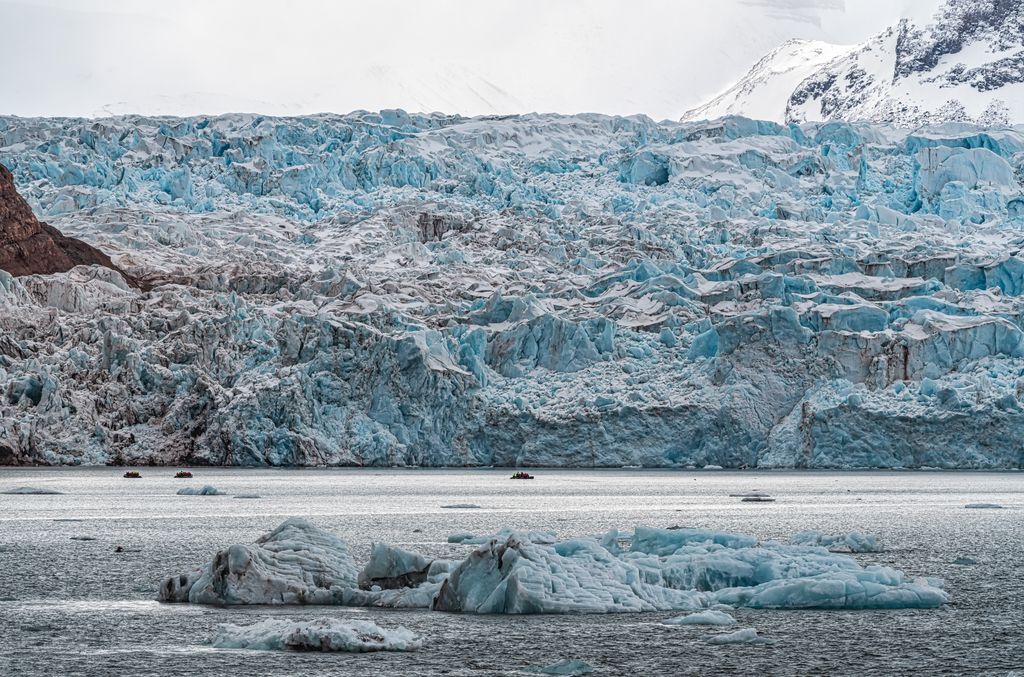
In Svalbard I often approach glaciers by Zodiac. High in the mountains the ice is one solid mass, but by the time it reaches the sea it is cracked into blocks and can look almost like ice after a blender.
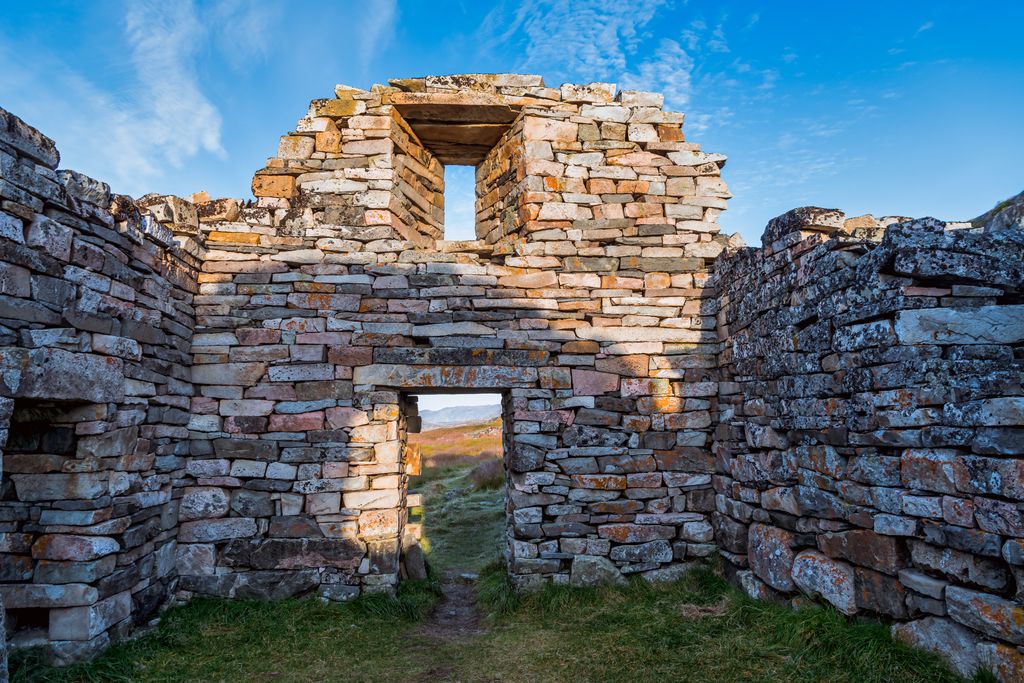
In Greenland we landed before the passengers, and the path to a medieval Norse church looked almost like a familiar Russian bog. Then the sun broke through the clouds and the old stone walls at Hvalsey became perfect to photograph.
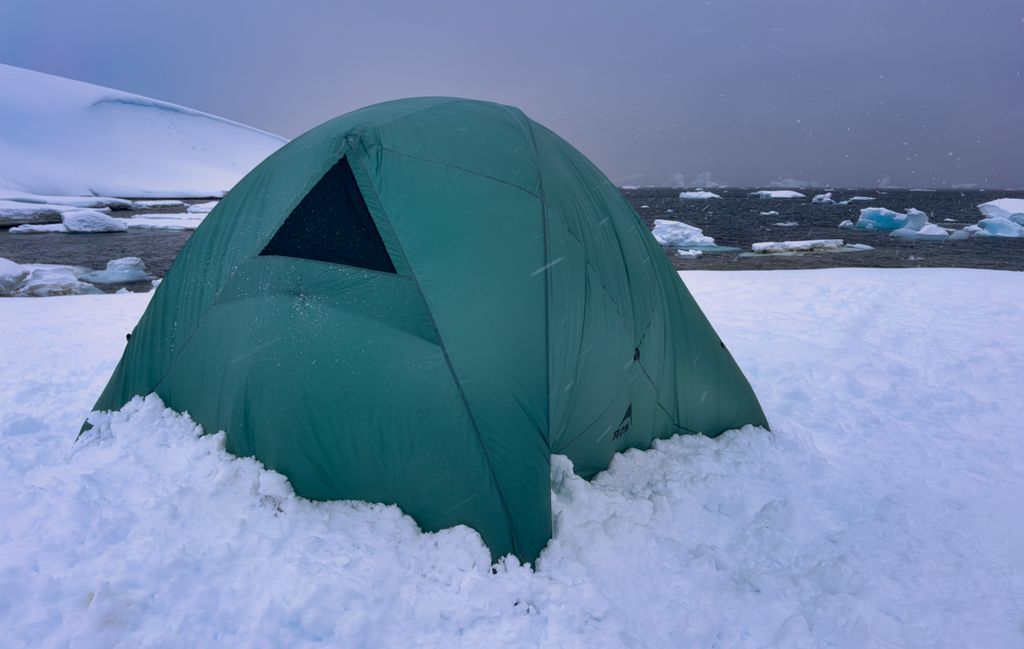
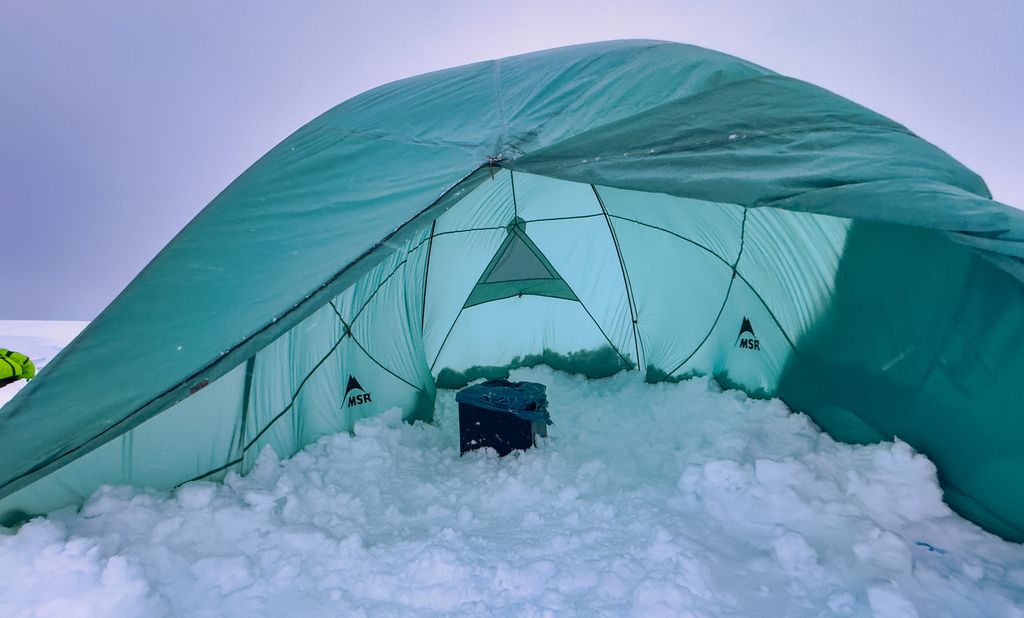
One of the activities we offer in Antarctica is a night ashore: sleeping bag, foam mat, inflatable mat and a shovel. By 4 a.m. everyone has experienced enough "romance" and is lined up on the beach waiting for the Zodiac back to the warm ship.
In Bhutan I once asked our guide what happens to prayer flags after wind and weather destroy them. He said old ones are often taken down and burned, so the smoke can continue carrying the prayers and blessings.
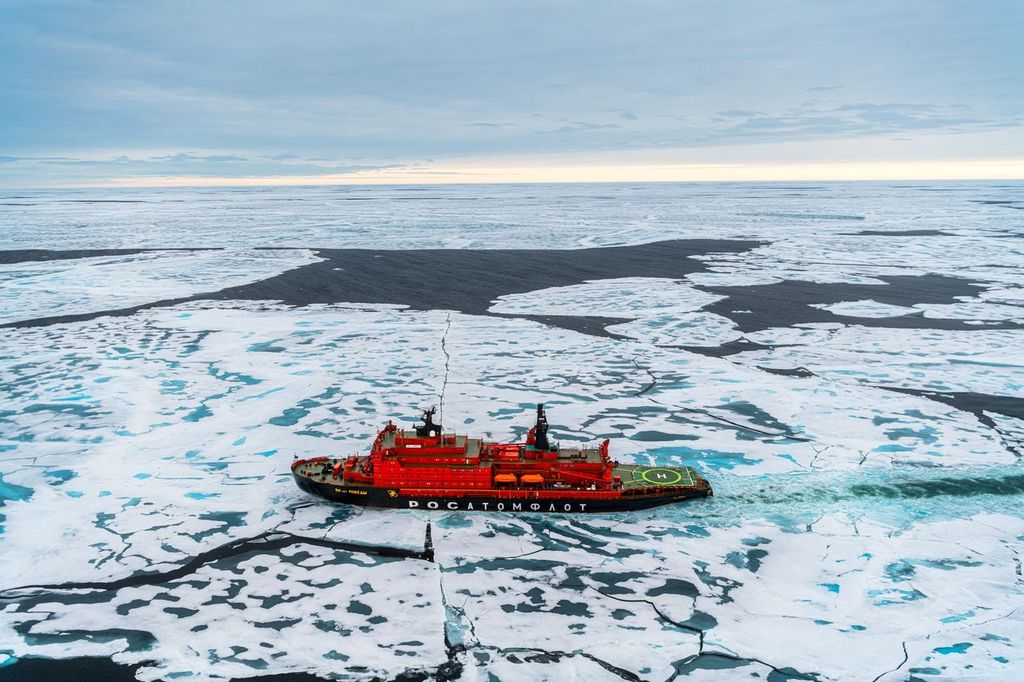
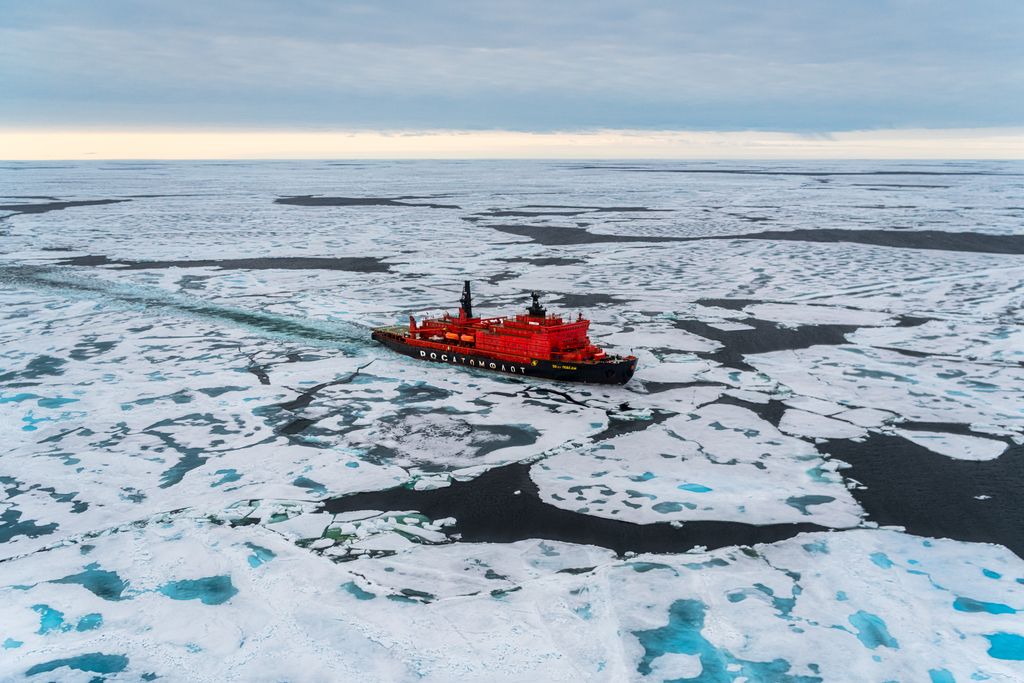
From the air, the nuclear icebreaker 50 Let Pobedy becomes a tiny red point in an endless Arctic mosaic of floes and dark leads. That is when the true scale of the journey to the North Pole really becomes visible.
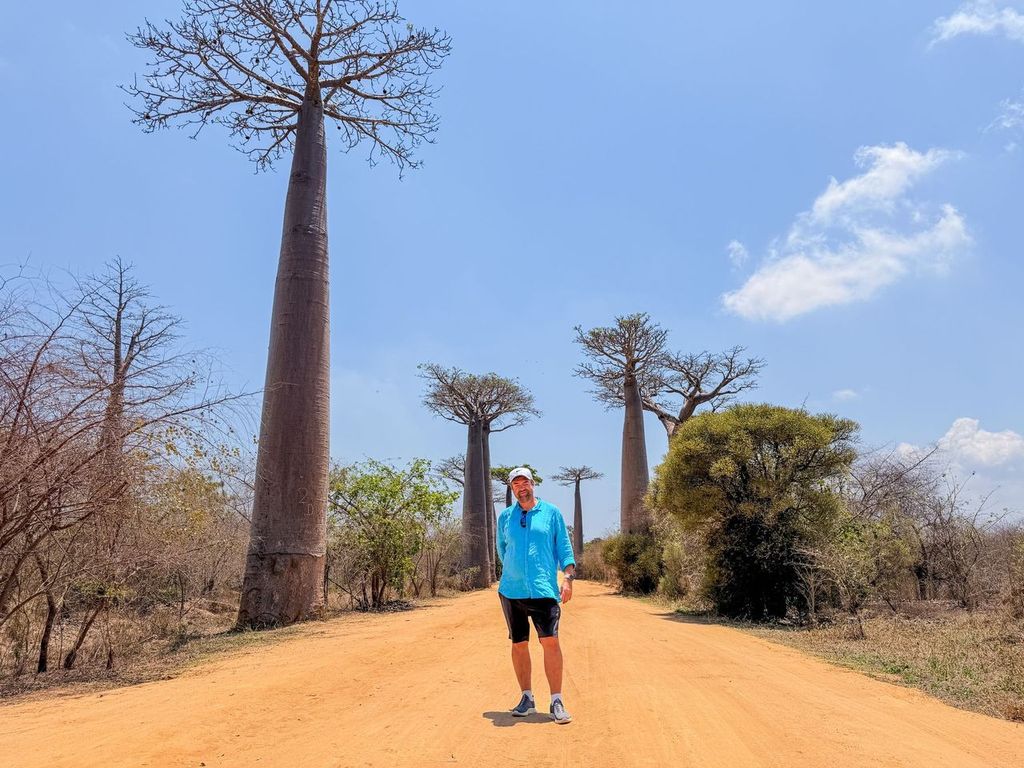
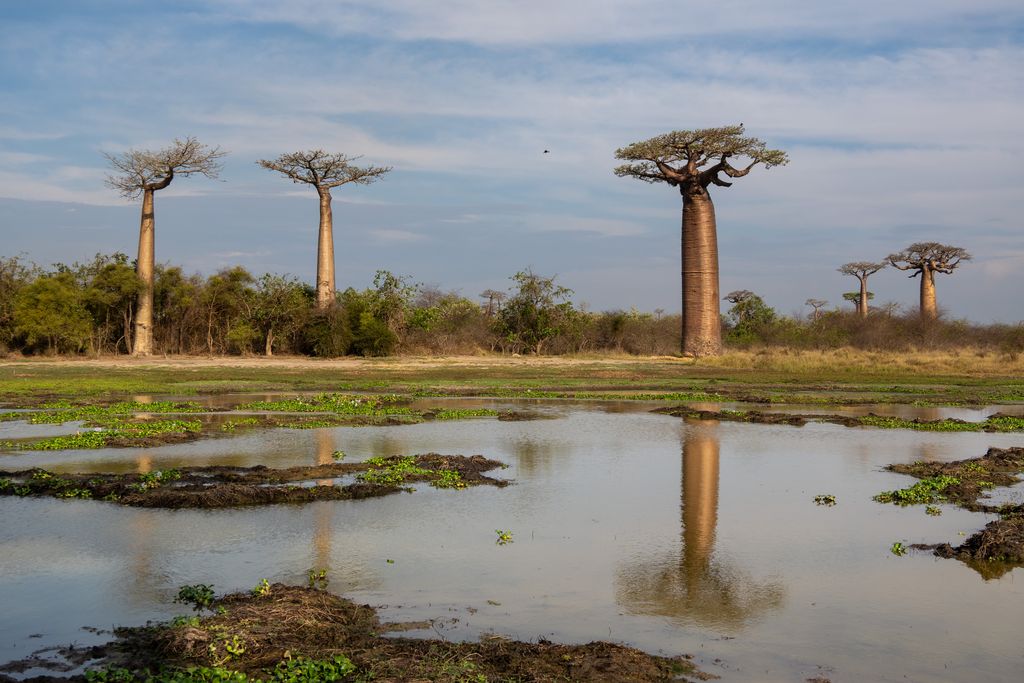
Baobabs look as if someone planted trees upside down: huge trunks with a handful of root-like branches at the top. In Madagascar, the scale only really hits you when a person, car or road appears beside them.
Greenlandic towns do not so much sit on the land as fit themselves into the rock. Colorful houses, roads and stairs weave around bare stone, with mountains rising immediately behind. Nature keeps reminding you it was there first.
A humpback whale dives in the low evening light of Antarctica. Blow, back, tail - and then it disappears. I have seen whales many times, but with changing ice, clouds and light, no encounter ever looks exactly the same.
Tiger's Nest in Bhutan looks almost unreal, perched high on a cliff above the Paro Valley. The best part is that the view has to be earned: forest trail, horses, prayer flags, climbing, and finally the monastery itself.
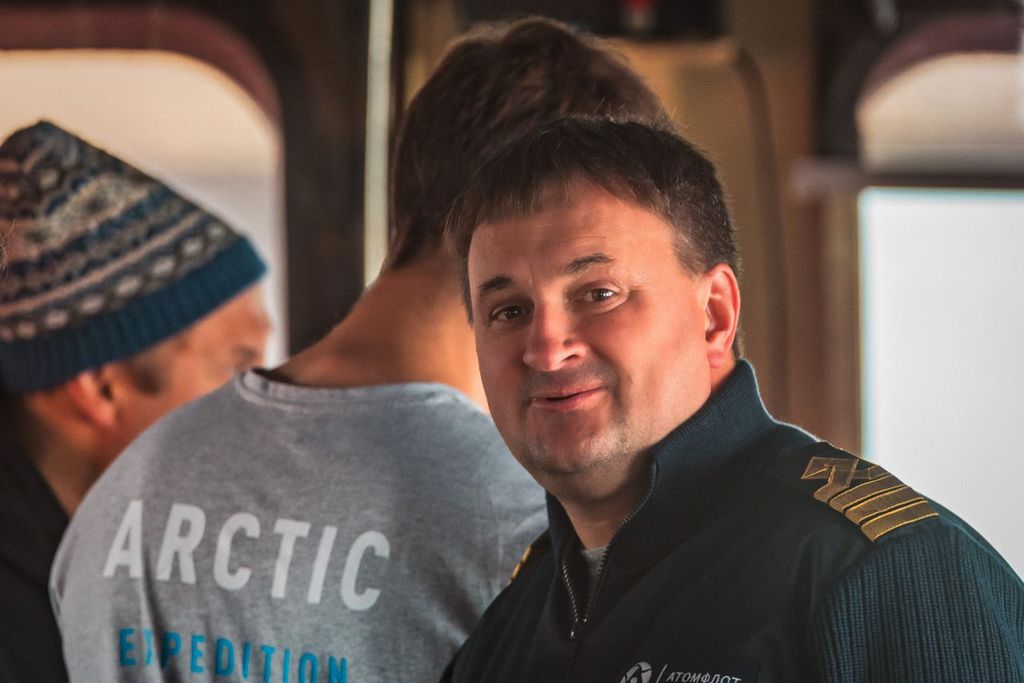
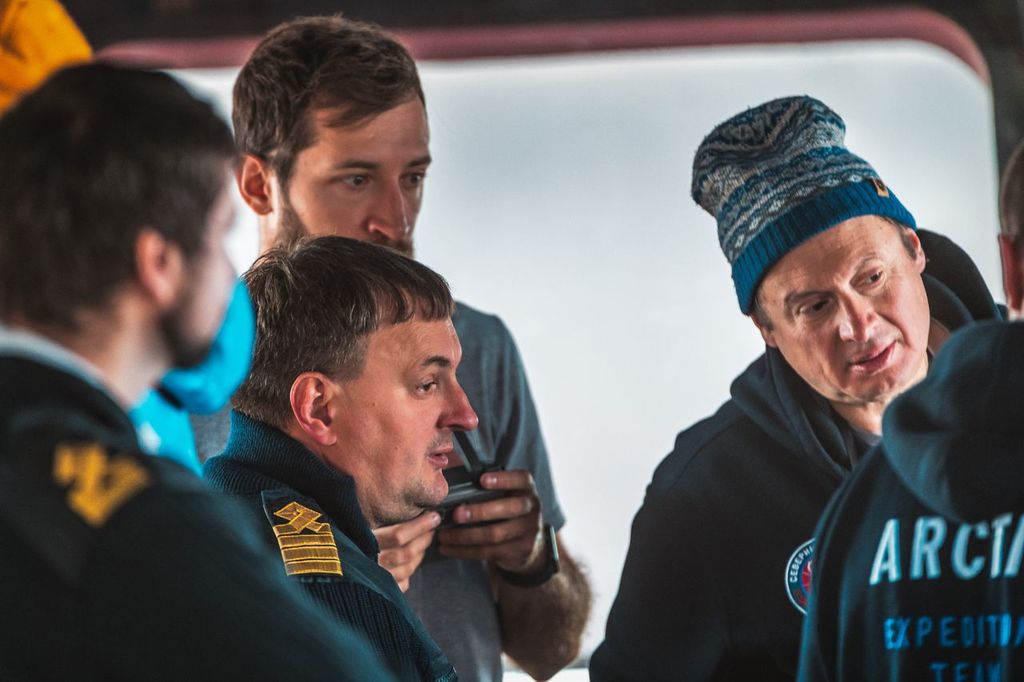
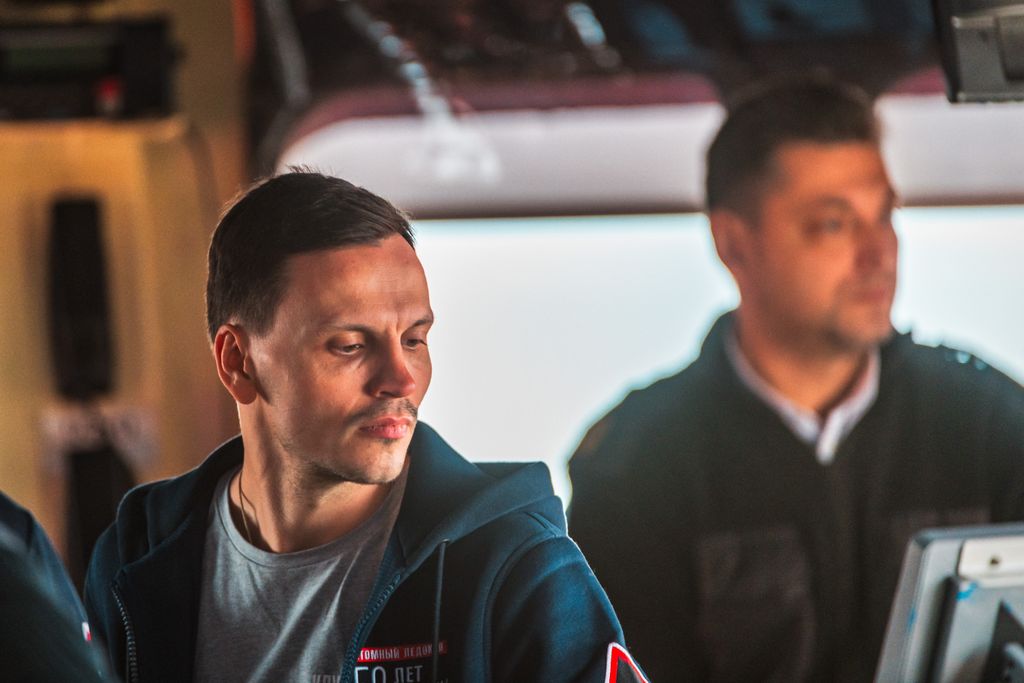
Meet Ruslan Sasov, captain of the nuclear icebreaker 50 Let Pobedy. On the bridge, Arctic travel looks very different: ice, visibility, weather and route are constantly reassessed. I love photographing this quiet backstage work.
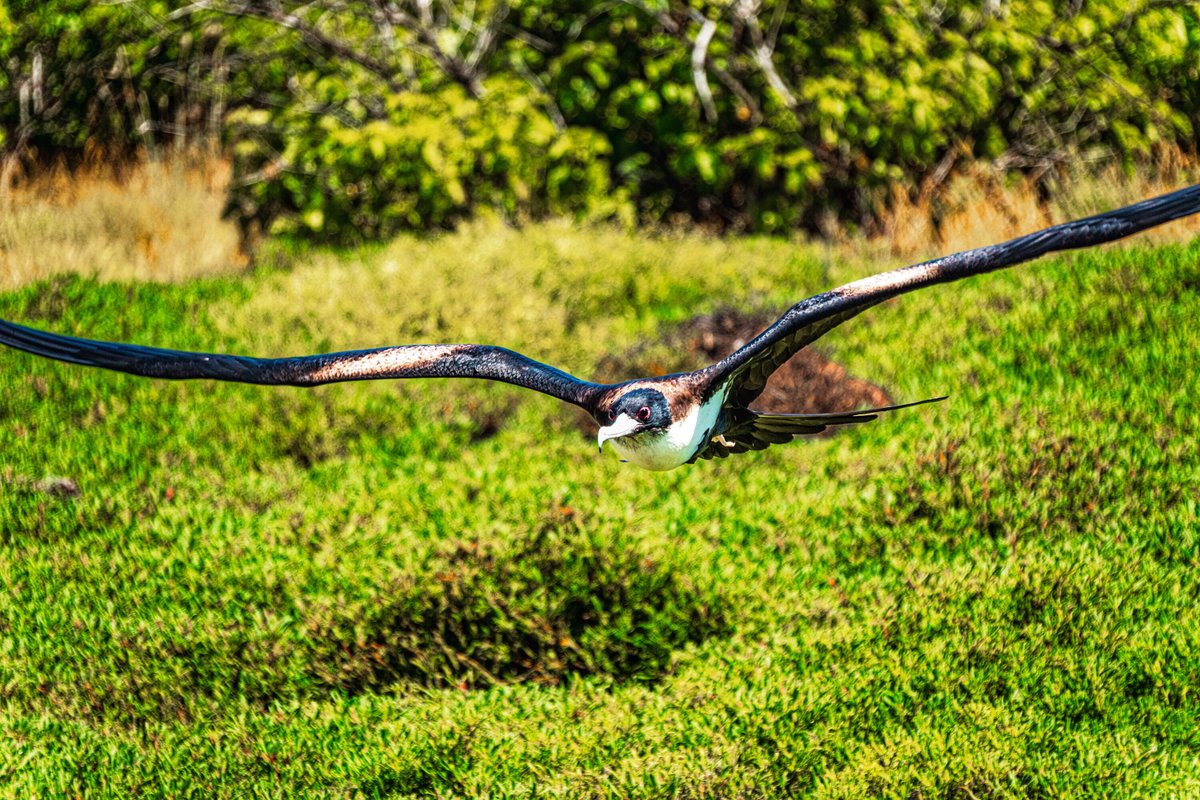
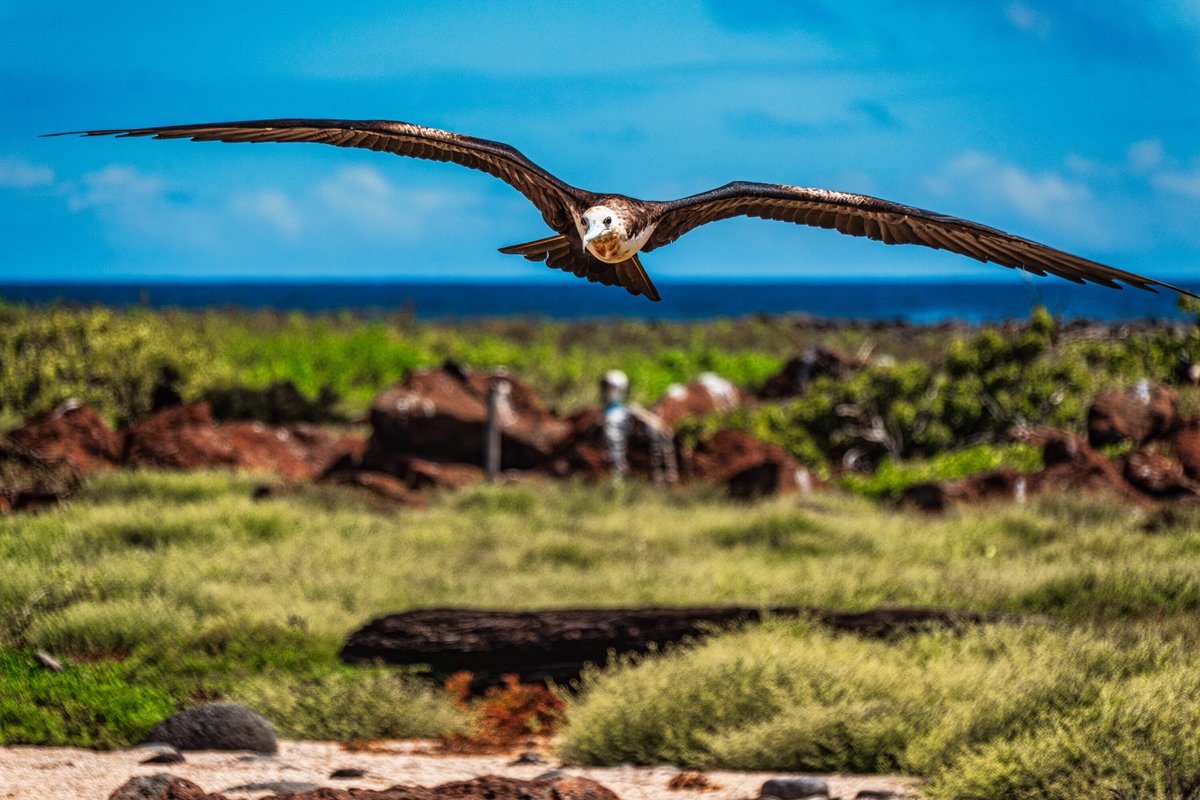
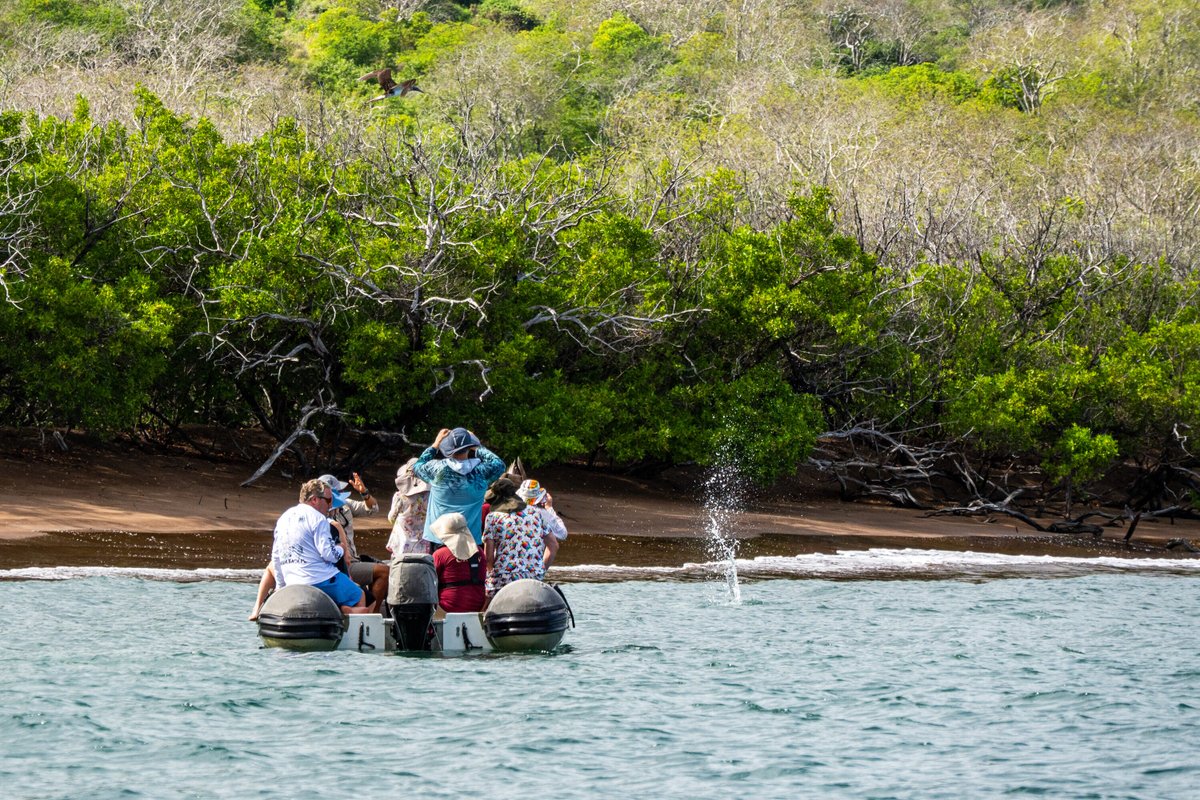
A seabird that prefers not to land on the sea. Frigatebirds have huge wings and light bodies, but their feathers aren't very waterproof. So they fish, steal food and follow ships in flight. Watching one glide overhead feels like the island is moving beneath it.
We arrived in Cusco as tourists and found the whole city living through Inti Raymi, the Festival of the Sun. Hundreds of performers, music, processions and crowds filled the streets. Sometimes you arrive in exactly the right place on exactly the right day.
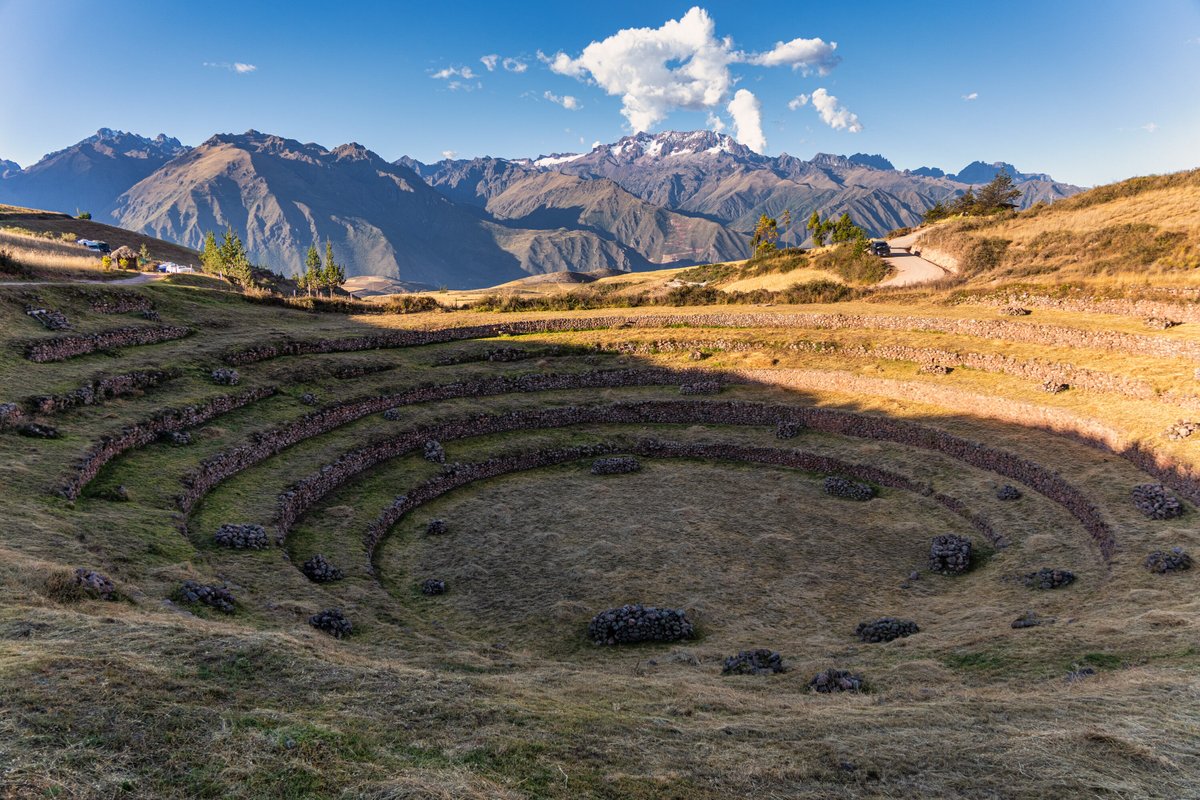
Moray, Peru, looks like a landing pad for aliens. The likely explanation is more practical: Inca agricultural experiments. Different terrace levels created different microclimates, helping people learn what grew best where. Ancient mystery, very human purpose.
Those white cells on the mountainside are not snow. They are salt. In Maras, Peru, spring water flows by gravity through thousands of shallow pools. The sun evaporates the water and leaves the salt behind. Ancient engineering, no pumps required.
Machu Picchu is one of those places you can see in thousands of photos and still not be ready for in real life. Terraces, stairways and hundreds of structures cover a steep green ridge where the Andes meet the upper Amazon basin. This time, reality beat the expectations.
Adult frigatebirds look like sea pirates. Their chicks look like white dandelions with huge beaks. Hard to believe this fluffy creature will grow into a bird with a two-meter wingspan that can hang over the ocean for hours with barely a flap.
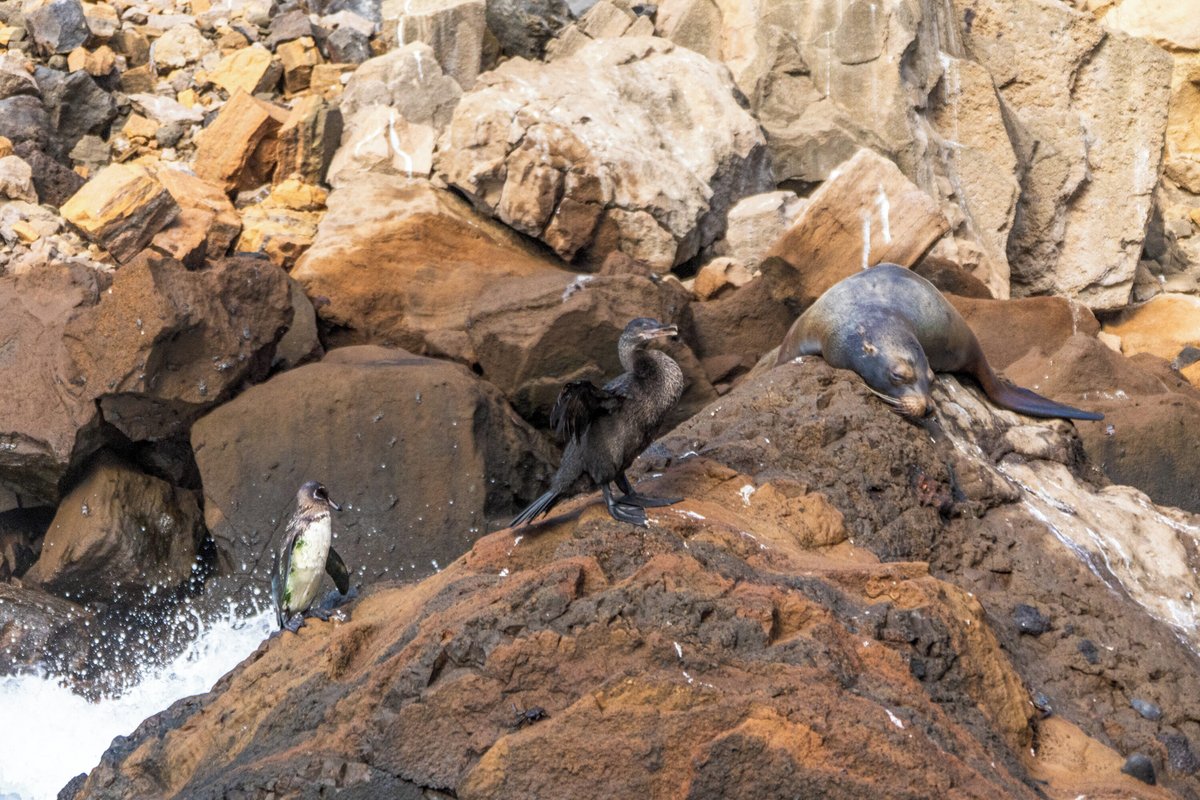
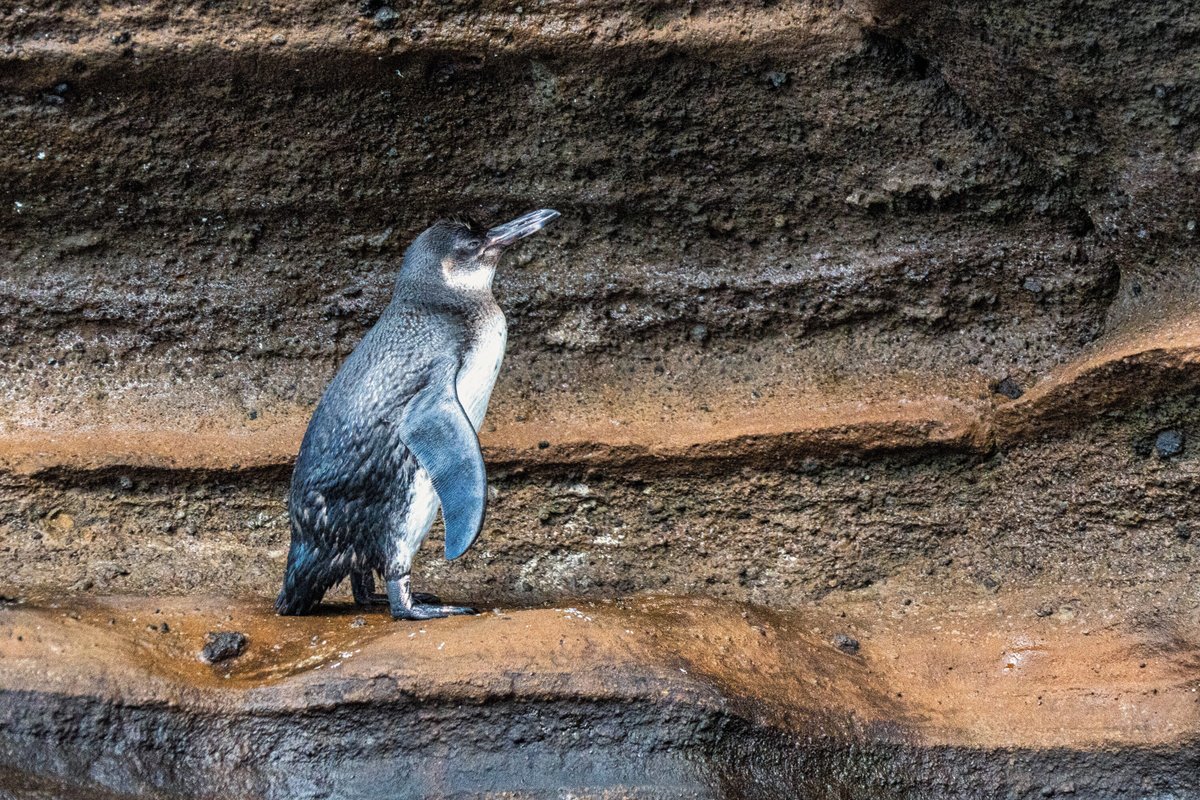
A penguin at the equator feels geographically wrong. But the Galapagos penguin lives right around it, with some even north of it. Cold, fish-rich currents make it possible. Antarctica: penguins. Almost the equator: penguins again.
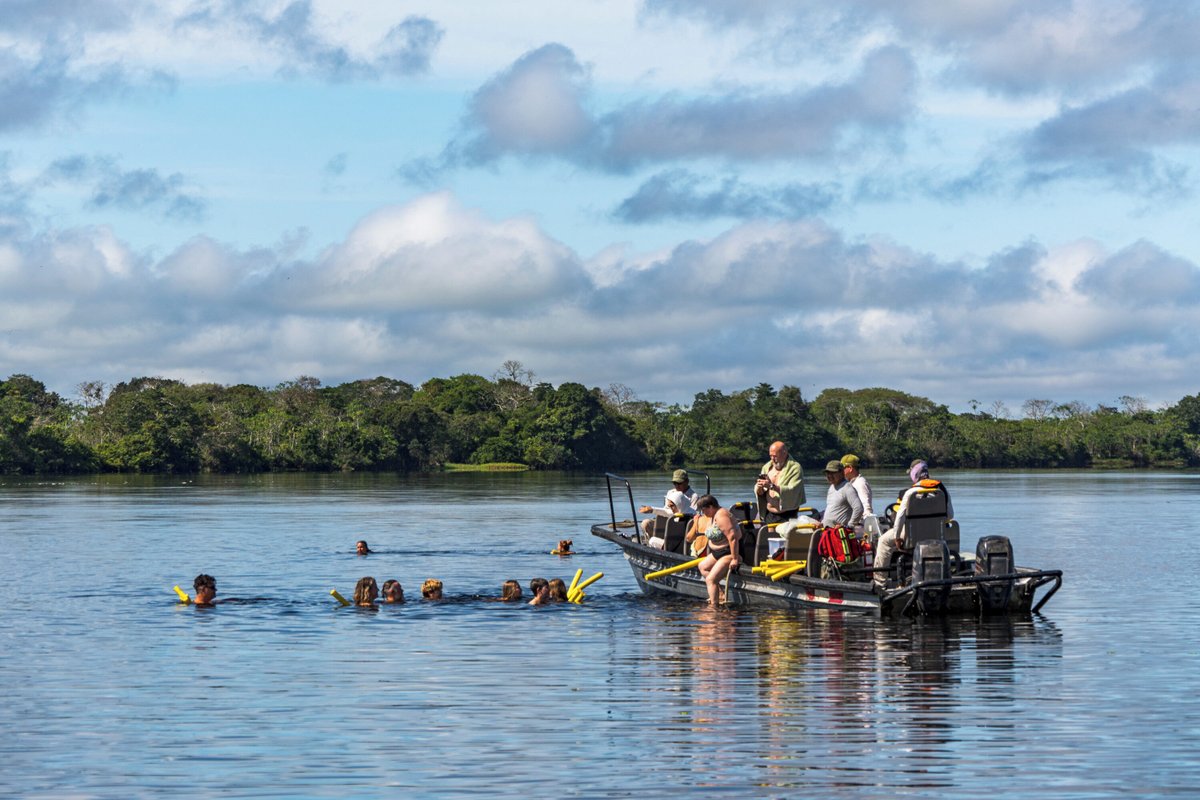
Yes, we swam in the Amazon. After piranhas by day and caimans at night, someone eventually asked: "So, swimming?" The brain hesitates. Then you get in anyway. That's travel: ending up inside a place and doing what sounded like a questionable idea back home.
Galapagos photos can make every landing look effortless. In reality, the ship stays at anchor and Zodiacs take us ashore - sometimes to a beach, sometimes through shallow water, sometimes beside lava rocks. Life jackets, cameras, wet feet, and no idea yet what we'll find.