HAPPENED NOW IN MPAPE, ABUJA
According to eyewitnesses, trucks reportedly carrying natural resources said to be lithium, were blocked by residents who refused to let them pass. Before police start firing bullets.
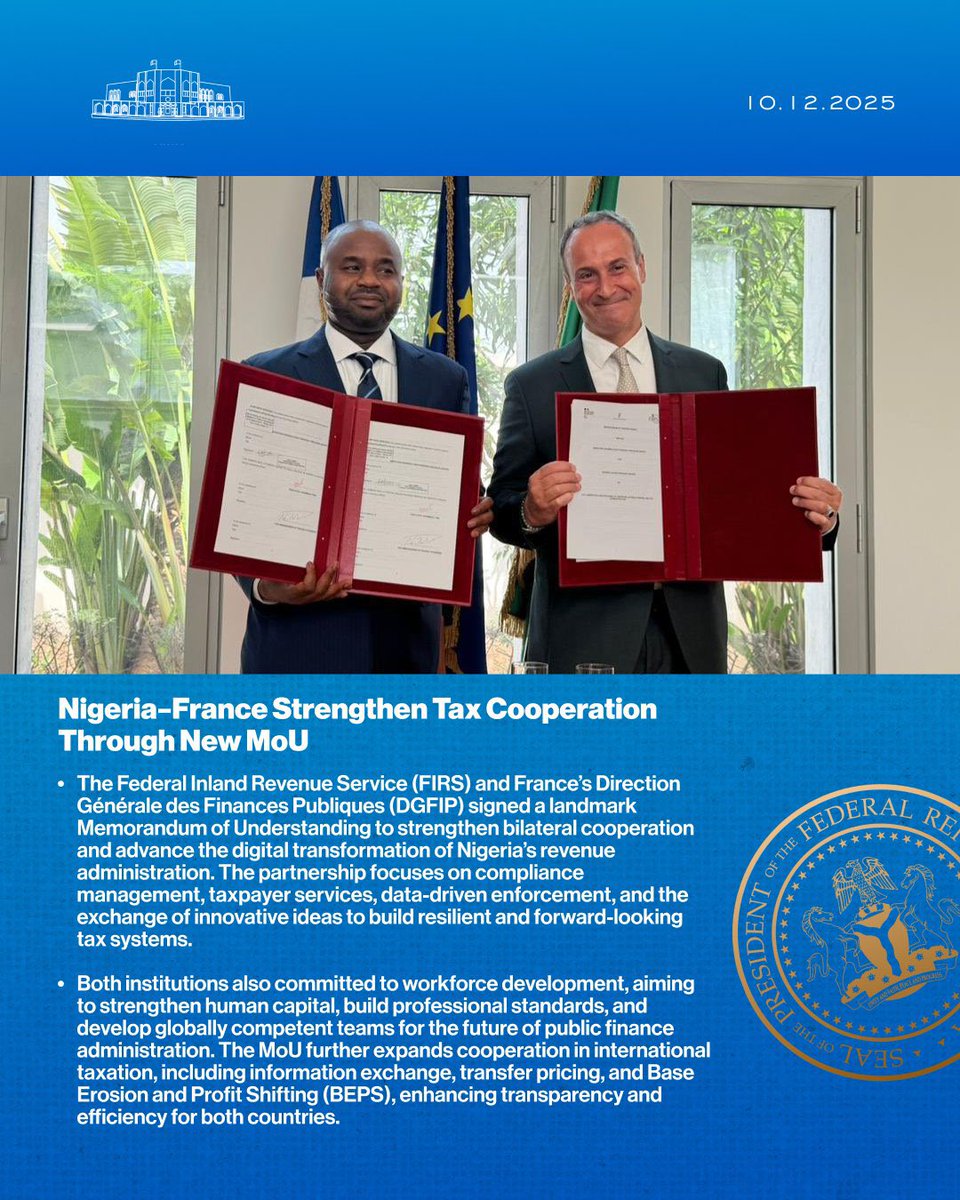
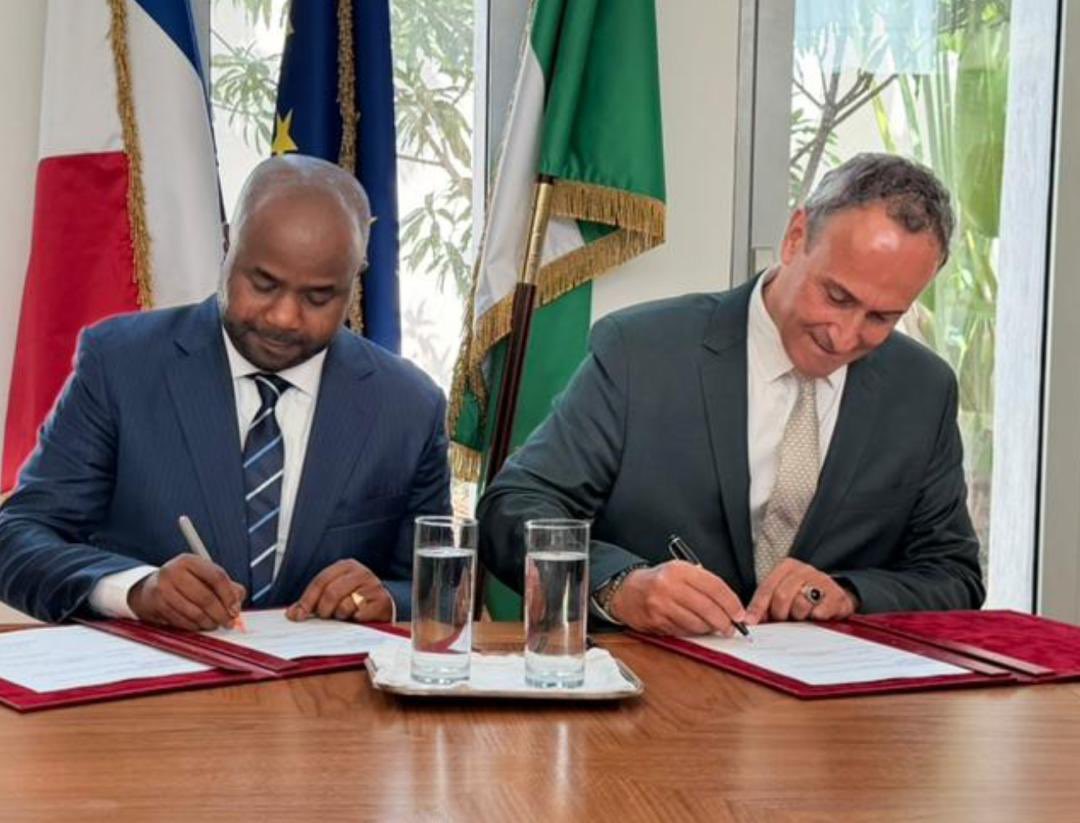
Your Banking and Tax system handed over to 🇫🇷FRANCE
Your Mines n resources handed over to 🇺🇸USA
Your Defence tech n digital data handed over to 🇺🇸 USA
Your strategic Seaport handed over to 🇬🇧 Britain
Your Lithium n cobalt mines handed over to 🇦🇺Australia
Your Health data handed over to 🇺🇸 USA
What then is left of the Nation NIGERIA to serve her 250 million population? NOTHING!
These are the exact same people with history of killing your kings n enslaving your people. The exact same people who invaded, pillaged, raped n looted your resources n artifacts still sitting in their museum till date.
But hey! Look at those Chinese!!!
And Russians n evil North Korea n Iran.
Duncan Trussell recorded this conversation with his mother while she was facing terminal cancer.
What you’re hearing isn’t scripted. It isn’t performed. It’s a son sitting with his dying mother trying to hold onto every word before the words run out.
And she, the one facing the end, is the one doing the comforting.
That is what makes these conversations so extraordinary. Not the wisdom itself, as profound as it is. But who it’s coming from. A woman who had every reason to be consumed by her own fear choosing instead to spend what little time remained helping her son understand how to live without her.
These recordings became the heart of The Midnight Gospel. And I always go back to watch it again.
They remain some of the most honest conversations about death, love and what it means to be human ever put on screen…
It's always strange how the US uses its unparalleled military and economic power to strangle and suffocate the economies of small nations it dislikes, then points to the intended devastation as proof that those countries are bad and don't work, with no reference to the US role.
After the privatization sale of the state-owned refineries to Dangote was revoked in 2007 and his $750 million was refunded, those refineries never worked. Instead, subsequent government administrations spent between $15 billion and $25 billion on endless "Turn Around Maintenance" contracts, and to this day, the refineries still do not produce a single drop of petrol.
Meanwhile, during the exact same period that these dead refineries were draining billions of dollars from the national treasury, Dangote literally sand-filled the Atlantic Ocean and built a brand-new, fully functional refinery from scratch that has the capacity to refine 650,000 barrels of crude oil per day.
The only logical explanation for why a private individual, who has shareholders to satisfy and loans to repay, can build and operate a functional mega-refinery while a sovereign government with almost unlimited resources and geopolitical leverage cannot even keep one existing refinery running, is this: to the Nigerian political class, those state-owned refineries are worth far more dead than alive. A dead refinery serves as a perpetual ATM for fraudulent maintenance contracts and fuel importation subsidies.
This exact same logic explains why we do not have good roads. If the highways are permanently and properly fixed, a massive revenue stream is permanently closed for the thieving political class. If the roads actually work, incoming administrations can no longer budget hundreds of billions of naira annually for phantom feasibility studies, mobilization fees, environmental impact assessments, and endless contract variations. Instead, they deliberately construct mediocre roads with substandard materials, pocket the difference, and wait for the road to wash away after a few rainy seasons so the lucrative cycle of re-awarding the contract can repeat itself.
We as Nigerians need to wake up and understand that our current material condition is not an accident; it is by design. A dysfunctional, broken Nigeria is infinitely more profitable for our corrupt political elite and their foreign corporate partners than a functional, industrialized Nigeria.
'Expats' And The New Scramble for African Cities
A new scramble for African cities is happening. Driven by foreign salaries, strong currencies, and short-term rentals, desirable neighborhoods across the continent are pricing out the locals who live and work there.
Drawing parallels between historical colonial spatial segregation and present-day economic dynamics, we examine how parallel expat economies operate and highlight the need for housing policies that protect local communities.