I started a newsletter for one reason: I got tired of watching Nigerian fintech founders discover they were "compliant but not provable" three weeks before a term sheet closed.
Most fintechs don’t fail examinations because they ignored compliance.
They fail because they cannot produce evidence quickly, consistently, and confidently when an examiner asks.
In this week’s edition of The Compliance Velocity Letter
I explore three controls Nigerian fintechs routinely underestimate until regulatory examination begins—and why waiting until an audit or examination is already too late.
If you’re a founder, CTO, compliance officer, engineering leader, or board member in a regulated business,
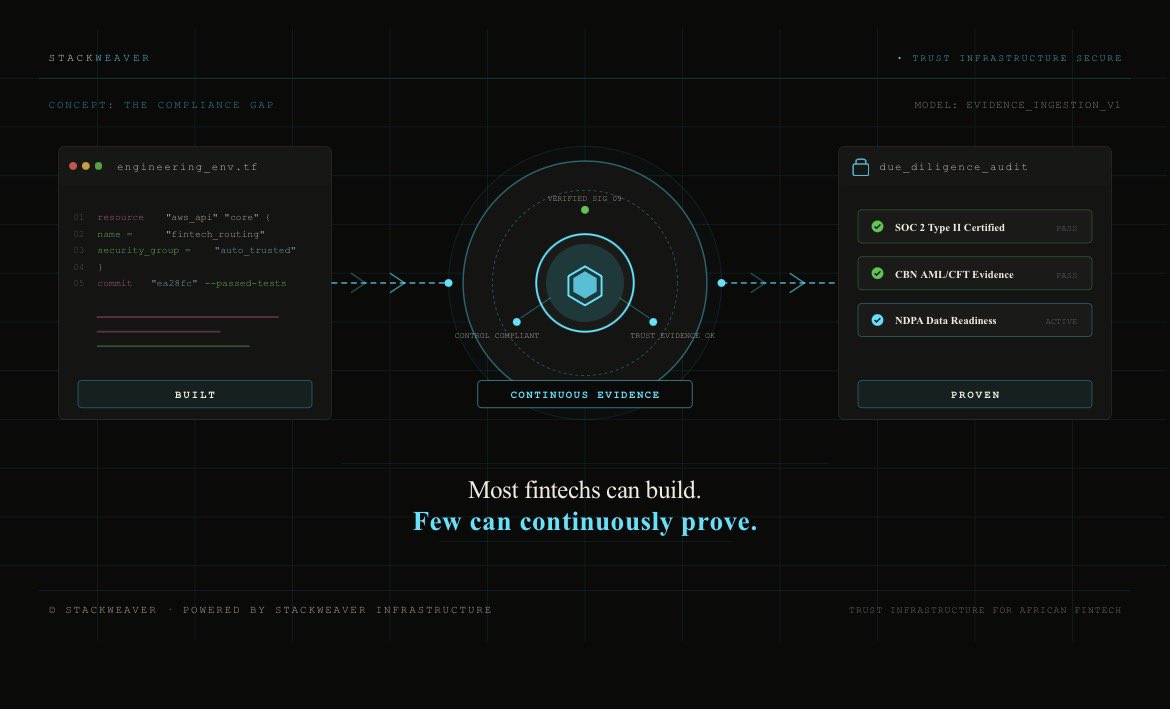
Most fintechs can build.
Few can continuously prove.
The hardest moment for many regulated companies is not building the product.
It is the moment someone asks:
“Show me the evidence.”
The controls may exist.
The processes may exist.
The engineering work may be good.
But without continuous evidence, trust becomes a reconstruction exercise.
Screenshots.
Spreadsheets.
Manual audits.
Last-minute preparation.
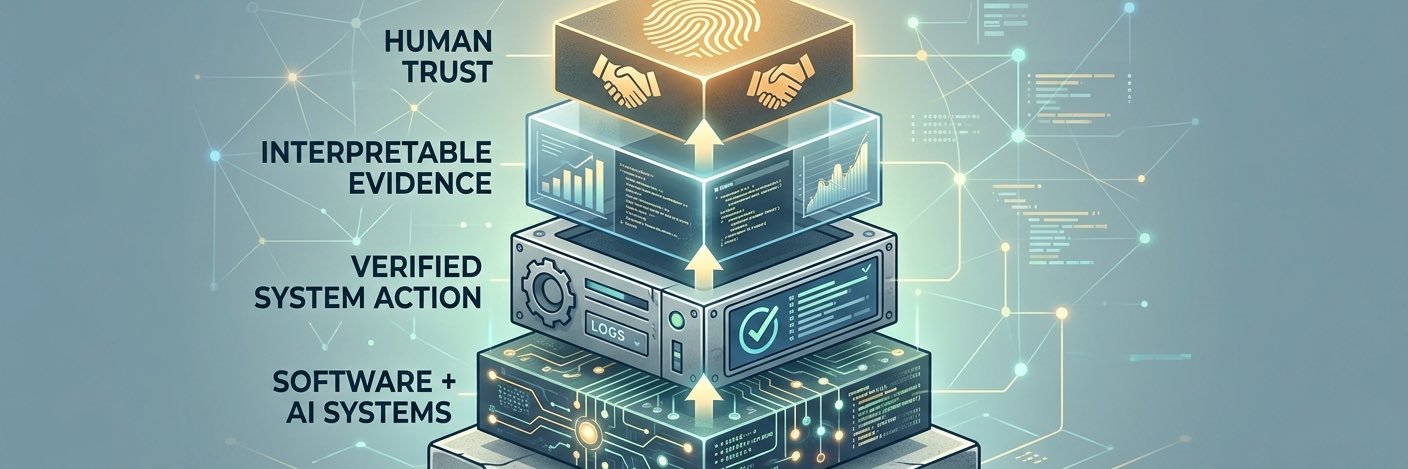
The next generation of fintech infrastructure will move from proving trust occasionally to generating trust continuously.
Modern organizations have historically treated evidence as a record of completed work. StackWeaver believes evidence should be designed into the foundation of work itself.
I started a newsletter for one reason: I got tired of watching Nigerian fintech founders discover they were "compliant but not provable" three weeks before a term sheet closed.