

Top Tweets for #RegTech

𝗥𝗲𝗴𝘂𝗹𝗮𝘁𝗲𝗱 𝗼𝗿𝗴𝘀 𝗰𝗮𝗻𝗻𝗼𝘁 𝗮𝗳𝗳𝗼𝗿𝗱 𝗲𝗶𝘁𝗵𝗲𝗿 𝗼𝘂𝘁𝗰𝗼𝗺𝗲
They cannot let review queues explode.
They also cannot ship under-reviewed code.
Their checks must keep pace with agents.
#RegTech #Compliance #SecureDevelopment

Have a fintech app idea for the Swiss market?
Whether you're planning a:
Digital wallet
Banking app
Trading platform
Investment app
RegTech solution
AI-powered finance platform
We can help turn your concept into a market-ready product.
🫴 https://t.co/c5AdiTYATS

Building a Regtech app or product, regulatory classification can shift under you. What starts as an unregulated information tool can become a regulated financial or tax service as features and user behaviour evolve.
Continuous legal monitoring of the live product is very essential.
#RegTech #AITax #Codeclauselegal

The biggest risk with AI isn't that your model will get too smart
It's that your people will stop being skeptical.
It's called automation bias: we stop questioning the machine because it's usually right.
GRC's job is to keep healthy doubt alive. #AI #RegTech #Audit #Technology

Rialo Shark tank会议它又来了!
今天这几个项目,其实能明显感觉到,现在很多 Builder 的思路已经变了。以前大家做 Web3,第一反应是:
“怎么发币?”
“怎么设计 APY?”
“怎么拉盘?”
但今天不少团队开始认真思考:区块链到底能不能解决现实世界里“信任难、信息不透明、流程低效”的问题。比如那个宝可梦 TCG 项目,本质上有点像“卡牌圈的链上 StockX + 博彩平台”。
你想买一张皮卡丘卡,不用自己去 eBay、PriceCharting 到处查价,AI 直接帮你抓全网价格,告诉你哪里有套利空间。
甚至还加入了“耿鬼 VS 水君谁会赢”的押注机制。
这个项目其实很有流量潜力,因为它抓住的是“情绪消费”——就像球迷会赌 NBA,二次元玩家也愿意为自己喜欢的 IP 买单。
但现场大家最担心的问题也很现实:
你直接拿 Pokémon IP 做博彩,法律和版权风险非常高。
所以团队已经开始考虑转向 One Piece 等 IP,甚至未来申请官方授权。说白了:
这个方向像是在“Web3 + FanDuel + 二次元卡牌市场”之间找机会。
第二个 RealPop 更接地气。
它想解决的问题其实很多社区都遇到过:
一场活动来了 300 人,最后真正有贡献的人是谁?没人知道。现在大部分社区的数据只有:
“谁是主持人”
“谁是 Speaker”
但那些长期来参加活动、帮忙转发、活跃聊天的人,价值其实也很高,只是从来没被记录。所以 RealPop 想做:链上的社区简历。
你参加活动、拿 SBT、积累 Reputation,
未来 DAO、项目方、甚至招聘都能看到你的链上贡献。有点像:Web2 的 LinkedIn + Web3 的链上信用系统。当然问题也很明显:怎么防止别人疯狂刷号领徽章?
所以他们开始研究 Discord 行为分析、社交关系图谱,本质上是在解决 Web3 老问题——女巫攻击。我个人印象最深的还是 Carbon Chain。因为它不是单纯讲故事,而是在解决一个真实世界里已经存在很多年的大问题:信用市场造假。Carbon Chain 的逻辑其实很简单:把所有信用相关文件、证书、土地信息全部上链,
并且未来直接连接政府 API 自动核验。
一旦信用被“Retire(退休)”,链上永久销毁,谁也不能再重复卖。本质上,它像是在做:市场里的 DTCC + 审计系统,而且它有个特别关键的点:它不是只服务 Crypto Native 用户,而是在尝试和政府监管体系对接。这也是为什么团队一直强调:他们做的是 RegTech(监管科技)。
因为很多时候,真正能长期跑出来的项目,不是最会讲 Meme 的,而是能帮监管降低成本、帮传统行业减少欺诈的项目。所以如果让我投票,虽然皮卡丘真的很可爱,但我可能还是会投 Carbon Chain。因为它更像一个:“真正可能进入现实世界基础设施”的方向。
@rialo_zw @RialoHQ


🦈 两周一次的 Rialo Shark Tank 项目速览来了,几位 builder 分别从 TCG 交易辅助、社区贡献凭证及碳信用溯源 三个维度展示了阶段性的开发成果。
以下是本场的核心内容:
1️⃣ 项目一:Pokémon(宝可梦) TCG Arbitrage & Betting
这是一个 Web3 的宝可梦卡牌分析平台,主打套利和预测。
亮点功能:
▪️套利助手: 输入卡牌编号,AI Agent 会自动抓取 PriceCharting、Sneaker Donk 和 eBay 的价格,帮你算出价差。
▪️开包指南: 不知道哪包能出皮卡丘?系统集成了卡包信息,告诉你哪个扩展包包含你想要的神卡。
▪️对战预测: 引入了类似体育博彩的机制,用户可以押注哪只宝可梦会赢(比如耿鬼 vs 水君),赢了获得代币奖励。
现场提问:直接使用宝可梦 IP 做博彩是否会有法律风险?(其实我们中文区小伙伴也在现场讨论,非常担心这个问题)
团队回应:正在探索海贼王 One Piece 等其他 IP,并计划申请官方授权,确保合规性。
2️⃣ 项目二:RealPop - 社区贡献链上凭证
为解决社区管理的痛点——除了主持人和演讲者,普通观众的参与往往被忽视。RealPop 旨在建立一个链上声誉系统。
亮点功能:
▪️出勤徽章: 活动结束后,组织者发放 Claim Code,参与者领取 Soulbound Token (SBT) 作为出勤证明。
▪️声誉积分: 不仅仅是领徽章,还能累积 Reputation Score,用于识别最活跃的核心成员。
▪️防作弊机制: 虽然有 Claim Code 存在女巫攻击风险,但团队计划引入 Discord 信誉度分析和社交图谱分析来过滤羊毛党。
评审和观众更加关注 如何吸引大项目方采用?
团队表示将先从社区活动切入,未来与 DAO 治理结合。
3️⃣ 项目三:Carbon Chain - 碳信用透明化市场
是针对传统碳信用市场(如 Verra)造假频发的问题,利用区块链让每一笔碳信用都可溯源、不可篡改。
亮点功能:
▪️文档上链: NGO 上传政府颁发的碳信用证书和土地图片。
▪️API 验证: 未来计划接入 Realio 的 Oracle,直接调用印度能源效率局(BEE)等政府 API 进行自动核验。
▪️跨境交易: 让小 NGO 的碳信用能在全球流通,支持法币支付通道。
▪️防欺诈设计: 退休(Retire)后的碳信用会被永久销毁并记录,防止“一女多嫁”的重复计算问题。
项目方强调“RegTech(监管科技)”属性,通过为政府提供不可篡改的数据库,降低监管成本,从而获得政策层面的潜在支持。
今天的分享呈现出明显的务实导向。从 GameFi 的数据工具化,到社区管理的声誉实体化,再到环保领域的合规上链,Builder 们不再仅仅局限于代币经济模型的设计,而是更多地思考如何解决现实业务流程中的信任成本与信息不对称问题。
✅其中Carbon Chain 切中了一个非常现实的合规与信任缺口,如果能跑通政府 API 对接,潜力很大,虽然皮卡丘很可爱,但是我个人可能会投票给这个项目。
最后如果你也是开发者且对Rialo有兴趣,欢迎联系中文区社区负责人@dj673285379 @LinYue93820 @dpppps121212 交流。
Get Real,Get Rialo
@RialoHQ
@itachee_x
@ericargent31113
@0xChanglu
@rialo_zw


#KSeF, #Taxilla i mgła dezinformacji. Jak pomylić middleware z państwowym rdzeniem!
#Cyberbezpieczeństwo, #PaństwoZDykty, #GPS65.
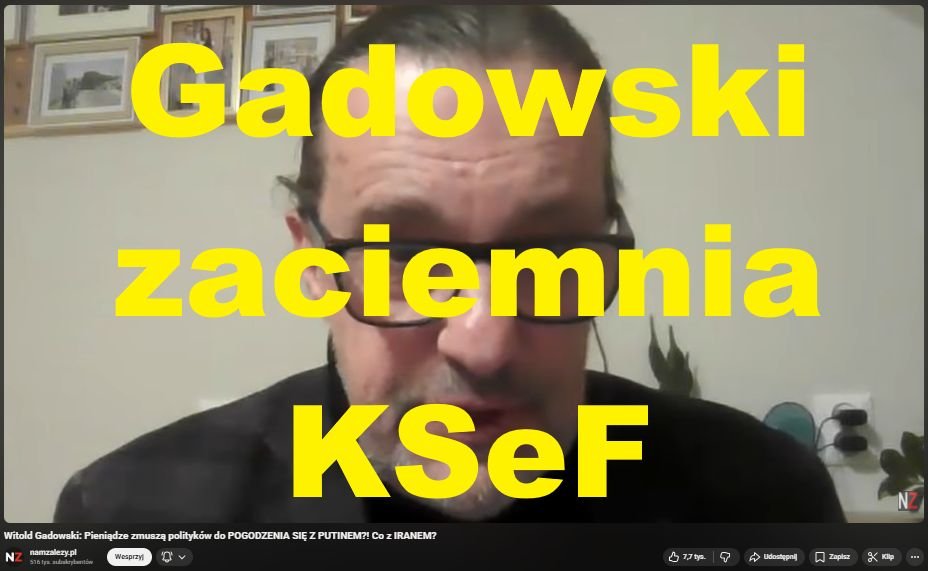
Na kanale youtubowym @NamZalezy @GadowskiWitold postawił następującą tezę:
"...tym bardziej, że metadanymi z systemu KSeF zarządza na przykład firma Taxilla. Zadałem sobie trud, żeby sprawdzić, czym jest firma Taxilla. Firma Taxilla jest zarejestrowana w stanie Delaware w Stanach Zjednoczonych. To jest taki raj podatkowy, podobny jak kanton Zuk w Szwajcarii. Jest to firma, która siedzibę operacyjną ma w Indiach i to w jakimś takim pod jakimś dość podejrzanym adresem. Jest wymieniony tylko szef tej firmy. Nie, nie mamy struktury udziałowców tej firmy. Firma jest praktycznie, można powiedzieć, firmą "krzak" z punktu widzenia formalnego, jeżeli chcemy ją sprawdzić. I teraz ta firma będzie zarządzała wszystkimi metadanymi pochodzącymi z krajowego systemu e-faktur. Proszę mi powiedzieć, czy to jest bezpieczne?"
To, że Witold Gadowski nie zweryfikował faktów, które można sprawdzić w kilka minut, kompromituje jego warsztat dziennikarza śledczego. W sprawie KSeF pomieszał dwa różne poziomy problemu: systemowe ryzyko wynikające z architektury państwowej oraz poboczny temat prywatnych dostawców oprogramowania.
Taka narracja nie wyjaśnia afery, lecz ją zaciemnia. W efekcie istotny problem, jak choćby możliwość budowania mapy polskiej gospodarki na podstawie metadanych czy analiza architektury przepływu danych przez francusko-amerykańsko-izraelską Impervę, zostaje przykryty chaosem, półprawdami i nieistotnymi dygresjami o jednej z wielu prywatnych firm. Niezależnie od intencji autora, skutek jest jeden: ułatwia to ośmieszanie i podważanie merytorycznych obaw dotyczących KSeF.
Dziennikarstwo śledcze czy produkcja mgły?
Dziennikarz, który nie odróżnia państwowego rdzenia KSeF od prywatnego oprogramowania typu middleware, nie prowadzi śledztwa — on produkuje mgłę. A mgła w takich sprawach działa zawsze na korzyść tych, którzy chcą, by opinia publiczna przestała rozumieć, gdzie leży realne ryzyko. Nie twierdzę, że Gadowski świadomie dezinformuje — on opowiada o sprawie krytycznie ważnej dla państwa językiem człowieka, który nie zadał sobie trudu, by poprawnie rozpoznać architekturę systemu.
Nie trzeba być niczyim agentem, by odegrać rolę użyteczną dla dezinformacji. Wystarczy pomylić rzeczy ważne z pobocznymi. Właśnie tak zabija się debatę o cyfrowym bezpieczeństwie państwa: nie przez frontalne zaprzeczenie zagrożeniom, lecz przez zalanie ich mieszaniną faktów, skrótów myślowych i zwykłych bzdur.
Co faktycznie powinien był ustalić dziennikarz śledczy?
Punktem wyjścia powinno być ustalenie rzeczy podstawowej. Taxilla nie jest częścią państwowej infrastruktury KSeF i nie występuje w publicznie dostępnych materiałach KSeF jako operator tego systemu. W istocie państwo udostępnia API KSeF 2.0, publikuje dokumentację techniczną i wprost zachęca firmy oraz dostawców oprogramowania do integracji. To oznacza, że prywatni vendorzy istnieją obok KSeF jako warstwa pośrednia, a nie jako państwowy rdzeń systemu.
Taxilla sama przedstawia się właśnie jako taki prywatny dostawca typu RegTech. Oferuje platformę pośredniczącą, która pozwala firmom połączyć ich systemy ERP z rządowym API KSeF, zautomatyzować tworzenie e-faktur, walidację, raportowanie i dostosowanie do zmian regulacyjnych. Sama więc opisuje swoją rolę jako middleware do compliance i integracji, a nie jako operator państwowego systemu.
Jeśli jakaś firma kupi oprogramowanie Taxilli i oprze na nim swoją komunikację z KSeF, to Taxilla może przetwarzać dane tej firmy. Nie wynika z tego jednak, że zarządza metadanymi całego KSeF. To są dwie zupełnie różne tezy. Pierwsza opisuje zwykłą relację klient–vendor. Druga byłaby twierdzeniem o pozycji systemowej wobec państwowej infrastruktury. Publicznie dostępne materiały nie dają podstaw do takiego przeskoku.
Delaware, Zug i publicystyczna mitologia
Osobny poziom kompromitacji dotyczy opowieści Gadowskiego o Delaware i kantonie Zuk. Delaware nie jest żadną egzotyczną dziurą poza prawem ani dowodem na firmę krzak. To jedna z najbardziej typowych jurysdykcji inkorporacyjnych w USA. Stan Delaware wymaga od korporacji składania rocznych raportów i płacenia podatków. Delaware jest jurysdykcją szczególnie przyjazną biznesowi i to jest słuszne i godne pochwały. Robienie z tego sensacyjnego argumentu na poziomie "firma z Delaware", więc coś śmierdzi, jest po prostu kompromitujące.
Podobnie z Zugiem. To kanton znany z niskich podatków i wysokiej atrakcyjności dla biznesu. Szwajcarskie źródła same piszą o jego rekordowo niskich stawkach i długiej reputacji miejsca przyjaznego podatkowo. Jednak nawet gdyby ktoś chciał to nazwać rajem podatkowym, nie byłby to jeszcze żaden argument kompromitujący. Byłaby to co najwyżej informacja, że dana jurysdykcja mniej rabuje podatników niż inne. Dla mnie to nie wada, tylko zaleta. Problemem nie są niskie podatki ani konkurencja jurysdykcji. Problemem jest używanie takich skojarzeń jako zasłony dymnej zamiast analizy technicznej architektury KSeF.
Czym Taxilla jest naprawdę?
Według publicznie dostępnych materiałów firmowych Taxilla jest prywatnym dostawcą rozwiązań compliance i e-invoicing dla segmentu enterprise. Na swoich stronach komunikuje integracje z systemami takimi jak SAP, Oracle, Microsoft Dynamics czy NetSuite oraz przedstawia swoją ofertę jako bezpieczną, zautomatyzowaną i skalowalną. Deklaruje też standardy SOC 2 Type II i ISO 27001. Są to oczywiście deklaracje samej spółki, a nie niezależny audyt, ale pokazują one realny profil rynkowy firmy, a nie obraz anonimowego bytu wyjętego znikąd.
To samo dotyczy jej pochodzenia. Publiczne profile i materiały firmowe wiążą Taxillę z rejestracją w Delaware oraz z zapleczem operacyjnym w Hyderabadzie w Indiach. Sama obecność w tych jurysdykcjach nie jest dowodem fikcyjności, przestępczości ani przejęcia polskiego systemu państwowego. Bardziej trafny opis brzmi: prywatny vendor RegTech działający międzynarodowo i sprzedający rozwiązania dla dużych organizacji.
Założycielem i CEO Taxilli jest Pavan Peechara. Publiczne źródła wskazują, że jest osobą pochodzenia i najpewniej narodowości indyjskiej. Jego aktualnego obywatelstwa nie da się jednak rzetelnie potwierdzić na podstawie dostępnych publicznie źródeł.
Gdzie leży rzeczywisty ciężar sprawy?
Sedno problemu KSeF nie leży w tym, że istnieją prywatni integratorzy. To jest zjawisko normalne i wręcz przewidziane przez sam model wdrożenia API. Sedno leży gdzie indziej: w obowiązkowej architekturze przepływu danych do państwowego systemu przez prywatną firmę Imperva, w warstwie brzegowej WAF obsługującej ten ruch, w jurysdykcji (amerykańsko-francuskiej) oraz w tym, jakie metadane są widoczne na tej ścieżce. To jest poziom systemowy. To jest poziom, który dotyczy wszystkich użytkowników KSeF, a nie tylko tych, którzy dobrowolnie wybiorą jakiegoś prywatnego vendora takiego jak Taxilla.
Dlatego mieszanie państwowego rdzenia KSeF z jedną prywatną firmą middleware nie wyjaśnia sprawy, lecz ją rozmywa. Jeśli ktoś chce uczciwie opisać architekturę ryzyka, musi najpierw odróżnić poziom obowiązkowy od poziomu opcjonalnego. Musi odróżnić państwową platformę od rynku komercyjnych pośredników. Musi odróżnić infrastrukturę wspólną dla wszystkich od prywatnego narzędzia, z którego korzysta tylko część firm. Gadowski tego nie zrobił.
Taxilla jest tylko jednym z wielu komercyjnych graczy w ekosystemie integracji z KSeF. Ministerstwo Finansów samo zakłada istnienie takiego rynku, publikując dokumentację, środowiska testowe i wsparcie dla integratorów. Sugerowanie, że Taxilla zarządza metadanymi całego państwowego systemu, jest równie sensowne jak twierdzenie, że producent klienta pocztowego zarządza całą infrastrukturą Internetu.
Problem z wypowiedzią Gadowskiego polega na tym, że jest źle rozpoznana architektonicznie. A kiedy ktoś źle rozpoznaje architekturę problemu, to produkuje mgłę. I ta mgła staje się później najlepszym sprzymierzeńcem wszystkich tych, którzy chcą, by prawdziwe ryzyka KSeF utonęły w publicystycznym bełkocie. Gadowski po prostu uczestniczy w budowaniu fikcyjnego lasu, w którym będzie ukryty liść z prawdziwą aferą KSeF.
To, co wyżej napisałem, to są fakty. A teraz moje spekulacje. Moim zdaniem Gadowski tego w ogóle nie zbadał, żadnego śledztwa nie przeprowadził, żadnego trudu sobie nie zadał, tylko dostał informację od swoich informatorów i ją powtarza. A to nie są jacyś bierni donosiciele, to są służby, które wrzucają takie cynki by manipulować opinią publiczną tak, by siać mgłę informacyjną, by istota problemu KSeF utonęła w setkach bzdurnych teorii spiskowych.
Grzegorz GPS Świderski

Afternoon note: the blocker for autonomous fleets isn’t path planning, it’s policy and commercialization. You can build a perfect flight stack and still be grounded by compliance, or ship a great motion model that never leaves the lab because there’s no go‑to‑market route
@konnex_world just flipped that axis with ReadyMonitor Cloud integration: regulatory abstraction at the protocol layer. FAA compliance decoupled from operations, customers keep direct control of drones, the network handles the policy envelope, and $KNX provides the economic layer for jobs and settlement
On the creator side, open docs + SDK let researchers and PhDs publish custom motion models into a live marketplace. Test in sim, deploy to real hardware, and earn royalties on verified success. Miners are onboarding behavioral and vision‑language policies ahead of on‑chain testing, so superior models surface where it matters: outside the benchmark and inside production
Leadership matters when you operate at the intersection of robots, media, and regulators. CEO Jon Ollwerther is a 40 Under 40 operator with 15+ years spanning Measure and Aerobo and sits on The Stan Lee Foundation Board. That blend usually correlates with real distribution and durable partnerships
If regulatory burden becomes an API and model monetization is native, the machine economy stops waiting on approvals and starts compounding on results. That’s the wedge I’m tracking in #DePIN #Robotics #RegTech #MachineEconomy #AI #Konnex $KNX


Fintech founders know the tension well: regulators demand transparency, but customers demand privacy. Anti-Money Laundering (AML) rules require monitoring, reporting, and traceability. Yet no serious financial institution wants its transaction flows, balances, or contract logic exposed to the entire internet.
This is where Seismic positions itself differently.
@SeismicSys doesn’t treat privacy as a rebellious stance against compliance. Instead, it redesigns how compliance works inside a privacy-first system.
Transactions on Seismic are encrypted by default, protecting sensitive financial data from public visibility. But encryption does not mean invisibility to regulators. Through selective disclosure mechanisms, authorized parties can access specific compliance data when legally required without exposing everything to everyone.
For fintechs operating under strict AML regimes, this matters. Seismic enables built-in transaction screening, allowing apps to flag sanctioned addresses or high-risk behavior before settlement. Rather than publishing raw transaction histories, fintechs can rely on cryptographic proofs to demonstrate that proper checks were performed. In other words, compliance becomes verifiable without becoming public.
Seismic can further strengthen this model through integrations: zero-knowledge KYC proofs that confirm a user is verified without revealing their identity on-chain, Travel Rule APIs for cross-border reporting, and partnerships with RegTech providers for real-time risk scoring. These integrations allow fintechs to satisfy regulators while preserving user confidentiality.
In the end, Seismic reframes the debate. Privacy and AML are not opposites. With the right cryptographic design and compliance integrations, they can reinforce each other giving fintechs a foundation that is both confidential and regulator-ready.
@heathcliff_eth @NoxxW3 @xealistt @xplanettt


The "Sovereign Audit" Engine (RegTech)
Combine: /api/security/audit + /api/rotation/compliance + Quantum Resistance
What they can build: An Automated Compliance-as-a-Service platform.
The Value Prop: "Building for SOC2 or HIPAA in 2026 is a nightmare. Our API provides real-time 'Proof of Rotation' and Quantum-Entropy scores. Your users get a 'One-Click Compliance PDF' for their auditors. You turn a 6-month manual process into a 14.2ms automated signal."
Monetization: Subscription-based "Audit Readiness" dashboard....all at
https://t.co/QXeMuEyHSU

$14B that’s what companies paid in regulatory fines in 2024.
Regulations and Fines on AI are coming
If your repo isn’t auto-checked, you’re sleepwalking toward one of those headlines.
Link in profile. #compliance #RegTech”

Is Your #AI-Powered #Fintech Compliance System Truly Audit-Ready?
https://t.co/N6cNtsUqwi
#Fintech #AI #RegTech #Compliance #ishir #RiskManagement #QualityAssurance #AIinFinance #DigitalTrust #Governance #FraudDetection #AML #SoftwareTesting #AICompliance #FintechInnovation

First slow... then all at once. 💥
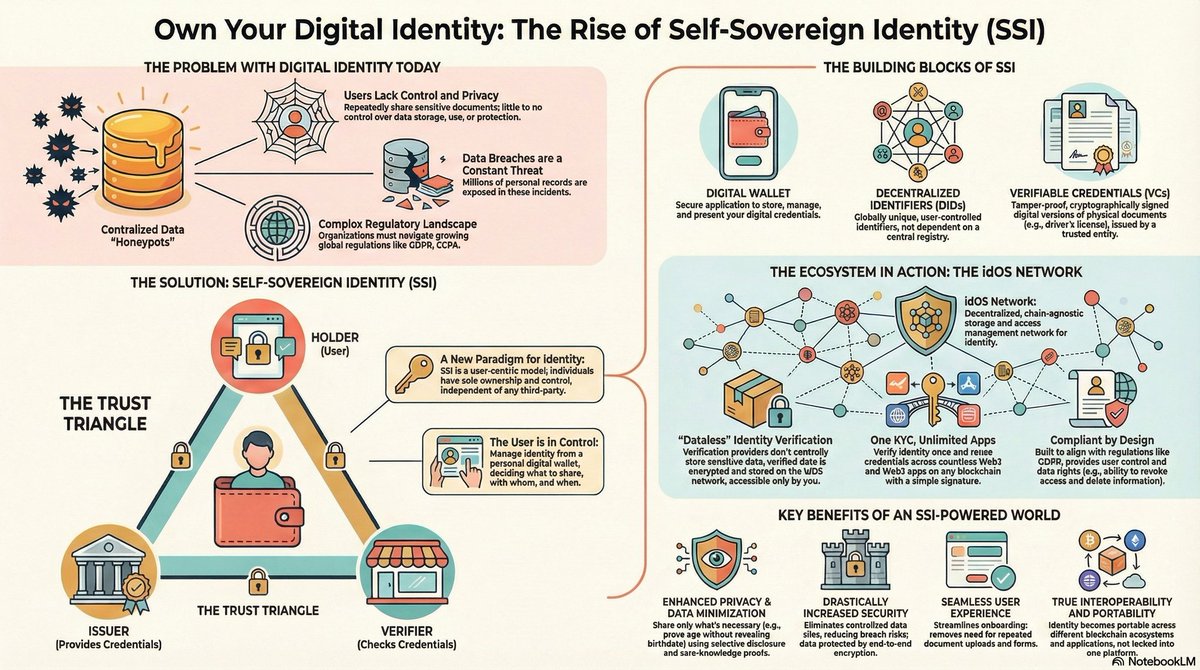
We keep talking about decentralized identity (DID) like it's a future concept. It's not. The adoption wave is building right now. Not from hype, but from solving today's most grating real-world problem: data re-use in regulated environments.
Think about it. Every single app, every bank, every gov't service makes you upload the same documents. Your passport. Your utility bill. Your face. Over and over. It's a massive friction wall and a data privacy nightmare. We're all drowning in duplication.
This is where @idOS_network (Identity Data Oracles) become the game-changer. They're the critical bridge.
Here’s how it breaks the cycle:
You verify your core data ONCE with a trusted, compliant provider. This gets anchored to your decentralized identity (a wallet, a passkey).
The IDO acts as a secure, permissioned gateway. When a new regulated platform (DeFi, social app, employer) needs proof of your "credential" (like KYC), they don't ask YOU for raw data.
They query the IDO. The IDO checks: Does the user have this verified credential? Do they consent to share it with this specific entity for this specific purpose?
It returns a simple, cryptographic "YES" or "NO" – or a minimal, compliant data package. No raw PDFs flying around. No new scans.
The result? Friction melts away. User experience becomes a "one-click verify." Platforms get the assurance they need, compliantly, without becoming data hoarders themselves.
The magic is in the oracle model. It doesn't hold your data. It facilitates the proof of it. This unlocks true data reusability across sectors while staying inside regulatory guardrails. Privacy and compliance, together.
We're moving from an internet of endless forms to an internet of seamless, verified interactions. The infrastructure is being built right now. The slow build is over. The "all at once" moment for decentralized identity is here—and it's wearing the practical, unsexy clothes of solving real user pain.
#DecentralizedIdentity #SelfSovereignIdentity #Web3 #RegTech #Privacy #IDOs #UserExperience #KYC #DeFi


(Fundamental Analysis)
Analyzed @idOS_network. It’s infrastructure designed to fix the KYC bottleneck for the stablecoin economy.
Here’s the breakdown of what actually matters:
**The Core Utility**
Most identity protocols just give you a wallet credential. idOS builds a decentralized storage network. You verify your identity once (say, with a neobank), encrypt it, and store it. When another app needs it, you grant access instead of re-uploading documents.
The unlock: It separates the "identity" (verified data) from the "application."
Architecture
It’s a dual-network setup, which is smart for scaling:
Storage Network (L1): Built on Kwil (decentralized database). Holds the encrypted data. It's permissioned right now (nodes must be KYB'd) to ensure accountability for GDPR/data laws.
Economy Network (L2): An Arbitrum Orbit chain. This handles the fees, staking, and access grants. Keeps the high-volume transaction costs low.
The "RegTech" Moat
They aren't just ignoring regulation. They engineered around it.
GDPR vs. AML: Usually, these laws conflict (GDPR says "delete data," AML says "keep records for 5 years").
The Fix: They use "Time-Locked Access Grants." If a user deletes their profile, the bank still retains cryptographic access to the specific data they need for the mandatory retention period. This is the feature that actually gets institutions on board.
Consortium & Backing
This isn't a solo dev team. It's a consortium play.
Partners: Circle (USDC), Arbitrum, NEAR, Gnosis, Ripple.
Implication: If Circle or Arbitrum native apps integrate this as the default compliance standard, the user base is built-in.
**Tokenomics ($IDOS)**
Supply: 1 Billion fixed.
Utility: Gas for the storage network and staking for node operators.
Distribution: 41.3% to Community (15% for staking rewards, distributed over 10 years).
TGE:Targeted for Q4 2025. They pushed it back to prioritize product utility over a quick flip.
**Risks**
Centralization: The storage network is permissioned. They vet the operators. It's necessary for compliance right now, but it's a trust vector until they decentralize further.
Adoption Friction: It requires apps to integrate their SDK. It's a classic chicken-and-egg problem: users won't join without apps, apps won't join without users.
**Verdict**
It’s unsexy plumbing, but it solves a real problem for stablecoin issuers who are terrified of regulators. If the "Time Lock" feature works as advertised, it’s a strong B2B play.
@wallchain

Navigating financial compliance is a maze of audits, SEC/FINRA rules, and constant scrutiny.
Opaque, centralized records create friction, risk, and blind trust.
@DataHaven_xyz flips the script with verifiable storage that solves compliance at its core.
🔐 The Problem with Centralized Storage:
Traditional financial databases are siloed and mutable.
This creates audit nightmares, manual reconciliation costs, and vulnerabilities to fraud or disputes.
It's a system built on repeated verification, not inherent trust.
✅ DataHaven's Fraud-Proof Solution:
It provides a shared, tamper-evident source of truth.
By anchoring records like trades, settlements, and compliance logs to its decentralized network with cryptographic proofs, it ensures:
• Immutable Integrity: Records cannot be altered, with a verifiable chain of custody.
• Independent Auditability: Regulators & counterparties can confirm a transaction's authenticity without accessing sensitive internal systems.
• Automated Compliance: Streamlines meeting retention requirements for SEC, FINRA, and auditors.
🏦 Real-World Impact:
For a digital asset exchange, this means lower audit costs, reduced dispute risk, and a stronger, transparent reputation.
It builds trust from both sides of the market.
DataHaven isn't just storage, it's the foundational trust layer modern finance needs.
#FinTech #DeFi #Compliance #RegTech #DataHaven #Blockchain


Almost the end of 2025.
No wins to celebrate.
Just facts.
10+ grant applications rejected.
4 serious institutional conversations — 1 moved to next steps.
Built and shipped a live product: zkOrigoPlus.
Published a research paper on SSRN.
Secured USD 5k AWS + USD 5k Azure credits to run real infrastructure.
No fundraising.
No vanity metrics.
Just pressure-testing ideas against reality.
Still building. Still validating.
Letting reality decide.
https://t.co/HmwvCm3CNI
#buildinpublic #fintech #banking #compliance #iso20022 #regtech #infrastructure #founderlife


(Fundamental Analysis)
Analyzed @idOS_network. It’s infrastructure designed to fix the KYC bottleneck for the stablecoin economy.
Here’s the breakdown of what actually matters:
**The Core Utility**
Most identity protocols just give you a wallet credential. idOS builds a decentralized storage network. You verify your identity once (say, with a neobank), encrypt it, and store it. When another app needs it, you grant access instead of re-uploading documents.
The unlock: It separates the "identity" (verified data) from the "application."
Architecture
It’s a dual-network setup, which is smart for scaling:
Storage Network (L1): Built on Kwil (decentralized database). Holds the encrypted data. It's permissioned right now (nodes must be KYB'd) to ensure accountability for GDPR/data laws.
Economy Network (L2): An Arbitrum Orbit chain. This handles the fees, staking, and access grants. Keeps the high-volume transaction costs low.
The "RegTech" Moat
They aren't just ignoring regulation. They engineered around it.
GDPR vs. AML: Usually, these laws conflict (GDPR says "delete data," AML says "keep records for 5 years").
The Fix: They use "Time-Locked Access Grants." If a user deletes their profile, the bank still retains cryptographic access to the specific data they need for the mandatory retention period. This is the feature that actually gets institutions on board.
Consortium & Backing
This isn't a solo dev team. It's a consortium play.
Partners: Circle (USDC), Arbitrum, NEAR, Gnosis, Ripple.
Implication: If Circle or Arbitrum native apps integrate this as the default compliance standard, the user base is built-in.
**Tokenomics ($IDOS)**
Supply: 1 Billion fixed.
Utility: Gas for the storage network and staking for node operators.
Distribution: 41.3% to Community (15% for staking rewards, distributed over 10 years).
TGE:Targeted for Q4 2025. They pushed it back to prioritize product utility over a quick flip.
**Risks**
Centralization: The storage network is permissioned. They vet the operators. It's necessary for compliance right now, but it's a trust vector until they decentralize further.
Adoption Friction: It requires apps to integrate their SDK. It's a classic chicken-and-egg problem: users won't join without apps, apps won't join without users.
**Verdict**
It’s unsexy plumbing, but it solves a real problem for stablecoin issuers who are terrified of regulators. If the "Time Lock" feature works as advertised, it’s a strong B2B play.
@wallchain

🗡️ DATA SHOCK: Despite US 'free speech' crusade, EU's DSA birthed a $50B+ RegTech boom (3X US growth rate)! Musk preaches freedom but scrubs hate speech → hypocrisy alert. 🚨 Thiel was right: 'Competition is for losers.' Who's building the iPhone of governance models whi
Last Seen Hashtags on Sotwe
Most Popular Users

Elon Musk 
@elonmusk
240M followers

Barack Obama
@barackobama
118.6M followers

Cristiano Ronaldo
@cristiano
114.4M followers

Donald J. Trump
@realdonaldtrump
111.7M followers

Narendra Modi
@narendramodi
106.9M followers

Rihanna
@rihanna
98.6M followers

NASA
@nasa
92.1M followers

Justin Bieber
@justinbieber
91.7M followers

KATY PERRY
@katyperry
89.9M followers

Taylor Swift
@taylorswift13
83.9M followers

Lady Gaga
@ladygaga
75.4M followers

Virat Kohli
@imvkohli
73.3M followers

Kim Kardashian
@kimkardashian
70.8M followers

YouTube
@youtube
68.6M followers

Neymar Jr
@neymarjr
66.3M followers

Bill Gates
@billgates
65.2M followers

Selena Gomez
@selenagomez
63M followers

The Ellen Show
@theellenshow
62.1M followers

CNN
@cnn
61.7M followers

X
@x
60.6M followers