This book is about a discovery that answers all the perplexing questions surrounding ancient megalithic structures, presenting the incredible achievements of ancient civilizations in a new, logical, and easily understandable framework. Suddenly, their accomplishments don’t seem so unbelievable anymore.
For instance, how did the Incas, ancient Egyptians, or Indian builders transport stones weighing hundreds of tons from quarries to construction sites before the invention of the wheel? How did they even lift them? And how did they move them across mountains to the peaks of neighboring hills in Peru, through rugged terrain?
How did they carve these stones so precisely with just copper chisels, to the point where you can’t even slide a razor blade between them? What’s the reason behind the seemingly random shapes of the stones? Was it really all about earthquake-proofing?
Or how did they shove 40-60 ton granite boxes into narrow chambers in Saqqara, Egypt? Moving stones of this size would require 400-600 strong men, but those tunnels barely fit a dozen people around the stone.
Spoiler alert: they didn’t. Or to put it differently: they used buckets. These ancient, gigantic stones and sarcophagi are as artificial as the concrete slab on my roof, just with a very different recipe.
Oh, right, thanks for asking – yes, I do have the recipe, and I’ve written it in the book. This ancient method of casting artificial stones has been rediscovered and is being used again in many places around the world.
But before I start bragging that I discovered all this, I have to mention that in the 19th century, almost everyone knew about this technology. Books were published on the topic in the US, Germany, and the Netherlands, and people were thrilled about the advent of artificial stones—until Portland cement, with its cheapness and simplicity, pushed the technology into obscurity once again.
How many times the artificial stone technology has been discovered and forgotten throughout history is a good question. I’ve personally identified at least five different historical points. In my “catalog,” ancient Egyptian artificial, cast stones are version 4.0. Before that, there were at least three earlier versions.
We need to go back to the last Ice Age to uncover the secret of Stone 1.0, or how humanity might have accidentally discovered artificial stone, much like how wine and other inventions were discovered by sheer chance. Once they found the natural process that creates stone on its own, smart prehistoric humans could replicate it, leading to the creation of Stone 1.0, or the menhirs.
There are over 50,000 menhirs in Europe, and they weren’t quarried anywhere. That’s because they’re artificial stones. In ancient times, the four classical elements (earth, water, air, fire) had a real, practical meaning. We’ll uncover what they truly represented.
Looking forward, we trace the journey of artificial stones all the way to today’s 21st-century geopolymer materials. What does a modern French chemist have to do with the stones of the pyramids?
And if I also mention that this entire subject is closely tied to the ongoing rise in temperatures and climate change over time, I think everyone’s jaws will drop.
All we need to do is map the emergence of ancient civilizations in chronological order, and we see that human history is also the history of moving northward: Sumerians, Egyptians, Babylonians (Assyrians), Persians, Greeks, Hittites, Romans, then Europe. Once you’ve seen it, you can’t unsee it.
These are the questions we’ll explore, with a healthy dose of high-school level chemistry mixed in. Chemistry (or alchemy) only became a ridiculous pseudoscience during the Middle Ages when people tried to turn everything into gold. But what didn’t go off the rails in the dark Middle Ages?
In ancient times, al(chemy) was a real, practical science of material transformation, and without it, we can’t answer these questions. I promise, it won’t hurt!
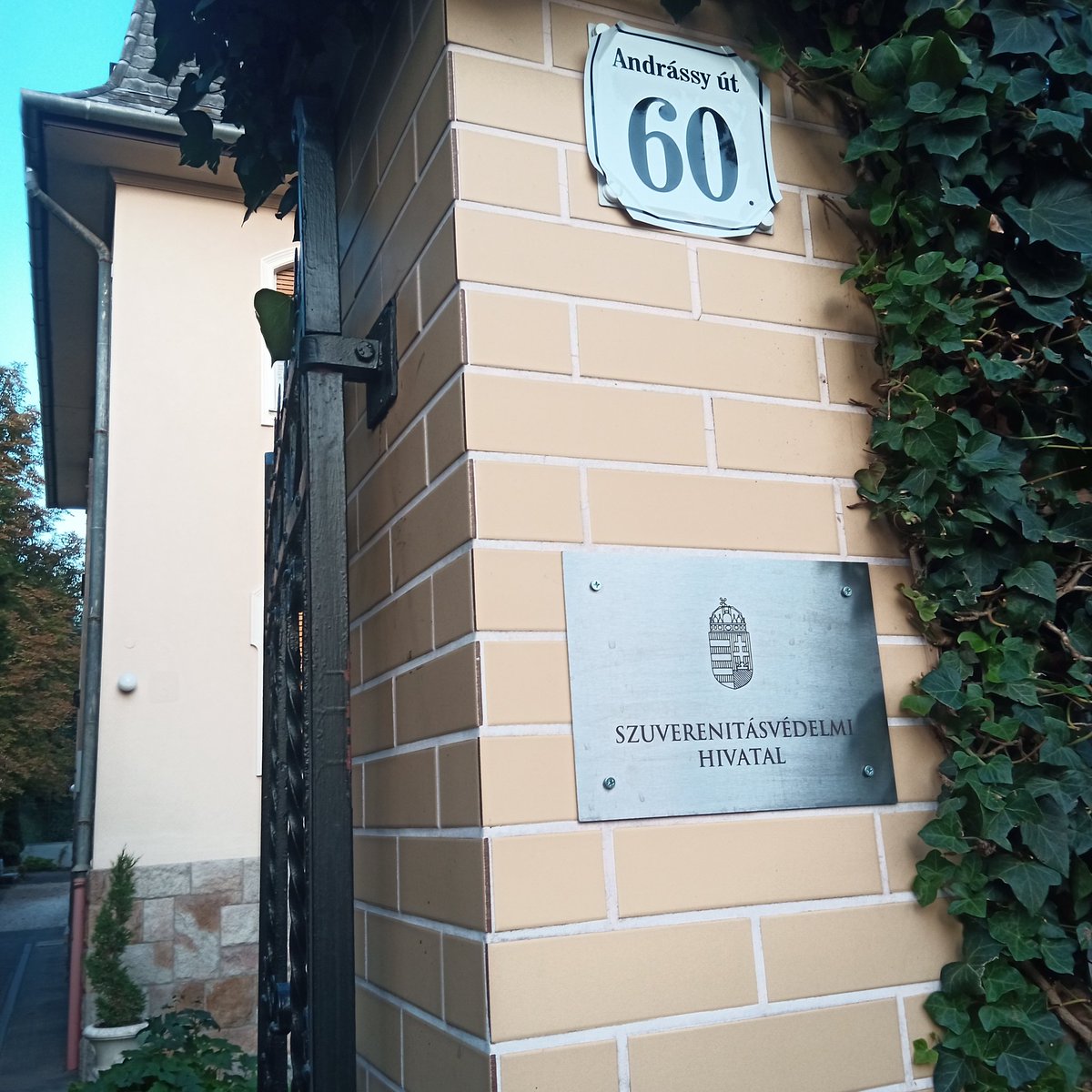
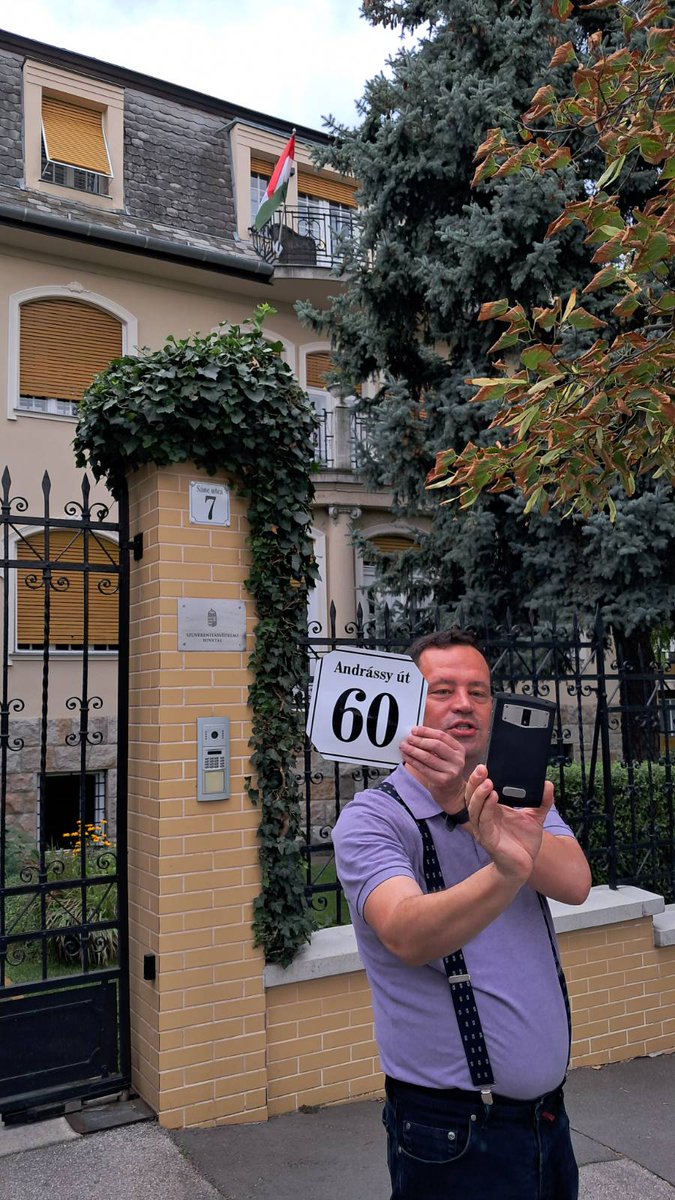
Szolgálati közlemény: Andrássy út 60. lett az új címe a Szuverenitásvédelmi Hivatalnak. Átragasztottuk a házszámukat, hogy ezzel is biztosítsuk a történelmi és politikai folytonosságot az ÁVH-val, amelyik bár egy másik kerületben, de ugyanezen a hírhedt címen létezett.
📱🦟Használjátok a @Mosquito_Alert appot, nagyon menő ahogy az AI pár perc alatt lehatározza! Ez amúgy egy Koreai szúnyog, most délelőtt csípett meg. Nagyon fontos adatokkal segíthetitek a munkánkat
Kaptam egy elégedettségi kérdőívet az @AllianzDirectHU-tól annak alkalmából, hogy "Gépjármű-felelősségbiztosítás szerződése nemrégiben megszűnt."
Az e-mail láblécében az évszám 2023. Ez apróság.
A nagyobb baj az, hogy 2016-ban szűnt meg a szerződésem. Nyolc éve.
Meglepett, hogy ma is létezik a bírósági (népi) ülnök tisztsége. Azt hittem, hogy ez valami szocialista elhajlás, de nem.
Az még jobban meglepett, hogy "Az ülnököknek az ítélkezésben a hivatásos bírákkal _azonos_ jogaik és kötelezettségeik vannak."
#TIL