🚨 387 and rising - Chemmani becomes the island's largest mass grave
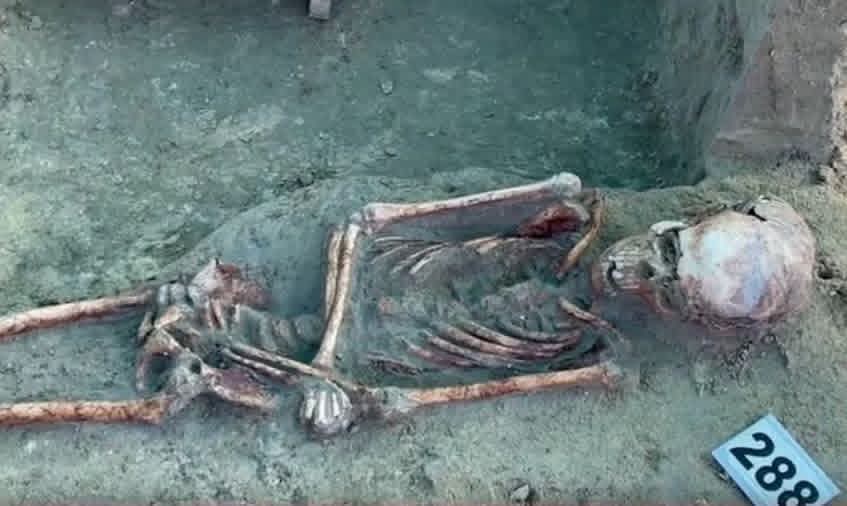
The Chemmani mass grave in Jaffna has become the largest ever uncovered on the island, with the number of skeletal remains identified at the site rising to 387, surpassing the toll recorded at any other mass grave that has been uncovered so far.
The site passed that grim threshold on Wednesday, the 27th day of the third phase of excavations, when the count overtook the 376 human remains recovered from the Mannar Sathosa mass grave, until now the largest recorded on the island.
By Thursday, the 28th day, the figure at Chemmani had risen to 387 sets of skeletal remains identified, of which 367 have been exhumed.
செம்மணி மனித புதைகுழிக்கு��் பாரிய உலோக துண்டு ஒன்று அடையாளம் காணப்பட்டுள்ள நிலையில், அதன் கீழ் என்பு குவியல்கள் என்புக்கூடுகள் காணப்படுவதனால், அதனை பக்குவமாக சுத்தப்படுத்தும் பணிகள் இடம்பெற்று வருகின்றன.
#chemmani #செம்மணி
இலங்கையின் மிகப் பெரும் மனிதப் புதைகுழியாக உருவெடுத்தது செம்மணி மனிதப் புதைகுழி!
செம்மணி மனிதப் புதைகுழியில் இன்று புதன்கிழமை (17.06.2026) வரையான காலப் பகுதியில் 380 எலும்புக் கூட்டுத் தொகுதிகள் அடையாளம் காணப்பட்டது. இதன்மூலம் இன்றிலிருந்து செம்மணி மனிதப் புதைகுழி இலங்கையின் மிகப் பெரும் மனிதப் புதைகுழியாக உருவெடுத்துள்ளது.
🚨 Chemmani mass grave toll reaches 366 ahead of ministerial visit
The number of skeletal remains identified at the Chemmani mass grave in Jaffna has risen to 366, as excavators uncovered further remains of children on Tuesday, at one of the largest mass graves unearthed on the island and a site long tied to the enforced disappearance and extrajudicial killing of Tamils by the Sri Lankan military.
Six sets of skeletal remains, including those of children, were recovered on the 26th day of the third phase of excavations, while a further six were newly identified during the day's work. Two coins, found attached together, were recovered as evidentiary material from the pelvic area of one of the remains.
A total of 366 sets of skeletal remains have now been identified at the site, of which 357 have been excavated and recovered.
💫 The North-Eastern - Eelam Tamil magazine launched in Jaffna and Batticaloa
A new English-language print magazine has been launched in the Tamil homeland, with events in Jaffna and Batticaloa timed to coincide with the 50th anniversary of the Vaddukoddai Resolution.
The North-Eastern, a quarterly covering politics, arts and culture relevant to Eelam Tamils, was published last month. Both launch events drew lively exchanges between attendees and panellists, among them the publisher B Puthiyavan, based in Mullaitivu, the Tamil editor T Aarani, based in Vavuniya, and the editor-in-chief Mario Arulthas, based in Toronto.
🪔 Remembering 1956 – Sri Lanka’s first Anti-Tamil pogrom
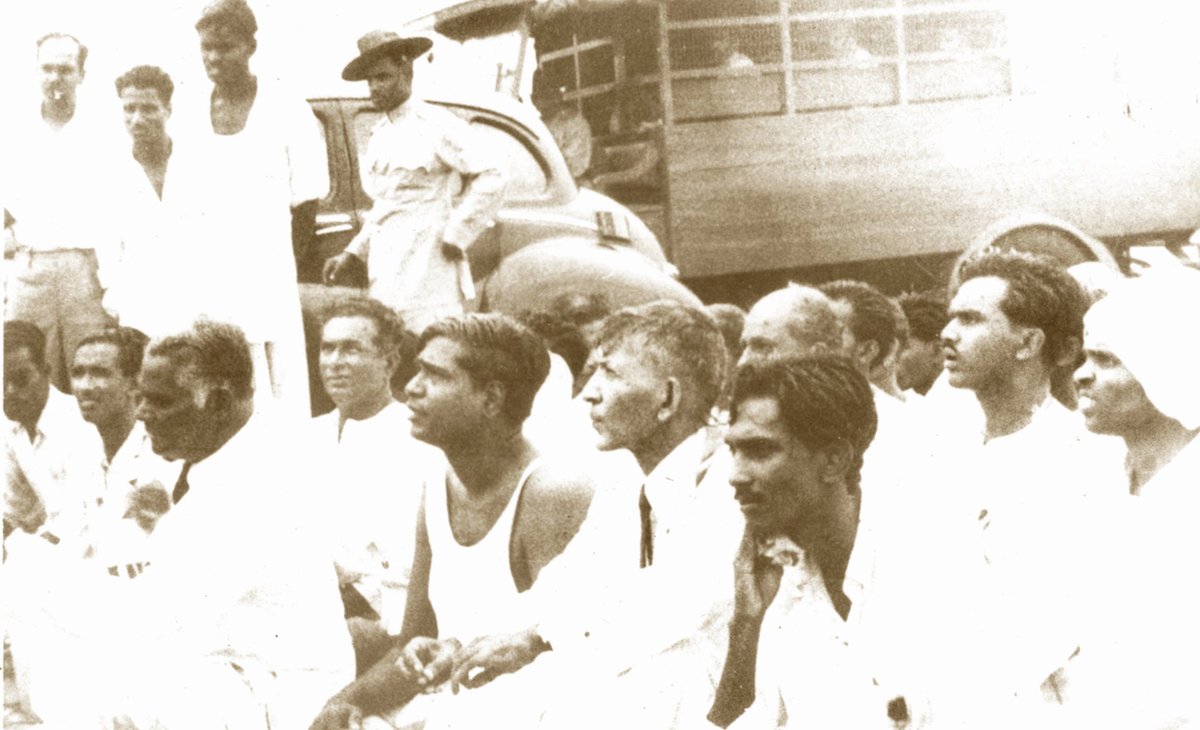
This week marks 70 years since Sri Lanka’s first anti-Tamil pogroms, when government backed Sinhala mobs murdered more than 150 Tamils across the island – the first of many massacres that were to take place in the decades to come.
Violence first flared as Tamil politicians protested peacefully outside the Sri Lankan parliament in Colombo, condemning the Sri Lankan Freedom Party’s (SLFP) efforts to pass the Sinhala Only Act on June 5, 1956.
As hundreds of Tamils, led by the Federal Party’s SJV Chelvanayakam, staged a satyagraha - peaceful sit-in protest - on Galle Face Green, they were set upon by a Sinhala mob.
🚨 Sri Lanka threatens legal action over Hindu worship at Kurunthur Malai
Sri Lanka's acting head of archaeology has claimed that no evidence exists of a Hindu temple ever having stood at Kurunthur Malai in Mullaitivu, and refused permission for the Tamil shrine at the site to be rebuilt, in the latest move in a years-long state-backed effort to seize the hilltop for Sinhala Buddhism.
The hill is home to the Athi Aiyanar temple, where Tamil families have for generations worshipped Adi Sivan Aiyanar, a local Siva deity, gathering each year for Pongal observances and other rites.
Over the past several years the site has been the target of a sustained appropriation effort, in which Sinhala Buddhist monks, backed by the Department of Archaeology and the Sri Lankan military, constructed a Buddhist vihara on the hilltop and consecrated a Buddha statue there, in defiance of a Mullaitivu Magistrate's Court injunction barring any new construction.
@Sacsri3@Tamileelam26 Do you know why that's for? It is to kill themself even before tortured and raped by SL army when they captured alive. They know it's better to kill themself than captured alive to uncivilized cowards.