Congratulations to John Eric Humphries (@john_eric) for being named a 2026 Sloan Research Fellow!
Humphries is one of three @Yale faculty members honored this year by the @SloanFoundation. Learn more about his background & research in our Q&A: https://t.co/ZYjnf1DPIc
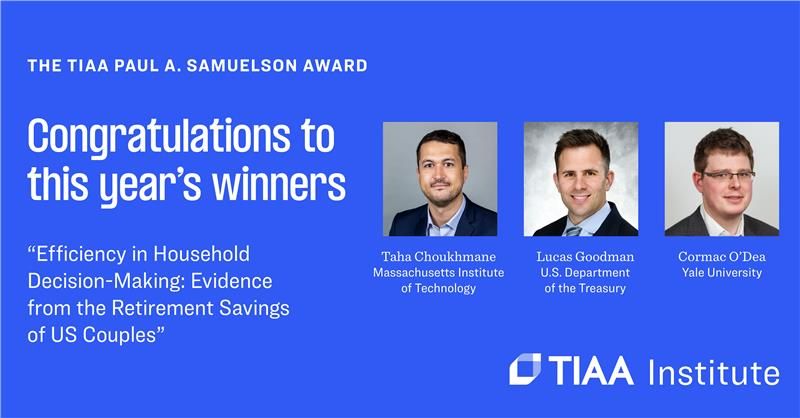
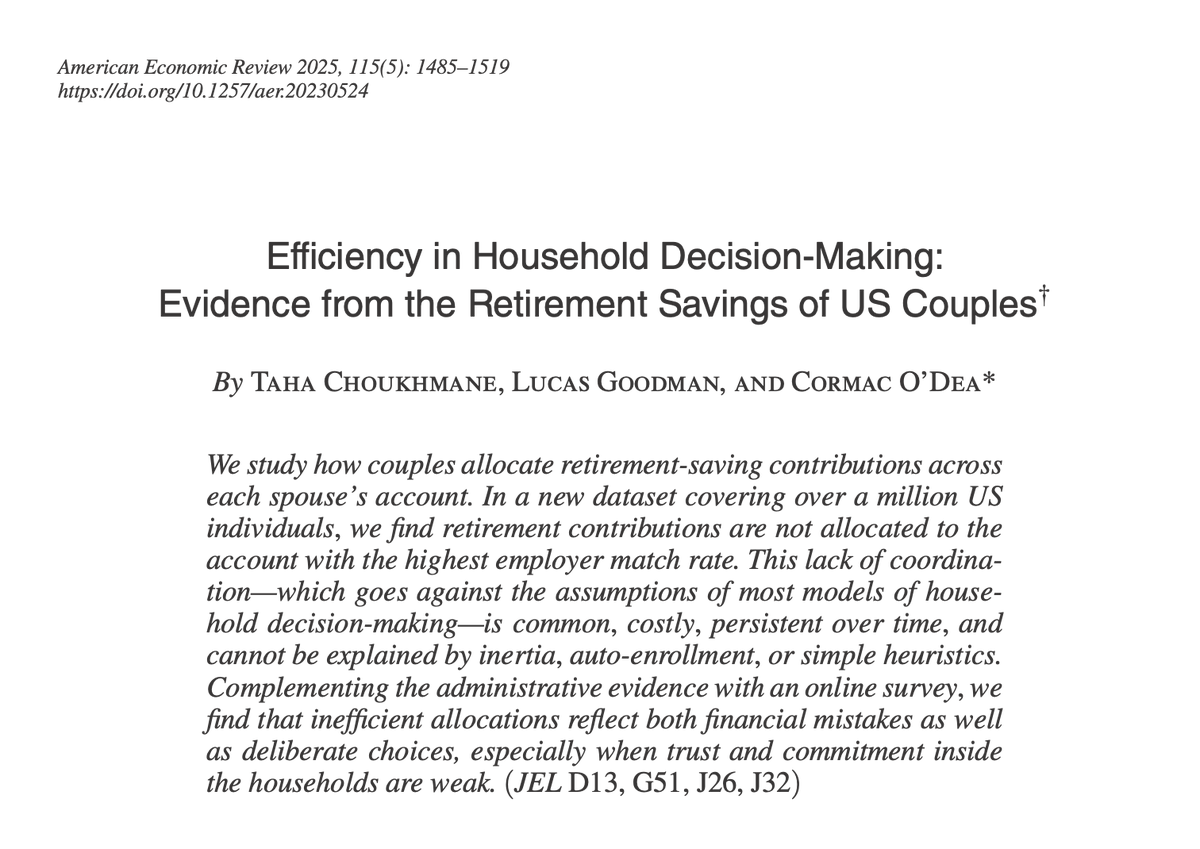
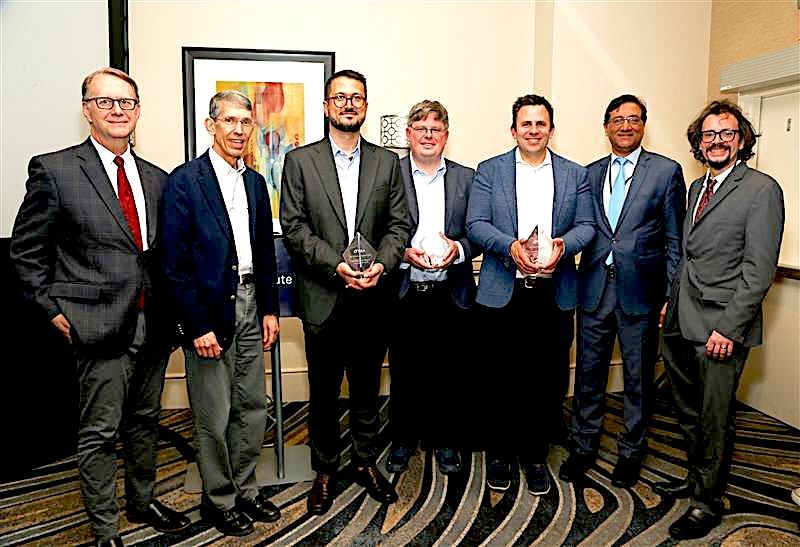
Congratulations to @Yale's Cormac O'Dea, & coauthors Taha Choukhmane / Lucas Goodman, for winning the 2025 @TIAA Samuelson Award for their paper “Efficiency in Household Decision-Making: Evidence from the Retirement Savings of US Couples”
Full story here: https://t.co/mHTQXNaqQE
MCKINSEY JUST DROPPED THEIR 2025 AI REPORT.
HERE’S THE TLDR:
1/ 90% of companies “use AI,” but 67% are still stuck in pilot mode. Corporate AI theater is alive and well lol.
2/ 62% of orgs are experimenting with AI agents, 23% are scaling AI agents. Most are in tech and healthcare.
3/ The impact gap is massive. 64% say AI helps innovation, but only 39% see real EBIT gains.
4/ The high performers (top 6%) think bigger. They rebuild workflows, set growth goals, and invest real budgets not just POCs.
5/ Leaders who own AI personally are 3x more likely to scale it. Makes sense.
6/ The winners use AI to transform how work gets done, not just speed it up.
7/ The average company measures efficiency. The best ones measure how fast their agents can act.
8/ Risk management is catching up with 51% have already seen AI backfire, mostly from inaccuracy.
9/ The workforce impact is foggy. 32% expect cuts, 13% expect growth, everyone else is guessing.
10/ AI adoption is mainstream, but true transformation hasn’t started. Early days.
There is a lot of skepticism to the idea that AI is impacting the job market for some reason, but the pattern of job postings is consistent with AI-substitutable jobs declining, and AI-complementary jobs (like senior roles) increasing
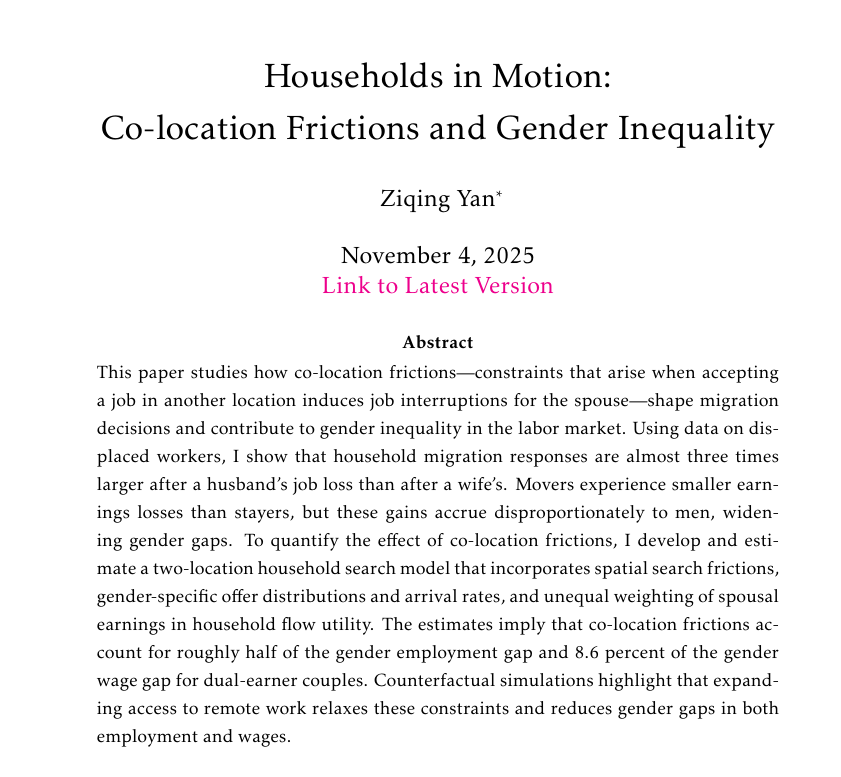
When couples move for one spouse’s job, women often pay the price. Why & how much? In her JMP, my awesome student @DorisYan666 looks @ displaced workers (exog job loss-smart!) in a HH job-search model. Co-location explain 1/2 of gender empl gap. Read more https://t.co/VzfbOcT9RI
Combining evidence from displaced workers with a household search model, Ziqing’s JMP shows how co-location frictions—when moving for one spouse’s job comes at the cost of the other’s—amplify gender gaps in mobility, employment, and wages.
Website: https://t.co/Nvbpv40kwu
@DorisYan666
I am impressed with the new cohort of job market candidates in economics. Ziqing's paper builds on our old power couples paper along several dimensions.
https://t.co/mmYucR6Yt7
@mattkahn1966 Dear Professor Kahn, thank you so much for sharing my job market paper and for your nice words! Costa and Kahn (2000) has been one of my favorite readings in the family co-location and migration literature!
We’re excited to introduce the @Yale Department of Economics 2025-26 Job Market Candidates!
Look out for individual posts about their research interests and job market papers this week, and learn more about the candidates here: https://t.co/dOjlJtkEUV
We’re excited to welcome Janet Currie to the Department and @YaleTobinCenter!
Her research shows how smarter policy—on education, health coverage, clean air, & mental-health care—can change the life-trajectories of kids and the families who raise them. https://t.co/0rfzwMM8lV
#econtwitter Would like to compile a list of summer internship opportunities for econ PhD students. Let me start here: Microsoft, Amazon, various regional Fed. Please reply to expand the list! Thanks.
Workers who entered the labor market during economic downturns have lower cognitive skills many years later. Just Accepted new paper by Jaime Arellano-Bover (@J_ArellanoBover) https://t.co/CiJiC2ORYg