Day 14 of building a "ChatGPT, for growing your social audience"
▶️ 20‑sec peek of turning blank ideas → finished X threads with brand voice, AI images & charts, & swipe‑ready templates.
Stop paying with your time. Start printing engaging posts.
Interested in trying it?
every product has a feature that 5% of users love and 95% ignore
the 5% scream when you try to remove it
the 95% don't notice it exists
this is why most products become bloated messes. we're too scared to disappoint the loud minority.
most companies die during the transition from "everyone does everything" to "everyone has a role"
the magic isn't in staying small forever.
it's in keeping the speed and chaos that made you work while adding just enough structure that nothing breaks.
replying to big accounts doesn't work if you say "great post!"
but if you add a contrarian take or expand their point with something they missed, people click your profile
engagement isn't about agreeing. it's about being interesting enough to notice.
raise your hand if you've ever shipped a feature just to close a ticket from that one enterprise customer who threatened to churn
now keep it raised if that feature became technical debt within 6 months
yeap that's what I thought, is it ever worth it?
everyone's portfolio site has the same structure:
1. hero section with vague title
2. "selected works" with 3 case studies
3. contact form no one uses
meanwhile their X has way more personality and actual work, this should replace your portfolio
Products that let you undo anything get forgiven faster.
Gmail's undo send bought them years of goodwill.
Figma's version history makes people braver.
Reversibility builds trust. And in 2025 still insanely difficult to build and get right.
my favorite product evolution:
1. launch with one button
2. users complain it doesn't do enough
3. add 15 buttons
4. users complain it's too complex
5. remove 15 buttons
"wow this is so clean"
we just did a full lap
Been thinking about tools that disappeared: Google Reader, Sunrise Calendar, Wunderlist.
They all solved real problems. Had loyal users. Got acquired and killed.
Makes you wonder if "exit" is always the right goal, or if staying independent and boring has different upside.
Three pricing page mistakes I keep seeing:
1. Annual discount bigger than the switching cost
2. Feature comparison chart with 20 rows
3. "Contact us" where a number should be
If your pricing creates homework, people close the tab.
Everyone talks about product-market fit like it's a destination.
It's actually more like tuning a guitar.
You find it, then it drifts, then you find it again.
Markets move. Products drift. The work is never done.
The gap between "I understand this technically" and "I can explain this to my mom" is where most good ideas die.
If you can't draw it on a napkin, you don't understand it yet.
Three things I'm watching in dev tools right now:
AI pair programming going from autocomplete to actual reasoning
Local-first architectures making a quiet comeback
The unbundling of Figma starting to happen
The intersection of these three is where it gets interesting.
Real talk for founders:
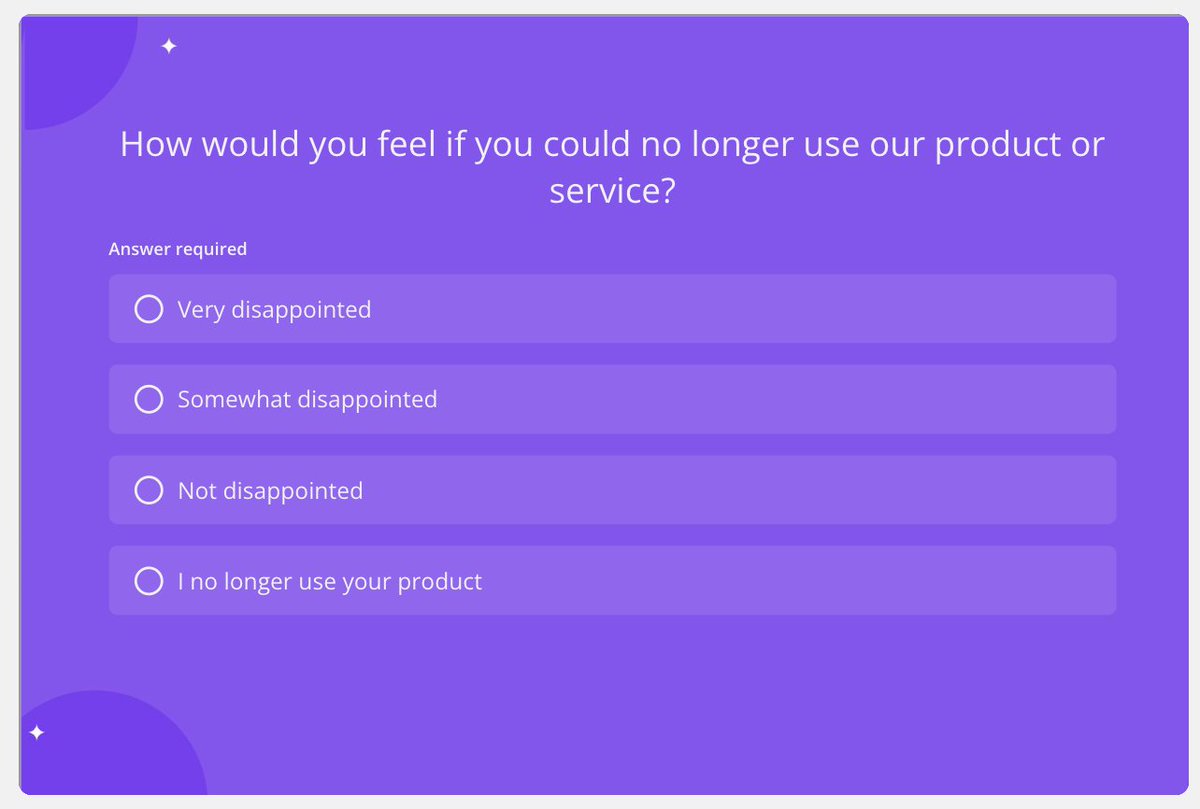
The PMF survey will hurt
You'll want to survey everyone to boost your score
You'll want to reword the question to get better answers
You'll want to explain context before asking
Don't
Survey only your best users
Ask the question exactly as written
Accept whatever number you get
The truth at 25% PMF is more valuable than the lie at "40%"
Because you can fix 25%. You can't fix self-deception
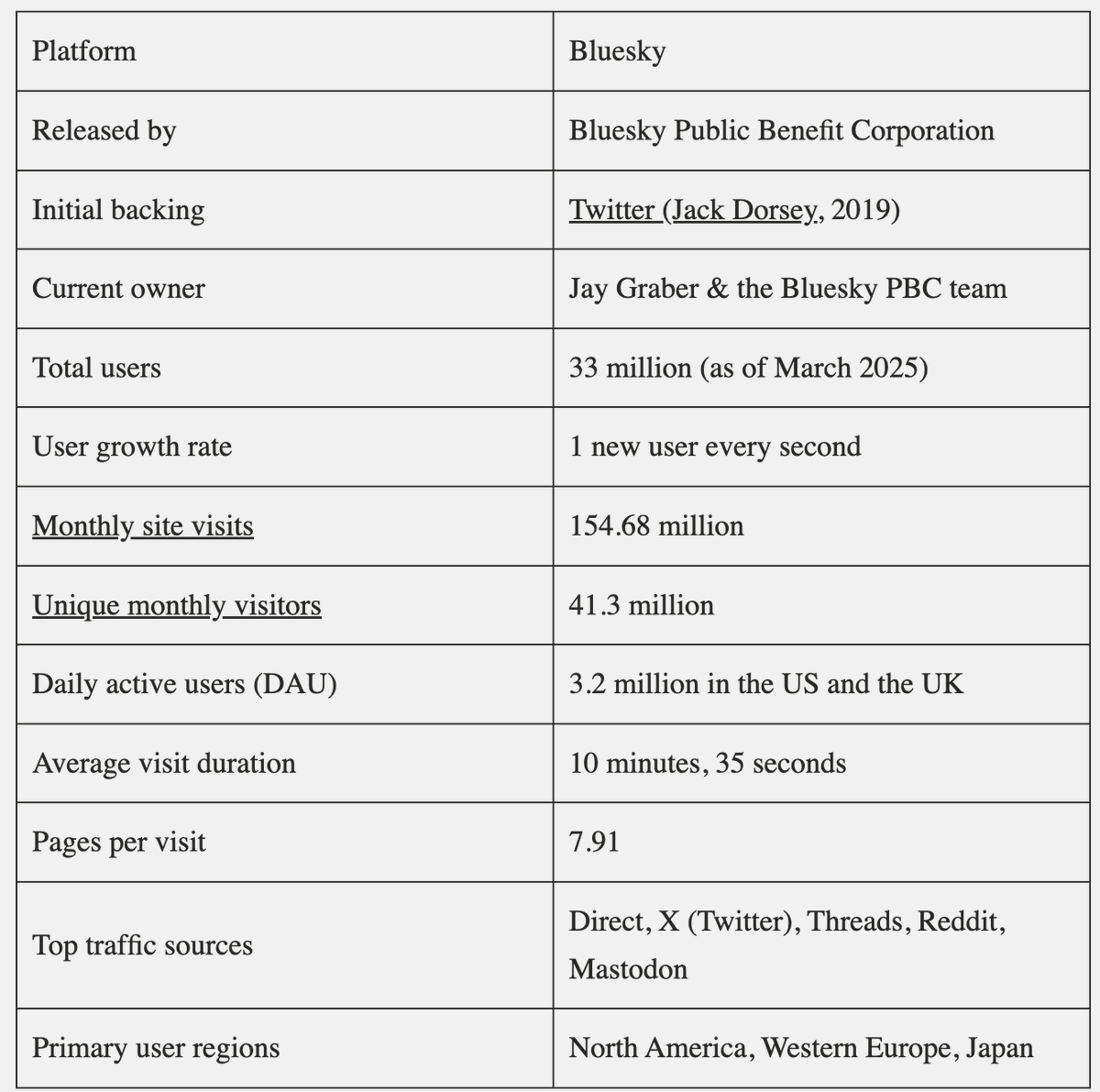
Was doing a little comparison research found that Bluesky's user base: 64% male, 42% ages 18-24
Compare to Twitter which was always more balanced
This tells you everything about who actually migrates to new platforms: young tech men with time to rebuild their follower count from zero