🇮🇹 “Logical Thinking vs Natural Sensing” 🌻Conoscere X Esistere 🔥Knowledge Empowers Resilience 🔎 Transparency an Unavoidable Must 💪il Tuo Corpo Non Mente
Durante l'era egemonica, la sicurezza si basava sulla dominazione, o sulla "pace attraverso la forza".
Non c'era bisogno per l'Occidente di comprendere le preoccupazioni di sicurezza dei suoi avversari, e la diplomazia fu sostituita da ultimatum e minacce.
L'egemonia occidentale è ora finita, e l'Occidente politico deve imparare di nuovo la diplomazia.
Come dimostra Hegseth, l'unico piano è colpire duramente l'Iran e sperare che faccia ciò che gli Stati Uniti richiedono.
Gleen Diesen
🍒 Conoscere X r-Esistere
During the hegemonic era, security relied on dominance, or "peace through strength." There was no need for the West to understand the security concerns of its opponents, and diplomacy was replaced by ultimatums and threats. Western hegemony is now over, and the Political West must learn diplomacy again. As Hegseth demonstrates, the only plan is to strike Iran hard and hope that it will do as the US demands.
IL MITO DELLA LONGEVITÀ E LE LACUNE DEI "GRANDI SAPIENTI": IL CASO ODIFREDDI
Oggi, navigando su YouTube, mi è apparso quasi per caso il video di un seminario del Professor Piergiorgio Odifreddi. Ascoltandolo, sono rimasto colpito da una sua affermazione, pronunciata quasi en passant: secondo lui, la medicina ortodossa avrebbe raddoppiato la durata della vita del genere umano.
Chi mi segue da tempo si ricorderà sicuramente che, proprio qui sulla piattaforma X, avevo già avuto una piccola divergenza di vedute con Odifreddi. E questo nuovo video non fa che confermare la mia impressione di allora: il Professore, per quanto sia una mente eclettica e ricca di sapienza in vari campi, si dimostra purtroppo un mediocre conoscitore della storia della medicina e delle sue reali conquiste.
Affermare che la vita umana sia raddoppiata grazie alle scoperte della medicina dogmatica e sintomatica è falso. La storia e i dati ci dicono altro.
I veri fattori dell'allungamento della vita
Se oggi l'aspettativa di vita è più alta, lo dobbiamo principalmente a fattori strutturali, sociali e tecnologici:
L'igiene pubblica e l'elettricità: L'accesso all'acqua potabile ha cambiato la storia.
Un tempo l'acqua era veicolo di infezioni mortali, tanto che i frati (specialmente i trappisti) dovettero inventare la birra per offrire una bevanda purificata e sicura. L'elettricità ha permesso la potabilizzazione su larga scala, oltre alla regolazione termica nelle case e nelle auto, riducendo lo stress biologico.
L'automazione del lavoro: Le macchine hanno sostituito il logorante lavoro manuale. Un cavallo che tira un carro vive la metà del tempo rispetto a un cavallo libero. Lo vediamo ancora oggi: nei paesi in via di sviluppo, o anche nelle nostre società occidentali, chi è sottoposto a lavori manuali pesanti si ritrova spesso con un corpo già profondamente logorato a 40 anni.
Il tempo libero: La possibilità di mitigare lo stress applicandosi in attività piacevoli e congeniali ha un impatto enorme sulla salute psicofisica.
La prova del nove è immediata: nei paesi più poveri, dove mancano igiene costante e acqua potabile, le prospettive di vita restano drammaticamente basse, a prescindere dai farmaci esistenti sul mercato globale.
La distinzione tra "Pronto Intervento" e "Medicina Sintomatica"
Sia chiaro: alla medicina moderna vanno riconosciuti i meriti storici del pronto intervento, della chirurgia ricostruttiva, dei farmaci salvavita d'emergenza e di alcune grandi scoperte della microbiologia. Il resto, però, è quasi interamente gestione del sintomo.
Guardiamo l'altra faccia della medaglia, quella che i dati ufficiali ci mostrano ogni anno:
solo in Italia si registrano circa 200 mila decessi all'anno per cancro, nonostante le tanto decantate e miracolose cure oncologiche standard.
A questi si aggiunge il triplo dei decessi per malattie cardiovascolari, senza contare l'esplosione di patologie come Parkinson, Alzheimer, SLA, malattie autoimmuni, metaboliche e autismo.
Assenza di morte non significa qualità della vita
Arriviamo sì a un'età senile, ma a quale prezzo? Un'umanità imbottita dalla mattina alla sera di farmaci per la pressione, per il colesterolo, per il diabete, antinfiammatori, o sottoposta a cicli infiniti di chemio e radio. L'assenza di morte non coincide automaticamente con la qualità della vita.
Questo è il punto cieco che la maggior parte delle persone non riesce a cogliere, perché costantemente bombardata dalla propaganda dell'industria del farmaco e dei suoi complici, che controllano capillarmente gli organi di informazione e di vigilanza. Qualsiasi voce fuori dal coro, qualsiasi dissenso, contraddittorio o nuova linfa di sapere viene sistematicamente boicottata e imbavagliata.
Il ruolo degli intellettuali
Questo tema della censura e del condizionamento scientifico il "grande sapiente" Odifreddi non lo ha nemmeno sfiorato.
Lui, che di solito approfondisce ogni dettaglio, su questo argomento mostra una lacuna macroscopica. Lo abbiamo visto chiaramente durante la pandemia, nel modo in cui si è atteggiato rispetto ai vaccini Covid, insieme a figure come Galimberti, Gassmann e tanti altri personaggi noti che, in quel frangente, hanno mostrato la loro vera faccia.
Io ammiro Odifreddi, mi piace e condivido gran parte dei suoi discorsi culturali e logici. Tuttavia, quando si parla di medicina e salute, forse dovrebbe essere meno frettoloso nell'esprimere concetti superficiali. A volte, anche per i più grandi intellettuali, sarebbe meglio concentrarsi su ciò che si conosce davvero.
Voi cosa ne pensate? La medicina moderna ci sta regalando salute o sta solo prolungando la gestione della malattia?
So what is in "The Deal with Islamic Republic of Iran"?
If you're confused, it's normal: the US and Iran already publicly disagree on what they agreed to, and it's not even a "deal": just a memorandum of understanding (MOU) that sets the terms for negotiating the actual deal within the next 60 days.
We do, however, know a few things:
1) Israel is actively trying to undermine the deal - for instance by striking Beirut yesterday Sunday.
Israeli media say that the deal is causing "profound concern among Israeli officials," that "Israel, despite having started the war alongside the US, was not involved in the negotiations," and that "the deal do[es] not achieve the goals of the war that were set out by the US and Israel" (https://t.co/hMqvezz08J).
That last part is clear: the very existence of this MOU proves the objectives of the war were not met, as they certainly didn't include the US negotiating an exit with an undefeated Iran while Israel is freaking out about it on the sidelines.
2) We know, because both parties and Pakistan (the mediator) confirmed it, that a finalized MOU does exist and that it's due to be formally signed on Friday in Switzerland by JD Vance and maybe Trump himself (Vance told Fox News: “I certainly plan to be there, but it’s possible the president himself could be there” https://t.co/sTmdfAv7DS)
3) We know Trump ordered the US naval blockade to be lifted (supposedly today, Monday)
4) The Strait of Hormuz will reopen on the Iranian side (though both parties publicly spun the terms differently - Trump says "toll-free," Iran's FM Araghchi says with "service fees")
5) The war would end on all fronts including Lebanon - both sides used this exact phrase. Israel, obviously, is trying hard to spoil this.
6) Some form of sanctions relief is included - Iran speaks of "termination of all sanctions" (https://t.co/3v7Xa3n9lv) and a senior US official confirmed the structure is "Iran would earn economic rewards each time it met a set of US demands"
7) The MOU apparently does not agree on anything wrt nuclear, just that it will be discussed during the 60-day negotiation window, with Iran maintaining its current nuclear status quo in the meantime
8) In fact I suspect the MOU defers most things truly contested - like nuclear - to later negotiations while resolving in the immediate only the problems the war itself created: stop shooting, reopen the strait (under updated Iranian rules), and lift the blockade.
Which means that, most likely, this "deal" is - at this stage - less a deal than an acknowledgement of the new status quo reached in the war. It differs from the April 5 ceasefire in that, this time, the US is lifting all coercion it introduced in the war - including the naval blockade it imposed on April 13.
So in effect the war had two phases of failed coercion (military, then economic with the blockade), and the MOU formalizes the failure of both.
In exchange what the US is getting is a conversation about its initial stated war objectives (like nuclear), which it will now have to pursue after having proven it cannot impose them by force.
Needless to say, you don't get better terms at the table after showing you couldn't get them on the battlefield 🤷
This is a really fascinating paper that everyone interested in China's industrial policy should read.
It destroys so many myths (see below), and is written by deeply credible people who conducted over three years of fieldwork in China and interviewed 60+ Chinese officials, entrepreneurs, and engineers. When it comes to China studies, it literally doesn't get more rigorous than this.
First myth it destroys: contrary to popular belief, Beijing's industrial policy didn't build the companies that became China's EV champions. They rose largely **despite** it, through its cracks.
For sure, Beijing did favor EVs as an industry and pushed hard for it but their big bet was SOEs (State Owned Enterprises): research grants, pilot programs, licenses, cheap credit - virtually all of it flowed to state firms.
The result? China's actual EV champions - BYD, Geely, NIO, XPeng, Li Auto, etc. - are overwhelmingly private firms that succeeded despite Beijing favoring their SOE competitors.
How so? Because, when favoring SOEs, the central government didn't just pick winning companies, it picked winning cities, each SOE being anchored in a specific city: Shanghai (SAIC), Changchun (FAW), Wuhan-Shiyan (Dongfeng), etc.
Which means that every city not on the list, that wanted a piece of the auto boom, had only one option left: team up with private entrepreneurs who were equally excluded from central government favor.
That's what truly fueled China's EV miracle: an alliance of the excluded, between local private entrepreneurs and local mayors.
This is the biggest misconception this paper destroys: the reality is that the "Chinese state capitalism" that many in the West think powered the EV boom actually tried to block many of these companies from existing. In effect, it was closer to an obstacle course that local actors (mayors and provinces) learned to game.
Geely - now the third largest automaker in China - is a fantastic example of this.
First of all, it started off illegal since, to build passenger cars, you had to have a central government license and they couldn't get one. Zhejiang Province told them to go ahead regardless because the province had hundreds of auto parts suppliers but no carmaker of its own.
It's only a couple of years later, recognizing the fait-accompli that Geely was producing cars and was competitive, that the central government admitted them to the National Sedan Catalog - effectively legalizing them retroactively because there were facts on the ground.
Then there was the Volvo acquisition in 2010, which is fair to say - looking back - proved to be the most strategically valuable acquisition in Chinese automotive history. Despite it being presented at the time (and still described this way today) as "China buying Volvo", all 3 major state-backed banks in China (Export-Import Bank, China Development Bank, Bank of China) refused to finance the deal. The only state-bank money Geely managed to get was a $200 million loan from a provincial branch of China Construction Bank - a tiny fraction of what the deal required.
Geely actually did the deal with Goldman Sachs money via Hong Kong plus loans and equity from four local governments (Chengdu, Zhangjiakou, Daqing, Shanghai's Jiading district), each of which bought in by securing a Volvo plant or headquarters for itself.
In effect, the doors that Beijing controlled were largely closed to Geely, but it made it because the doors subnational actors controlled were opened.
Which all means this paper destroys another very common myth: the big merit of the central government in all this was to be relatively chill about it, to NOT be dictatorial.
I just imagine if that had happened in France and you had - say - the mayor of Lyon or Marseilles open, fund and promote an unlicensed carmaker against Renault: the préfet would shut it down within weeks, and the mayor would be lucky to escape prosecution.
That's the irony: on industrial policy, the supposedly "totalitarian" Chinese state proved more tolerant of local defiance than most Western liberal democracies would be. Beijing's greatest contribution to the EV miracle wasn't the plan - it was looking the other way while the plan was being violated.
To be sure, the paper doesn't hide the costs of this system: ferocious local competition also produced what's known today in China as "involution" (内卷-Neijuan, basically a hypercompetitive price war), as well as some spectacular failures. For instance one county lost 6.6 billion yuan on a carmaker that never really made cars.
But that's precisely the point: this is a high-risk, high-reward model of decentralized experimentation, the very opposite of the careful central planning Westerners imagine.
I've repeated this countless times but it bears repeating again: the single greatest misconception people have about China is - probably because we wrongly associate communism with centralized control - that it is a monolith run from Beijing. Some even say it's run by "one man."
The reality is the exact opposite: China is, in practice, one of the most decentralized countries on earth. Roughly 85% of government spending in China happens at the subnational level - against about 30% in the average OECD country (and even less in France, which is actually one of the most centrally controlled countries on earth). A Chinese mayor commands fiscal resources, land, investment funds and policy latitude that virtually no Western mayor could dream of.
Last but not least, I'd be remiss not to mention what the paper has to say on the positive legacy of Mao and its role in the rise of EVs (given I myself wrote an article titled "Mao's economic record wasn't bad, actually": https://t.co/1NZgHqBHwg).
When it comes to China myths, none is more entrenched than the idea that Mao left behind nothing but ruins.
This paper confirms a key argument of my article: Mao's deliberate dispersal of industry across China (during the Great Leap Forward and Cultural Revolution decentralizations) left dozens of cities with their own small auto works. Inefficient, yes - but these scattered factories survived into the 1990s and became the seed stock of everything that followed: the industrial base, the engineers, and the production licenses that EV startups would use to enter the market.
The paper even says it outright: the fragmentation that industrial policy "sought to eradicate" is "precisely" what "ironically enabled" the EV sector's rapid rise.
This is exactly the mechanism I described in my Mao article: structures built in the Mao era - communes becoming township governments, commune enterprises becoming TVEs, Third Front factories seeding interior industrialization - became load-bearing foundations of the reform miracle.
Fittingly, the spark for China's first municipal carmaker adventure was literally a TVE (Township and Village Enterprise), the institutional descendants of Mao's commune enterprises: Tongbao, a kit-car maker in Wuhu whose success stunned local officials into building what became Chery (one of China's biggest carmakers today). You can't tell the story of China's EV miracle without crediting the legacy of Mao.
What's the biggest lesson in all this for Western policymakers?
The obvious one is that the part of industrial policy that most people assume China does and that they sometimes want to copy - i.e. the state picking winners - is actually the part that failed.
The part that did succeed is the China nobody in the West believes exists: a radically decentralized system with a high degree of tolerance for disobedience and experimentation.
We imagine China as a country where nothing happens without Beijing's approval when the reality is closer to the opposite: China's EV miracle happened precisely because localities asked for forgiveness rather than permission.
All in all, and this is the lesson I often come back to, this is yet another illustration of the importance of understanding China for what it is as opposed to the caricature we've built of it. This matters whichever "camp" you're in. If you see China as a rival, you can't compete with someone you don't understand. If you see them as a source of lessons, you can't emulate what you've misunderstood. Whatever you want from China - to compete with it or learn from it - the entry fee is the same: genuinely understanding it.
Tesi e Antitesi sulla Vaccinazione pilota in Veneto:
Dr Enrico Tolentinati:
“Le ilarità che MARCO COSENTINO (vice-presidente di "ContiamoCi") scrive sul suo sito Telegram (ved. più sotto) vanno esaminate punto a punto.
Sembra veramente incredibile leggere cose del genere:
1)-smentisce che i vaccini per l' Aviaria di polli e tacchini siano costituiti da m-RNA.
Il fatto è che sono stati proprio lui ed i suoi a dar risalto a questa fola per poi smentirla, cercando così di screditare il VERO dissenso;
2)-il buon COSENTINO raggiunge vertici poetici -giocando finemente sui termini in modo confondente- quando afferma che "non si tratta di vaccini a m-RNA e nemmeno a DNA/vettore adenovirale. È disinformazione della peggior specie affermare che sono vaccini uguali al covid AstraZeneca".
Premesso che il buon COSENTINO viene smentito dai suoi stessi (come vedremo più sotto), vediamo ora come funzionano la 1a DOSE e poi il RICHIAMO del vaccino per l' Aviaria di polli e tacchini, senza fare i fini giochetti confondenti sulle parole come fanno COSENTINO & C.
1a DOSE : un Herpesvirus di tacchino (HVT), vivo e biologicamente attivo, viene ingegnerizzato per trasportare all' interno del nucleo cellulare di polli e tacchini il DNA contenente l' informazione per trasformare la cellula in un reattore biologico e per farle produrre la proteina H5 del virus dell' Aviaria.
Ben si guardano COSENTINO ed i suoi dal precisare che tale DNA esogeno, trasportato all' interno del nucleo della cellula dal vettore (= trasportatore) virale HVT vivo e biologicamente attivo (un virus vivo non può far altro che entrare dentro la cellula, essendo un parassita intracellulare obbligato), viene trascritto in m- RNA dall' enzima RNA-polinerasi endogena.
Tale m- RNA esce dal nucleo entra nel citoplasma, raggiunge i ribosomi ed ivi gli fa sintetizzare la proteina H5 del virus dell' Aviaria.
Ed a tutt' oggi nessuno sa quali e quante cellule produrranno tale proteina virale, per quanto tempo, in quale quantità e che fine fa il DNA esogeno introdotto nel nucleo della cellula dal vettore (=trasportatore) virale ingegnerizzato (HVT).
Stesso identico meccanismo dell' Astrazeneca, con le uniche differenze che l' uno è rivolto all' uomo e l' altro ai volatili, che l' uno usa come vettore (=trasportatore) virale un Adenovirus di scimpanzè e l' altro un Herpesvirus di tacchino (HVT), che l' uno fa sintetizzare la proteina-S dello spike e l' altro la proteina H5 del capside.
Ma il meccanismo d' azione è lo stesso identico dell' Astrazeneca.
E con questo meccanismo non si sono mai vaccinati prima d' ora polli e tacchini, altro che "così ce li siamo mangiati da almeno vent' anni".
Scusate, ma se questa non fosse una novità perchè mai si parlerebbe di "progetto pilota"= sperimentale??
Con una tecnologia che si usasse da più di vent' anni non ci sarebbe proprio nessuna sperimentazione da fare.
Senza contare che inoculare in via sperimentale e per la prima volta un Herpesvirus vivo e biologicamente attivo non potrebbe esporre ad un' infezione cronica, vista la tendenza alla cronicizzazione degli Herpesvirus (come ben sanno tutti coloro che presentano l' Herpes Simplex labiale o l' Herpes Zoster cutaneo appena si stressano un pò)?!?
E speriamo che un virus vivo e biologicamente attivo non presenti mutazioni spontanee atte ad es. al salto di specie verso l' Uomo.
N. B. : fateci caso, i vari COSENTINO ed amici fanno il fine giochetto con i termini per cui non parlano più esplicitamente di ingresso del virus vettorizzato = trasportatore (HVT) dentro la cellula, ma di ingegnerizzazione di tale vettore virale per fargli esprimere la proteina H5, come se -invece di farla esprimere = produrre dalla cellula (come accade nella 1a DOSE)- la esprimesse direttamente sulla propria superficie (come accade nel RICHIAMO: ved. qui sotto).
Io mi sento letteralmente preso per dove mi siedo. E voi, no?”
L’appassionato attacco dell’amico e collega veneto prosegue👇
#RomanoProdi: “Poi vado a parlare con l'opposizione che era #Netanyahu. Cinque minuti mi dice: io Romano ti chiedo una cosa sola. Che tu faccia pressione sul Presidente americano #Bush perché mi diano finalmente il permesso di bombardare #Teheran. [...] 2007! Ma vi rendete conto? 2007!”
#OttoeMezzo #Prodi #Israele #Iran
INTELLIGENZA nei nostri giorni.
Qualche considerazione su cosa potrebbe essere l’intelligenza nei giorni nostri… …
🍒 Conoscere X r-Esistere
🌻Conoscere X Esistere
Nvidia CEO'su Jensen Huang'a, 'hayatında tanıdığınız en zeki kişi kim' sorusuna cevabı:
- Tanıdığım en zeki insan üniversite giriş sınavından berbat bir puan bile almış olabilir.
- Herkes yazılım programlamanın nihai akıllı meslek olduğunu düşünüyordu.
- Yapay zekanın çözdüğü ilk şey ne oldu? Yazılım programlama.
- Zeki tanımı çoğu insanın düşündüğünden çok farklı.
- Gerçek zeka: Teknik yetenek + İnsan empatisi + Söylenmeyeni anlama becerisi
- Köşelerin ötesini görebilen insanlar gerçekten, gerçekten akıllıdır.
- Sorunları ortaya çıkmadan önce önleyebilmek - sadece havayı hissettiğin için.
- O hava: Veri + Analiz + İlk prensipler + Yaşam deneyimi + Bilgelik + Diğer insanları hissetmek
- İşte bu zekadır.
- Geleceğin zeki tanımı bu olacak.
Ve o kişi SAT'den berbat bir puan alabilir.
Natalie Jaresko, a US-born American citizen working for the US State Department, including at the US embassy in Kiev, received Ukrainian citizenship following the NATO-backed coup in 2014 and immediately became the Finance Minister of Ukraine.
Salome Zourabichvili is a French citizen who served as the French ambassador to Georgia. Following the NATO-backed "Rose Revolution", Zourabichvili was granted Georgian citizenship (while still serving as the French ambassador to Georgia). Shortly thereafter, she left the job of France's ambassador to Georgia and took the job as Georgia's Foreign Minister. Later, she took the position of President of Georgia, and has since been a key advocate for allowing Georgia's civil society to be administered by Western "NGOs" financed by Western governments and cooperating with Western intelligence agencies. After holding the presidency, she went to work for the McCain Institute, where she advocates for more intervention, while in Georgia, the current political leadership warns about the West seeking to use these NGOs to topple their democratically elected government to open up another front against Russia.
The imperialist design is always celebrated as democracy, and the purge of the opposition is always celebrated in the West as fighting Russian interference. We cannot even have discussions in the West about the extent to which this supports or undermines our security - as all criticism is purged as "Kremlin talking points". In my opinion, Europe is committing suicide.
NATO's fight to the last Ukrainian...
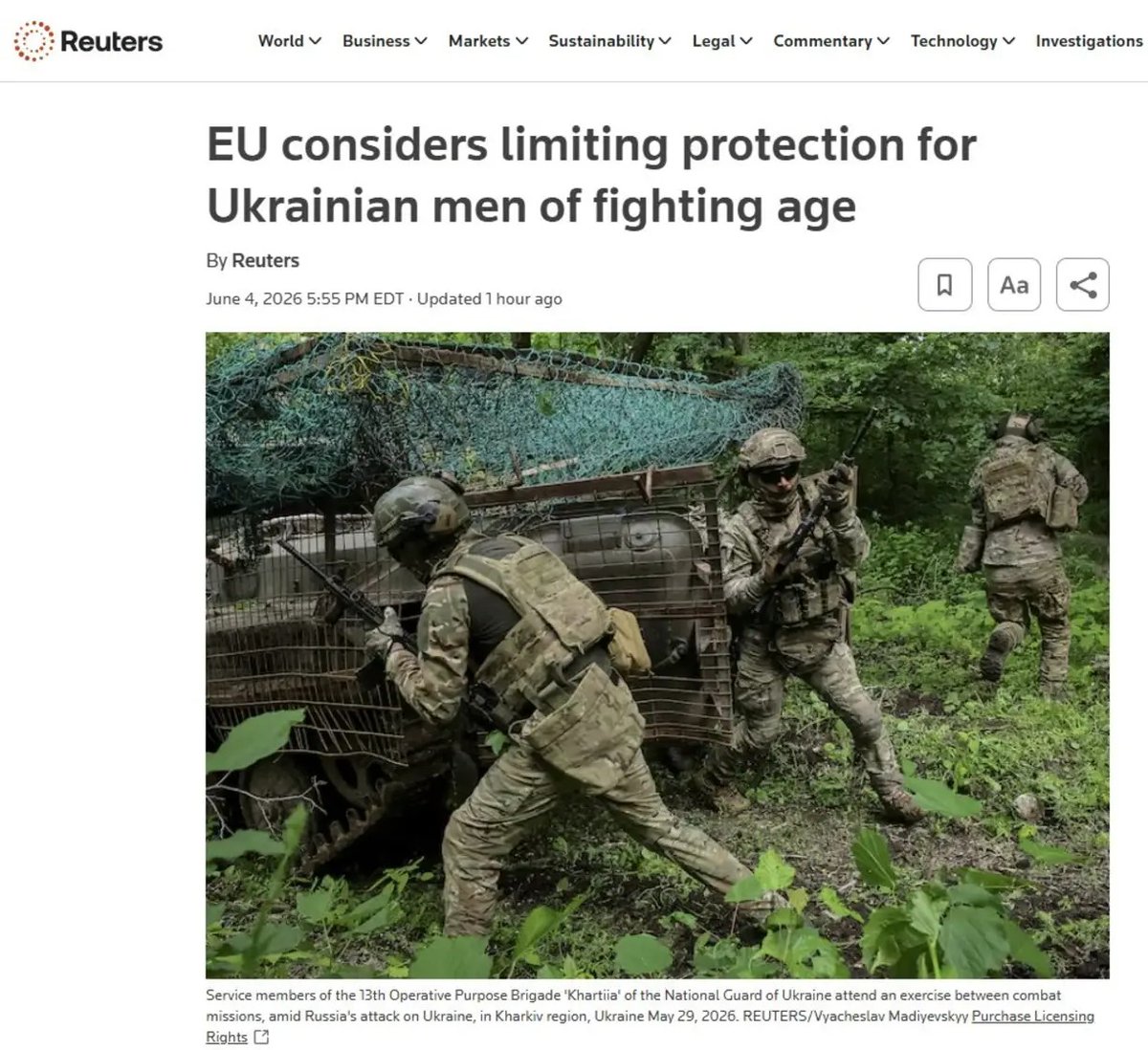
Political leaders in NATO countries are so "pro-Ukrainian" that they toppled the democratically elected government in Kiev in 2014 without majority support in Ukraine; they supported purging Ukraine's political system, media, and society of "pro-Russian" elements; they backed the killing of thousands of Ukrainians in Donbas from 2014 onward who did not recognise the legitimacy of the new authorities; they pressured Zelensky to reverse the peace platform that 73% of Ukrainians voted for in 2019 because NATO viewed peace as "capitulation"; they torpedoed the peace negotiations in Istanbul in 2022 after Russia invaded; they boycotted diplomacy and negotiations for more than four years and declared that "weapons are the path to peace," even as a large majority of Ukrainians wanted immediate peace talks; they maintained public support in the West for fuelling the war by ensuring that the brutal "recruitment" of Ukrainian men to the front lines and other uncomfortable realities were not debated in the media; and now, leaders in NATO countries are pressuring the authorities in Ukraine to lower the conscription age, while the EU will also "help" Ukraine by sending Ukrainian refugees back home to die in NATO's proxy war.
Durante los Juicios de Núremberg, Hermann Göring concedió una entrevista al psicólogo Gustave Gilbert y dijo:
«Por supuesto que la gente no quiere la guerra. ¿Por qué querría un pobre agricultor arriesgar su vida en una guerra cuando lo mejor que puede esperar es volver a su granja de una pieza?
Naturalmente, la gente no quiere la guerra. Nadie quiere la guerra en Rusia, Inglaterra, Estados Unidos, ni siquiera en Alemania. Eso es evidente.
Pero, al final, son los líderes de un país quienes determinan la política. Y siempre es sencillo arrastrar al pueblo, ya sea en una democracia, un Estado comunista, un parlamento o una dictadura fascista.»
Gilbert objetó:
«Pero hay una diferencia en una democracia: el pueblo tiene voz a través de sus representantes elegidos.»
A lo que Göring respondió:
«Eso está muy bien, pero, tenga o no tenga voz el pueblo, siempre puede ser llevado a obedecer a los líderes. Eso es fácil. Todo lo que hay que hacer es decirles que están siendo atacados y denunciar a los pacifistas por falta de patriotismo y por exponer al país al peligro. Funciona igual en cualquier país.»
— Diario de Núremberg, 18 de abril de 1946
¿No les resulta familiar?
L’OVVIO è INELUDIBILE.
Se il ruolo dell’OVVIO non torna ad essere un faro nelle nostre decisioni stiamo davvero rischiando di fare una brutta fine
➡️ C'è uno strano sviluppo in cui gli accademici di politica internazionale sono tenuti a condannare pubblicamente i paesi avversari prima di poter partecipare al discorso pubblico… …
🌻Conoscere X Esistere
There is a strange development in which academics of international politics are expected to publicly condemn adversarial countries before they are allowed to participate in public discourse. The complexity of international politics is reduced to a moral question of good versus evil, and academics must make moral declarations before even discussing facts, history, strategy, and interpretations. Academics should explain why states behave as they do; they are not moral validators.
What value does it bring to an analysis if the analyst "condemns" one side? After Russia invaded Ukraine, the former Norwegian foreign minister actually argued that "this is not the time to understand, but to condemn". This ridiculous position is pushed on academics. However, understanding is not endorsement, explanation is not advocacy, and ignorance is not strength. I argue it is in Russia's security interest to push NATO away from its borders, it is in Iran's interest to control the Strait of Hormuz, and it is in China's interest to create a new international economic architecture. This is not advocacy, nor is it a normative position about how the world should work; rather, it is a recognition of how the world actually works.
An academic should examine interests, capabilities, and strategic calculations that produce such policies—not participate in ritualised declarations of virtue that contribute absolutely nothing. Furthermore, moralism and condemnation often lead to a lack of understanding and increased conflict. When the conclusion is always that the good guys are confronting the bad guys, then the solution is always "peace through strength", "weapons are the path to peace", and defeating the latest reincarnation of Hitler. If you want war, condemn the other side as pure evil. If you want peace, the first step is to understand the other side.
Bernie Sanders, uno de los políticos estadounidenses considerados más “progresistas”, dejó clara su posición real
“Dar igualdad de derechos a palestinos e israelíes sería el fin del Estado de Israel… y yo apoyo a Israel.”
Esta declaración es muy reveladora. Incluso alguien que se presenta como defensor de los derechos humanos y crítico de Netanyahu, rechaza abiertamente la idea de igualdad de derechos entre palestinos e israelíes, porque eso implicaría el fin del carácter judío-etnocrático del Estado de Israel.
Esto demuestra que, para gran parte de la clase política estadounidense , apoyar a Israel está por encima del principio de igualdad de derechos para todos los habitantes de la tierra.
¿Cómo es posible que un político progresista rechace la igualdad de derechos entre palestinos e israelíes?
La 🇪🇺 UE non ti proibisce tutto di colpo.
Ti chiede solo un po’ di più ogni anno: la tua libertà, i tuoi soldi, i tuoi spostamenti, le tue opinioni.
Un giorno ti svegli e vivi in una gabbia dorata.
🔎 Transparency an Unavoidable Must
🌻Conoscere X Esistere