What do you do after running some mini-tests with toy computational models? I usually delete all files. But today I decided to write a mini-post about playing with GFN2-xTB. https://t.co/9aQ71NzzBa
Foremost, many thanks to Kateryna Goloviznina for her drive. Or course, many thanks to Mathieu @salannema and Alessandra as well as all new co-authors. And special gratitude to my PhD student, Heigo!
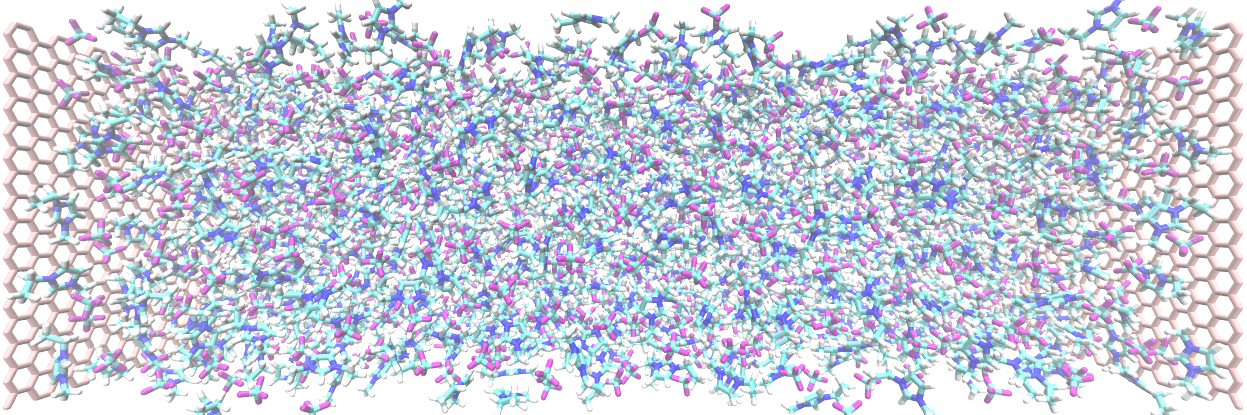
How to model a realistic carbon/graphitic electrode? Here is our solution for classical MD simulations supported by DFT-based MD, theory, and experiment: https://t.co/Qevde987HZ
🌱Chlorophyll biosynthesis is a fascinating process that involves several intriguing enzymes and some clever adaptations to make the onset of photosynthetic activity more efficient. Check out our story on one of the enzymes of the pathway: LPOR ⬇️
https://t.co/UNA6LV7jJr
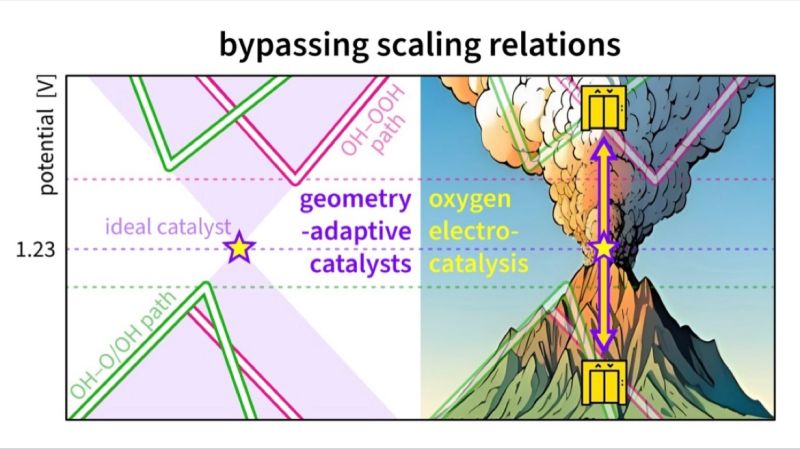
How to get to the volcano top in electrocatalysis?
We answer that question in "Bypassing the scaling relations in oxygen electrocatalysis with geometry-adaptive catalysts"
https://t.co/zjzm80AFgd
load-atoms has some nice ✨extra features✨ included too!
My favourite is the "view" function, that allows you to interactively preview structures directly in your notebook:
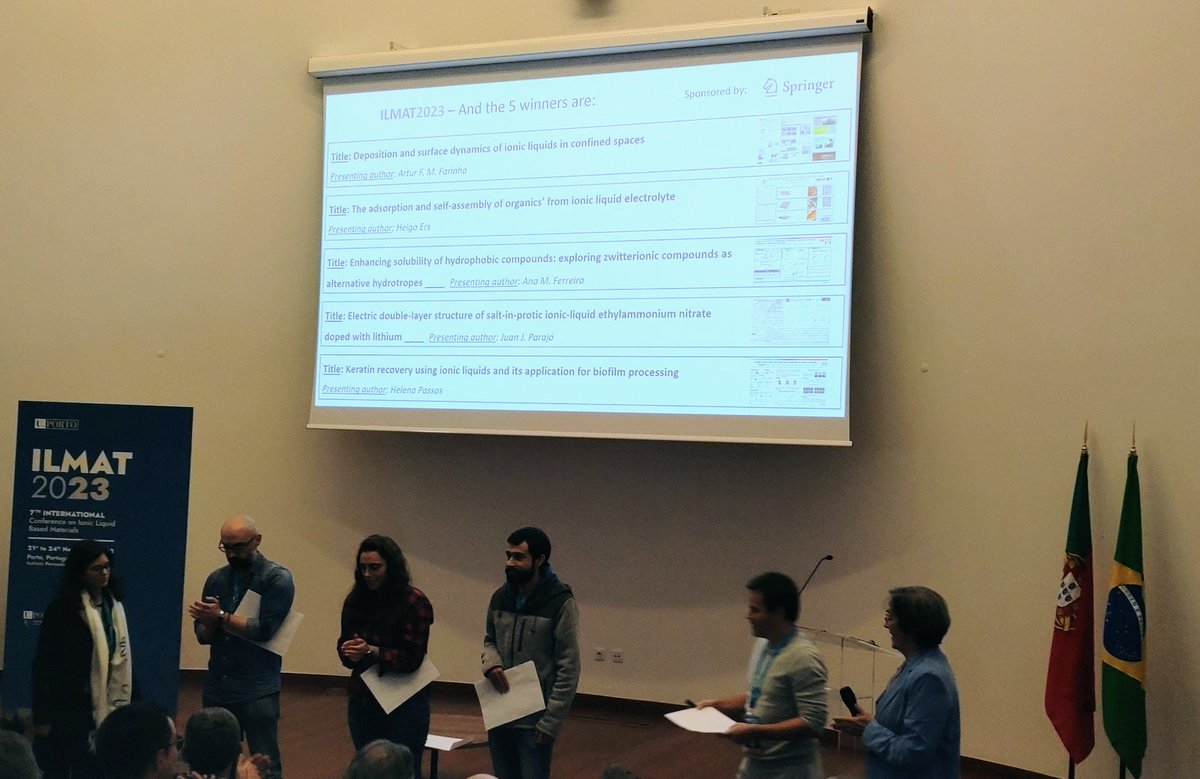
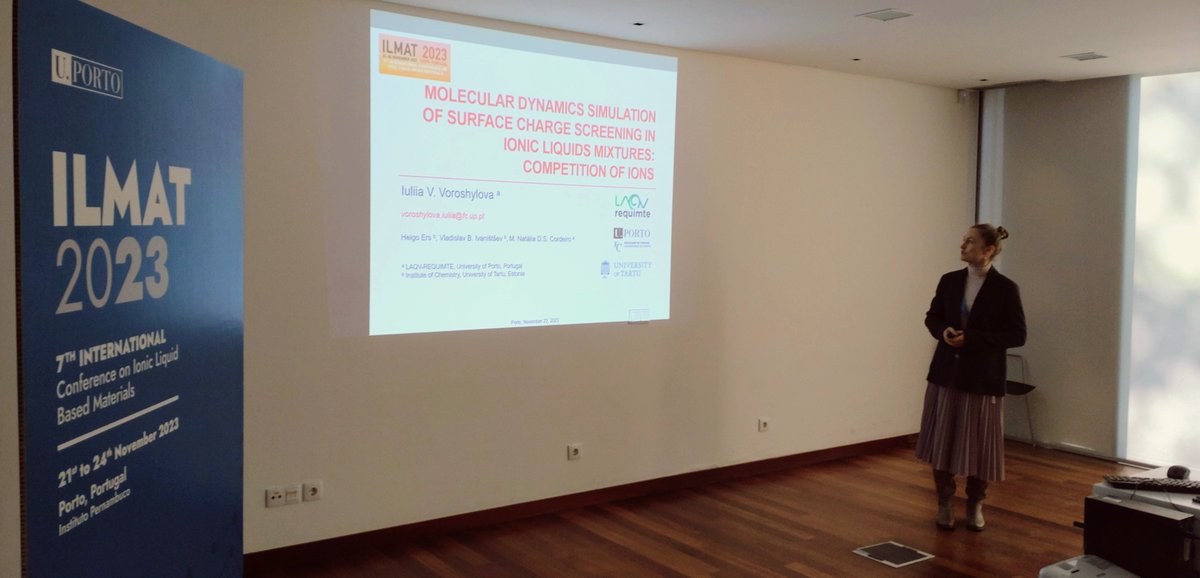
After discussing fascinating chem&Phys of ionic liquids at #ILMAT2023, we are on a city tour over Porto, before visiting a vineyard and going to a gala dinner.