I tested how much Grok usage a heavy self-reflective coding prompt actually consumes.
Ran the same demanding prompt across 5 fresh threads. It forces planning → buggy start → 4+ full reflection iterations → code changes → structured report.
Key results below.
#Grok#xAI
I know they want to make this trend about Trump, but as somone who has worked in digital media for 15+ years, I believe it goes much deeper than that.
Nearly every political influencer you talk to is seeing a noticable decline. My theory: the country is entirely BURNT OUT on politics, division, fear etc (me included).
At the same time, guess what is EXPLODING online? The Gospel. People are actively seeking out truth and hope — and the ultimate source of both are Jesus Christ and the Bible.
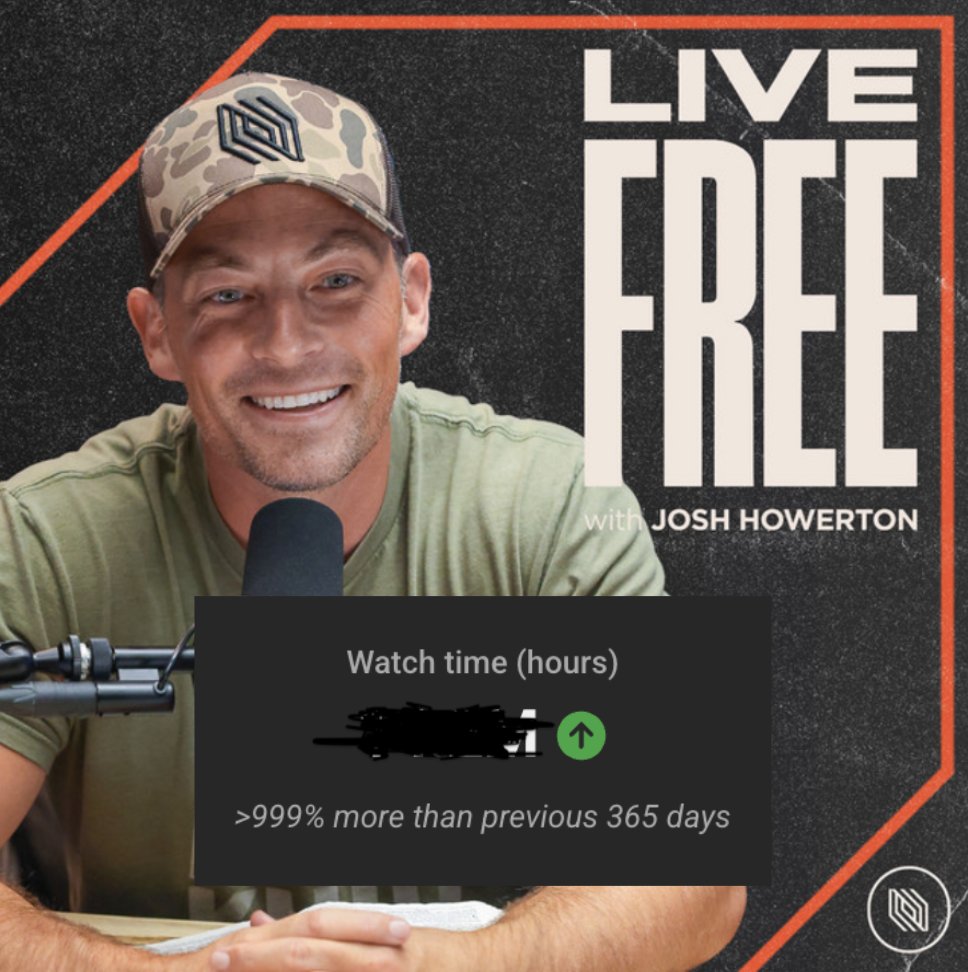
So while political content struggles to find its ground, @thelivefreepod is arguably the FASTEST growing Christian podcast (in the world?).
The podcast has seen growth so explosive over the past year, YouTube can't even give me the growth percentage in the analytics... it just says >999%.
Why am I telling you this? To brag on my favorite podcast? Absolutely not. It's to point my media friends in the right direction. For as long as I've been doing this, hyperpolitical, fear-based content has driven results and dominated feeds.
Until now. The old playbook simply isn't working. And I honestly think that's a good thing.
My thesis is that we are experiencing a violent pendulum swing the other way — the human spirit is screaming for truth, hope, joy, and love. They are sharing and consuming more content that brings peace, not anxiety. It makes sense why people's hearts are being drawn to the Prince of Peace.
I am no futurist, but I would not be surprised if digital media plays a HUGE role in the next revival we see in this country and around the world. I've had debates over whether the disciples would have used social media to share the Gospel... I don't even hesitate to answer yes. Whatever. It. Takes.
And God has written a decoder of truth into our hearts so that when we hear the truth, we know it. Jesus Christ is the truth, the way, and the life.
The point I am absolutely NOT making is that you should talk about Jesus for views, though unfortunately it seems some are already doing just that and seeing the trend.
But I am saying if you are a Christian and you have a platform, you should talk about Jesus because He is Lord and He deserves the glory of the platform He's given you.
It just so happens that there seems to be more people who want to hear the truth than I've ever seen in my lifetime.
You can also talk about heroes, tell stories of glory, cover the stories that highlight the truth behind everything... just stop telling us the world is ending if politician X or Y doesn't get elected. People need HOPE.
I just feel like so many of us are DONE putting our faith in politicians and talking heads who will let you down 100% of the time. We're all-in on Jesus.
Worry less about your glory and more about His... your life usually goes much better when you do that.
@TNTJohn1717 I agree. The browser the X iOS app opens allowed purchase, but clicking the Download link just displayed the pdf. The share function is how I got to Google Drive. I don’t know if Make PDF would allow saving the pdf somewhere.
🚨 NEW VERSEQUEST BOOK RELEASE 🚨
🔗 https://t.co/oj7iUZW9BJ
JESUS IS NOT YOUR THERAPIST - HE IS YOUR SAVIOUR
440-page digital PDF - $19.99
We live in a world where pastors are expected to function like psychologists, churches resemble therapy circles, and Jesus has been reinvented as an emotional-support life coach whose main job is to validate feelings, protect personal peace, affirm identities, and help people pursue their “best life.”
That is not the Jesus Christ of the Bible.
Modern Christian psychology has given us another Jesus, one who offers affirmation without repentance, comfort without correction, rest without a yoke, freedom without truth, and healing without holiness.
This book goes straight into the controversy.
Across 70 thorough KJV essays, we examine:
• How sin became a symptom
• How guilt became “toxic shame”
• How conviction became “trauma”
• How repentance became self-awareness
• How boundaries can protect bitterness
• How “protecting my peace” can murder reconciliation
• How “my truth” replaced objective truth
• How everyone we dislike became a narcissist, gaslighter, or toxic person
• How pastors became managers of feelings
• How the church became a waiting room instead of the body of Christ
• Why no condemnation does not mean no correction
• Why Christ’s rest still comes with a yoke
• Why abundant life is not your best life now
• Where the counselor’s couch ends, and the cross and empty tomb begin
This book does not mock genuine suffering, deny bodily illness, excuse abuse, or condemn appropriate medical care. It carefully distinguishes suffering from sin, protection from vengeance, correction from cruelty, and human assistance from salvation.
But it also refuses to rewrite the gospel to satisfy a psychologically conditioned church that cannot endure sound doctrine.
Jesus Christ did not come merely to help sinners understand themselves.
He came to save them from their sins.
This modern deceived church will not enjoy everything in this book, but it desperately needs it.
Purchasing this book directly supports VerseQuest Ministries and helps us continue producing detailed Bible studies, essays, charts, sermon resources, and KJV teaching.
We previously experienced some checkout issues, but PayPal and Venmo are now fixed and should be working properly.
Please consider purchasing this one. You will be supporting the ministry while receiving one of the most important and timely studies we have published.
The couch may explain the wound.
The cross pays for sin.
The empty tomb guarantees the future.
#JesusIsNotYourTherapist #JesusIsSaviour #KJV #KingJamesBible #BibleStudy #ChristianPsychology #TherapeuticChristianity #BiblicalCounseling #ChristianDoctrine #VerseQuestMinistries
Notes:
- Results are from my current account state (post-Premium+)
- This only tested text/coding work
- Full reports + screenshots in the Google Doc linked below
https://t.co/qPXoBuwVsj
#Grok#GrokLimits#AITesting
I tested how much Grok usage a heavy self-reflective coding prompt actually consumes.
Ran the same demanding prompt across 5 fresh threads. It forces planning → buggy start → 4+ full reflection iterations → code changes → structured report.
Key results below.
#Grok#xAI
All 5 runs produced consistent, high-quality output. The model reliably identified issues, formed hypotheses, made improvements, and re-tested properly each time.
The prompt was quite repeatable.
Altın neden düşüyor? Cevap Japonya'da.
Savaş çıktı.
Herkes aynı şeyi söyledi. "Altın uçar. Belirsizlik varsa altın kazanır."
Sonra altın düştü.
Tek başına da düşmedi.
Borsa da düştü, gümüş de, Bitcoin de. Hepsi aynı anda, aynı yöne.
Herkes sebebi Amerika'da arıyor.
Fed faizi indirmiyormuş, veriler güçlü gelmiş, Trump şöyle demiş.
Hepsi doğru. Ama hepsi yüzeyde.
Çünkü altını, borsayı, gümüşü aynı gün aşağı çeken şey Amerika'da çıkan bir haber değil.
Yıllardır sessizce işleyen bir mekanizma. O mekanizmanın düğmesi de Amerika'da değil, Japonya'da.
Oraya gelmeden önce çok basit bir kural var. Bunu bir kere anlarsan altının neden düştüğünü bir daha kimseye sormazsın.
Altının fiyatı aslında bir kesirdir.
Üstte altın, altta dolar. Sen "altın şu kadar dolar" derken aslında iki şeyi birden ölçüyorsun. Hem altını, hem doları.
Bu kesir düşüyorsa iki ihtimal var.
Ya altın değer kaybetti. Ya da onu ölçtüğün dolar değer kazandı.
Şu an olan ikincisi.
Altın zayıflamadı. Dolar kıtlaştı.
Peki dünyada dolar neden birden bu kadar değerli hale geldi? Hikâye burada başlıyor. İki koldan.
Birinci kol, Hürmüz Boğazı'nda.
Şunu hatırlamak gerekiyor. Dünyada petrol 1974'ten beri sadece dolarla alınıp satılıyor. Japonya da, Almanya da, Hindistan da petrol alacaksa önce dolar bulmak zorunda.
Son aylarda İran gerginliği Hürmüz'ü kilitledi. Petrol fiyatı hızla 100 doların üstüne çıktı.
Şimdi düşün. Petrol pahalandı ama hâlâ dolarla satılıyor. Yani her ülke, aynı miktar petrolü almak için eskisinden çok daha fazla dolar bulmak zorunda kaldı.
Dünya bir anda dolara hücum etti.
Bazı ülkelerin elindeki dolar rezervleri bu yüzden erimeye başladı.
Peki cebinde yeterince dolar olmayan ülke ne yapar? Dolar bulmak için elindeki en değerli şeyi satar. Altını.
Petrolü ödeyecek doları bulmak için bazı ülkeler kasalarındaki altını sattı. Altının düşüşü işte burada başladı.
Sonra haber geldi. Hürmüz yeniden açılıyor.
Petrol fiyatı düşmeye başladı. Normalde bu rahatlama demek.
Ama tam tersi oldu.
Çünkü petrol ucuzlayınca, rezervi erimiş bütün ülkeler aynı anda şunu düşündü. "Fiyat düşmüşken kasamı doldurayım."
Ucuz petrolü kaçırmamak için hepsi birden alıma geçti. Almak için yine dolar lazımdı.
Yani petrol pahalanınca da dolara koşuldu, ucuzlayınca da. İki yönde de aynı kapı çalındı. Dolar.
Dünyanın dolara olan susuzluğu iki kez üst üste arttı. Dolar değerlendi. Dolar değerlenince, onunla ölçülen altın kâğıt üstünde düştü.
Birinci kol bu.
İkinci kol çok daha derin. Asıl büyük olan da bu.
Japonya'da faiz yıllardır neredeyse sıfır.
Bunun anlamı şu. Japonya'dan para bulmak dünyanın en ucuz işi.
Akıllı oyuncular yıllarca şunu yaptı. Japonya'dan bedavaya yakın yen borçlandılar. O parayı bozup dünyanın dört bir yanına yatırdılar. Amerikan hisselerine, altına, gümüşe, Bitcoin'e.
Mantık basitti. Ucuza borçlan, kazançlı yere yatır, aradaki farkı cebine at.
Yani bugün gördüğün altının fiyatının içinde bile, bir yerlerde borçlanılmış Japon yeni vardı.
Şimdi o ucuz para devri kapanmak üzere.
Yen aylardır değer kaybediyor. Sebebi faiz farkı. Amerika'da faiz yüksek, Japonya'da neredeyse sıfır. Para hep daha çok kazandığı yere akıyor. Yen'i bırakıp dolara koşuyor. Yen d��ştükçe düşüyor.
Japonya bunu durdurmak için elindeki doları satıp yen aldı. İşe yaramadı. Yen birkaç gün durdu, sonra yine düştü.
Neden başarılı olmuyor?
Şöyle düşün.
Su alan bir teknen var. Kovayla suyu dışarı atıyorsun. Ama teknedeki deliği kapatmıyorsun. Ne kadar boşaltsan da delik açık kaldıkça su geri doluyor.
Japonya'nın yaptığı tam bu. Dolar satıp yen alıyor, suyu bir anlığına boşaltıyor. Ama deliği, yani faiz farkını kapatmıyor. O yüzden yen birkaç günde geri düşüyor.
Deliği kapatmanın tek yolu var. Faizi artırmak.
Kritik nokta burası.
Japonya faizi artırdığı gün, otuz yıllık ucuz para devri biter.
Japonya'dan bedavaya borçlanıp dünyaya yatıran bütün büyük fonlar aynı anda kapıya yönelir. Yen borcunu kapatmak için ellerindeki her şeyi satarlar.
En önemli kısım şu. Bu fonlar önce neyi satar?
Zarardaki varlığı değil. Kârdaki varlığı.
Çünkü paraya çevirmen gereken anda, elindeki en çok kazandıran, en kolay satılan şeyi satarsın. Zarardakini satarsan zararı kesinleştirirsin. Kârdakini satarsan nakit yaratırsın.
Peki son yılların en çok kazandıran varlığı neydi?
Altın ve gümüş.
Altının asıl sırrı burada.
Altın kötü olduğu için satılmadı. Tam tersine, en iyi olduğu için satıldı. Zarar başka yerdeydi. Ama parayı en sağlam varlık ödedi.
Herkes "altın güvenli liman değil miydi" diye sordu. Cevap şu. Panik anında kimse istediğini satmaz. Satabildiğini satar. En kolay satılan şey de altındı.
Şimdi iki kolu birleştir.
Bir yandan Hürmüz yüzünden dünya iki kez dolara hücum etti. Dolar değerlendi.
Öbür yandan Japonya'nın faiz kapısı aralandı. Fonlar nakde koştu, ellerindeki altını sattı.
Bunların hiçbiri altının değerini bozmadı. İkisi de geçici. Biri bir boğazın açılıp kapanmasıyla ilgili. Öbürü bir merkez bankasının kararıyla.
Peki önümüzdeki dönem?
İki kol da geçiciyse, geriye tek bir soru kalıyor. Altını kalıcı olarak yukarı itecek ne var?
Cevap, altını bu düşüşte satan elin ta kendisinde saklı.
Çünkü o el, aslında aylardır altını en çok toplayan eldi.
Merkez bankaları aylardır sessizce altın alıyordu. Yavaş yavaş dolardan çıkıp altına geçiyorlardı.
Sonra petrol geldi. Dolara mecbur kaldılar. O biriktirdikleri altını satmak zorunda kaldılar.
Yani şu an satıyor olmaları altına güvenmedikleri için değil. Dolar sıkıştırdığı için.
Bu bir tercih değil, mecburiyet. Mecburiyet geçince ne yaparlar? Kaldıkları yerden devam ederler. Yeniden alıcı olurlar.
Bir de şunu ekle.
Japonya kendini kurtarmak için harcadığı doları havadan bulmadı. Elindeki Amerikan tahvillerini satarak buldu.
Dünyada Amerika'ya en çok borç veren ülke, o borcu yavaşça geri çekiyor.
Bir yanda altını satan merkez bankaları, ilk fırsatta geri dönecek. Öbür yanda dolara en çok güvenen el çekiliyor.
Bu yüzden bugünkü düşüş altının sonu değil. En çok isteyenin, en sıkıştığı anda satmak zorunda kaldığı bir varlığın geçici düşüşü.
Deliğin kapandığı gün, herkesin sattığı gün değil, satışın bittiği gündür.
Herkes düşüşe bakıp Amerika'yı konuşuyor.
Oysa altını bugün aşağı çeken el Amerika'da değil.
Faizini yıllardır sıfırda tutmuş, şimdi o düğmeye basmak zorunda kalan Japonya'nın elinde.
Bu benim şahsi analizim. Gelişmeleri takip ediyorum, sizi bilgilendireceğim.
When A Literal Interpretation Of The Bible Is Not Used Consistently, The End Result Is Replacement Theology https://t.co/XdMMwWgj3k via @HarbingersDaily
Bird Flu Was Traced Back to the USDA Poultry Research Laboratory in Athens, Georgia. A Peer-Reviewed Paper Was Published. No Reply. No Challenge. Nothing.
The strain didn't emerge naturally. It spread from mallard ducks and waterfowl into farm animals, chickens, and beef — in a pattern that traced back to a government research facility. The paper was published in the peer-reviewed journal Poultry and Wildlife Sciences. It was sent to RFK and Brooke Rollins at the USDA. Not one person from the USDA ever challenged the findings. The answer was never destroying flocks and driving up egg prices. It was allowing natural immunity. That's what finally ended it.
Join the Fight: https://t.co/rvCeXmwbdp
Courtesy of World Council for Health @WCH_Org, Your Better Way Conference
Watch the Full Presentation: https://t.co/po5zpTOEze | Use code MCCULLOUGH10 to save on your virtual ticket.
#MedicalFreedom
This is the part of American history we no longer teach in our schools. George Washington's FIRST order as commander of the military is going to blow your mind 👇
People ask what idea holds America together? There is only one, and it binds all the others. It is the most radical and inspirational idea in the history of the world: that the human conscience is free. Soul liberty.
The right of every person to worship, or not, according to conscience, with no king, no church, and no government standing between the soul and God.
That idea is not incidentally Christian. It is specifically Christian, and it comes straight from the mouth of Christ. He gave two commands that, read together, are the entire blueprint.
He said, render unto Caesar what is Caesar’s, and unto God what is God’s, dividing the world into two kingdoms, the civil and the sacred, handing Caesar the coin and the sword while reserving the soul for God alone. And He said, go and make disciples of all nations, but by persuasion, by witness, by the changing of hearts. Never once by the sword of the state.
The Great Commission was given to the church, not to the government.
America is the nation that obeyed both. It rendered unto Caesar a government, the coin, the order, the law, while refusing to render unto Caesar the one thing Christ withheld from him: the conscience. That refusal is not the absence of Christianity in our founding. It is the presence of it. The Constitution does not name Christ, and that silence is obedience. The founders understood that to establish the faith by law would be to hand Caesar a jurisdiction Christ denied him. So they didn’t. They built a government that claims everything that is Caesar’s and disclaims everything that is God’s. That is the most Christian act in the history of statecraft. (1 of 2)
@maria_axkem@Remo2222222@RealShahriqKhan The history of Paul is given in the Book of Acts in the New Testament. He became the apostle to the Gentiles and was converted and taught by Jesus, accepted by the other apostles and was greatly respected by his death. Much of the Old Testament foreshadows the coming of Jesus.
When I was Muslim, I never understood why the Bible spent so many chapters on a tent in the desert. The tabernacle. Endless boring detail.
Then someone walked me through it, and I couldn’t unsee it.
There was only ONE door into the whole structure. One way in. Jesus said, “I am the door.” John 10:9.
The first thing you hit inside was an altar where something died. You couldn’t get to God without passing the place of sacrifice. The cross stands between you and the Father.
Then a basin of water for washing. “Unless one is born of water and the Spirit…” John 3:5.
Then light, bread, and finally God’s presence behind the veil.
Every single piece was Jesus. The door, the sacrifice, the washing, the light, the bread, the presence.
You know what shook me?
God gave Israel a 3D blueprint of His Son 1,500 years early and had them carry it through the desert.
They were camping around a picture of Jesus and didn’t know it.
Islam told me it was old ritual.
It was a portrait, stitched in fabric and gold, waiting for the face to arrive.
That face? CHRIST JESUS.
Islam's moral ceiling is fixed. It was set 1,400 years ago, by Muhammad and the Qur’an.
You can’t go higher than Muhammad. He’s the limit. The ceiling.
Muhammad married a child, took slaves, ordered executions, waged wars, lied, raped, hated, and stole.
So how can anyone say those things are wrong if the man who did them is still your highest example?
That’s why Islam doesn’t change, not because Muslims don’t want it to, but because they’re not allowed to imagine anything better than what’s already been given.
The West, shaped by centuries of Judeo-Christian moral struggle, leaves space to climb. It admits mistakes. It reforms. It questions. It separates power from holiness.
Islam doesn’t.
That’s why it doesn’t evolve, and why, when it enters a modern society, it doesn’t integrate. It collides.
Because a faith that locks morality in the 7th century can’t live peacefully in a world that keeps growing.