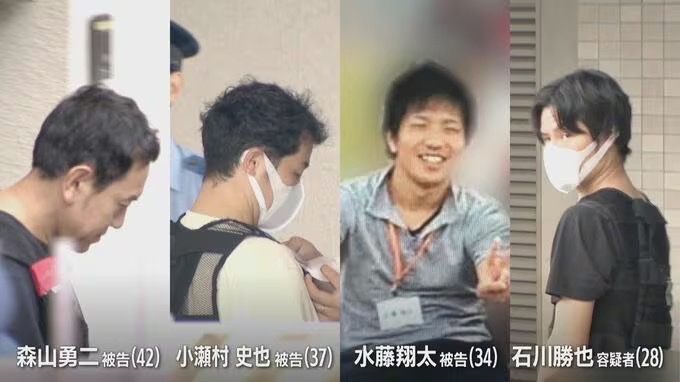
this is getting scary, so many black children are going missing one by one, everyone look after your children/friends/siblings/relatives of any kind, now is ABSOLUTELY the time to carry
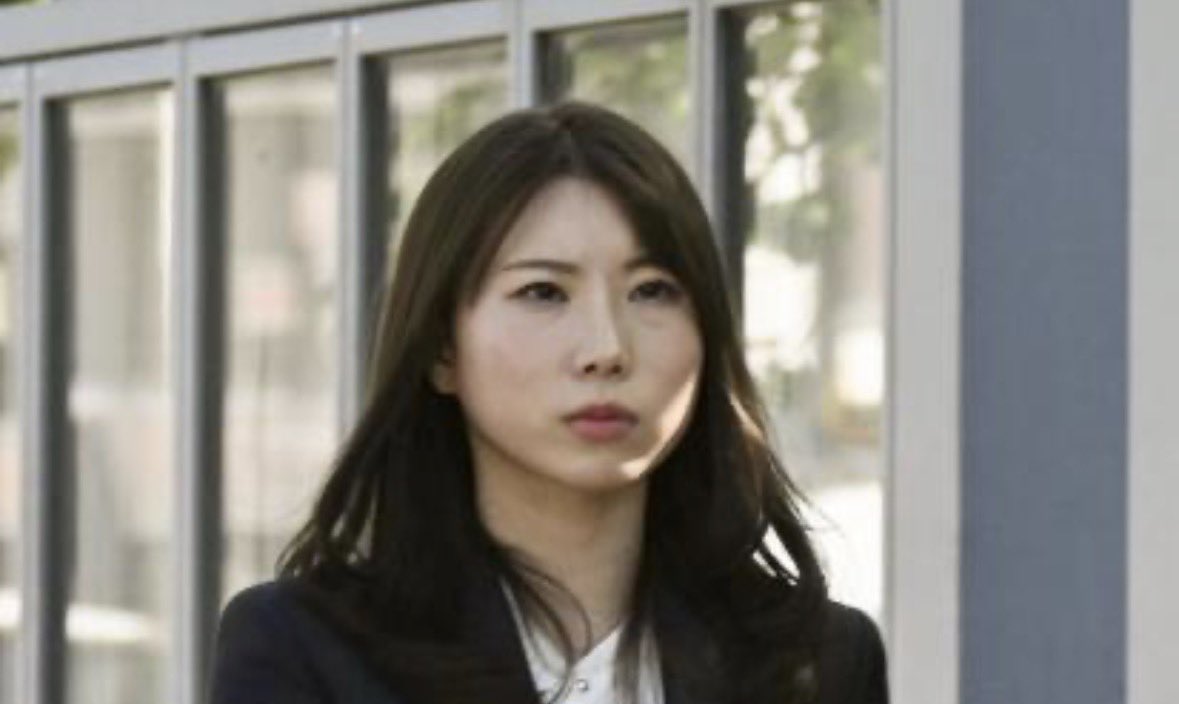
Я просто в шоке, что девушка, добросовестно выполняющая свою работу, вызывает какие-то там обсуждения просто из-за того, что она не накрашена. Вы совсем поехали крышей со своим помешательством на внешности, оставьте блять женщин в покое
In Japan, survivors of sexual abuse almost never use their real names.
In 2024, Riho Fukuyama did.
She was 25 when she stood up publicly and named her own father as the man who had raped her — repeatedly, in their home in Toyama, from 8th grade through her second year of high school. At least eight times.
Her father was arrested. In court, he didn’t deny the sex happened.
He argued she could have fought back.
That her silence meant consent.
The trial court didn’t buy it. Eight years in prison. The judge called it “cowardly and cruel,” and wrote this about why she didn’t resist:
“She was forced to carry the unthinkable — being raped by her own father — entirely alone. Psychologically, she was cornered. She had almost no will left to fight.”
He appealed. Today, the Nagoya High Court threw it out.
Eight years stands.
After the ruling, Riho told reporters:
“I’m grateful they finally heard what I’ve been trying to say.”
She now runs a foundation that helps other survivors of family sexual abuse find the courage — and the legal footing — to press charges.
In Japan, this kind of abuse has long been called an invisible crime.
Riho made it visible by putting her
Seven elementary school teachers in Japan
formed a private chat group
to share photos of the children they taught.
Seventy-five girls were violated.
The leader was sentenced this week.
Two years and six months.
He had been the founder and administrator
of the group.
The other six members were also elementary school teachers.
None of them had ever met in person.
They had found each other online —
bound by one shared interest.
The sexual exploitation of the children they taught.
Over years,
in classrooms, at school lunches, on field trips,
during changing rooms and recorder practice,
they secretly photographed and filmed
more than 75 girls in their care.
They uploaded the images to a private group.
They complimented each other's work.
"Nice shot."
"Can't stop looking at this one."
They also shared AI-generated deepfake images
of the real children they taught —
digitally stripped, sexualized,
and circulated among themselves.
These men were not strangers to the girls.
They were their homeroom teachers.
The ones who wrote their report cards.
The ones who walked them to the school gate.
When police finally arrested the group's founder,
he offered one explanation:
"I felt lonely.
My relationship with my family was deteriorating.
On SNS, I finally felt connected to people.
I didn't want to lose that connection."
The judge gave him two years and six months.
Seventy-five children.
Two-and-a-half years.
If we divide his sentence by his known victims,
each child is worth twelve days of his freedom.
This is not a story about seven monsters.
Monsters are rare.
These men were ordinary elementary school teachers,
who signed contracts to protect children,
who showed up to work every day,
who were promoted,
who received parents' trust,
who stood at graduation ceremonies
and watched children they had photographed walk across the stage.
They found each other not because they were rare.
They found each other because they were many.
Japan is scheduled to begin operating
a background check system for people working with children —
the so-called "Japanese DBS" —
in December 2026.
Eight months from now.
Until then,
every year in Japan,
hundreds of teachers are disciplined
for sexual misconduct against students.
Most of them return to the classroom.
Many of them cross prefectures and apply again.
The system, for now, allows this.
His name is Yuji Wada.
He is forty-two years old.
He will walk out of prison at forty-four.
Seventy-five children will carry this for life.
This is not justice.
And somewhere, this morning,
in a Japanese classroom,
another man like him
is handing out worksheets.
A sad thing happened in Japan
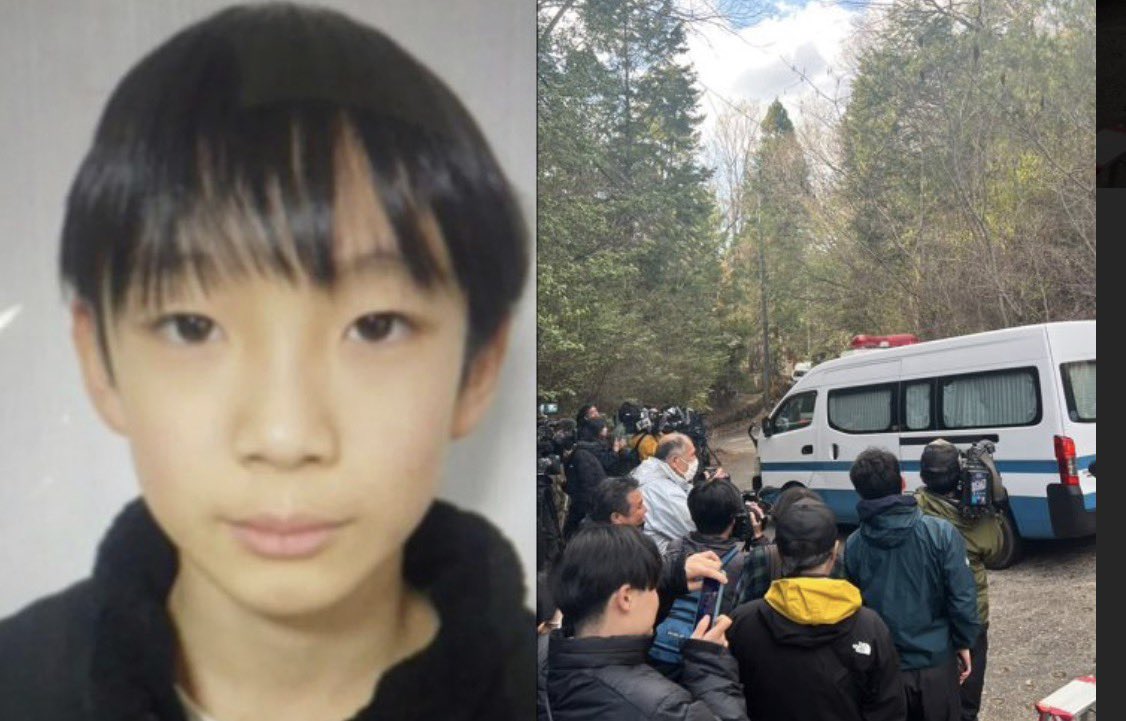
An 11-year-old boy named Yuki was reported missing in Kyoto.
His stepfather was out on the streets, handing flyers to neighbors, asking for help finding him.
This week, that same stepfather was arrested.
He has reportedly told police he “lost his temper and strangled” Yuki, then dumped the body in a mountain forest.
The boy’s mother, by every account, believed him until the end.
This is where most people will stop reading, and this is exactly where the harder conversation should start.
Japan has a quiet, persistent problem that rarely makes it into the English-language conversation about this country: children living with stepfathers or their mother’s new partners are overrepresented in serious child abuse cases.
In Japan, when child abuse crosses into criminal prosecution, around 72% of offenders are “father figures” — and within that group, over a third are stepfathers, adoptive fathers, or the mother’s live-in boyfriend.
Given that stepfamilies make up only around 7% of marriages in Japan, that share is not small.
Child welfare data tells a similar story, case after case — sustained beatings, torture, sexual abuse, disposal of bodies.
It is not that stepfathers are monsters. Most are not.
It is that a country that treats family as a private black box — where divorce still carries stigma, where mothers are often financially cornered into remarrying, where schools and neighbors are trained not to intrude — systematically fails to see the children inside those homes until it is far too late.
Yuki’s mother handed out flyers next to the man who now says he killed her son.
Japan just began allowing joint custody this month, after decades of delay.
But the harder reforms — mandatory home visits, real authority for child welfare workers, serious screening around non-biological caregivers — are still stuck.
This is not an abstract policy argument. It is the difference between an 11-year-old going to school next week, and an 11-year-old becoming a headline.
Rest in peace, Yuki.
Dear Global Twitter ;
I need your attention on this pedophile.
He only got an year sentence and 2 years of probation which means he wasn't put into jail.
A 11 year old got touched by a 22yo tutor in Korea.
The pedophile said 'You're not ripe enough so you won't taste good', rubbing his penis against her privacy.
The he said 'Im tryna kill you' when the victim asked why he is turning off the home camera which her single mother put it for safety purposes.
She said no, and everything was recorded on home camera.
Despite these, all that pedophile got was
an year sentence and 2 years of probation.
He isn't even in jail right now.
His girlfriend, knowing everything, bought him a fancy meal at fine dining restaurant, celebrating his probation.
His name is Sung Bum Park.
He was born in 22th Oct 2004.
He is now enrolled in Hongik University.
His ig : tiger.miku (disabled)
I hope this post raises awareness regarding sexual harassment against children and women in Korea.
No ill will or misinformation included.
Thank you.
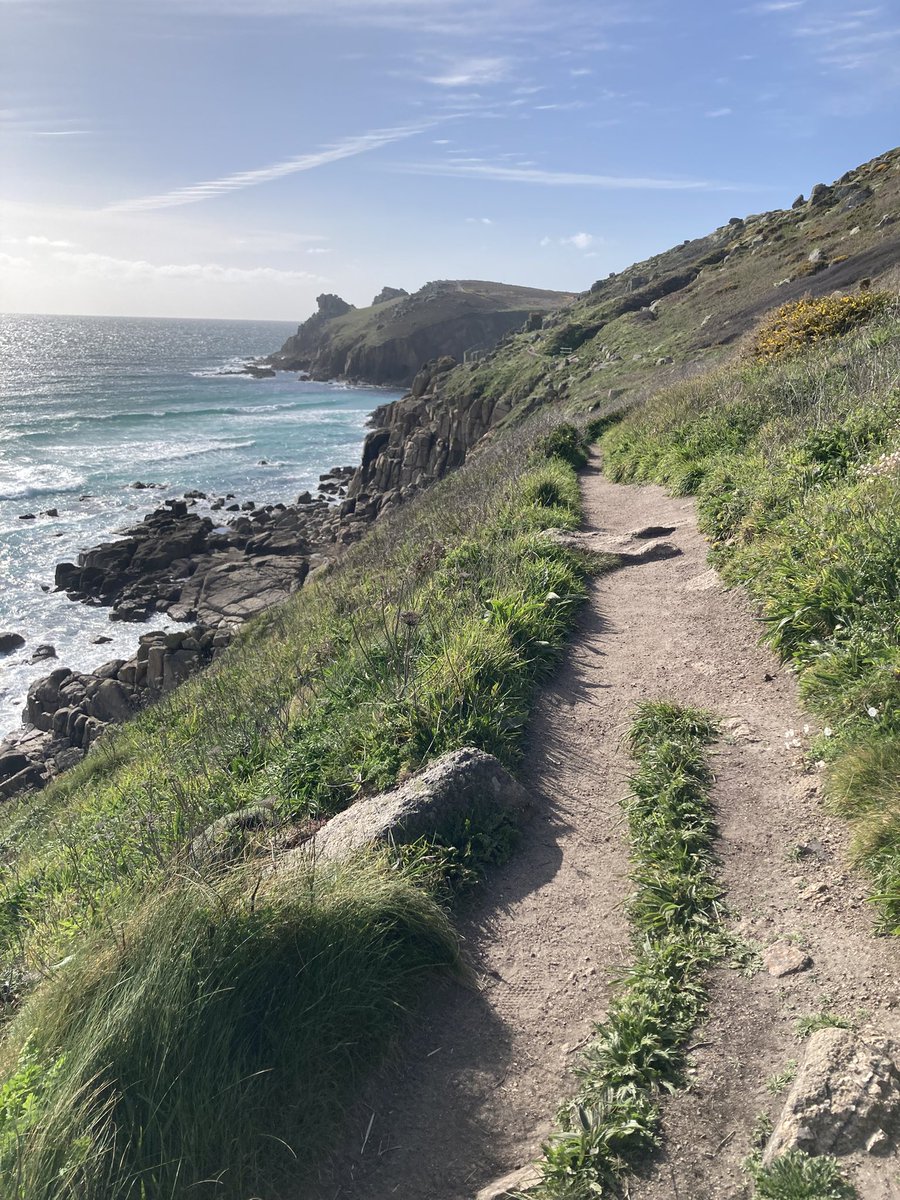
18 yrs ago, I was violently assaulted & raped while walking alone. Every year on the anniversary of that day, I go on a solo hike to remind myself that there is still beauty in this world & I can enjoy it. This yr, I pushed myself & did a few days of the Southwest Coast Path…