As teens go back to school, it's important to have honest discussions with them about the dangers of alcohol, drugs and pretending sports bets on @kalshi and @polymarket are "investments."
Stay updated on the scale of the risk: https://t.co/QdX6cwqChk
📈 Young adults between 18-21 have traded an estimated $5 billion on Kalshi this year, per new analysis. (~$4b on sports/parlays, which will rise with the NFL season.) Critics call this a loophole — most US gambling is 21+, but prediction markets are 18+ https://t.co/VLXKYxADKL
Kalshi’s website said “only 4%” of their volume comes from 18–20-year-olds. By our estimate, that would mean $5 Billion in sports betting volume has been driven by college students and young adults so far in 2026.
Learn more: https://t.co/x9Z2zdOiIT
A massive, bipartisan coalition of 44 state attorneys general. One clear message: sports betting oversight belongs with states and tribes-not with the CFTC.
Watch @GovChristie correct the record on Selig’s ridiculous “rogue actors” claim. 👇
@SquawkCNBC
@kalshi left out the 80%+ of its business that is illegal sports betting from this study.
The price of those “contracts” always seem to be suspiciously close to the odds at a legal sports book.
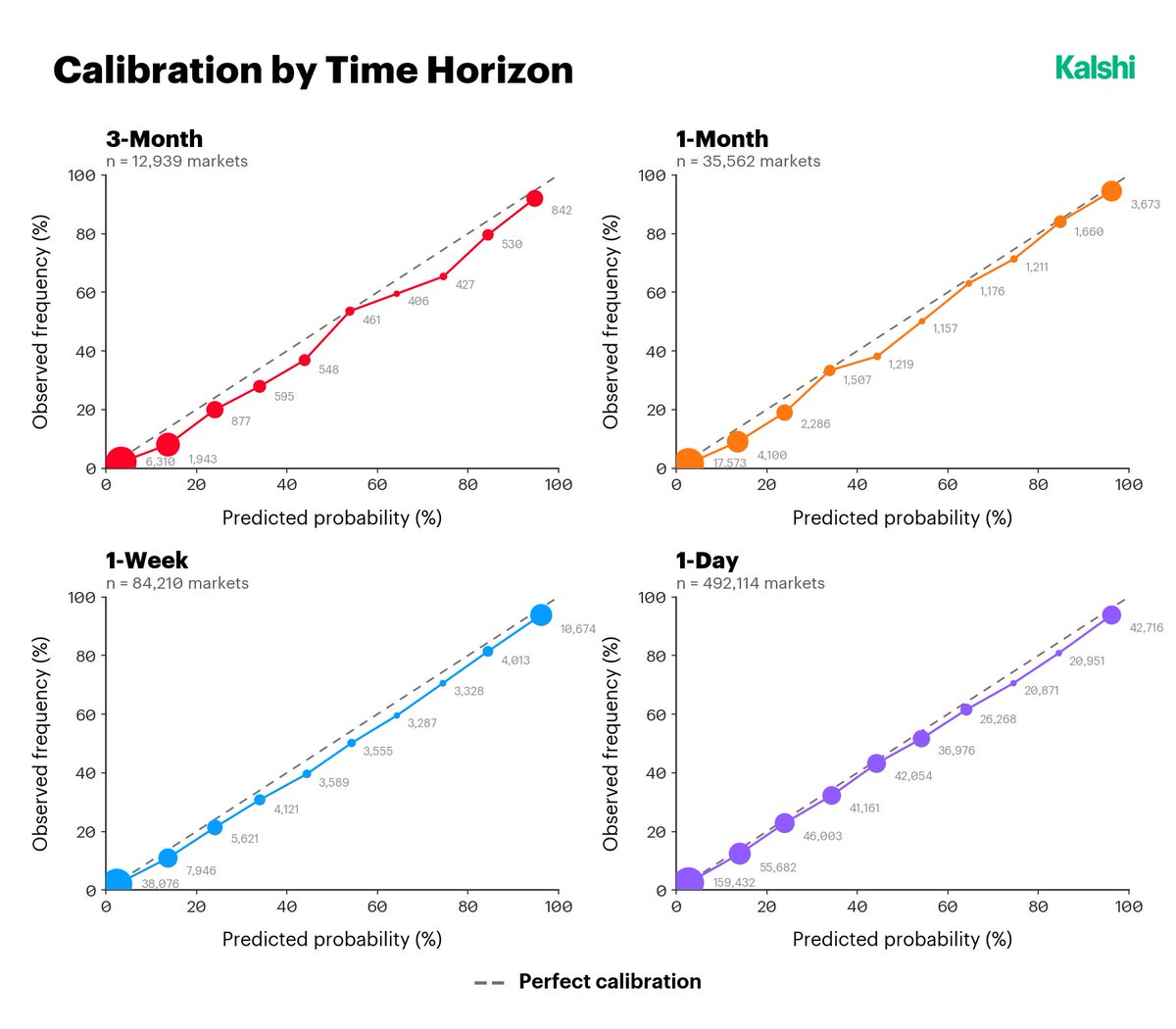
We ran a study on over 2 million markets to evaluate their calibration. To our knowledge, this is the largest replicable study on this topic.
Here are the results: 🧵
@Kalshi PR: Pretends it's completely different than a casino sportsbook since it doesn't offer free drinks.
Kalshi Reality: Offers free drinks as an apparent inducement to gamble on sports.
Hard to imagine this promo from a legal sportsbook committed to responsible gaming.
@MickBransfield@SenTinaSmith That’s literally an example of openly discussing the methodology for $1.2B+ in forgone state gaming taxes.
I get people disagree with it, but none seem to ever offer up how much they think states have missed out on as a result of these illegal sports books.
Whether it’s a casino, a sportsbook, @kalshi, @Polymarket or some other entity taking illegal sports bets as a “vertically integrated market,” the house is always going to win.
Talking about sports betting, especially to teenagers, as a way to make money is irresponsible.
Kalshi CEO Tarek Mansour: "Well you're going to have a lot of pissed off New Yorkers if we got shut down in New York."
New Yorkers have made $200 million trading on Kalshi. That's impossible on a sportsbook, where the house always wins, and they ban the winners.
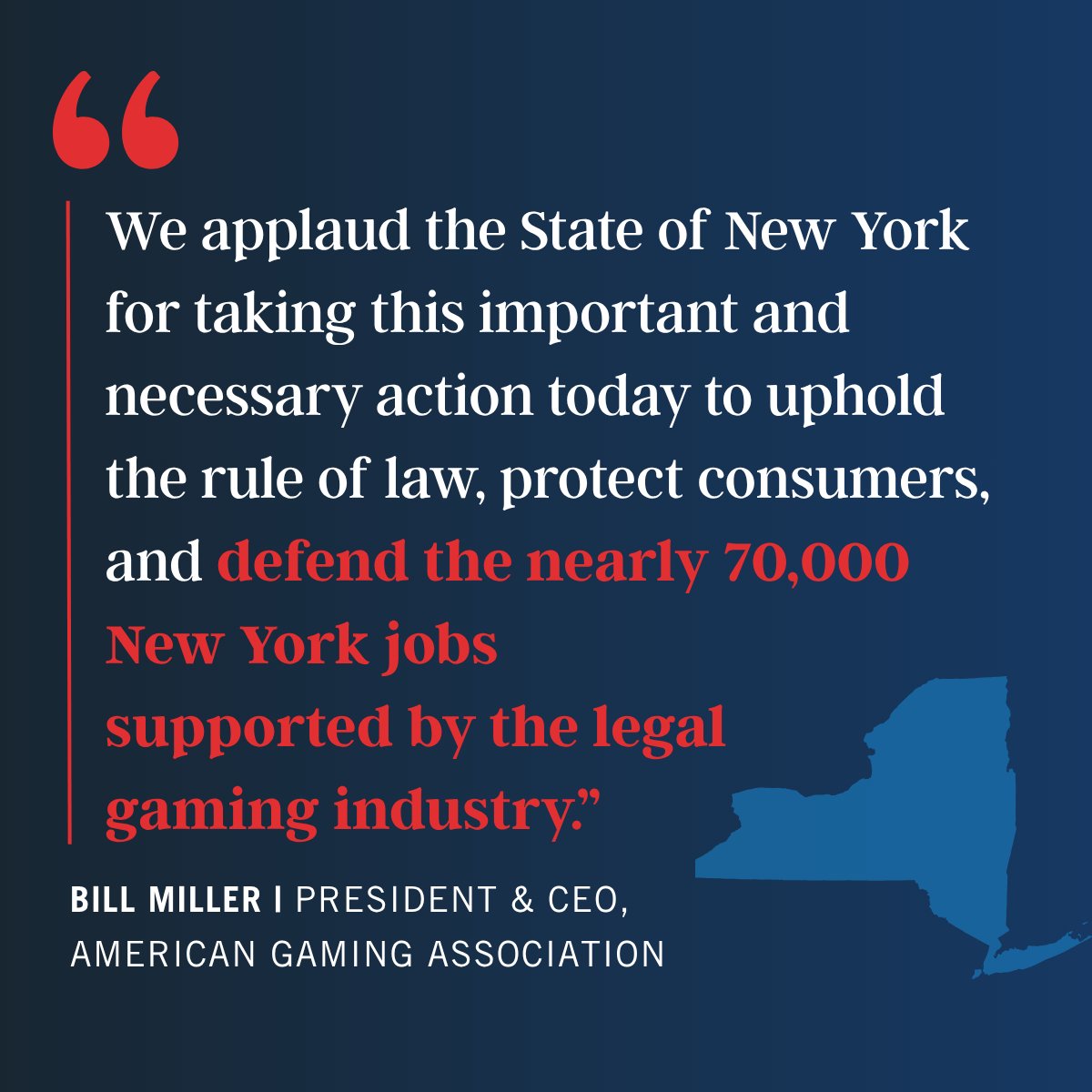
More than $1.2B in gaming tax revenue has already been diverted nationwide from critical community priorities by "prediction markets." We commend New York for taking action to protect consumers, uphold the rule of law, and defend the state's nearly 70,000 gaming jobs.
@NewYorkStateAG@GovKathyHochul
This isn’t relevant at all as to whether their members are operating illegal sportsbooks or not.
But, if @PredictAction is going to keep going down this road they should at least use the current numbers rather than mislead people with old ones.
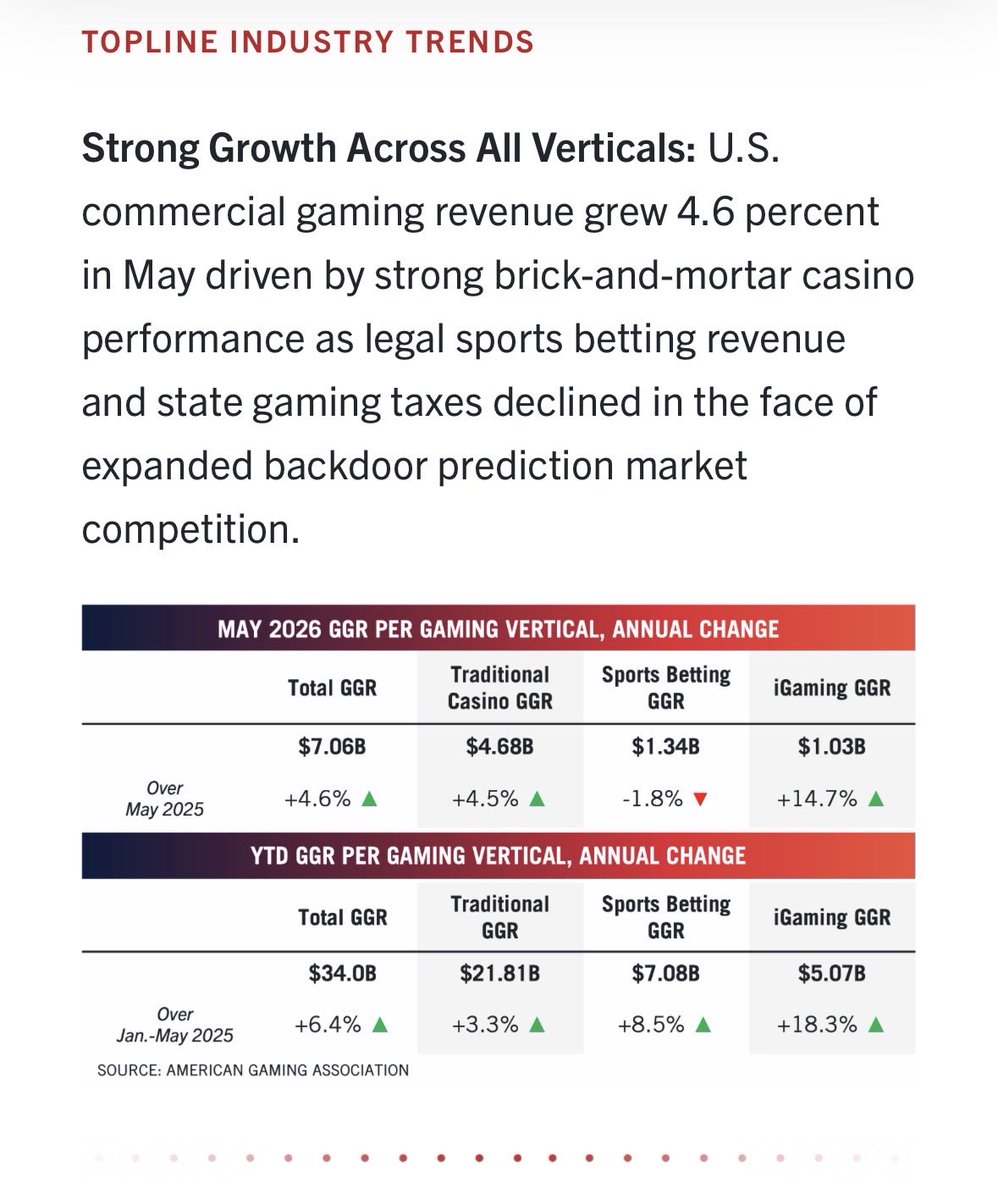
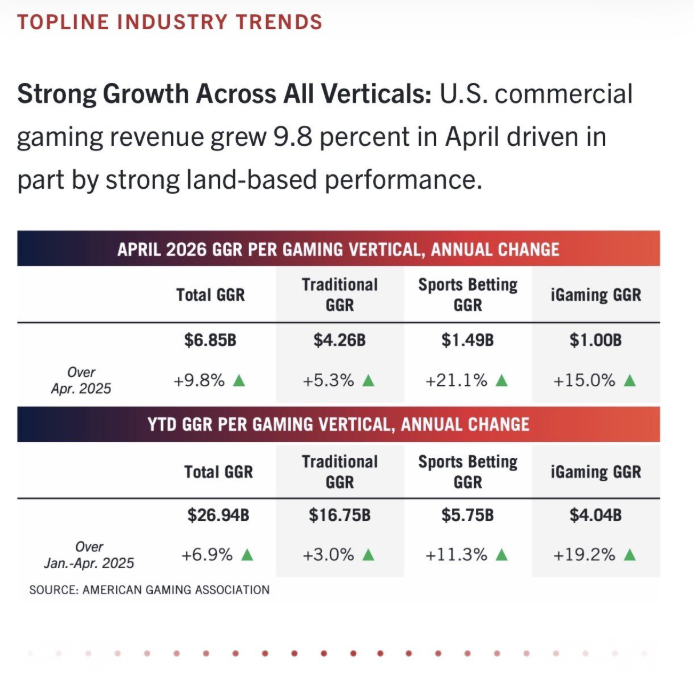
The casino lobby @AmericanGaming is spending a lot of money and political capital to convince policymakers to believe that prediction markets are devastating gaming.
Meanwhile, casino revenues keep climbing.
Both of those things can’t be true.
@a_kane47 Maybe thats how it was sold, but nevertheless according to their own math: every $2,025 bet on platforms like @kalshi and @Polymarket in North Carolina costs a youth basketball team a basketball in lost state tax dollars.
@jackikotkiewicz@AmericanGaming This drives home the cost to NC taxpayers.
Looks like for every $100 bet on @Kalshi in NC, youth sports programs get $0.06, while for every $100 bet at a state-regulated sportsbook youth sports would see $2.53 in benefits. Every $100 that moves to PMs costs taxpayers $2.47.
@JonathanDCohen1 is right.
Additionally, since @Kalshi and other PM ads don't have to include responsible gaming messaging, nearly half of all the online sportsbook ads seen by consumers this year don't include state mandated problem gambling resources.
On the "Consumer Protections" section of its website, @Kalshi boasts that the National Futures Association "imposes specific marketing restrictions" for prediction markets. Only one problem: Kalshi is not an NFA member and is not subject to its rules
During his opening remarks at today's @HouseAgGOP hearing, the AGA's Chris Cylke emphasized that sports betting policy belongs with the states and tribes.
"Congressional intent was clear: sports betting should not be traded on financial markets. I know it. You know it. And Kalshi’s lawyers made clear in federal court that they knew it." -AGA's Chris Cylke at today's hearing.
An easy way for “prediction markets” to avoid being called sports books would be to stop offering sports bets.
But when more than 80% of your business is sports betting, you’re a sports book.
I don’t expect everyone, even in media, to understand all the ins and outs of how prediction markets function (e.g. the difference between being a maker and a taker, the difference between a limit and market buy, what an order book is),
BUT if you are seriously making the argument that prediction markets are just sports-books in 2026, you are living under a rock or you’re just lying. It’s journalistic malpractice.
@ediyork Because it’s nonsensical?
A monopoly doesn’t need a trade association and a trade association of many competing businesses is obviously not a monopoly.