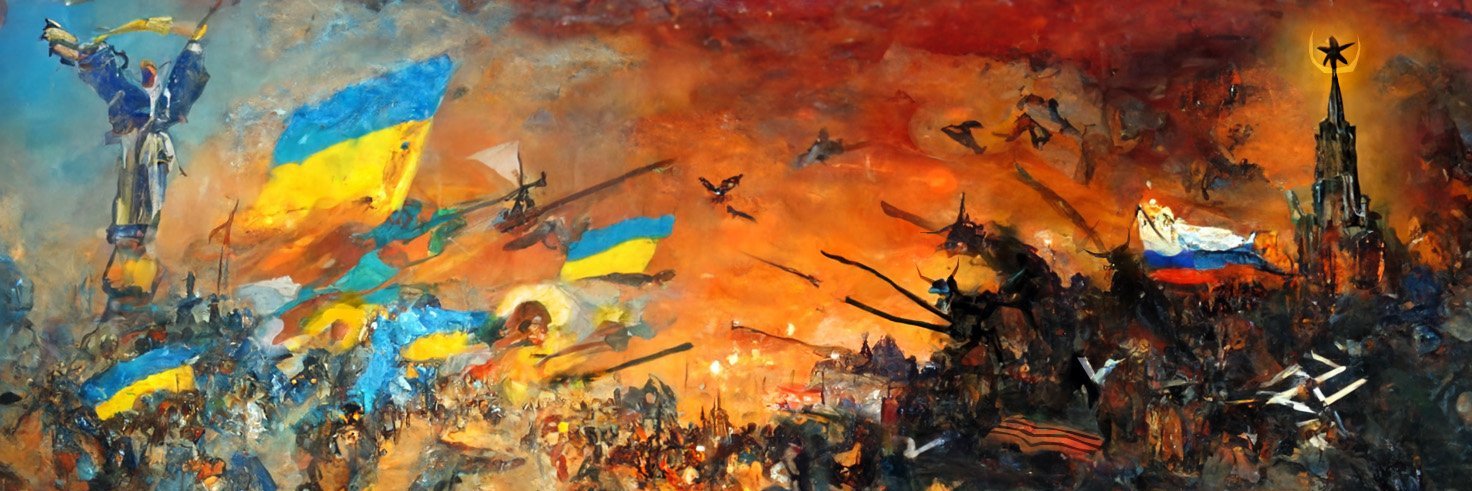
While it is true that the Sloviansk–Kramatorsk area is the strongest defensive sector, I don’t think that is the main reason Russia demands it. Nor is the main goal to provoke internal conflict in Ukraine (though it is true that much of Ukrainian society would not accept it). 1/8
@JoelWebbon Russian fascist have recently (and probably still are) putting people on trains in the occupied territories of Ukraine, including orphan children they kidnap, and take them to their land. Just one example.
@Vicar1973 Help me understand, brought up Baptist myself. I always heard these text to mean a spiritual baptism, and then the distinction between a spiritual "immersion" in Christ (spiritual baptism) and the outward manifestation of that in the water baptism as confirmation of inner change.
@IAPonomarenko While criticizing globalism, these guys embrace a naïve thesis of globalization—namely, that economic cooperation inevitably prevents wars
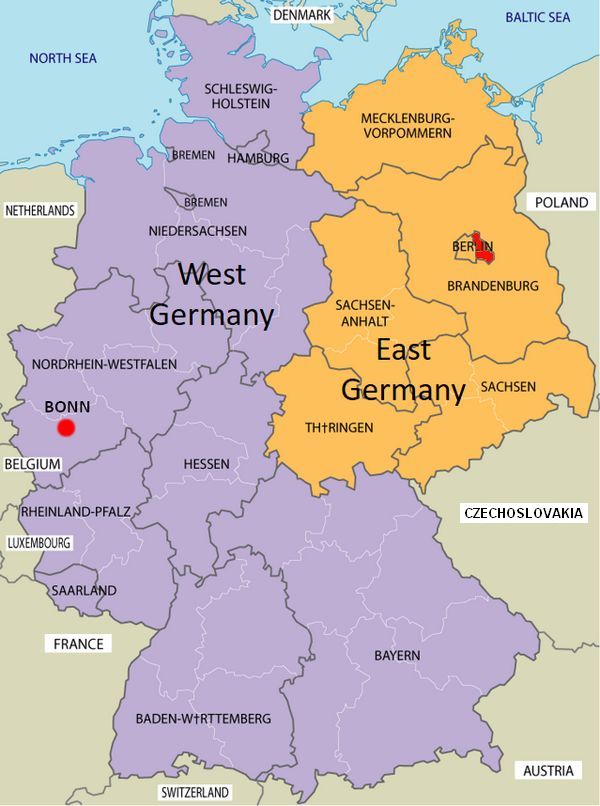
Looking at the list of things Russia said and did to prevent West Germany from entering NATO reminds us of everything they're now doing and saying to keep Ukraine out of NATO.
West Germany’s entry into NATO (which happened in 1955). Here are the main things they did and said:
1. Threats of Force and Escalation
Moscow warned that admitting West Germany into NATO would be seen as a direct threat to Soviet security and could force the USSR to “take measures” to protect itself.
Soviet propaganda emphasized that a rearmed Germany, backed by the West, would inevitably lead to a revival of Nazism and a new war in Europe.
2. Diplomatic Initiatives
The Stalin Note (March 1952): Stalin suddenly offered German reunification under conditions of neutrality — a united Germany with its own armed forces, but barred from joining any military alliances.
This was aimed at enticing Germans (especially in the West) to see neutrality as an alternative to NATO membership.
The West distrusted it, viewing it as a ploy to keep Germany weak and within Soviet influence.
The USSR pushed for an all-European security arrangement to replace NATO, portraying itself as willing to cooperate if only the West would drop Germany’s NATO path.
3. Creation of a Counter-Bloc
When it became clear West Germany would join NATO, Moscow formalized its own sphere:
1955: Founded the Warsaw Pact as a direct counter to NATO expansion.
East Germany was integrated tightly into the Soviet bloc as a military bulwark.
4. Propaganda Campaigns
In East Germany and across Europe, Soviet propaganda hammered the message that West German rearmament meant Nazism’s return under American sponsorship.
They portrayed NATO as a tool of “U.S. imperialism,” with Germany as its spearhead for a future invasion of the USSR.
5. Pressure on Allies
The Soviets applied pressure on France in particular, knowing French opinion was uneasy about a rearmed Germany. They hoped to fracture Western unity.
They courted neutral countries (Austria, Finland, Sweden, Switzerland) to spread fear that NATO + West Germany would destabilize all of Europe.
The Russian strategy mixed threats, diplomatic offers of a neutral Germany, propaganda about Nazism, and the creation of the Warsaw Pact. Despite this, the West judged that a rearmed West Germany inside NATO was safer than a neutral, potentially vulnerable Germany — so in May 1955, the Federal Republic of Germany formally joined NATO.
Russia then employed the same tactics with the Baltics, also failing to prevent accession.
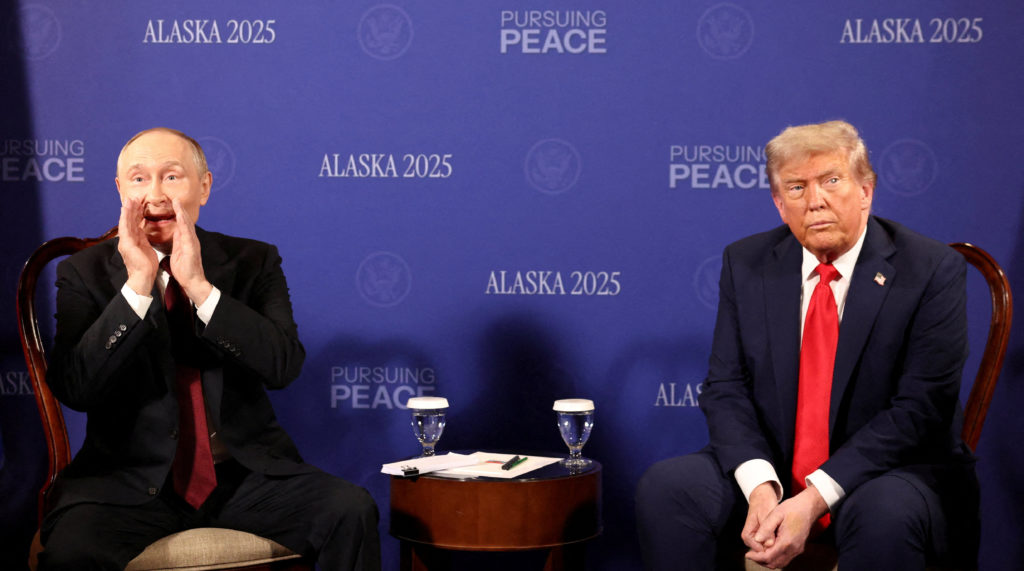
1/ 🧵 A wounded Ukrainian warrior texted me today about the Alaska summit.
His first words surprised me:
“It takes tremendous personal courage to do what Trump did in Alaska.”
Here’s what else he wants Americans to hear. 🧵⤵️