[My 4th paper in 2026]
A new record from the #BlackSea: 🎯 We report a new maximum size for sharpsnout #seabream and emphasize that large individuals captured in #RecreationalFisheries should be taken into account in #Fisheries management.
🔗 https://t.co/RGsGyNzkRi
[My 3rd paper in 2026 – Q1]
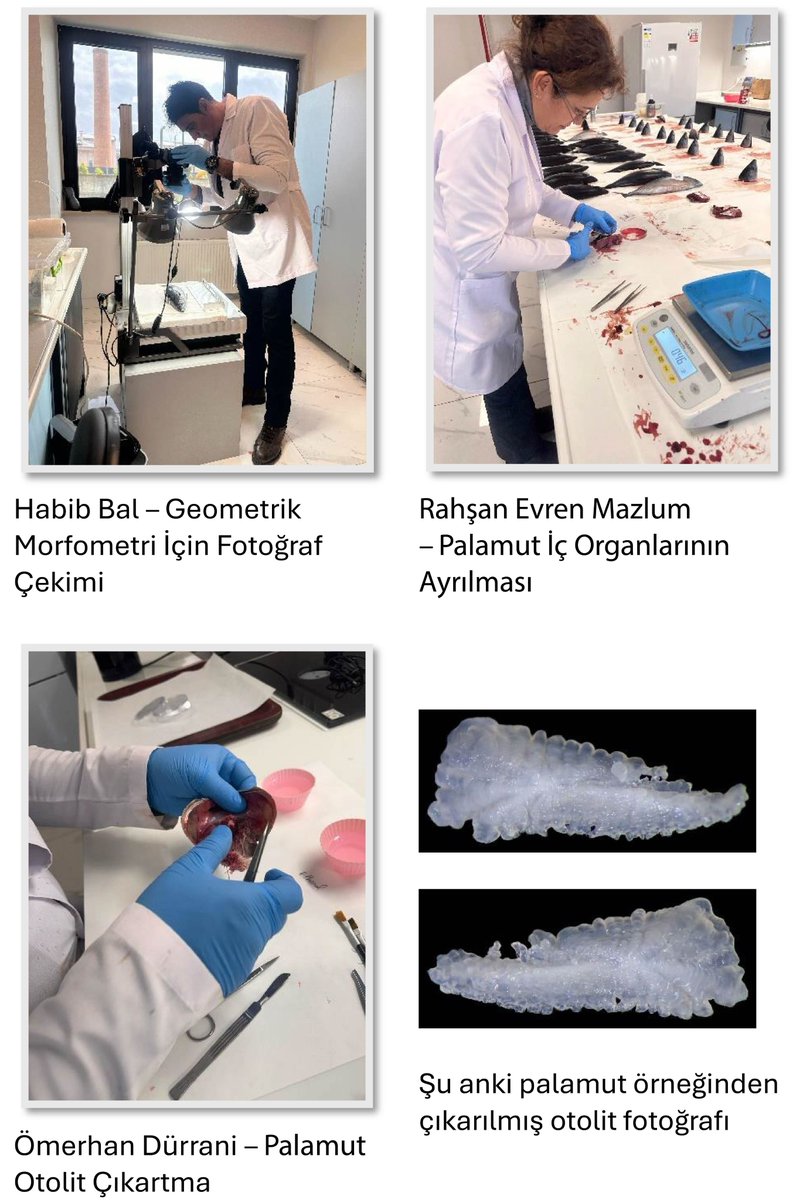
An additional output from my TÜBİTAK project:
🎯 We show that morphological differentiation in Black Sea Atlantic bonito stocks aligns with feeding dynamics, and highlight risks of untested data pooling in stock analyses.
🔗 https://t.co/tAmB6zPxfc
[My 2. paper in 2026 – Q1]
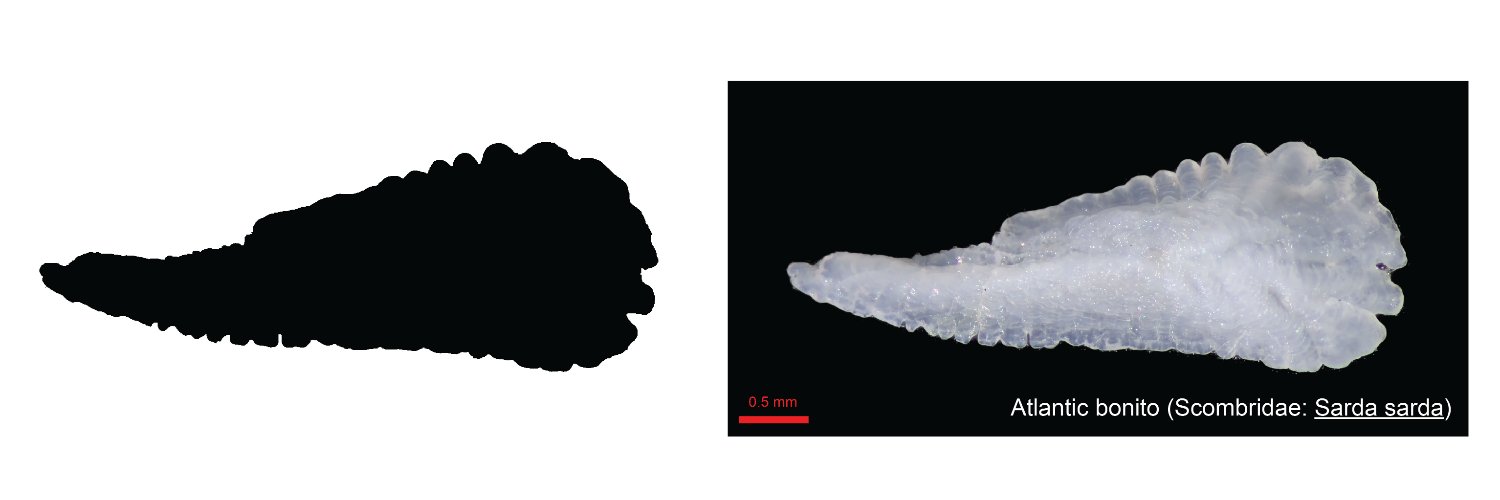
The first paper from my 1002‑B project has been published! We examined the stock structure of Atlantic bonito using body morphometrics and otolith shape analyses. #BlackSea
Link: https://t.co/xt1YKUw3PF
[My 1. paper in 2026 – Q2]
AI-based age estimation from otolith images (Swin Transformer + Gaussian Process Classifier), reaching up to 94% accuracy.
Link: https://t.co/DrtszagsQB
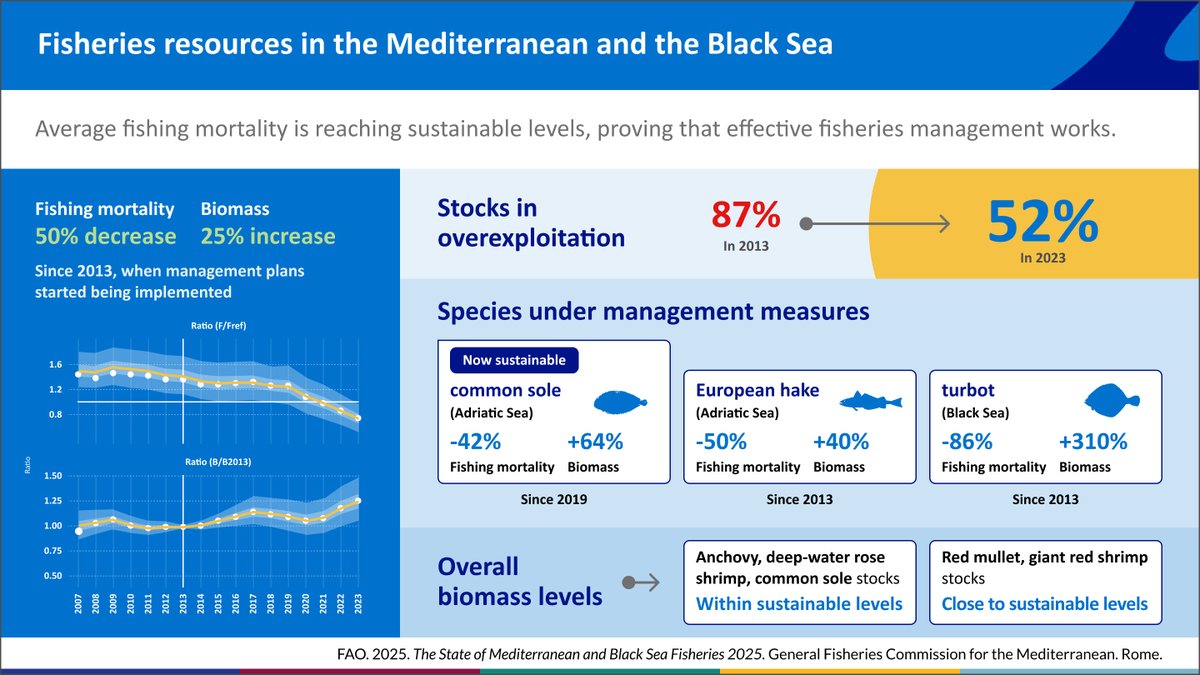
Sustainable management delivers: fishing pressure down 50 percent❗️
#SOMFI2025 assesses 120 stocks across the region, indicating that between 2013 & 2023, fishing mortality fell sharply while the biomass of assessed commercial species increased by 25%.
🔗https://t.co/rnPYLCcAoc
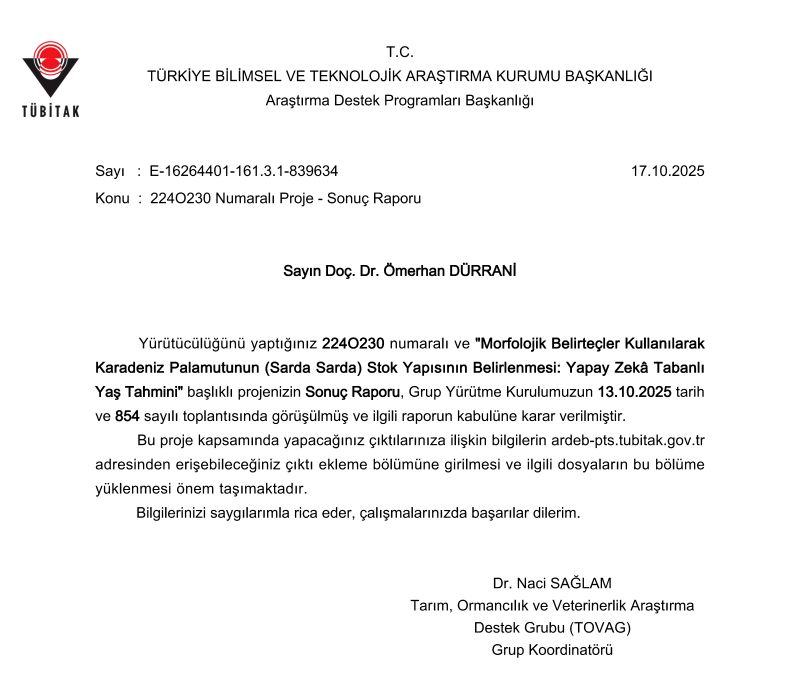
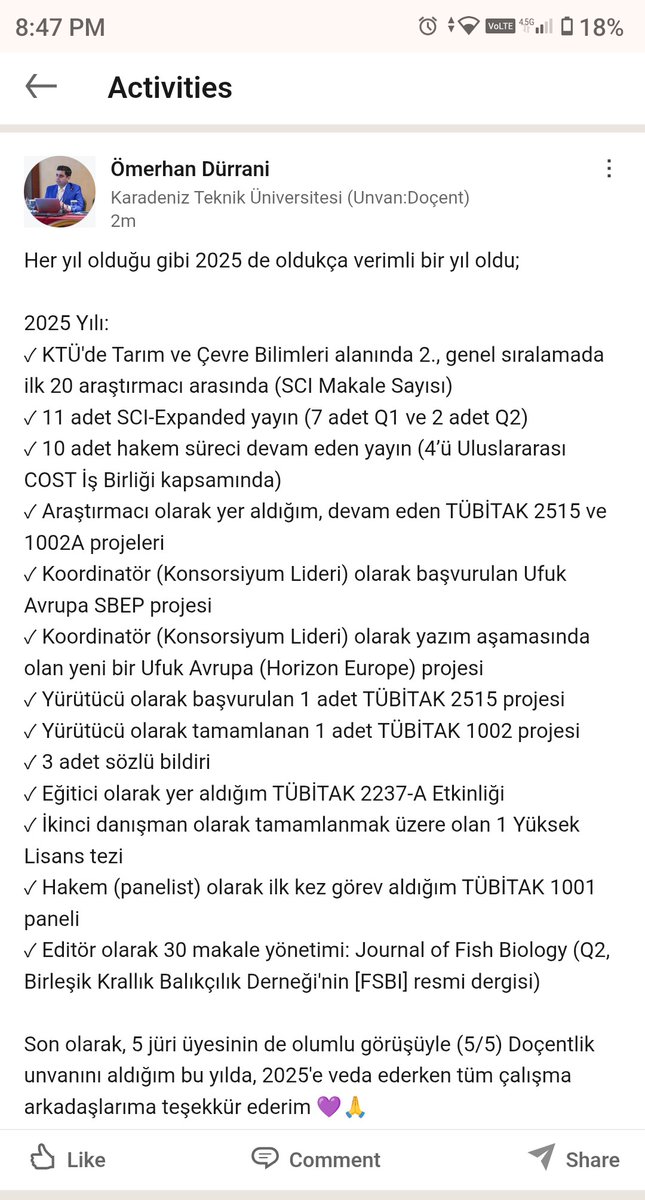
Yürütücüsü olduğum #TÜBİTAK projemizin sonuç raporu kabul edildi. Projeyi süresinden önce başarıyla tamamladık.
Çıktılarımız:
• 1 Q1 makale (değerlendirmede)
• 2 yeni makale (yazılıyor)
• 2 uluslararası kongre sunumu
Tüm ekibe teşekkürler! #palamut#otolith#BlackSea
[My 9th publication of 2025 – Q2 journal, Impact Factor: 2.8]
Our review paper, conducted under CA20102: MAF World – COST Action following a 4-day workshop, is now published.
📖 Open Access: https://t.co/eM40V1mCNk
📎 Workshop: https://t.co/L4ubRzfzJe
[My 8th publication of 2025 – Q1 journal, Impact Factor: 9.8]
Pleased to share that our comprehensive review paper, conducted under the framework of the CA20106 – @SeaWheatCOST, has been published today in Food Chemistry.
📖https://t.co/iuvLbSVp9L
Our study is the first to directly determine the age of Rapana venosa in the 🇹🇷 Black Sea using #statoliths—paving the way for accurate growth modeling and sustainable management.
#Mollusca#BlackSea#Rapanavenosa
[My 7th paper in 2025 – Q3]
[My 6th paper in 2025 – Q1, IF 11.3]
Findings reveal a twofold rise in incidents, with extreme #weather as the leading cause — underscoring the urgent need for #climate-resilient infrastructure in #aquaculture.
Link: https://t.co/jZKHurfT0S
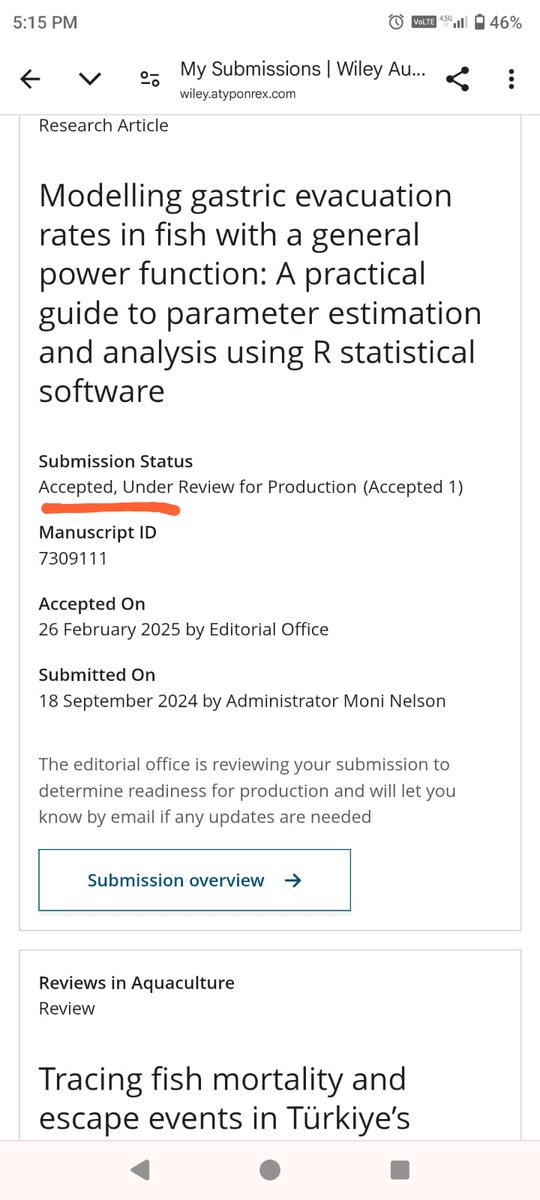
After a decade of studying #fish gastric evacuation, I have compiled key modeling techniques into this paper. It offers a step-by-step R guide for accurate, unbiased analysis. A must-read for researchers in #aquaculture & #ecological modeling! 📖👇
🔗 https://t.co/5qIWOq2l0H
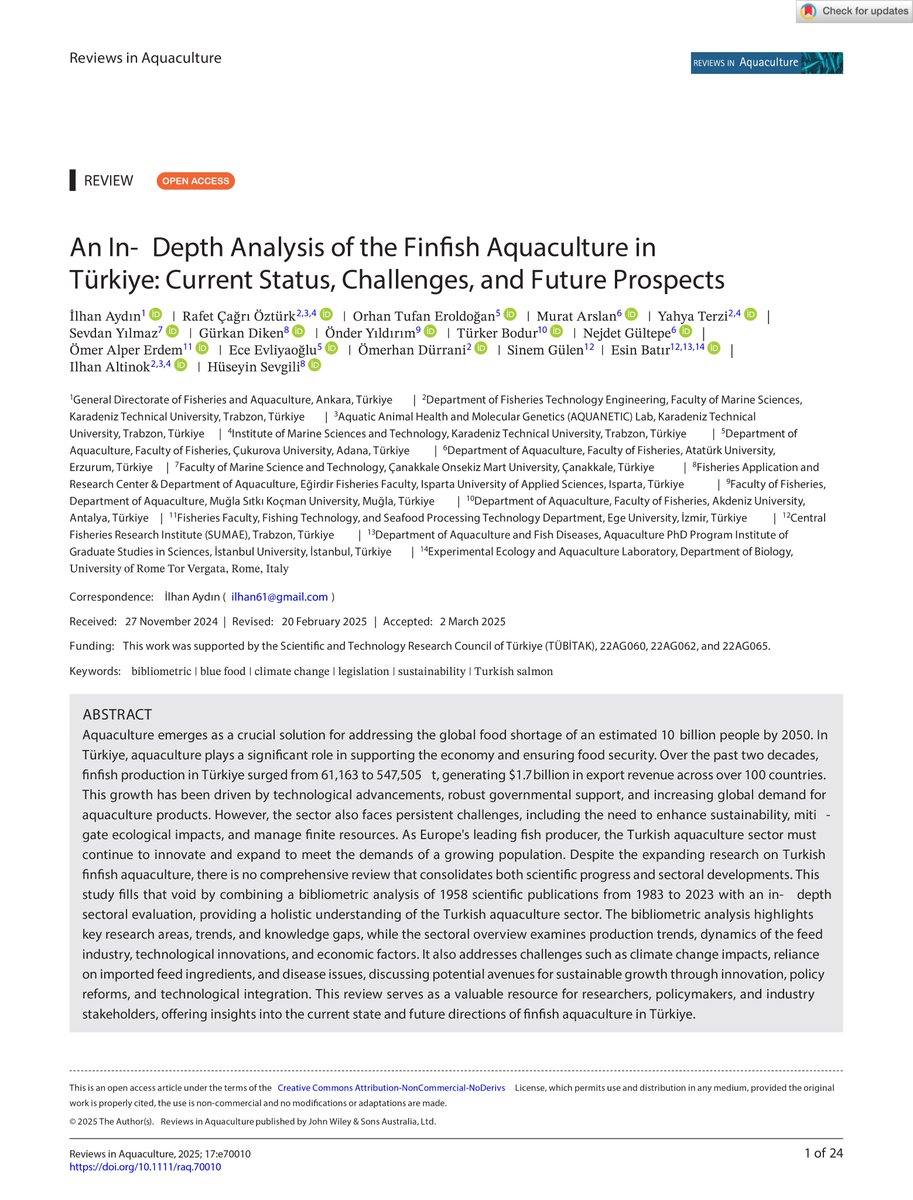
🚀 New publication alert! Our latest paper on Türkiye’s finfish aquaculture is now out in Reviews in Aquaculture (Q1)🐟🌊
🔗 https://t.co/fiA71E7CWr
#Aquaculture#Fisheries#BlueGrowth#BlackSea
As the PI, I'm leading @Tubitak-supported project on determination of stock structure of Atlantic bonito in the @BlackSea using morphological markers: Artificial intelligence-based age estimation.
Their #otoliths are tiny & fragile, so soft brushes are used for careful cleaning!
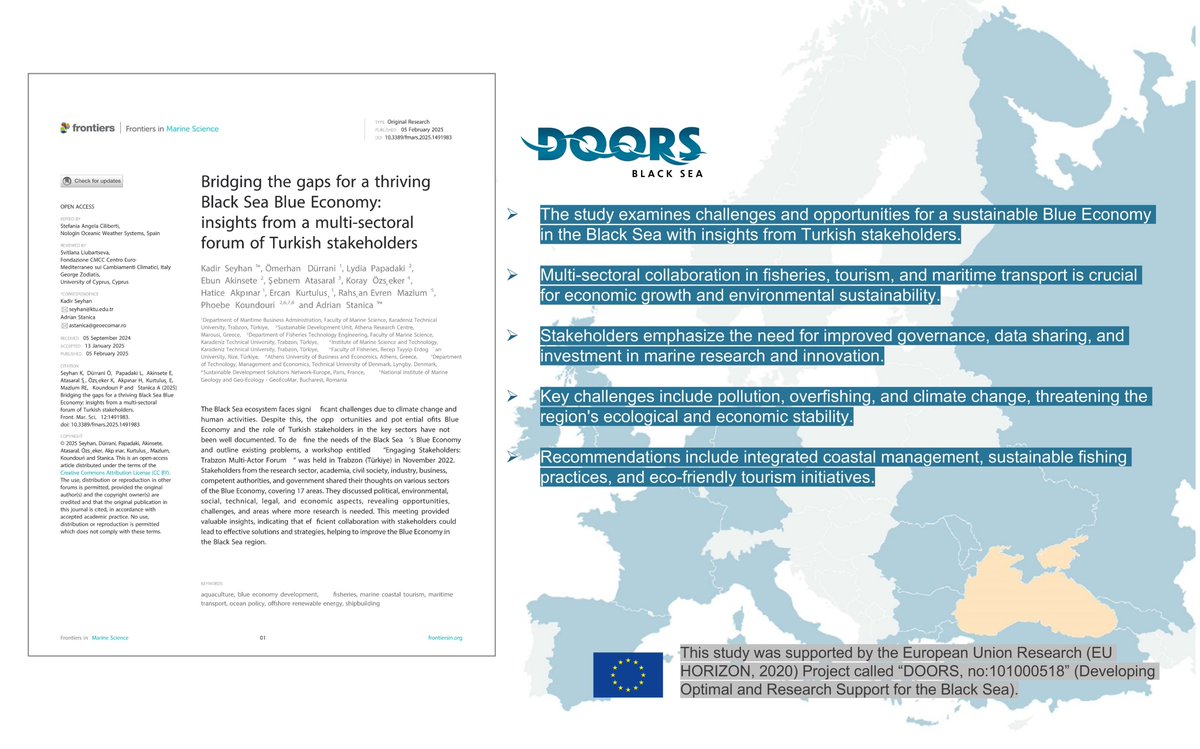
Our 2nd paper from @doorsblacksea in 2025, published in Frontiers in Marine Science (Q1), explores Turkish stakeholders' insights on the #BlackSea's #BlueEconomy.
Key strategies from the Trabzon Multi-Actor Forum for sustainable #BlueEconomy
Full paper at https://t.co/lQcRISrzbq
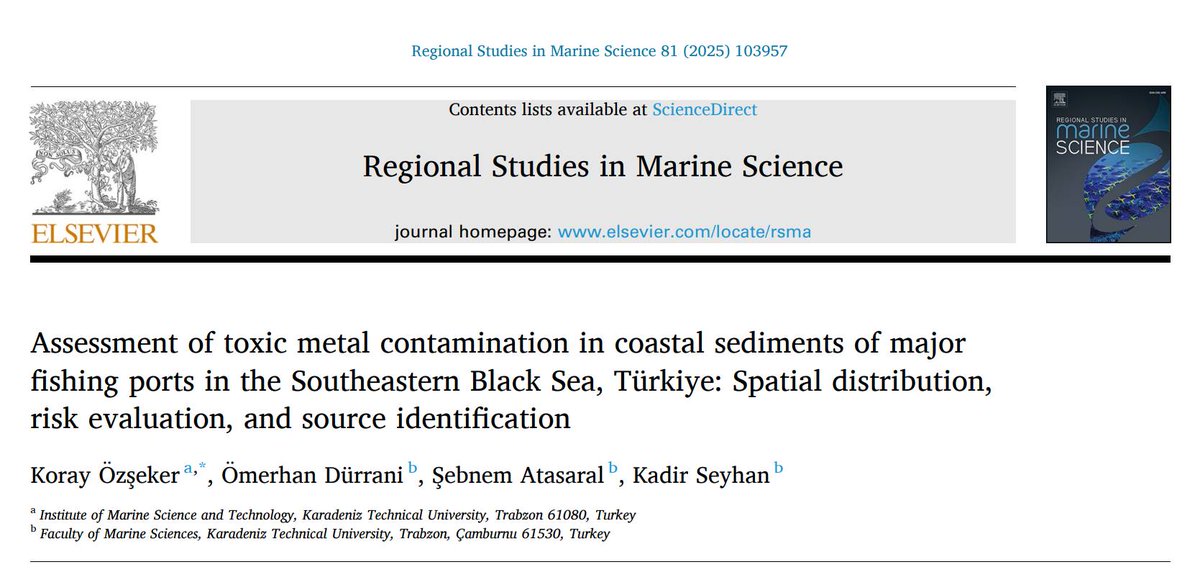
Our first paper of 2025, led by @seyhankadir1 from the @doorsblacksea has been published in Regional Studies in Marine Science (Q2). A few more such publications are on the way.
For full manuscript access https://t.co/UDrYDJaPLH




![dr_OmerHan's tweet photo. Our study is the first to directly determine the age of Rapana venosa in the 🇹🇷 Black Sea using #statoliths—paving the way for accurate growth modeling and sustainable management.
#Mollusca #BlackSea #Rapanavenosa
[My 7th paper in 2025 – Q3] https://t.co/Tew5n89Wz5](https://pbs.twimg.com/media/GuSeHIwXAAA3fUb.jpg)


![dr_OmerHan's tweet photo. [My 4th paper in 2026]
A new record from the #BlackSea: 🎯 We report a new maximum size for sharpsnout #seabream and emphasize that large individuals captured in #RecreationalFisheries should be taken into account in #Fisheries management.
🔗 https://t.co/RGsGyNzkRi https://t.co/U33qBNqb9T](https://pbs.twimg.com/media/HJzC2xYXQAA-So9.jpg)
![dr_OmerHan's tweet photo. [My 3rd paper in 2026 – Q1]
An additional output from my TÜBİTAK project:
🎯 We show that morphological differentiation in Black Sea Atlantic bonito stocks aligns with feeding dynamics, and highlight risks of untested data pooling in stock analyses.
🔗 https://t.co/tAmB6zPxfc https://t.co/EMvHRDIANF](https://pbs.twimg.com/media/HHDQ0xmaoAAR9QC.jpg)
![dr_OmerHan's tweet photo. [My 2. paper in 2026 – Q1]
The first paper from my 1002‑B project has been published! We examined the stock structure of Atlantic bonito using body morphometrics and otolith shape analyses. #BlackSea
Link: https://t.co/xt1YKUw3PF https://t.co/KacB5HQBBV](https://pbs.twimg.com/media/HHDPzgqacAAqVSE.jpg)
![dr_OmerHan's tweet photo. [My 1. paper in 2026 – Q2]
AI-based age estimation from otolith images (Swin Transformer + Gaussian Process Classifier), reaching up to 94% accuracy.
Link: https://t.co/DrtszagsQB https://t.co/LDB5DwGE5j](https://pbs.twimg.com/media/G_VVfQKWMAAPCaB.jpg)
![dr_OmerHan's tweet photo. [My 9th publication of 2025 – Q2 journal, Impact Factor: 2.8]
Our review paper, conducted under CA20102: MAF World – COST Action following a 4-day workshop, is now published.
📖 Open Access: https://t.co/eM40V1mCNk
📎 Workshop: https://t.co/L4ubRzfzJe https://t.co/WaRyJW2hKA](https://pbs.twimg.com/media/Gz2OBPpXIAAuSPl.jpg)
![dr_OmerHan's tweet photo. [My 8th publication of 2025 – Q1 journal, Impact Factor: 9.8]
Pleased to share that our comprehensive review paper, conducted under the framework of the CA20106 – @SeaWheatCOST, has been published today in Food Chemistry.
📖https://t.co/iuvLbSVp9L https://t.co/lEFz61oTfO](https://pbs.twimg.com/media/Gy3cdwIX0AAdUzD.jpg)
![dr_OmerHan's tweet photo. Our study is the first to directly determine the age of Rapana venosa in the 🇹🇷 Black Sea using #statoliths—paving the way for accurate growth modeling and sustainable management.
#Mollusca #BlackSea #Rapanavenosa
[My 7th paper in 2025 – Q3] https://t.co/Tew5n89Wz5](https://pbs.twimg.com/media/GuSegdSXUAAR1fj.jpg)
![dr_OmerHan's tweet photo. [My 6th paper in 2025 – Q1, IF 11.3]
Findings reveal a twofold rise in incidents, with extreme #weather as the leading cause — underscoring the urgent need for #climate-resilient infrastructure in #aquaculture.
Link: https://t.co/jZKHurfT0S https://t.co/d5MWbZOMa1](https://pbs.twimg.com/media/GuMvuKgXgAASiud.jpg)
![dr_OmerHan's tweet photo. We are very happy to share that, for the first time, we have used #Artificialİntelligence to discriminate the #stock of a marine fish based on its #otolith shape.
[My 5th paper in 2025 – Q1, IF 7.5]
@UN_FAO_GFCM #BlackSea https://t.co/ORtgNB2NYr](https://pbs.twimg.com/media/Gtk_bIpaIAAq7x1.jpg)