Combating plastic pollution requires concerted efforts upstream (reduction of production, products redesign etc) and downsteam (enhancing collection thro EPR and promotion of plastic circular economy etc). Research and innovation role is key along the entire plastic life cycle.
Dear colleagues, we are pleased to share one of our recent research findings article "Are tropical estuaries a source of or a sink for marine litter? Evidence from Sabaki Estuary, Kenya, " is now available online:
https://t.co/XFDDXt9YRv
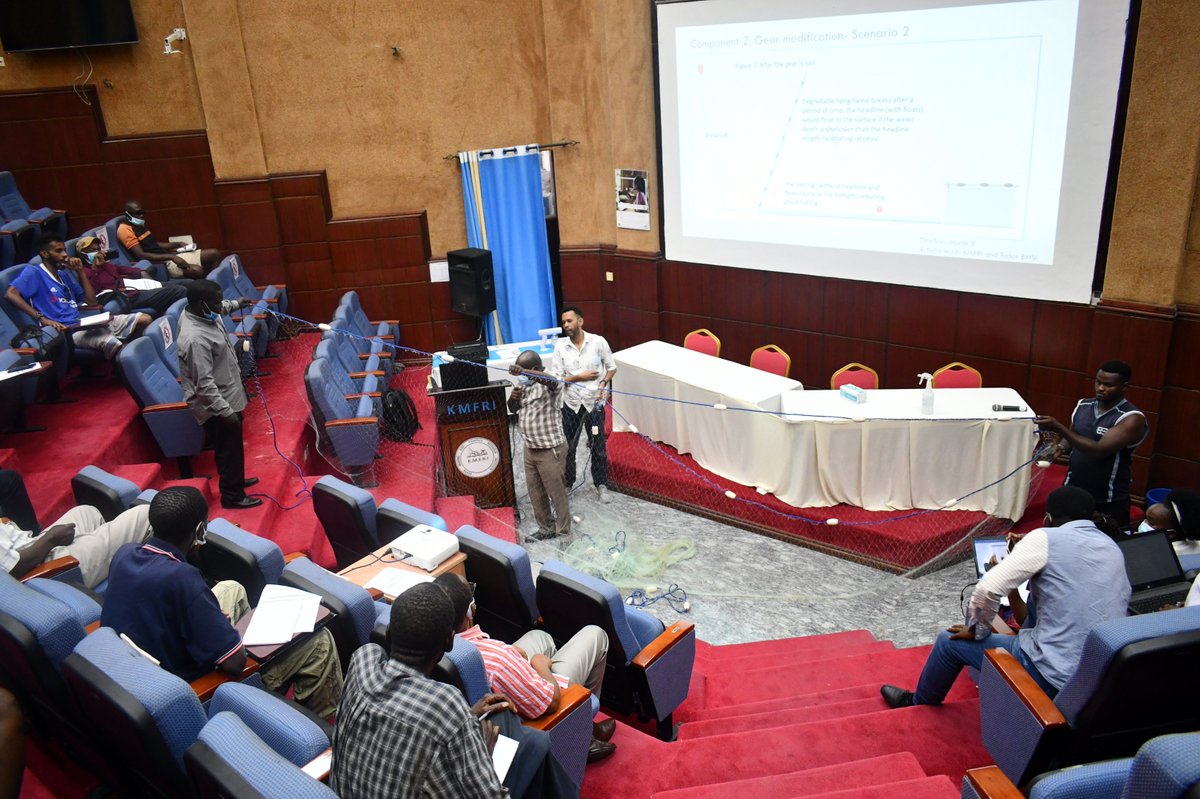
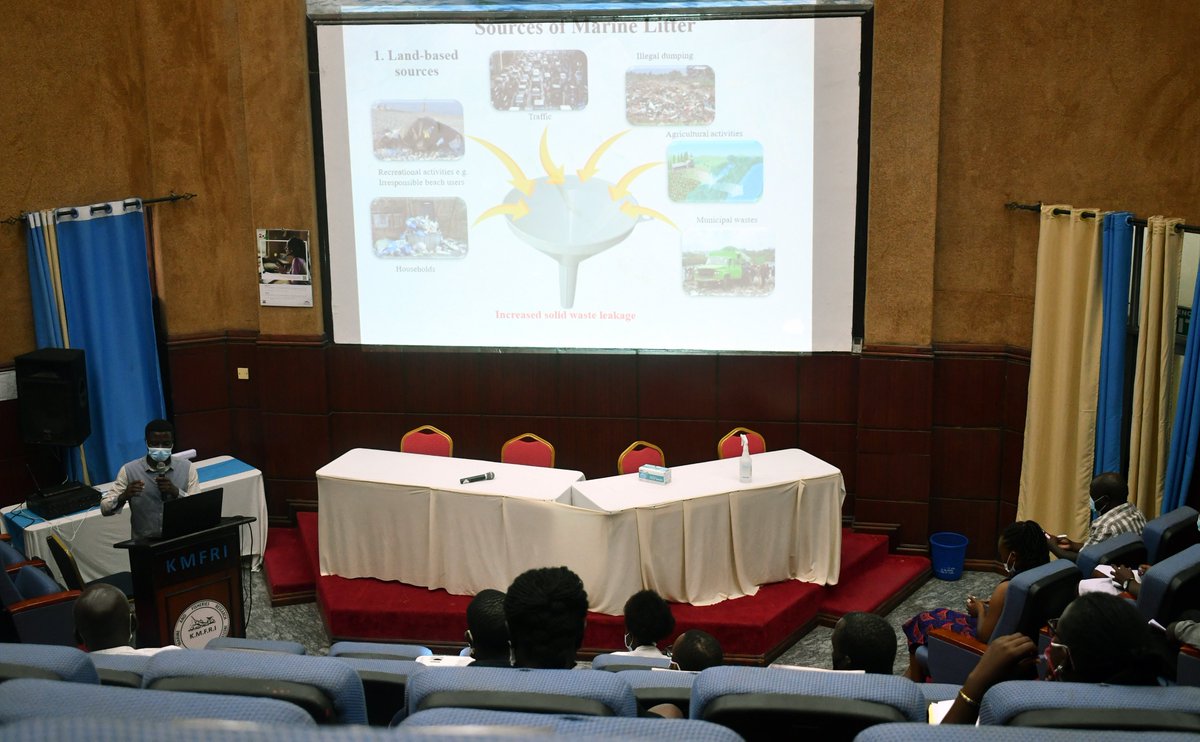
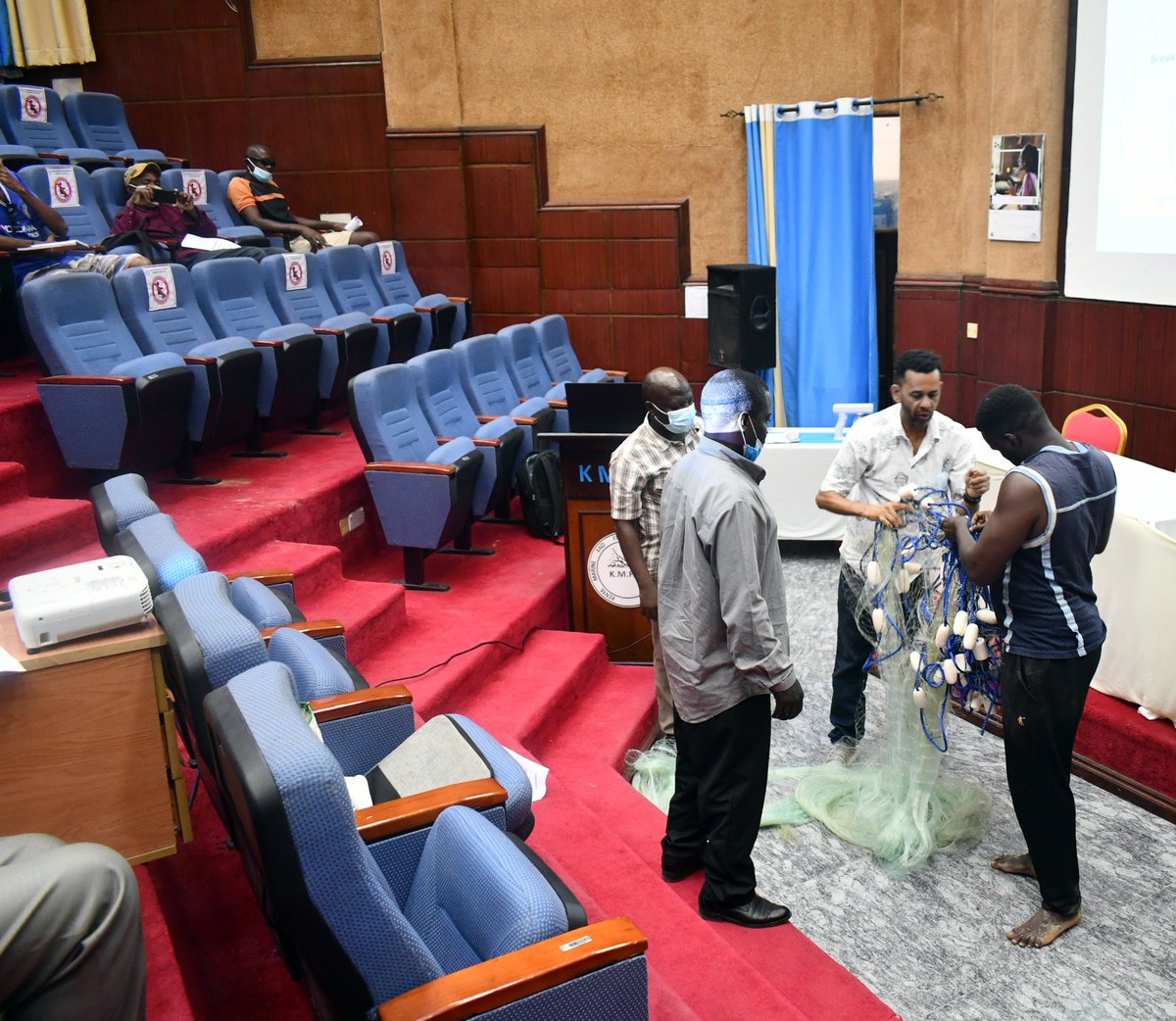
20% of sea-based plastic litter sources consist of those that are thrown while on boats, ships, and fishing nets used by our local fishermen. Ghost fishing is likely to occur when fishing continues even after the fishing net detaches while under the water.
#KmfriResearch
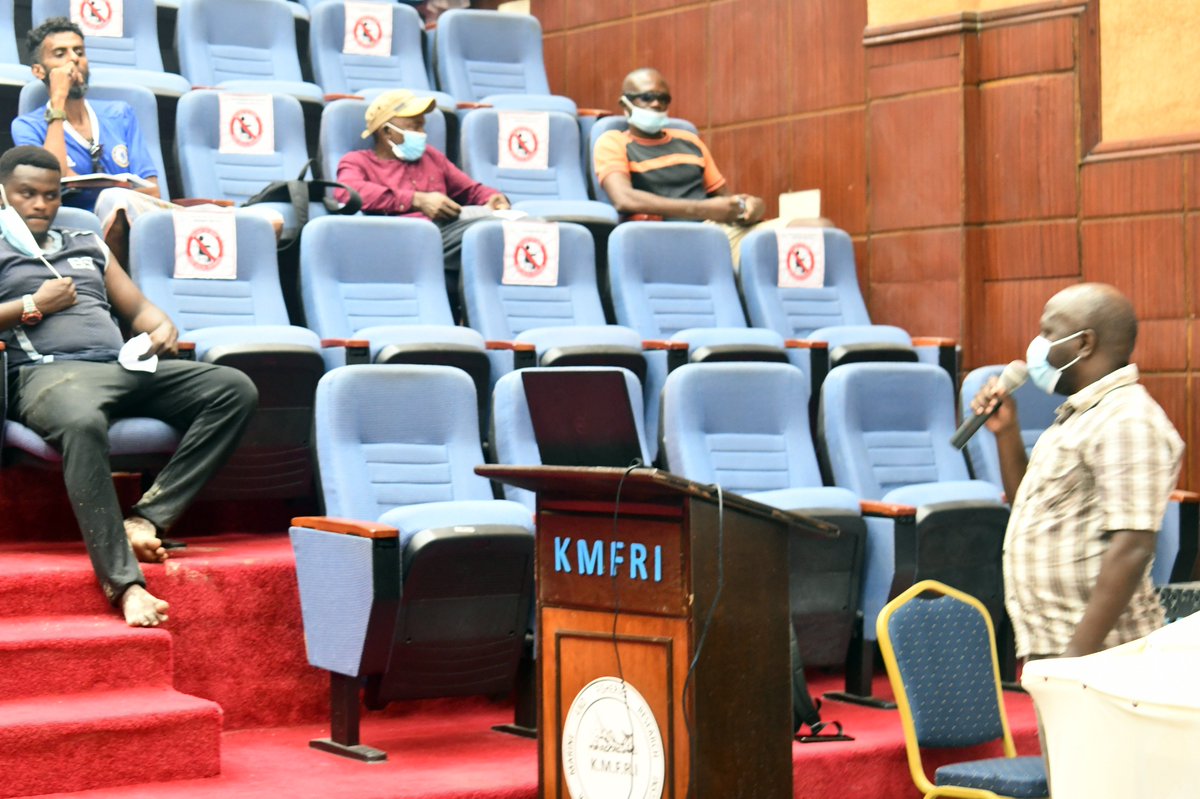
The purpose was to create awareness of the Gill Net Modification project that aims at modifying fishing nets to use materials that are biodegradable and easily retrievable in case it detaches while under the sea and as a result reduce 'ghost fishing'.
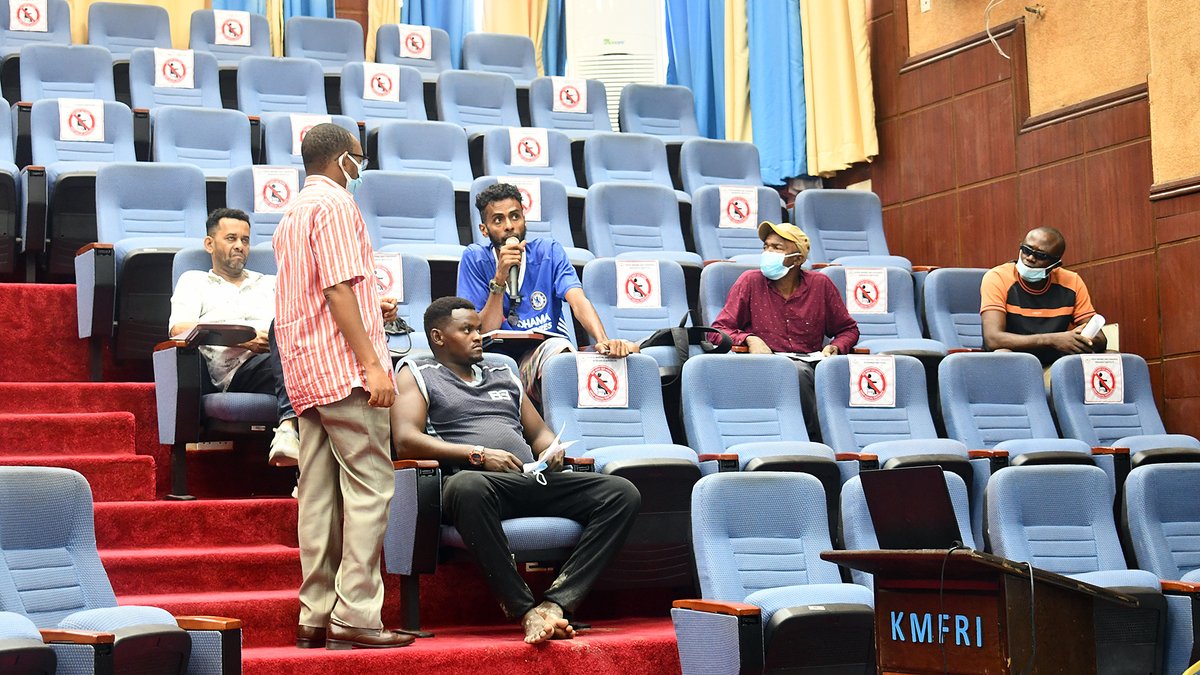
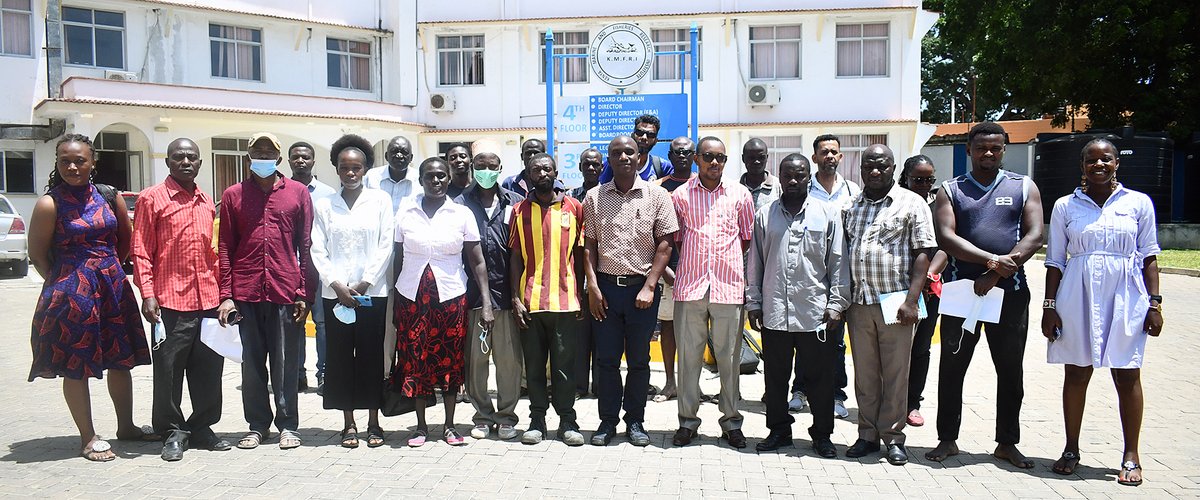
KMFRI team led by our Center Director Dr. Eric Okuku, today facilitated sensitization training for Tudor Creek Beach Management Units (BMUs) at our Headquarters offices in Mombasa.
Pleased to share one of our recent research findings article "The influence of monsoons on the spatial distribution and composition of floating marine litter" https://t.co/XIgfg5g6JX