Unsurprisingly, #COVID19 is no different to other severe acute respiratory infections, the sicker you get, the greater chance of long-term psychological impact.
Highlighting the need to understand and treat long-term sequalae of all critical illnesses!
https://t.co/C2lakKnqiU
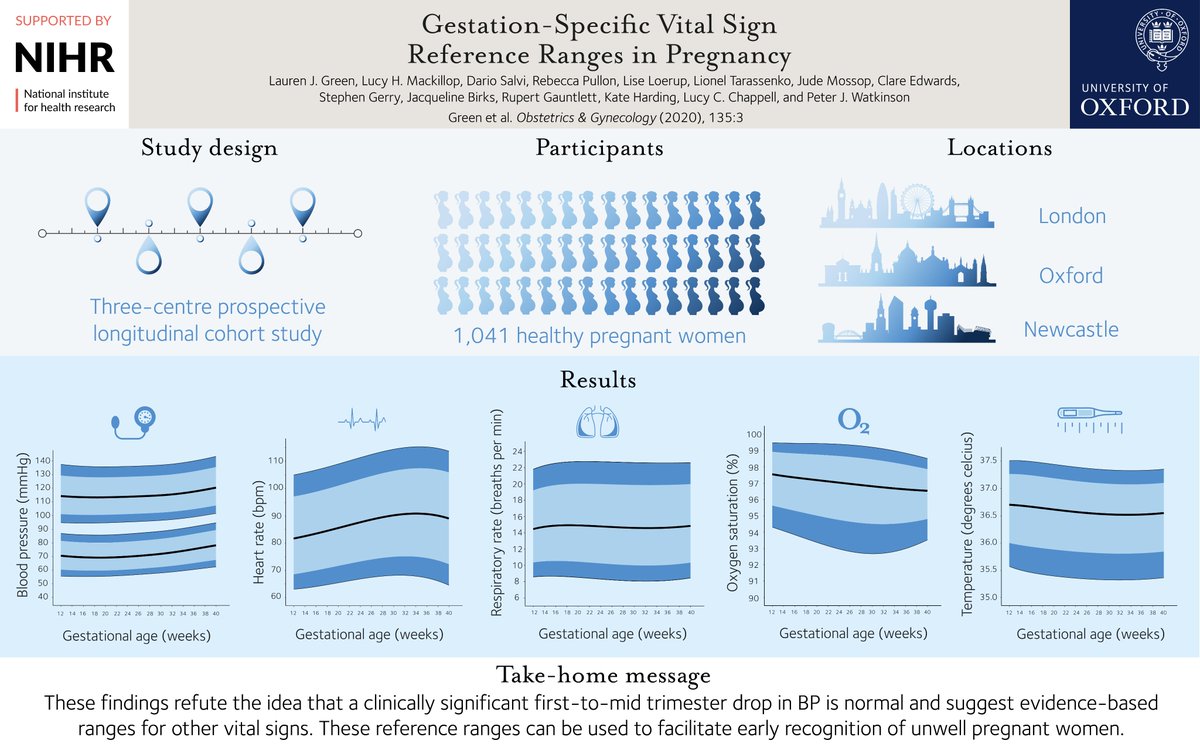
New international study will help improve diagnosis of illnesses affecting blood pressure in pregnancy.
Funded by @gatesfoundation and @OxfordBRC
https://t.co/TShp2j71cZ
@NDCNOxford
Great to see the HAVEN model published! A great testament to the amount of work that went into creating the research database, training/validating the algorithm and building the real-time clinical system.
Looking forward to @RBNHSFT and @LancsHospitals joining the HAVEN family!
#MachineLearning reliably detects patients at risk of cardiac arrest and emergency #ICU admission, without increasing #clinical workload.
Validated using #BigData from large #NHS hospitals thanks
@OUHospitals @QAHospitalNews !
https://t.co/pS8ssNpLbS
A great reminder than critical illness does not stop at ICU discharge! A great bit of collaboration with
@OUHospitals@ICU_Reading and @nhsuhcw. Well done!
The REFLECT study: #icu survivors experience a high rate of avoidable problems that contribute to their death post #CriticalCare
Addressing multi-disciplinary problems in post-ICU ward care could improve #outcome and experience
https://t.co/NzrNxhHJB1
@NDCNOxford @NIHRcommunity
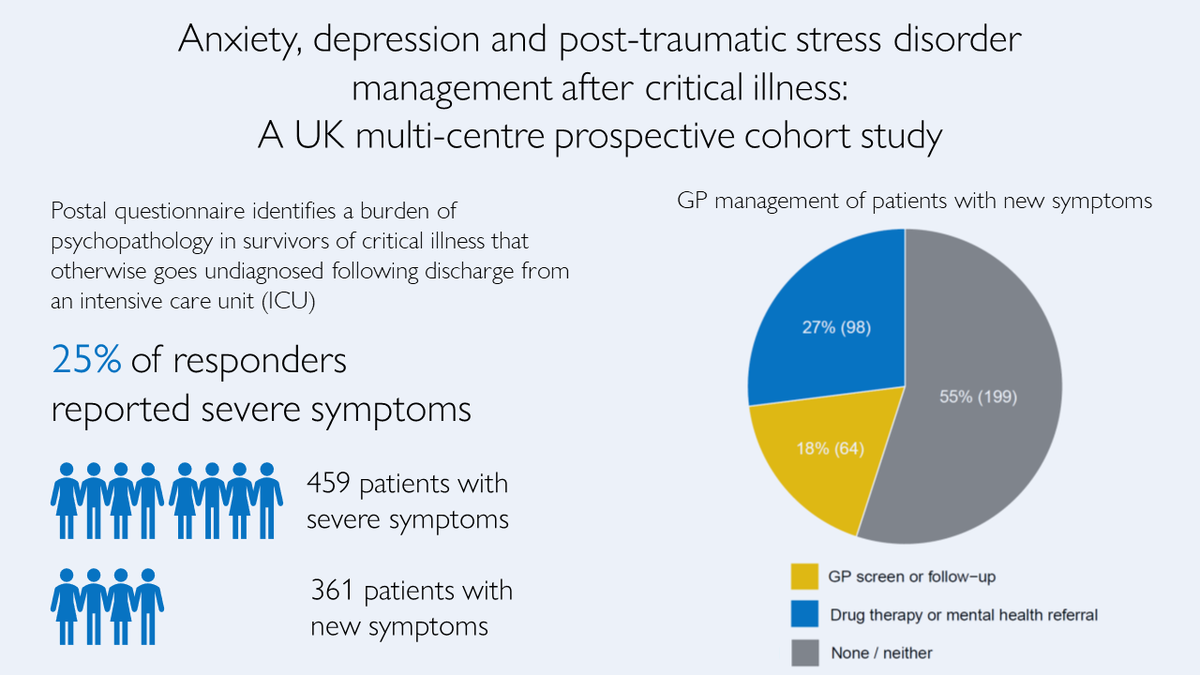
Postal questionnaire identifies undiagnosed #PTSD, #anxiety & #depression post critical illness and #ICU discharge. When alerted to severe symptoms GPs treat 27% and surveil 18% in those without a prior diagnosis.
@NDCNOxford@OxfordBRC@CritCareReviews
https://t.co/0HHToRuPLA
Excited to share our study that used #EHR data to study the manner in which patients suffering from #COVID19 deteriorate in hospital, resulting in them requiring #ICU.
Physiological trajectories in patients with #COVID19 show a quicker deterioration than seen in other viral pneumonias, with higher oxygen requirements to maintain SpO2 (sats) and only minor abnormalities in other vital signs.
https://t.co/nzn3YjHHNd
@NDCNOxford@OxEngineering
Physiological trajectories in patients with #COVID19 show a quicker deterioration than seen in other viral pneumonias, with higher oxygen requirements to maintain SpO2 (sats) and only minor abnormalities in other vital signs.
https://t.co/nzn3YjHHNd
@NDCNOxford@OxEngineering
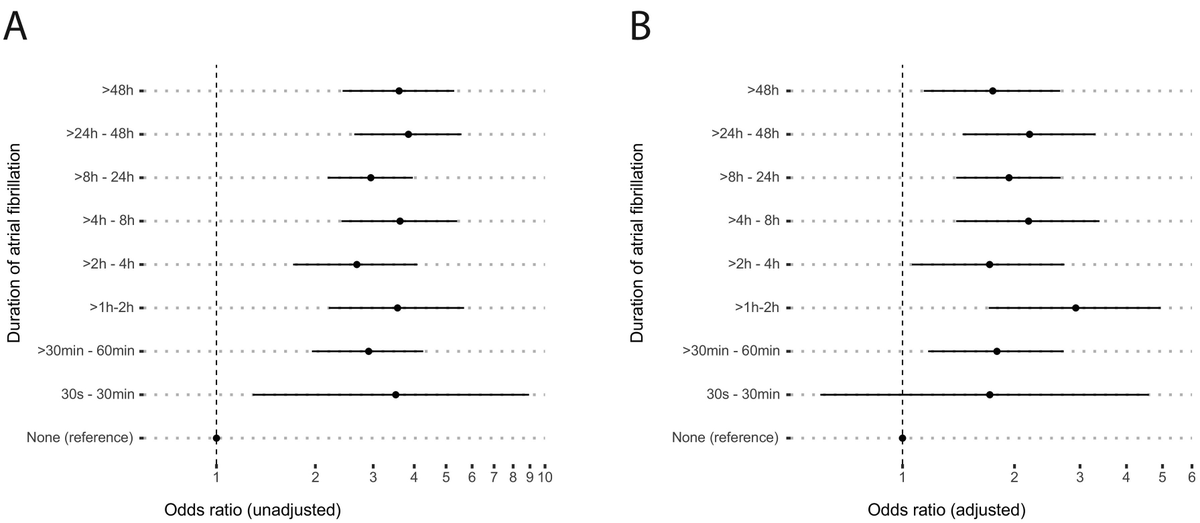
Even brief periods of new-onset atrial fibrillation during an ICU stay are independently associated with hospital mortality
https://t.co/TO9DtkH8m3
@KadoorieCentre@dr_rob_hatch@IanRechner
Great use of EHR data to dispel yet another piece of #COVID19 misinformation/speculation/fear. If #COVID has taught us anything, we need to stick to the science (and not get our medicine from twitter alone😉)
Our 8 million patient #COVID cohort study demonstrates that ACE inhibitors and ARB drugs are associated with reduced risk of hospitalisation but unchanged risk of #ICU admission once hospitalised. Collaboration with @ICNARC & @JuliaHCox
https://t.co/rg2zO3VHcT
@OxfordBRC@BBCNews
Our systematic review of Early Warning Scores studies is published today in @bmj_latest.
The quality of methods and reporting is often inadequate, and we should be cautious about using them in clinical practice. https://t.co/SmOB0Tkpty
@CSMOxford@GSCollins@NIHRresearch
Another great use of large amounts of routinely collected electronic health care data #EHR, challenging previously held beliefs about the consequences of #ICU following critical illness. Congratulations @MiraeHarford@KadoorieCentre
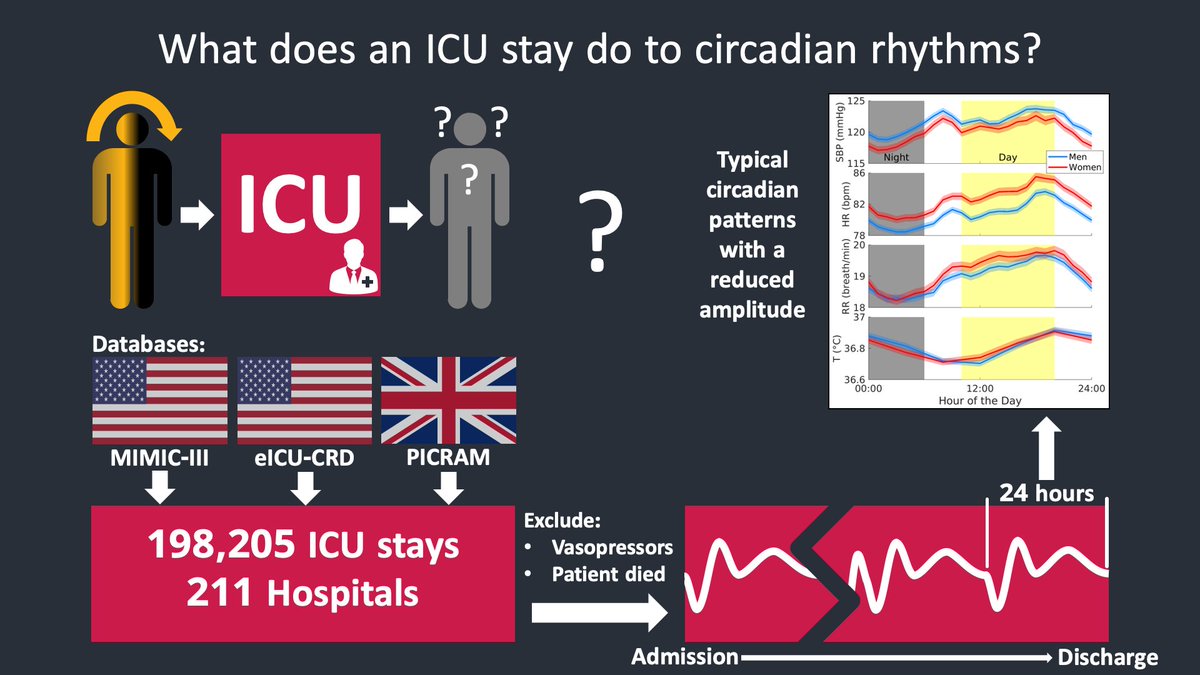
A new, large retrospective cohort study funded by @OxfordBRC finds that, contrary to previous evidence, admission to #ICU is associated with a depressed but detectable circadian rhythm upon discharge. https://t.co/HaFIA6mEhR
@NDCNOxford@OxEngineering
Excellent opportunity to use large amounts of routinely collected health care data to study the genuine risk factors associated with #COVID and disprove some of the fiction. This sort of data is a great strength of the @NHS / #uk and could genuinely help patients.
We are delighted to announce an important collaboration between @ICNARC, https://t.co/7HjPMK7poI and ourselves linking #ICU and #primarycare data for patients with #COVIDー19, studying effects of comorbidities and routine drugs on outcome.
@NDCNOxford@OxPrimaryCare@juliahcox
Excited to present our paper describing escalation of care in the acute ward setting. Recognition of deterioration may not be as problematic as re-escalating abnormal NEWS scores @sarah_vollam@KadoorieCentre@OxCritCare
https://t.co/26yjkSzo01
Great to see the important and cutting edge work by Prof Watkinson and the HAVEN team based at @KadoorieCentre and being discussed in an open forum.
Getting to the right patient at the right time has never been more important to intensivists and outreach teams.
@wellcometrust