@EricJohnDiesel3@AnzaBResearch I was going to recommend asking Jon Rebman, as that’s the person I think would most likely know. I might try to get in touch and see.
@EricJohnDiesel3@AnzaBResearch You did? Awesome! I spent a lot of time wandering the Mojave looking at poppies and other plants. Thanks for sharing. I enjoy CNPS and serve on committee for them.
@BiodiversityDad Dang, was just out last year doing surveys and it didn’t look like that. Will have to see what it looks like if I get there later this spring.
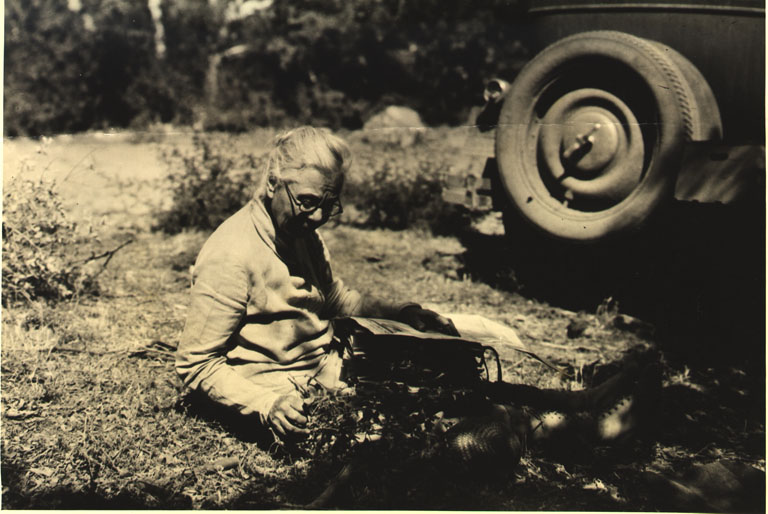
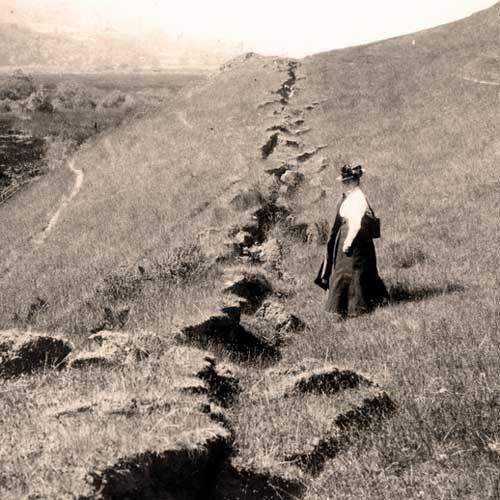
Canadian-born Alice Eastwood succeeded Kate Brandagee as procurator and Head of the Department of Botany @CalAcademy. She rebuilt the herbarium from the 1500 type specimens she saved from burning in the 1906 earthquake to nearly a third of a million, and described 395 species.
@DocRayo@MsThornburg
Interesting topic. I hadn’t followed to know it was a thing.
I agree that transparency can be good but sharing lesson plans is laughable, in my opinion. Degree of transparency is crucial. I think a syllabus is good. But to require a whitelist? Insane.
Loved editing this impressive piece on cryptic diversity in #poppies by @Dr_Still for the genetics issue of Artemisia, @CNPS's scientific journal. Republished by @UCD_Arboretum https://t.co/8MD7v1IJX3
The California poppy (Eschscholzia californica) and related taxa can help explain how plants get their names, and how the early descriptions influence—and at times muddle—our current taxonomic outlook. @CNPS @Dr_Still https://t.co/pZVAv6iNVU
@naomibot We could just substitute the taxon name in that quote and apply it to about half the genera in California…at least those that have rare taxa. 😉
@abfleishman @JustinCLuong Looks to be expressing leaf genes in petal whorl. Virus-induced gene silencing can make sepals look like leaves, and these appear to be ternately-dissected, like the leaves but with rest morphology like petals.
So interesting.
My guess is just random inhibited gene expression.