A lot of women with Hashimoto’s spend years focused on their TSH levels, adjusting medication, and wondering why they still don't feel like themselves.
But thyroid health is more complicated than a hormone level.
When we look at Hashimoto’s, we also need to look at the immune system and what may be contributing to the ongoing inflammatory response. That means asking questions about gut health, nutrient deficiencies, chronic stress, inflammation, and potential food sensitivities.
For some individuals, addressing these underlying factors can be an important part of a more comprehensive approach to thyroid health.
Replacing thyroid hormone is one piece of the puzzle. Understanding the autoimmune component is another.
Don't stop at the number on your lab report. Start asking what else your body may be telling you.
It’s easy to let the opinions of others dictate our decisions, our convictions, and even our faith.
But following Christ means being willing to stand firm in what is true—even when it isn’t popular.
We weren’t called to live for the approval of the world. We were called to be faithful to God.
A question worth asking yourself this Sunday: Whose approval are you living for?
Galatians 1:10
So many women are prescribed hormonal birth control without ever having a meaningful conversation about how it affects the body beyond preventing pregnancy.
The conversation needs to go deeper.
Combined estrogen-progestin contraceptives are associated with approximately 2× the relative risk of ischemic stroke and heart attack compared with non-use, according to a large nationwide study published in The BMJ.
Yet how often are women walking into these conversations understanding their cardiovascular risk factors, the side effects, or the broader effects hormonal contraceptives have on the body?
Women deserve to understand what they’re putting into their bodies and how it affects their long-term health.
If you’re experiencing chronic symptoms or struggling with your health, don’t stop at managing symptoms. Start asking why they’re happening.
That’s the foundation of root-cause health.
Share your experience with birth control in the comments.
Your home should be the place where your body feels safest. But have you considered how the products you use every day impact your overall health?
Here are a few common sources of chemical exposure hiding in your home:
Synthetic fragrances, plug-ins, and scented candles release volatile organic compounds (VOCs) into the air. Depending on the chemicals and exposure levels, these compounds can contribute to headaches and respiratory irritation.
Nonstick cookware can contain PFAS, often called “forever chemicals” because they persist in the environment and some accumulate in the body. Certain PFAS have been linked to changes in thyroid function, immune response, fertility, and cholesterol.
Plastics may contain BPA, while some fragrance formulations contain phthalates.
These chemicals are associated with endocrine-disrupting effects, meaning they can interfere with the hormonal systems that regulate metabolism, reproduction, and development.
Conventional cleaning products can also expose you to ingredients that irritate your skin and respiratory tract.
The bigger picture? Your daily chemical exposure comes from multiple sources, not just one product. Over time, repeated exposure to certain chemicals deserves attention.
That’s why I’ve been intentional about the products my family brings into our home.
You don’t have to replace everything overnight. Start with the products you use most often, prioritize simpler alternatives, and make informed choices that reduce unnecessary exposure over time.
Your environment is part of your health. Make it work for you, not against you.
Many women with Hashimoto’s and hypothyroidism focus on their thyroid levels while overlooking the ingredients in their daily prescription and the factors affecting absorption.
Some levothyroxine formulations contain lactose, cornstarch, and artificial color additives. For individuals with specific sensitivities, these inactive ingredients deserve consideration as part of a broader investigation into persistent symptoms.
But the ingredients are only one piece of the puzzle.
Here’s what you need to understand:
• Inactive ingredients matter. Formulations vary by manufacturer, and alternative options have different ingredient profiles.
• Absorption is critical. Coffee, calcium, iron, and certain medications interfere with levothyroxine absorption when taken too close to a dose.
• Thyroid health is bigger than a prescription. Gut health, nutrient status, inflammation, and underlying autoimmune processes all deserve attention when investigating ongoing symptoms.
The goal isn’t simply to manage a lab value. It’s to understand what’s driving dysfunction and address the full picture of your health.
“Be still, and know that I am God.” — Psalm 46:10
Sunday is a reminder that you don’t have to carry every burden into a new week.
In a world that constantly tells us to do more, fix more, and figure everything out, God invites us to slow down, seek Him, and remember that He is still in control.
Whatever you’re walking through today, take a moment to pause and bring it to Him in prayer. You don’t need to have every answer. You just need to remember the One who does.
As you care for your body, pursue healing, and navigate the uncertainties of life, make room for your faith, too. True stewardship means caring for the whole person — body, mind, and spirit.
May your Sunday be filled with peace, gratitude, and renewed trust in the Lord. 🤍
Hormone health starts with giving your body the right nutritional foundation. 🥑
The foods you eat every day provide the building blocks your body uses to produce hormones, support thyroid function, regulate blood sugar, and maintain healthy metabolic function.
Eggs, wild-caught salmon, avocados, cruciferous vegetables, berries, pumpkin seeds, and other nutrient-dense foods provide essential vitamins, minerals, healthy fats, and fiber that support these processes.
But here’s the thing: eating healthy is only one piece of the puzzle. If you’re still dealing with fatigue, stubborn weight gain, irregular cycles, or other symptoms of hormonal imbalance, it’s worth looking deeper into what’s driving them.
Your symptoms are signals. Don’t ignore them.
I created Wholly Health to help you look at the bigger picture of your health and better understand the connections behind how you feel.
Explore more through the link in my bio!
Did you know your thyroid medication may contain more than just thyroid hormone? 🤔
Many people taking levothyroxine for hypothyroidism or Hashimoto’s don’t realize that the tablet can also include fillers and additives like:
• Lactose (dairy)
• Corn starch or modified starches
• Dyes
• Binding agents
For example, Synthroid contains lactose and corn-based fillers, which may cause issues for some people with sensitivities.
Other formulations, like Levoxyl, are lactose-free. Tirosint contains just four ingredients: levothyroxine, gelatin, glycerin, and water.
While not everyone with thyroid disease needs to eliminate gluten or dairy, identifying potential sensitivities may be worth discussing with your healthcare provider.
✨ The takeaway:
If you’re taking thyroid medication and still struggling with symptoms, ask your doctor whether your medication formulation—not just your dose—could be affecting how you feel.
Want to go deeper into your thyroid health and better understand what could be contributing to your symptoms? In my free Thyroid Webinar, I break down the factors worth exploring and how to take a deeper look at your thyroid health.
Comment “THYROID” for access to my free webinar.
I'm so grateful for every parent who joined this conversation, shared their story, and was willing to ask questions and challenge the status quo.
I want this to be a place where parents from all walks of life feel comfortable asking questions, sharing their experiences, and having honest conversations about the things that matter most to their families.
Whether that's vaccines, medication alternatives, functional medicine, or conventional healthcare as a whole...these conversations are incredibly important.
So truly, thank you. Thank you for being here, for being willing to share your stories, and for being part of these conversations. I don't take this community for granted.
And if you're not already following along, I'd love for you to stick around. The more we grow this community, the more parents we can reach and the more meaningful conversations we can have.
Two people can have the same diagnosis, experience completely different symptoms, and need very different approaches to treatment.
That’s why we have to look beyond the diagnosis and ask WHY.
What’s driving the symptoms? What does the patient’s history tell us? Are there underlying factors involving thyroid function, gut health, nutrient deficiencies, hormones, or metabolic health that deserve a closer look?
These details matter.
Personalized medicine starts with treating the person, not just the condition.
And that starts with asking better questions and looking at the right information.
If you want to learn more about taking a deeper, more personalized approach to your health, explore the resources available through my Wholly Health website.
You can find the link in my bio!
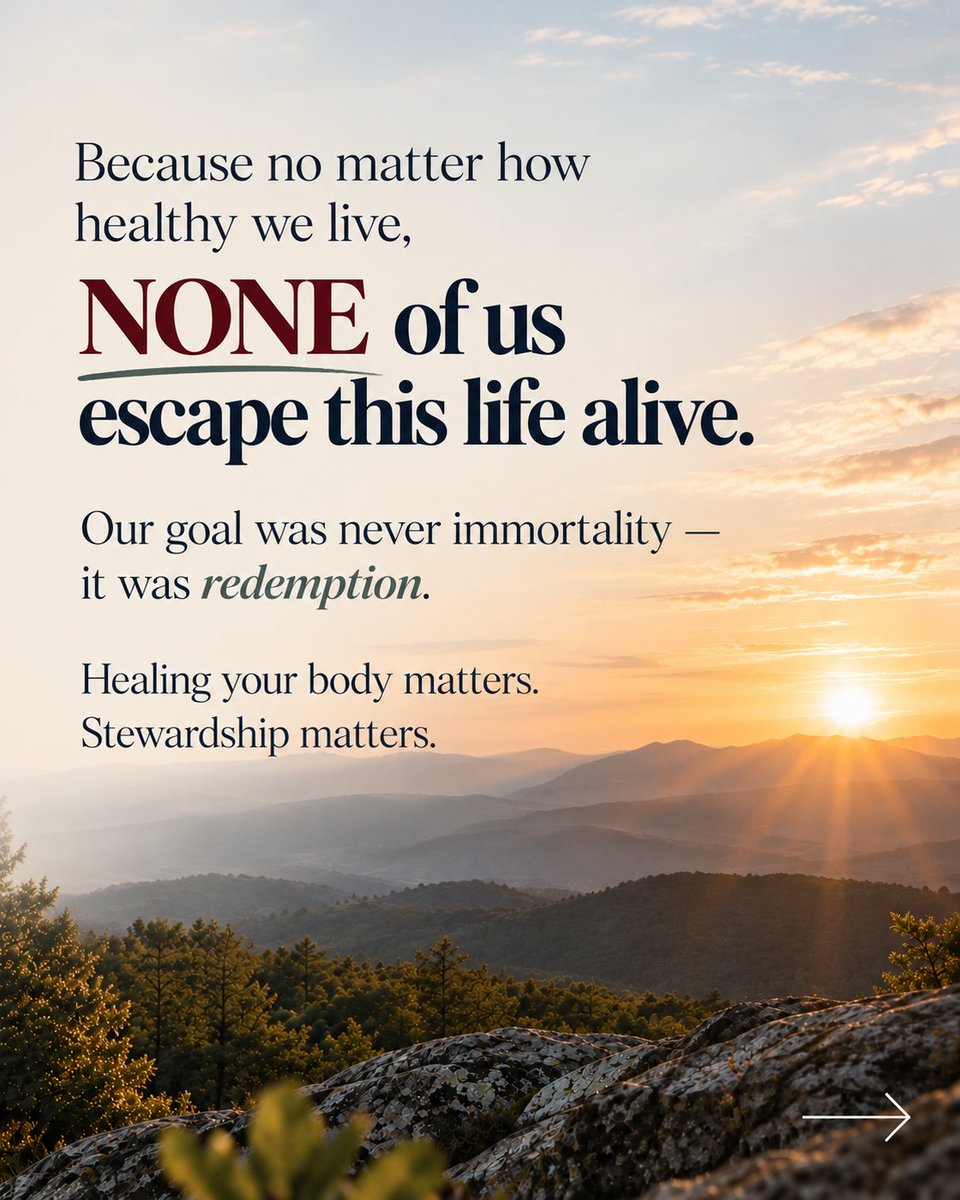
I’ve seen these conditions improve and even go into remission. I believe in pursuing healing, supporting the body, and being a good steward of the health God has given us.
But none of us are immortal.
Our goal was never to live forever on this earth. It was to live for the One who created us.
Healing matters. Stewardship matters. But eternity matters most. 🙏
Being told your labs are “normal” doesn’t always mean everything is functioning optimally.
If you’re still dealing with fatigue, brain fog, stubborn weight gain, or persistent inflammation, it’s worth looking beyond the basics.
Standard bloodwork often focuses on a limited set of markers. Depending on your symptoms and health history, looking more closely at thyroid function, insulin regulation, nutrient status, hormones, and inflammation can provide additional insight into what’s happening inside your body.
The goal isn’t just to find disease. It’s to better understand your health.
That’s why I put together my recommended bloodwork panel to help you see which markers matter, what they measure, and how they fit into the bigger picture.
Click the link in my bio for the comprehensive bloodwork I recommend.
Your symptoms deserve more than a quick dismissal. They deserve a closer look.
You don't have to wait for life to get easier to give God praise. 🙏
Sometimes, the greatest act of faith is choosing to worship when you don't have the answers, when the healing hasn't come, or when you're still waiting for God to move.
Praise shifts our focus from the weight of our circumstances to the faithfulness of the One who holds us through them.
God is still good in the waiting. He is still faithful in the storm. And He is still worthy of our praise.
“Let everything that has breath praise the Lord.” — Psalm 150:6
Whatever season you're walking through today, don't wait for everything to fall into place before you worship. Praise Him right where you are.
If you woke up today, you have a reason to praise.
Send this to someone who needs the reminder today. ❤️
We weren’t looking for land based on convenience alone. We wanted a place that supports our family’s health, encourages self-sufficiency, and allows us to live more intentionally.
For us, that means clean water, healthy soil, space to grow our own food, and room for our children to explore. It also means being mindful of what surrounds us, from nearby chemical use to the quality of our environment.
Having more control over our water source and growing our own food allows us to be more intentional about what we consume and how we care for our land.
We want our kids to grow up outside—climbing trees, getting dirty, exploring, and learning through real-life experiences. There’s something valuable about giving children the freedom to connect with nature and build confidence along the way.
We also believe our surroundings matter. A peaceful environment, open space, and a slower pace of life can make a meaningful difference in how we feel day to day.
But self-sufficiency doesn’t mean isolation. We want the freedom that comes with having our own land while still being close enough to build relationships and be part of a community.
Ultimately, we’re not trying to escape modern life. We’re trying to be more intentional about the life we build, the environment we raise our family in, and the things we prioritize.
If you could design your dream property, what would be at the top of your checklist?
If you’re struggling with acne, facial hair, and irregular cycles from PMOS, I want you to look beyond testosterone.
PMOS isn’t just a reproductive hormone issue. There’s often a metabolic component that deserves attention, too.
Here’s why: insulin resistance can cause your body to produce more insulin, and elevated insulin can signal your ovaries to produce more testosterone. It can also lower SHBG, leaving more testosterone available to affect your body.
You can’t always address the downstream symptoms without understanding what’s driving them upstream.
One place to start? Your blood sugar. Walking for 10–15 minutes after meals can help improve glucose control. Combine that with adequate protein, fiber, resistance training, and quality sleep to support your metabolic health.
But don’t just guess about what’s happening inside your body. Look at the data.
I recommend comprehensive bloodwork to help you get a clearer picture of your hormonal and metabolic health, rather than focusing on a single marker in isolation.
Click the link in my bio to learn more about the comprehensive bloodwork I recommend.
Who is fasting right for? And who should think twice before trying it?
Fasting influences insulin, fat metabolism, and cellular processes like autophagy. But just because fasting has potential benefits doesn’t mean it’s the right approach for everyone.
Your hormones, stress levels, metabolic health, and blood sugar regulation all matter. If you’re already struggling with blood sugar or dealing with significant stress, extended fasting deserves extra caution.
And there’s another side to fasting that often gets overlooked: the spiritual one.
Biblical fasting was never about seeing how long you could go without food. It was about humility, surrender, and removing distractions to become more reliant on God.
The goal isn’t to push your body harder. It’s to understand what your body needs while remembering who your ultimate source is.
We live in a world that wants instant results.
But healing doesn't always happen overnight.
It takes time, consistency, nourishment, rest, and faith.
If you're in a season where you're not seeing the progress you hoped for, don't assume nothing is happening.
Keep showing up. Keep caring for the body God gave you. And remember—you don't have to rush the process.
God is with you in the waiting, too. 🤍
“But those who hope in the Lord will renew their strength…” — Isaiah 40:31
Your body isn’t broken. It’s responding to the stress you’re putting it under.
When you combine undereating, prolonged fasting, overtraining, poor sleep, and nutrient deficiencies, your body adapts to conserve energy and prioritize essential functions over reproduction.
For women, chronic stress and inadequate energy intake disrupt the hormonal signals responsible for ovulation and progesterone production, affecting menstrual cycles and fertility.
And the frustrating part? You’re often doing these things because you’re trying to get healthier.
But more isn’t always better.
Sometimes, the answer isn’t another workout, a longer fast, or eating less. It’s giving your body the nourishment, recovery, and support it needs to function properly.
That means prioritizing adequate protein and healthy fats, eating enough overall, getting quality sleep, and addressing the underlying factors affecting your hormones.
If you’re doing everything “right” but still struggling with your hormones, it’s time to look deeper than the symptoms.
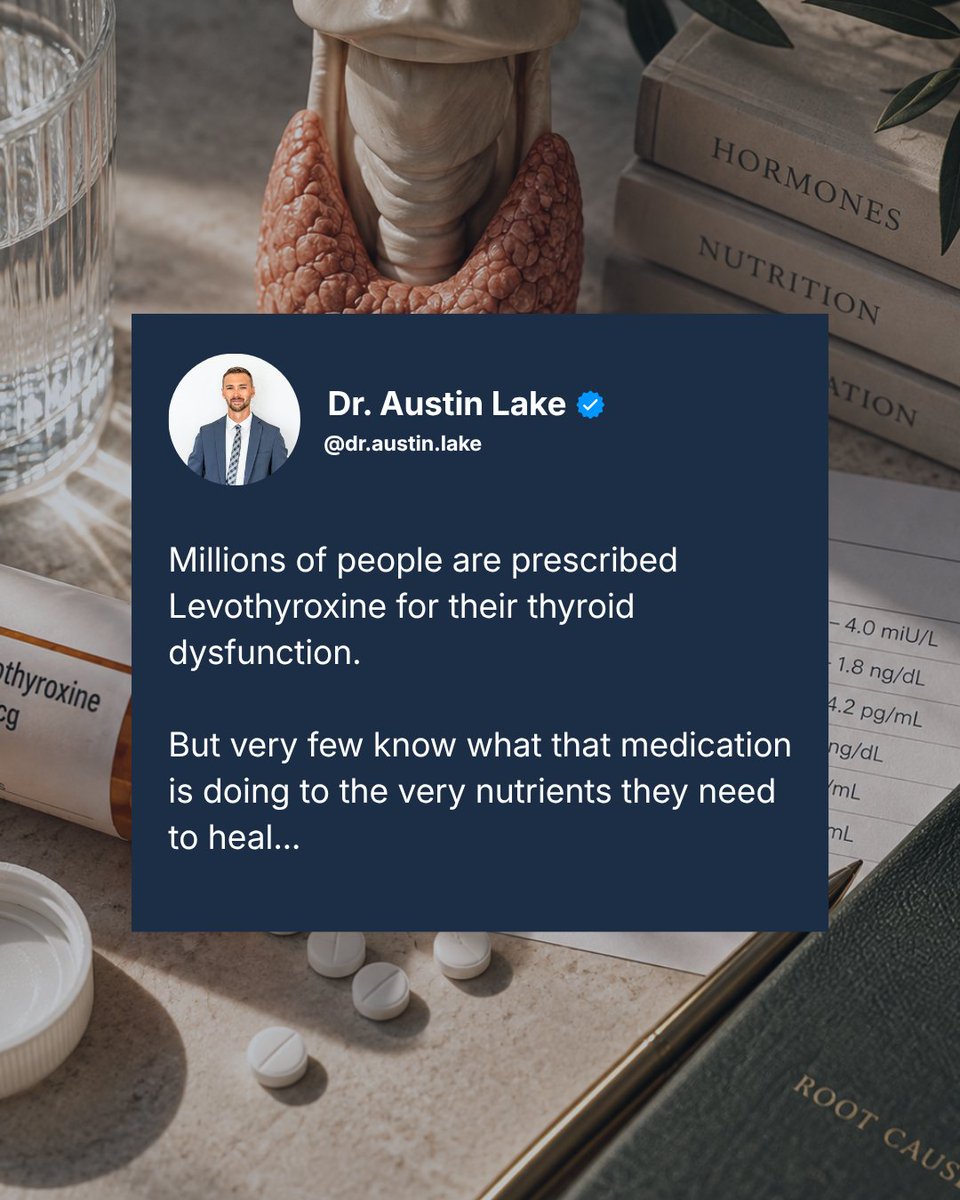
Still taking levothyroxine but struggling with fatigue, brain fog, weight changes, or other persistent symptoms?
It’s time to look beyond the prescription.
I’ve worked with patients who were taking thyroid medication as prescribed, yet continued to struggle with symptoms that affected their everyday lives.
And it raises an important question: Are we addressing the full picture of thyroid health, or simply replacing the hormone?
Levothyroxine replaces thyroid hormone, but that doesn’t automatically mean every factor contributing to your symptoms has been addressed.
Thyroid health is more complex than a single lab value or medication. We also need to look at the bigger picture, including autoimmune activity, nutrient deficiencies, inflammation, and other factors influencing how your body functions.
If you’re still experiencing symptoms despite treatment, those symptoms deserve a closer look.
The goal isn’t simply to manage numbers. It’s to better understand what’s happening beneath the surface and identify the underlying factors contributing to your symptoms.
If you want to learn more about the root causes of thyroid dysfunction and how to take a more comprehensive approach to thyroid health, click the link in bio for full access to the webinar.
Jesus promised He is coming again. But while we wait, He didn’t leave us wondering how we should live.
He called us to love God, love people, make disciples, pursue holiness, serve faithfully, and share the gospel.
Our hope is in His return.
Our calling is faithfulness until He comes.
We don’t need to know the day or the hour to know what we’re supposed to do today.
Let’s spend less time trying to predict His return and more time living in a way that honors the King.
“Be faithful until I come.”
📖 Matthew 24:42–46
📖 Acts 1:7–8
📖 Titus 2:11–13
📖 2 Peter 3:11–14