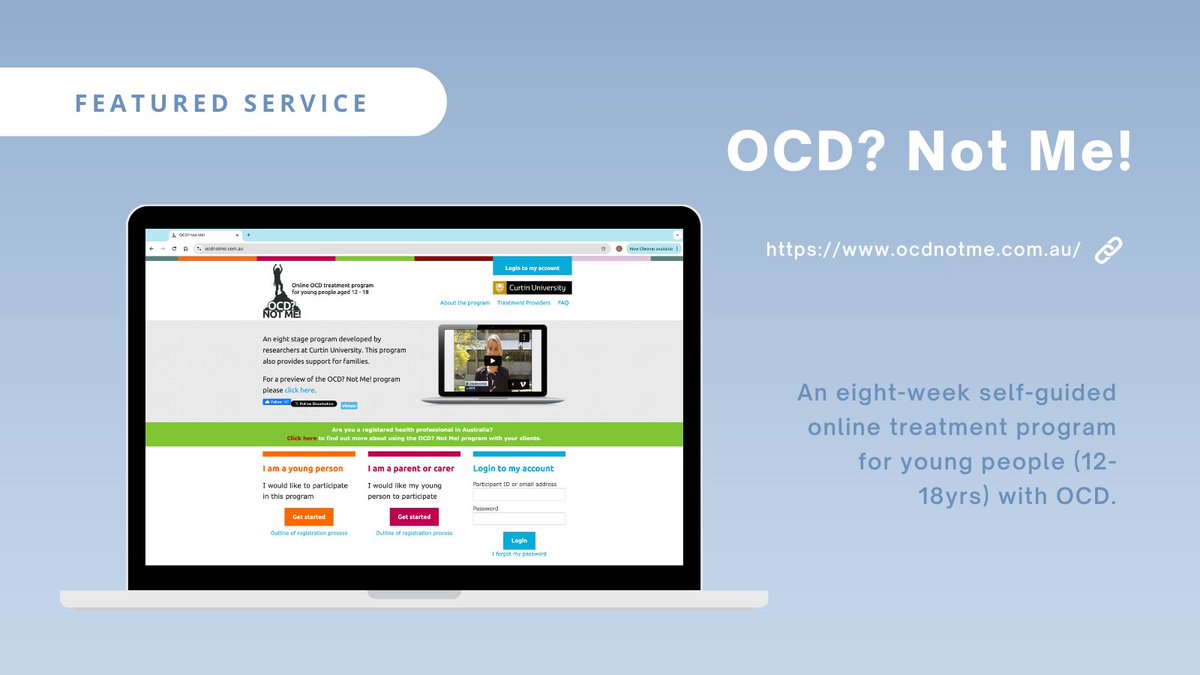
Our featured service for November is OCD? Not Me!, an eight-week self-guided online treatment program for young people (12-18yrs) with OCD.
Learn more about OCD? Not Me! in our latest blog 👉 https://t.co/UFdUXOffrv
#mentalhealth#digitalmentalhealth#ocd#onlinetreatment
New “Embracing the Mind” podcast out today where myself and Dr Leigh Sheppard, a GP with #livedexperience of #OCD and founder of OCD WA, speak with Dr @AlixWoolard from @telethonkids about the nature and treatment of OCD https://t.co/2g905KLuRz
Congratulations Amy O'Brien on our paper:
A pilot feasibility and acceptability trial of an internet indicated prevention program for perfectionism to reduce eating disorder symptoms in adolescents.
https://t.co/vbj9RkrvbS
@drbecanderson@DrMazzucchelli
📢Postdoc Opportunity📢 Want to be part of a friendly, interdisciplinary team investigating #MentalHealth among children with #language and #reading difficulties? Apply now (applications close 9th February). Please share widely! https://t.co/uOTAAkpCs3
@TwinsplusTwo@anna_rebowska I encourage you to seek another opinion with a clinical psychologist with expertise in OCD. @anna_rebowska is correct that CBT that includes exposure and response prevention is a first-line approach for OCD because of its strong evidence base.
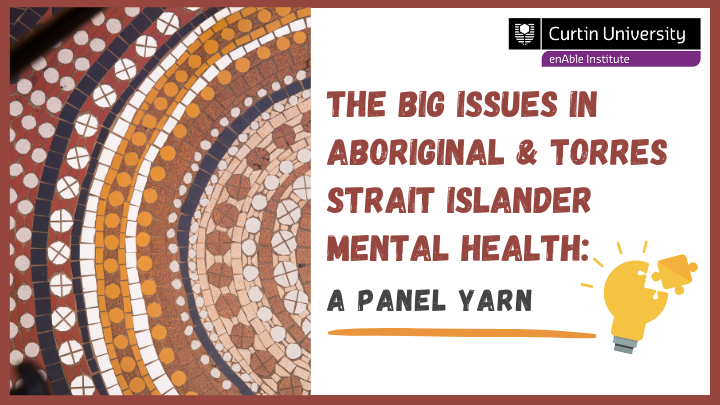
Join us for our next Big Issues panel event on 📅12 Feb with an important focus on Aboriginal & Torres Strait Islander #mentalhealth research.
With this incredible panel, ensure your register by 6 Feb to avoid missing out on this free community event.
➡️https://t.co/TdHsgHS2FV
I’m recruiting for a postdoc with experience working as a psychologist for a 2 year full time role at @blackdoginst and @UNSW. Clinical research role focused on digital mental health interventions, and anxiety (inc health anxiety). Apps close 4 Dec https://t.co/lwnpLBpHBa
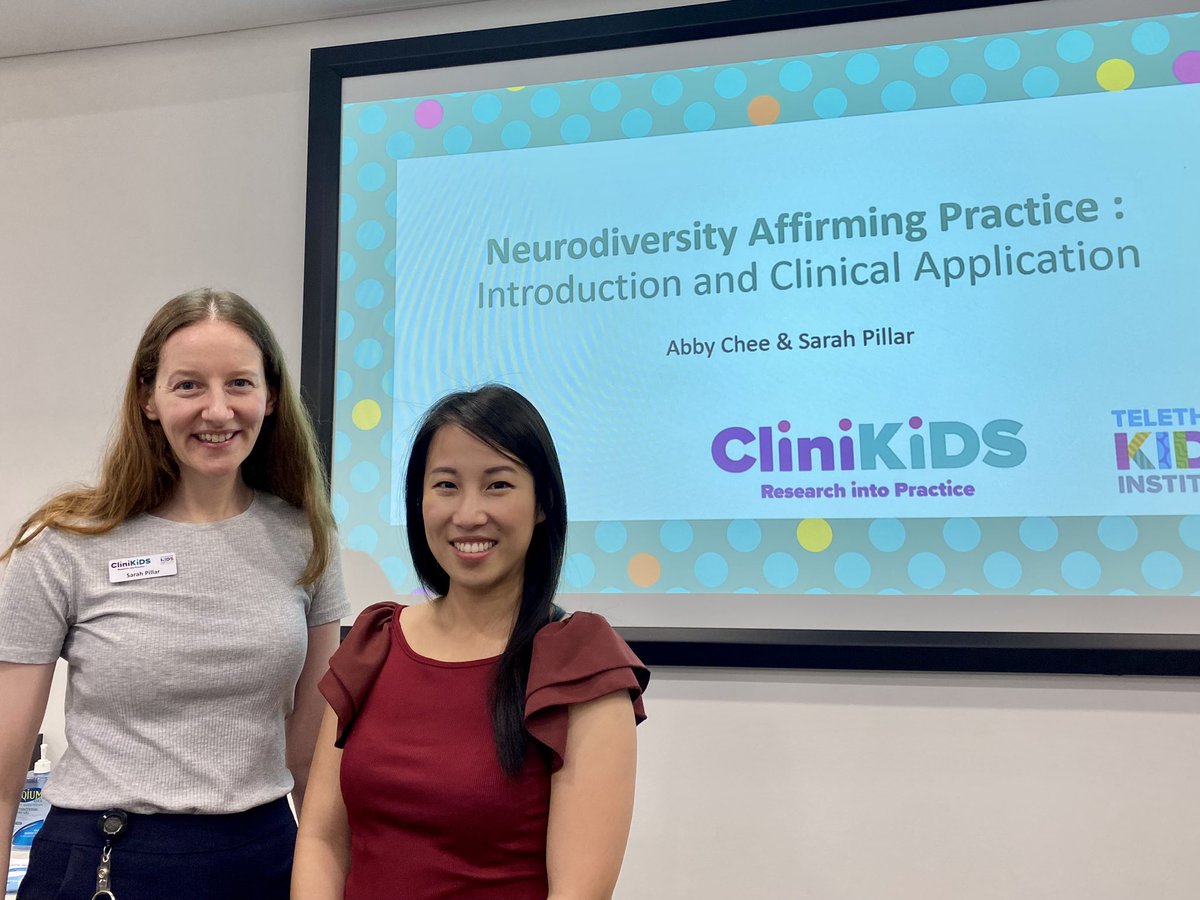
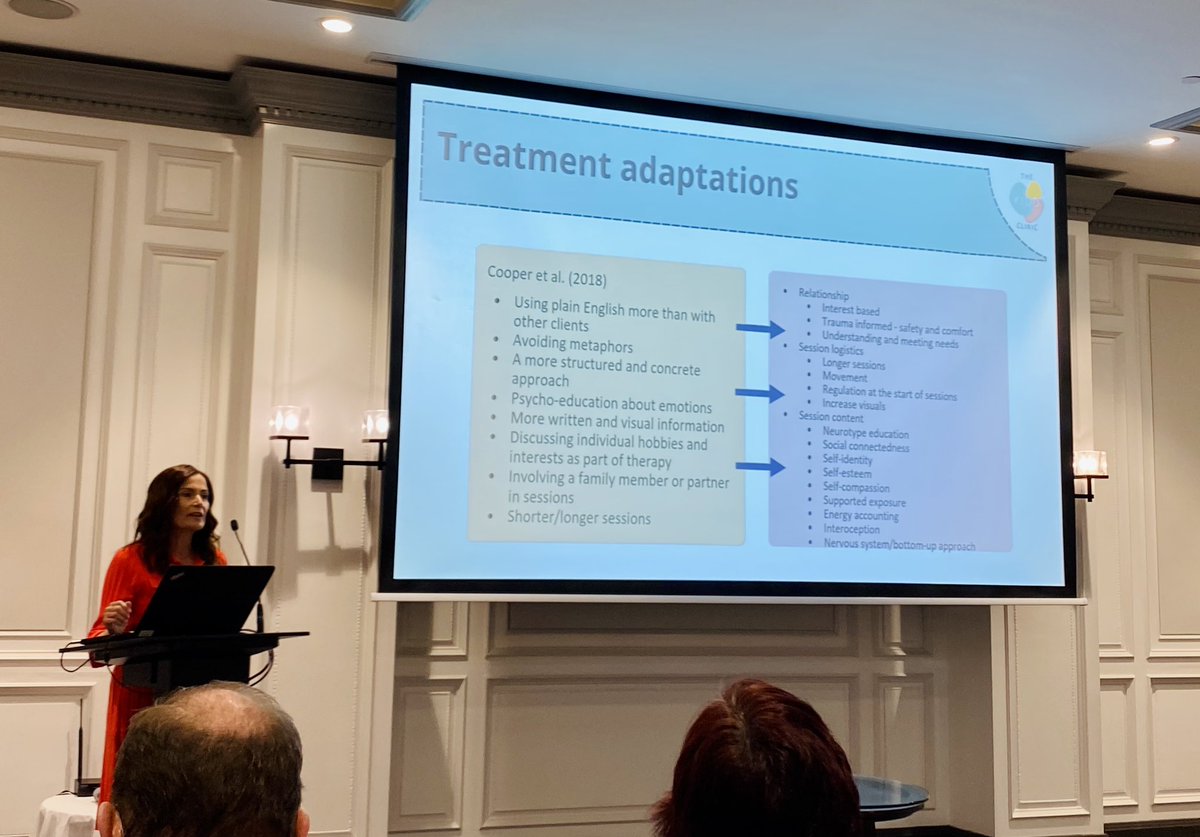
A great turn out today for our final 2023 WA @AACBT_org_au event. Abby Chee and Sarah Pillar @Spillarah from @clinikids_au shared their wealth of knowledge on neurodiversity affirming practice.
A horrible but extremely important study here. I have said for years that we don’t place enough focus on just how many sex offenders are in our society, which increases victim prejudice and victim blaming.
We always hear ‘1 in 4 girls will be abused’ or ‘1 in 3 women will be raped’ - but we never hear ‘1 in X men are rapists’.
This study of 1900 Australian men follows the similar studies in USA and UK.
Key findings here:
1 in 10 men admitted to sexually abusing a child
1 in 6 men reported being sexually attracted to children
1 in 15 men said they would have sexual contact with a child under 14 if they wouldn’t get caught
The men who offended against children were more likely to be professionals, married, earn higher incomes and work with children.
Whilst we might not like this stats and results, we cannot continue in our sector without accurate estimates of how many people are abusive and dangerous.
All of our stats are based on victims, but no one wants to talk about the sheer amount of abusers - millions of them in our societies.
Work like this is vital, in my opinion, to end victim blaming. If there are millions of these offenders, how can any person or agency blame the victim? How can they claim they should have seen it coming? Or should have known? Or should have protected themselves more?
THIS is the real reason why sexual violence and child abuse is so common - not because victims have ‘vulnerabilities’, but because there are millions of perpetrators in every corner of our lives.
Parents may be familiar with the scenario of a child behaving well at school, and then having a meltdown at home in the afternoon, writes @DrMazzucchelli (@Curtin_Uni).
So, why can kids be good around other people but badly behaved with parents? 🤔 https://t.co/fSWkFtWQPs
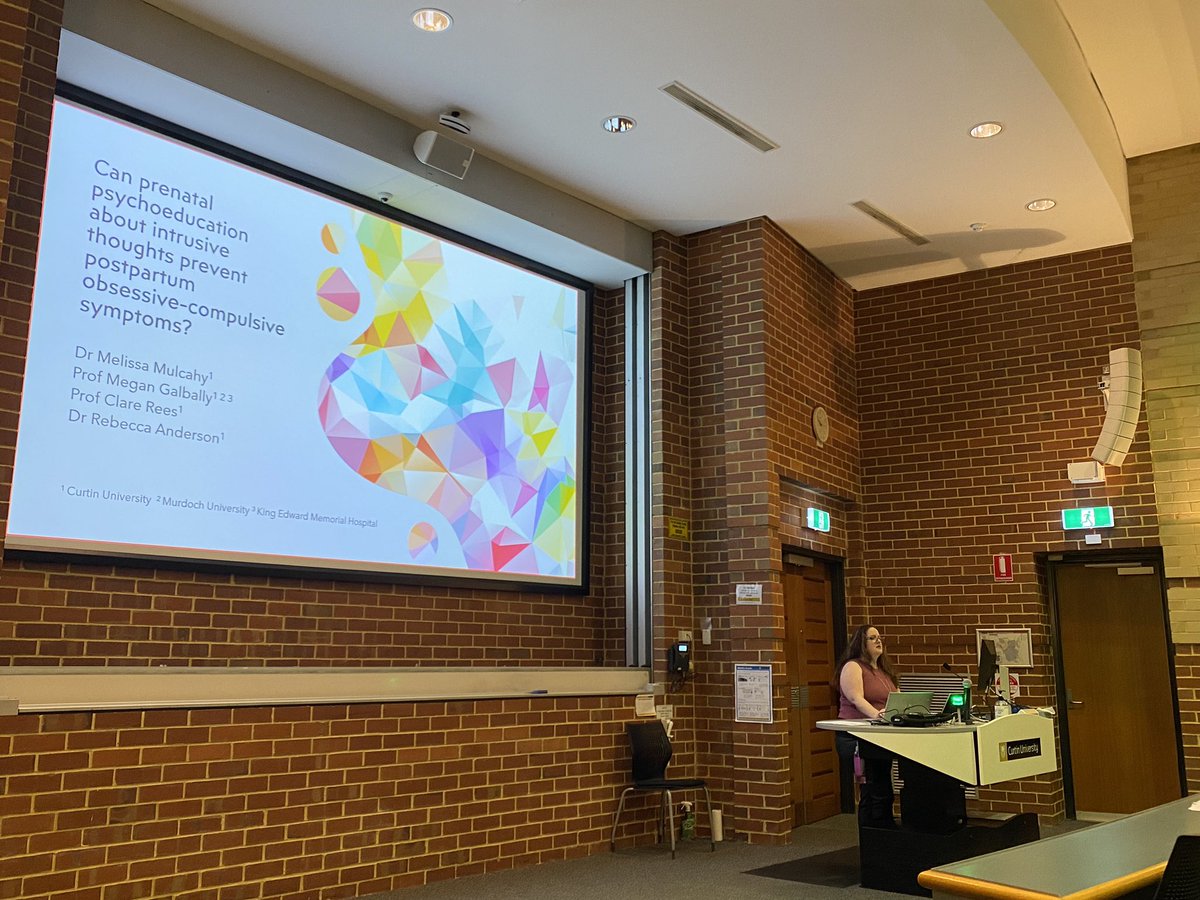
Presenting two Perinatal OCD papers at the Perinatal & Parenting Mental Health Symposium with @melmulcahy
Great to see Dr Mulcahy discussing a super brief prenatal intervention that reduces a modifiable risk factor for postnatal OCD.
This was an amazing presentation at #AACBT2023 Great visual depiction of the overlap in symptoms across chapters with depression symptoms the most repeated.
Excited to be presenting this research tomorrow at #aacbt23
Come along to find out why this is my mental representation of the DSM-5, and why you should stop studying depression*
*as a unitary construct
It’s #OCDAwarenessWeek so a great time to meet with SJOG Hospital’s Raphael Centre perinatal mental health staff to talk about our research and services at @CurtinUni Clinic.
New parents are at increased risk of #OCD so early identification and high quality care is imperative
New publication alert 🚨 🚨 🚨 deterioration in MH outcomes following delivery of DBT-based universal intervention in #schools. Enthusiasm for DBT-based programs in schools currently miles ahead of the research evidence! https://t.co/H9Rij7hdXx
#DBT#MentalHealthAwareness