@drterrysimpson Wild. These so called Patriots, are a joke. There was nothing patriotic about the confederacy, or any of these now far right "patriots."
@drterrysimpson Its like saying I crashed my car after I got an mRNA vaccine! So they must be linked. It's faulty reasoning, but hard to explain it to normal folks.
A Stanford professor named Jeffrey Pfeffer spent his career studying why some people get ahead at work, and others don't. His finding was blunt. How good you are at your job explains about 10% of what you get paid. The other 90% comes from whether people can see your work and whether they like being around you.
A well-known Princeton study looked at how humans judge each other and found two things matter more than anything else: whether someone seems trustworthy, and whether they seem capable. The trust part gets answered first. Your brain figures out if someone is safe before it even starts thinking about whether they're skilled. A 1997 psychology study found these two things alone account for 82% of how we form opinions about other people.
Researchers put a number on this inside actual workplaces. They tested 509 managers and found that those who were better at reading a room and building relationships scored higher on performance reviews despite producing similar work. The difference came down to how others perceived them.
The visibility gap adds another layer. A 2022 survey asked executives a direct question: do you notice work done in the office more than work done remotely? 96% said yes. Euronews ran the numbers in 2024 and found remote workers are 31% less likely to get promoted and 38% less likely to receive a bonus, even when their output matches the person sitting in the office.
Areen Shahbari, who teaches leadership at Harvard, put it simply: if you don't talk about what you've done, your manager in most cases cannot measure your contribution. Harvard research backs her up. They found a gap in self-promotion that persists even when people know they've outperformed their coworkers. Being good at something and making sure others know about it are two very different skills.
Gallup tracked about 3,500 workers from 2022 to 2024. Only 22% felt recognized enough for their work. O.C. Tanner asked people who quit why they left, and 79% said feeling unappreciated was the main reason, ahead of pay or workload.
I think the tweet nails the frustration but undersells the mechanism. Hard work doesn't announce itself. The people who "somehow" get noticed figured out that the work and the signal are two separate jobs, and you can't skip either one.
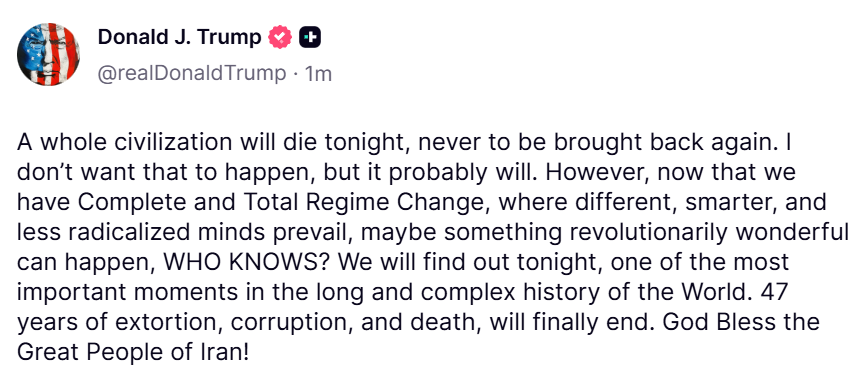
Retired Lt. Col. Rachel VanLandingham said it clearly on PBS: threatening to bomb every bridge and power plant in Iran is itself a war crime. Not just reckless talk. A crime. Why? Because terrorizing a civilian population through rhetoric violates the law of war. And the law of war is U.S. law. Here’s the part nobody wants to say out loud: our own State Department used this exact legal standard to condemn Putin for targeting Ukrainian power plants. Same act. Same law. Different flag. Words have consequences — and so does hypocrisy.