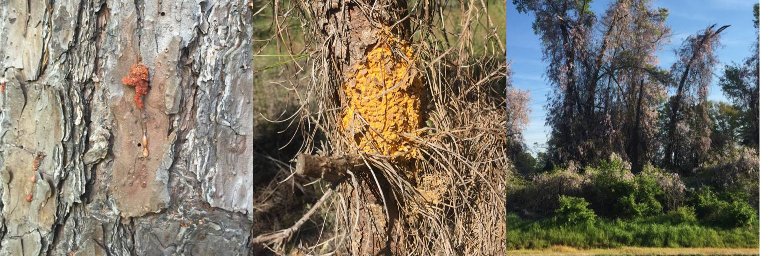
Typical ambrosia beetle galleries in a dead sapling. The galleries are dark because symbiotic fungi - which the adult beetle carries in specialized little pockets - grow on the gallery walls. The larvae then eat the fungi (not the wood) to develop. #entomology#foresthealth
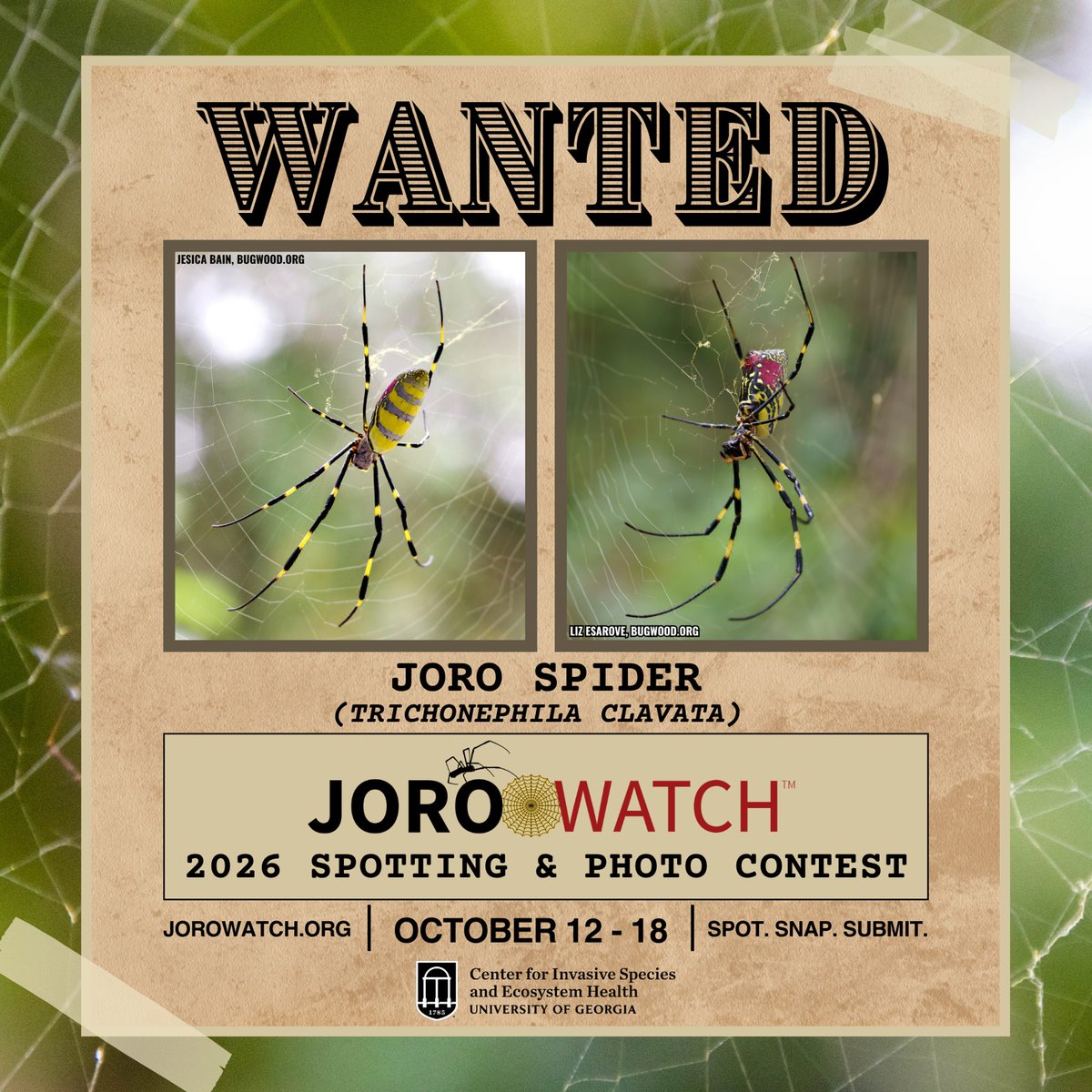
It’s spider season, y’all! Joro spider season, to be specific. 🕸️
@drdavecoyle answers your most common Joro spider questions in this Q&A 👉 https://t.co/FETKGZsyQ8
Save the dates from October 12–18 and prepare to report your Joro spider sightings while showcasing your photography skills.
To keep informed about contest specifics, rules, and updates, make sure to follow us and check out https://t.co/ORnsy2PkJt.
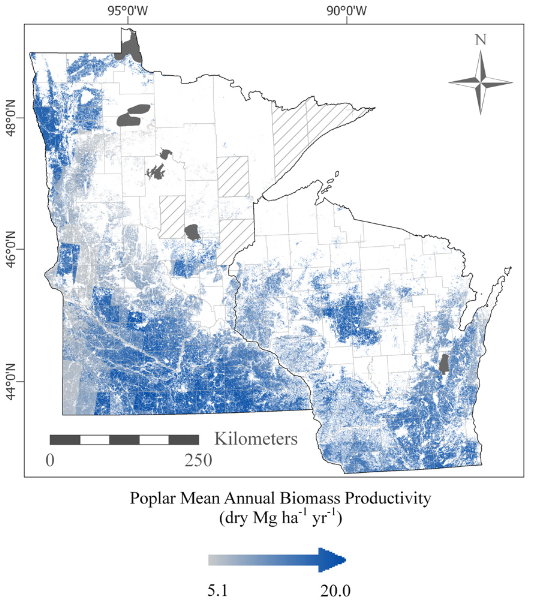
Grow more trees, you say? Often where trees would grow best and make the most $$ are also the places best suited for agricultural crops. In the Midwest, corn/soybeans/sugar beets/whatever are more valuable than trees. It all boils down to economics.
https://t.co/Xa0a6JR4QT
Jay and I conduct "caterpillar walks" every year, and I know this #webinar will be engaging, entertaining, and have lots of amazing caterpillar pictures.
Register for free at: https://t.co/80KPAJ9gYx
#caterpillar
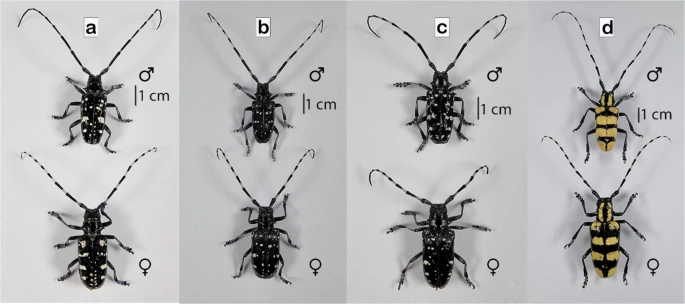
Check out our shiny new paper on Anoplophora beetles! We summarize the history and what's known about this group of global invaders and perpetual pests.
https://t.co/dEUW1C6FuD
Join us January 14th at the Clemson Extension TEACH Center for an Urban Tree Health Workshop! 🌲
Pesticide and/or Continuing Education credits are offered and lunch is included! ✍️
https://t.co/HDlzjZuCwH
.@drdavecoyle has a few things to share about Jorō Spiders... 🕷️
If you have to manage Jorō spiders on your property, a broom or stick works just fine. 🧹
If a Jorō does get on you, try not to freak out; the odds of getting bitten are extremely low. 🕸️
https://t.co/8FrdsRSgrR
Two new studies offer good news about Jorō spiders: Common spider control products are effective against them, and their bites are both unlikely and generally harmless. /by @drdavecoyle https://t.co/ERm0stMPDM
Yes, there are more big spiders than usual this year (it's the weather). Yes, they're venomous (as are all spiders) but they're not poisonous. No, they don't want to come in your house. Also no, they don't want to bite you. Hat tip to Gayoung Lee @gizmodo.
https://t.co/cQwl0jTEOU
@simonpelletier5 Agree completely with most of this - they do have venom, it's just not medically relevant to people/pets (super relevant to little insects though!).
Are Joro spiders big? Yep. Are they colorful? Also yep. But are they dangerous? Nope. These #invasivespecies are here to stay, though, so best get used to 'em.
.@drdavecoyle, Associate Professor of Forest Health and Invasive Species at @ClemsonUniv, recently co-authored two papers addressing some key concerns of the public when it comes to Joro spiders. 🕷️
“These spiders are easy to manage...” ✍️
https://t.co/1wSKiURF30
Oasis of Kudzu
Like a lamp at night or a spring when it’s dry
So the kudzu appears to the spore as it flies
It’s tired and windswept and ready to rest, and
Maybe eat some of the plant it loves best
Phakopsora sighs as it settles on leaves
After it’s ride on the blustery breeze
The hot, humid, dog days of summer means the #invasivespecies kudzu is in out and in all it's glory. Not familiar with this invasive weed? Wondering why we care about it? Curious as to how to get rid of it? This video might just help...
https://t.co/R6dOayg5Zz
Privet is one of the most common invasive plants in eastern North America, but fear not! There are several effective management options available! Hat tip to @UntamedScience for helping to make this awesome video.
https://t.co/YY3RivYwhm
“I would argue that the Emerald Ash Borer is the most invasive forest pest of this generation,” says @drdavecoyle, Associate Professor of Forest Health and Invasive Species 🌲
https://t.co/qwhLxPtEdn