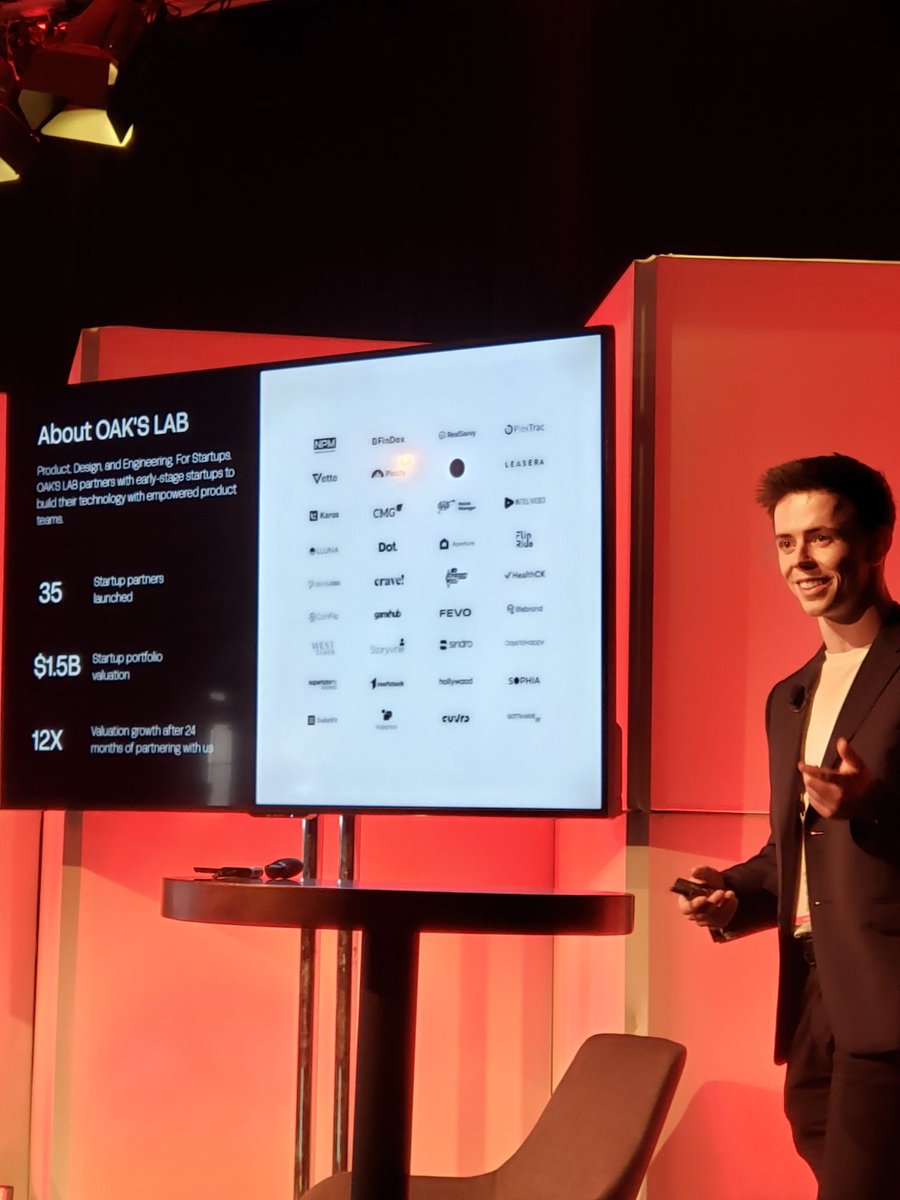
Overseeing 10 product teams for venture-backed startups @theoakslab. We've built products for 36 startups worth $1.5B. Suffering Tottenham and Browns fan.
I'm speaking at @StartupGrind Global!
Looking forward to heading to Redwood City in April to talk about early-stage product building for non-technical founders...
@theoakslab
@ShaneTMilson If the key to life is to reduce it to 6 key things, why are you so concerned about how other people feel about a movie and what is or isn’t happening on a review site
Most people haven’t had an original thought in years. Every empty second gets fed to a screen.
Your brain is being held hostage by modern life and every year you don’t take it back, a little more of you goes missing.
Solution is simple. Reduce your life to 6 things:
- Walking 3x a day. No audio. Your ancestors didn’t forage with a podcast on.
- Working/Creating > Consuming.
- Reading spiritual masterpieces. Osho. Michael Singer. Books that read you back.
- Exercise that feels like play. Tennis, biking, rollerblading, swimming. Barefoot in the sun outdoors. No grounding mats or red light “therapy”.
- Low-stimulation hands work. Foraging herbs. Writing. Gardening. Building things.
- Direct human interaction. Eye contact. No group chat. Voice notes > texting.
And critical: No scrolling. No TV. No noise piped into your skull on a walk.
Intentional boredom.
That’s the whole protocol.
Your brain has been renting out every quiet moment to someone else’s content.
Evict them.
Within two weeks your brain starts producing its own content again.
That kid-version of you that had ideas and vibes and noticed things — he’s still in there. He’s just been outbid by an algorithm.
Silence is the original nootropic.
There's a shocking fact about AI that nobody tells you: You can catch up to the public AI research frontier in just 2 weeks. Yes, really.
I've built a $150M annual revenue startup over the last 8 years and If I were to start a company today, I’d drop everything and go all-in on AI.
But like many busy software builders, I felt lost—overwhelmed by the noisy, crowded and fast-moving modern AI landscape. And I wasn’t alone.
So I spent my entire holiday diving deep into AI research—reading 30+ papers, watching hours of lectures, analyzing trends, and catching up to the research frontier.
✨ Here’s what I learned:
- You don’t need months (or years) to catch up.
- You don’t need a PhD or decades of ML experience.
- You need fewer than 20 papers and 2 weeks to understand the major breakthroughs shaping AI today.
It's because the technology is extremely nascent and most techniques that came before are no longer relevant:
- ChatGPT is barely 2 years old and Transformers are only 7 years old.
- Most game-changing discoveries happened within the last 4 years, driven by a few breakthrough ideas, scaling laws, and efficient matrix multiplication.
The biggest secret?
Many groundbreaking AI papers with thousands of citations are surprisingly simple and applied, like adding "let's think step by step" to the prompt, or simply asking the LLM over and over again to improve its answer (Self-Refine).
I realized there are tons of founders and builders in the same boat—wanting to dive deeper into AI but unsure where to start.
I've created an essential AI Guide that helped me catch up, in just 2 weeks, to the frontier of public AI research to figure out where the next opportunities and gaps were:
- Curated list of only the most important papers
- Simple explanations of key concepts
- Clear pathway to understanding the frontier of modern AI
It’s perfect for:
- Founders expanding into AI
- Builders wanting to innovate at the frontier of AI
- Investors looking to separate the signal from the noise
👇 Want the full guide?
- Like and Share this post
- Comment "AI Guide"
- I'll send you the complete guide
(ps, I’m also teaming up with @VishalVasishth, co-founder of @obviousvc with @ev (focused on large-scale societal impact companies like Twitter, Medium, Beyond Meat), to host a small meetup to discuss what's working and needs to be solved in the AI stack in SF. Message me if you're interested)
There was once a PM at Slack who decided Cmd+K should not be the keyboard shortcut for hyperlinks.
I would like to know this person's name and phone number.
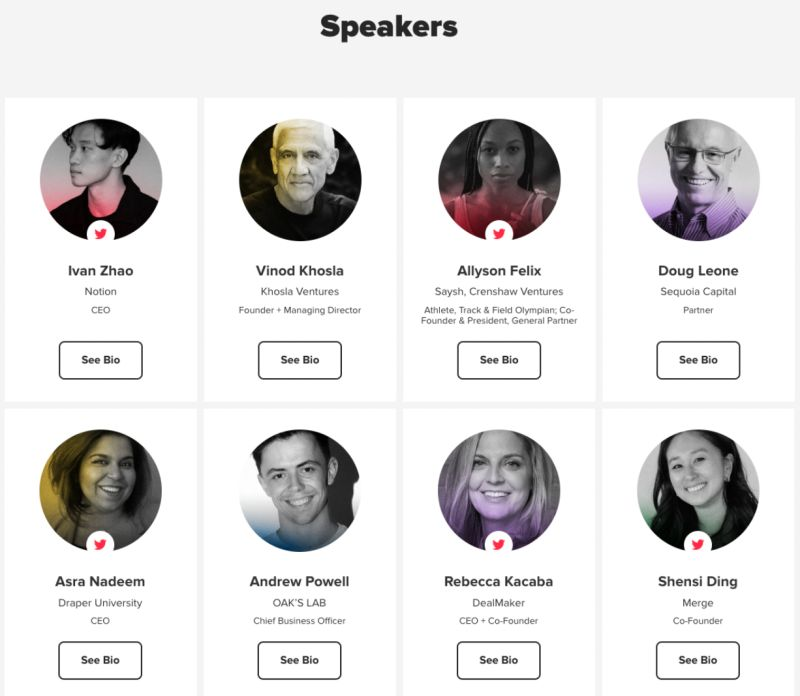
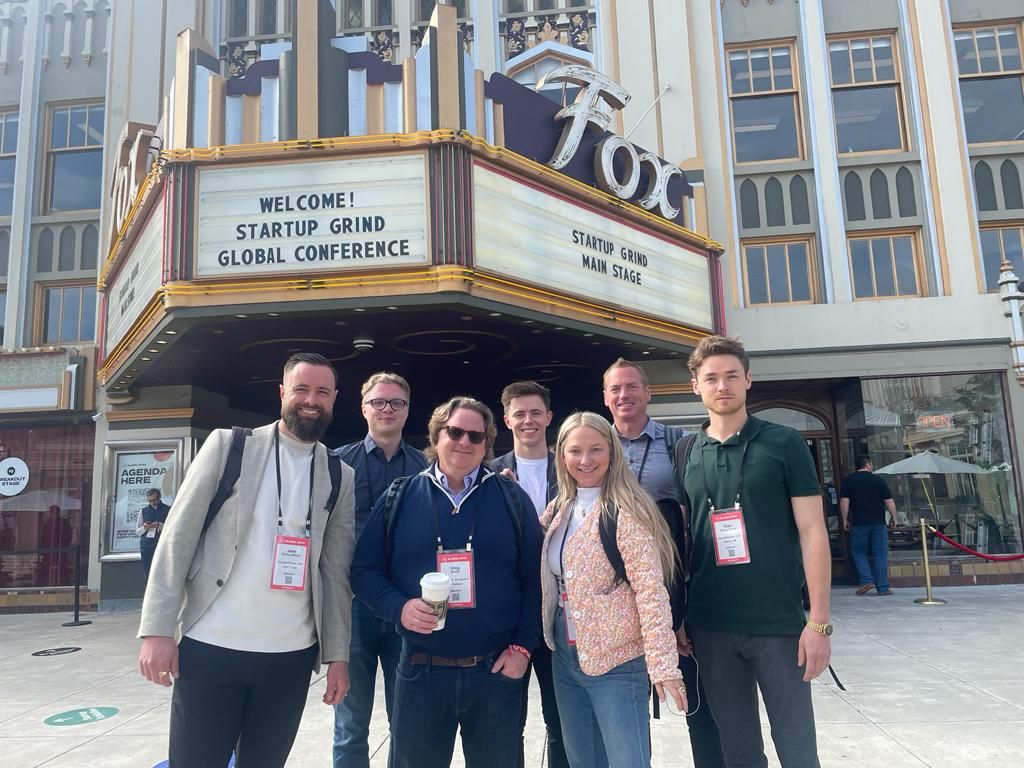
And that’s a wrap on @StartupGrind Conference 2023. Thank you to everyone who reached out and met us there, listened to @DrewJPowell talk, and the startups, founders, and VCs that we enjoyed the conference with. Can't wait to do it again next year!
Loved the opportunity to speak at Startup Grind last week with @theoakslab about building products for non-technical founders. Great to also see some of our founders and partners in person.
Met so many amazing founders! There are so many things to dislike about it, but the vibe in the bay area is just so motivating...
Thanks @StartupGrind!
There is literally no place like the Bay Area for feeling like there are unlimited possibilities for young companies. The energy is unrivalled.
Almost makes it worth paying $50 for 3 beers and a Diet Coke.
I think the podcast world has kind of killed the value of fireside chats and talks with big names at conferences.
10 years ago it might have been a great way to get access to this knowledge. Now you can just go on YouTube or a podcast app and see the person talk for longer in a more relaxed environment.
First time in the Bay Area since I moved out 3 years ago. Sit down for breakfast on day one and overhear someone in a Patagonia pitching his new fund.
We're back!
How technical should a non-technical founder be? 🧵
I've met with hundreds of non-tech founders over the last few years. And I've seen a bunch of startups come to @theoakslab with technical debt due to the poor choice of technologies used for building their V1.
5. Leverage AI.
At the bare minimum, your team should be using Github copilot. ChatGPT can code, document, and troubleshoot! It's still early days, but ensure your team is leveraging the tools at their disposal and have their finger on the pulse to speed up development...