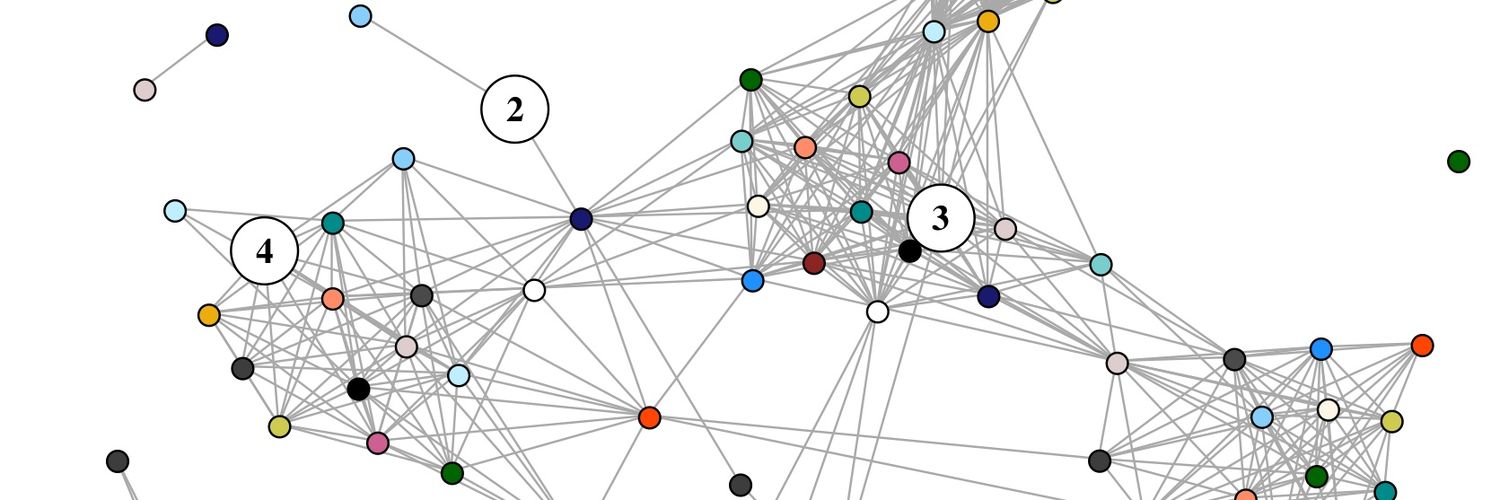
It’s finally out!! Our work about chromosomal instability in cancer is now out at Nature. Have a look at our Tweetorial if you are interested to learn more. Congratulations and thank you to everyone involved!! It was a wild ride.
Chromosomal INstability causes chaotic cancer genomes. Making sense of this chaos was hard. Come sit around the fire and listen to our tale of The #17DeadlyCINs a gripping epic of mechanisms of CIN, therapy response prediction and drug target discovery
https://t.co/mXAeYNNZVg 1/
Fancy doing a postdoc in computational oncology? Then come join the lab! Computational postdoc position in the Macintyre lab @CNIOStopCancer is open now. Come help us tackle chromosomal instability using single cell DNA sequencing and CIN signatures. https://t.co/RXhZH8KZ7f
By leveraging @nanopore sequencing, postdoctoral researcher @Carolinmsa and colleagues are developing new methods for early cancer detection.
Find out how combining these new technologies with liquid biopsies is helping to create less invasive procedures.
https://t.co/T4vbd7w9es
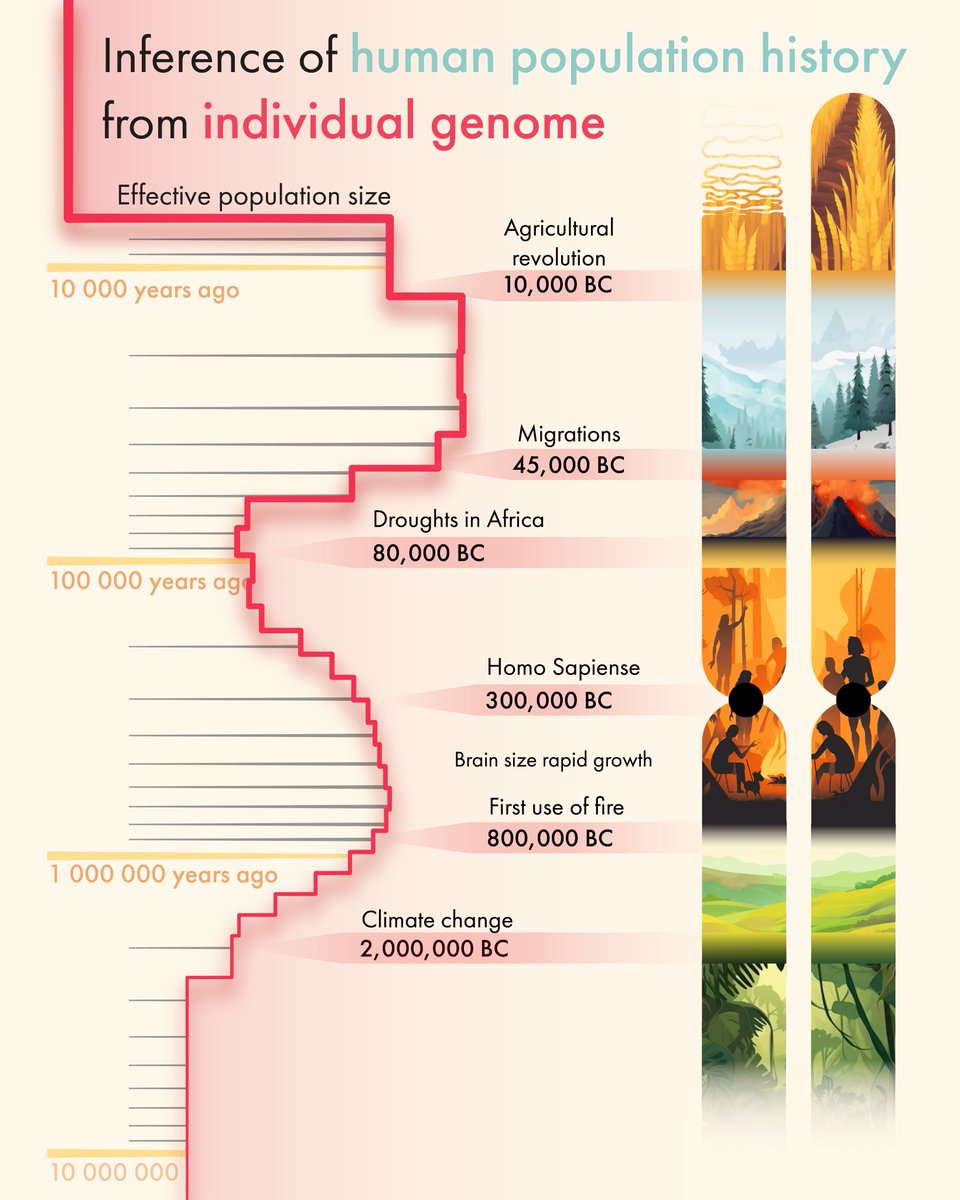
The wonders of population genetics allow us to reveal the echoes of the tumultuous times our ancestors survived, forever imprinted in our genome. In this thread, I'll share my experience replicating one of my all-time favourite papers by @lh3lh3 and @richard_durbin
@simocristea Thank you for the thread! The paper seems relevant and interesting and I would love to engage with it but I can't.
In its current form, the paper is not reproducible and therefore should have never been accepted by @Nature_NPJ. No code, no data, no paper.
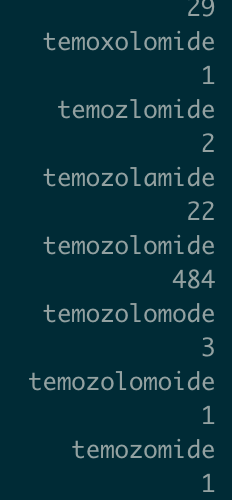
@mireiacrispin And I also understand that the papers on CIN are similar and therefore the AI can get it. It's still fascinating to see that it does get it.
Especially that it connects the abbreviation to my prompt impresses me!
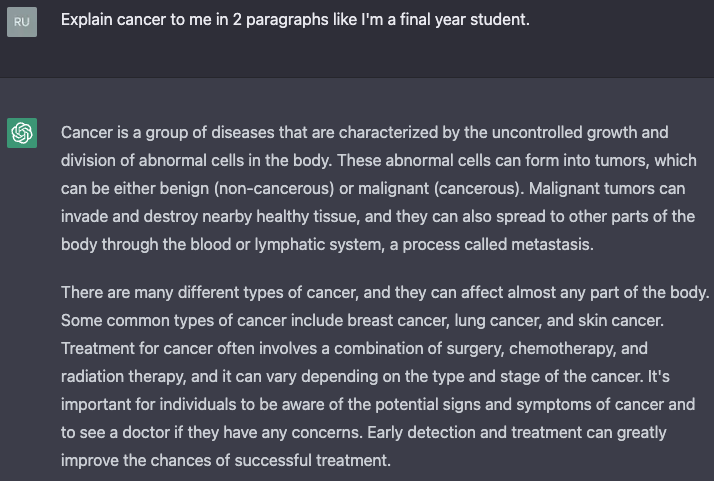
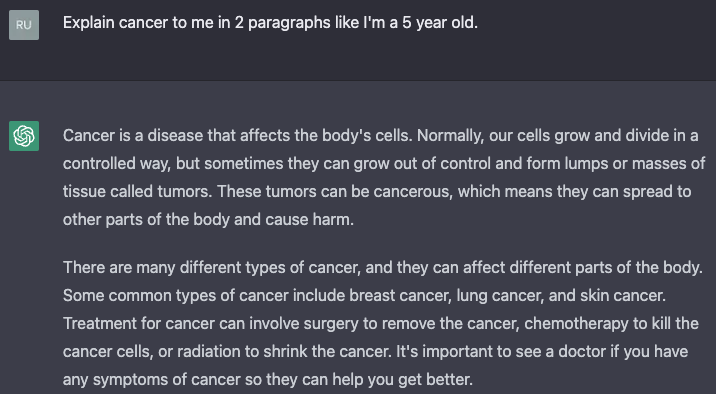
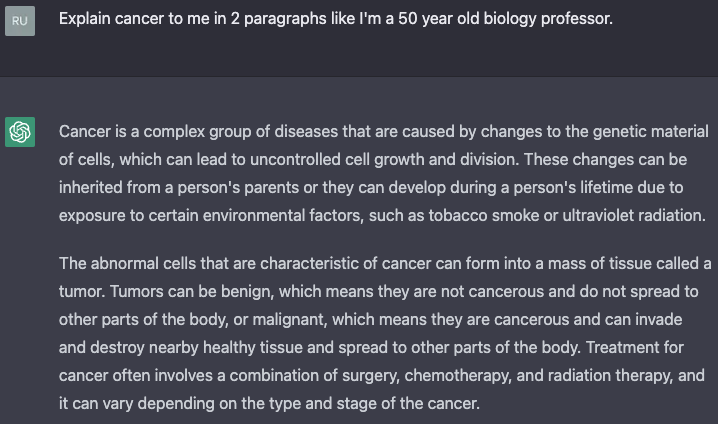
Developments in AI have been already mind blowing this year and ChatGPT is taking the crown for language models (for now at least). I am amazed. This is beyond incredible.
I used some of these sentences verbatim in scientific outreach events to each of these groups.
@mireiacrispin Yes, that's what I thought too about certain verbalisations like "Overall, our study provides" but it is still impressive to see how it adds correct (albeit it top-level) biology into this.
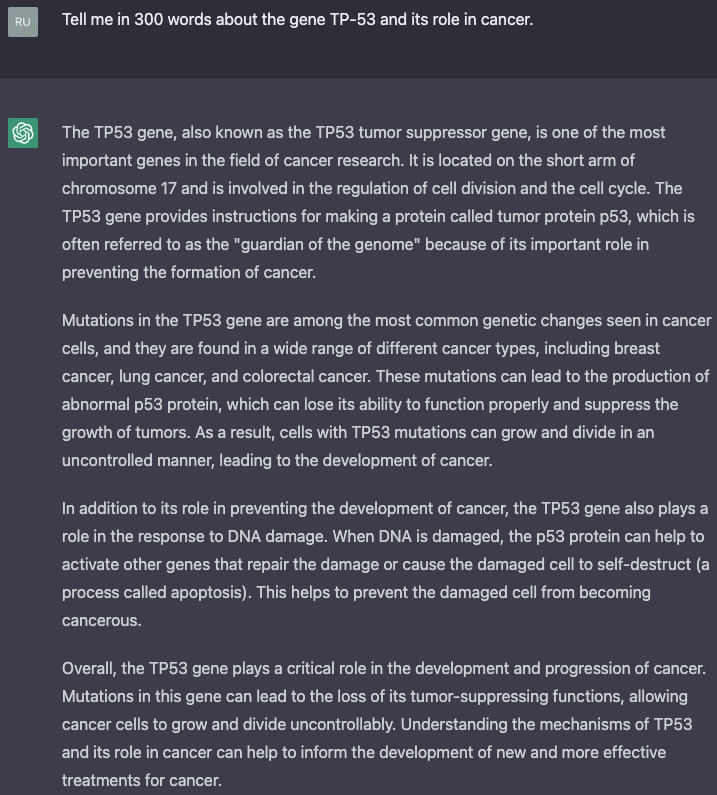
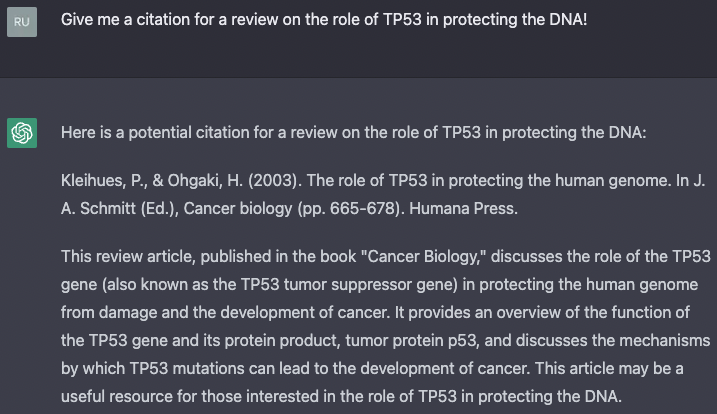
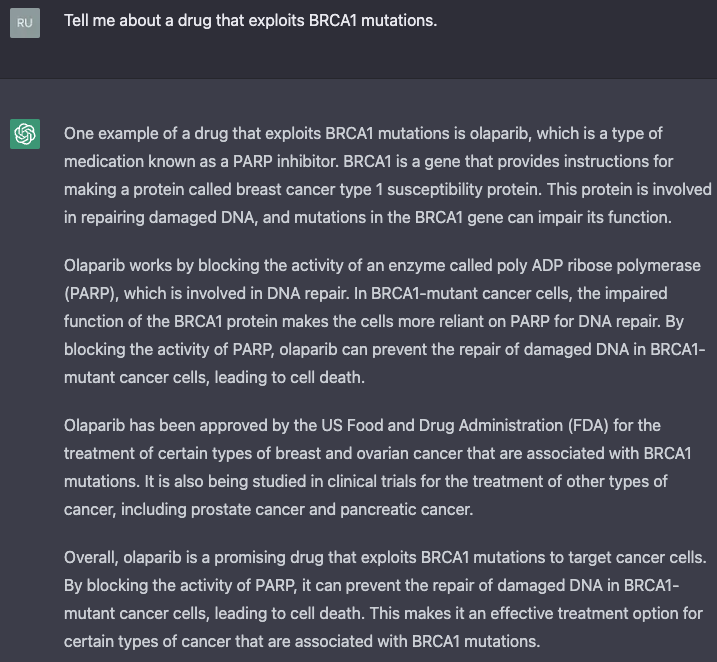
I can't seem to stop now. Have a look at what ChatGPT tells me about TP53 and BRCA1. This is more succinct than any academic paper, faster and easier to understand than any lecture.
The consequences are far reaching. Learning, writing, research...
What an excellent example of science communication, data visualisation and argumentation. The thread is brief, easy to follow and to the point. One of my favourites this year!! 👏🏻👏🏻
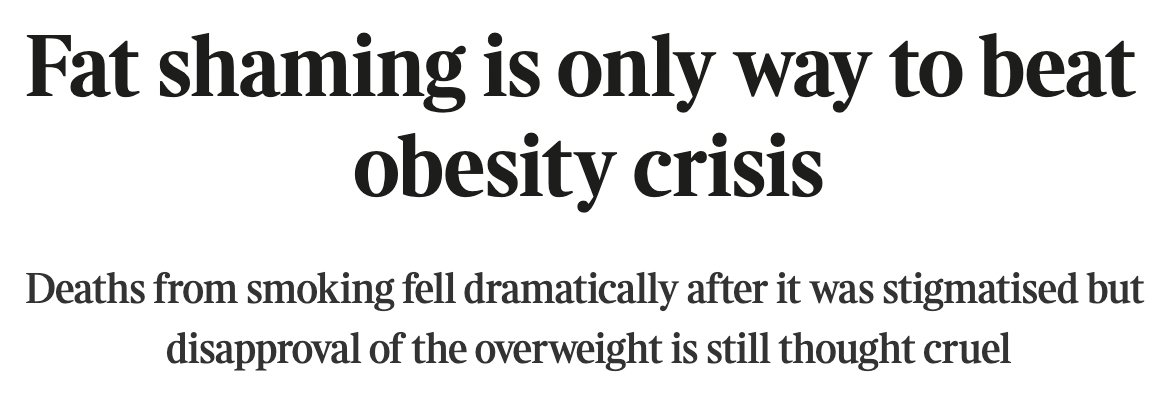
NEW: a column in the Times argues that the only way to tackle obesity is through fat shaming (yes, you read that right).
It’s an astonishing argument to make, and unsurprisingly it falls to pieces under scrutiny.
Let’s take a look, and see if we can do better:
Next level genetics: study human knockouts because many adults are related to each other and therefore significantly raise the chance of a defunct gene in their children.
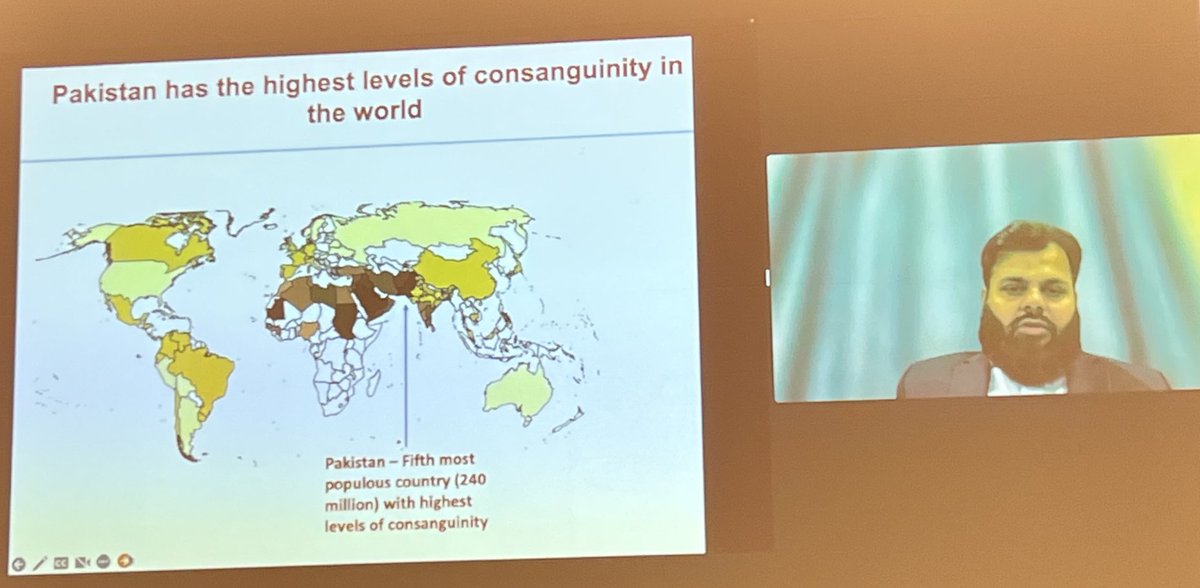
Danish Saleheen stunned the audience with his story of building the world's largest cohort of human knockouts in Pakistan, which is the world's 5th most populous country with highest level of consanguinity ever known. #ASHG22#DRIFT22
@theosanderson@DrCJ_Houldcroft Can confirm. My favourite example is the seminal paper that identified 46 as the chromosome number in humans.
Source: Tjio and Levan, Hereditas, 1956
Very pleased to see the preprint of my main PhD project out on @bioRxiv! Big thank you to all collaborators and the fantastically clever centrosome and cancer genomics people who have shared their knowledge & advice with me over the last 4 years! @CRUK_CI
https://t.co/Q6KHaOs86r