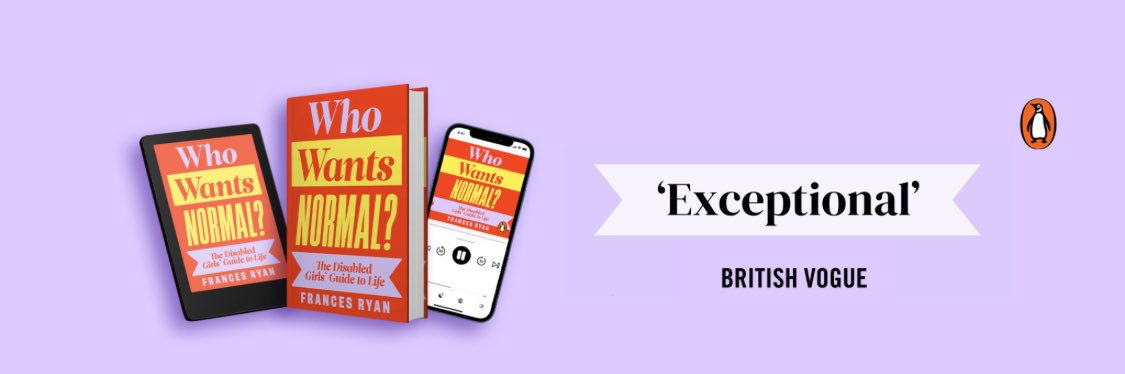
Four years on an iPhone in bed later, Who Wants Normal? is finally out in the world today.
Part memoir, part guide, it features 50+ of Britain’s best known disabled women. I hope it makes you laugh, possibly cry, and feel seen.
Order all formats here: https://t.co/X7bzFYc6Ft
Thanks to everyone who bought, shared, or reviewed Who Wants Normal? in 2025. It was a brutal news year for disability rights (like much else) and reading your messages about how the book gave you a lift was a huge highlight.
The last bit from me for 2025 is the (Christmas) Opinion newsletter where a different columnist writes each Saturday.
On the 27th, I’ll be reflecting on a bonfire year in news and why the Radio Times double issue should actually be longer.
Sign up: https://t.co/fcQ16vV66X
Actual Good News: Labour has launched its fair funding formula for local councils. The aim is more cash for deprived communities like Middlesbrough and Birmingham. And less for wealthier areas such as Kensington and the Home Counties. https://t.co/4sXIGvIneQ
@dannynolan64 I agree they’re straw man arguments and these are genuinely the key arguments mainstream politicians, social media, and legacy media are making. Which seems to tell you something.
Over the last year, this site has helped myths about the Motability scheme spread. Now, some of it is government policy.
In today’s Guardian, I set about finding the facts and why the idea of “free cars for the disabled” has taken hold. https://t.co/63eriCdnWC
This is not big investigative journalism! It’s looking at data rather than repeating whatever number Helen Whately picked out the air. It’s asking questions to medical experts rather than repeating Lee Anderson’s theories on ADHD. Motability should be scrutinised. But with facts.
That means the handful of people with acne who are eligible for a Motability car – but are not necessarily leasing one – could have, say, arthritis as well. The British Association of Dermatologists also confirmed to me that there are ways severe acne might impact mobility.
Critics of disability benefits largely frame it as a concern for government spending but beneath it, there’s often a clear prejudice: disabled people should have miserable little lives (unlike hardworking, normal people).
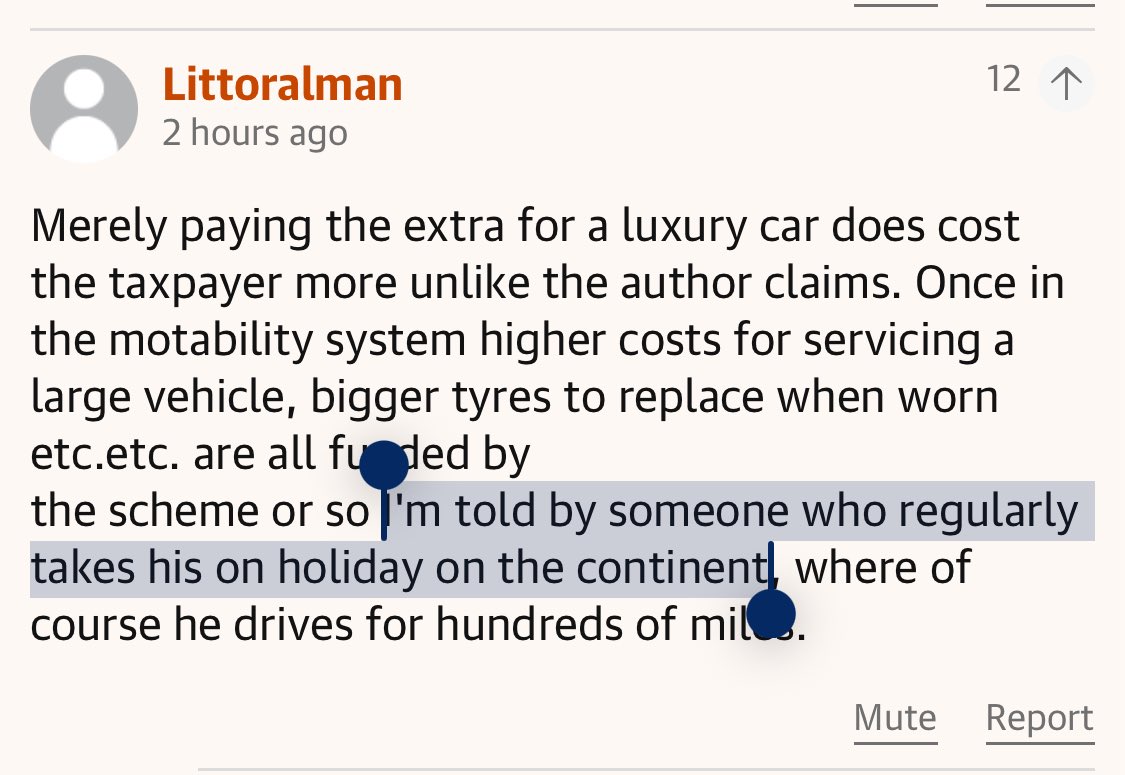
“I know a disabled person who takes their Motability car on holiday” is an absolute zinger of a comeback.
Famously, disabled people only go to the supermarket and hospital. I’d personally put a ban on mainland Europe.
@MaccSewingSolut If you click on my Guardian bio, you’ll see many articles on the pandemic and clinically vulnerable people (which includes me). There’s only so much space on the page so I’m afraid there’ll always be things I can’t include. But I’ll certainly keep on covering both.
Welcome to Britain’s new benefits lie: disabled people are driving BMWs and Mercedes on the taxpayer’s dime.
My column on Motability and the truth behind the headlines and social media myths. https://t.co/63eriCdnWC
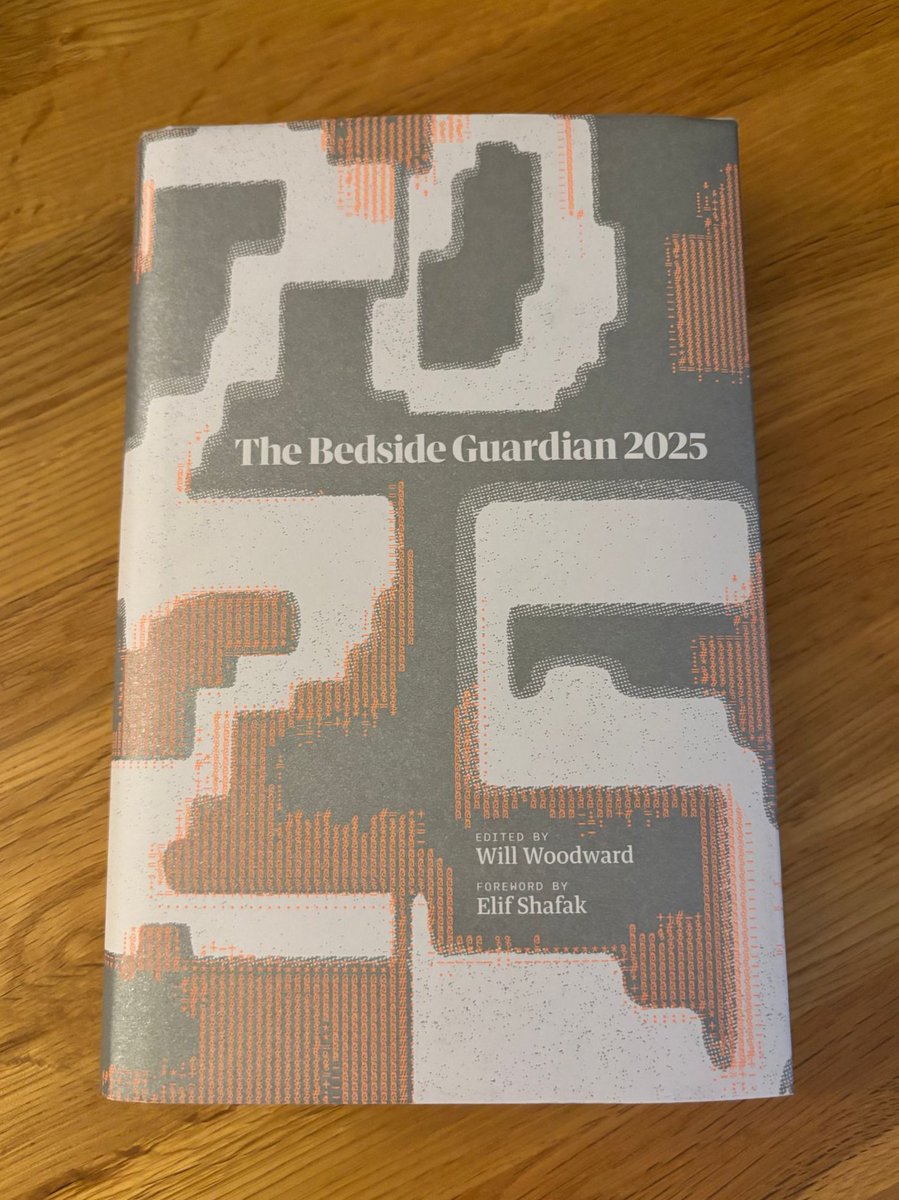
Always a pleasure to be in the Bedside Guardian - our round up of 2025 with “the most revealing interviews, thought-provoking commentary and reporting from the last 12 months.”
My bit is July’s column on the welfare reform debate. Other more cheerful topics are available.
@Berniewatson It’s phrased in a way that talks about this period - lockdown and Boris Johnson as PM - as the past. Covid itself is of course not in the past.
Worth remembering as this unfolds that it was disabled people and ethnic minorities who disproportionately died. Tens of thousands needlessly lost their lives, many who died alone or with just an iPad. Thousands more were left with life changing Long Covid. A true scandal.
BREAKING: The UK’s response to Covid was “too little, too late”, a damning official report on the handling of the pandemic has concluded, saying the introduction of a lockdown even a week earlier than happened could have saved more than 20,000 lives.