THE JAPANESE METHOD OF RAISING CHILDREN WHO LISTEN THE FIRST TIME.
By age, from Japanese practice:
1. They keep their voice low, especially when the child is loud.
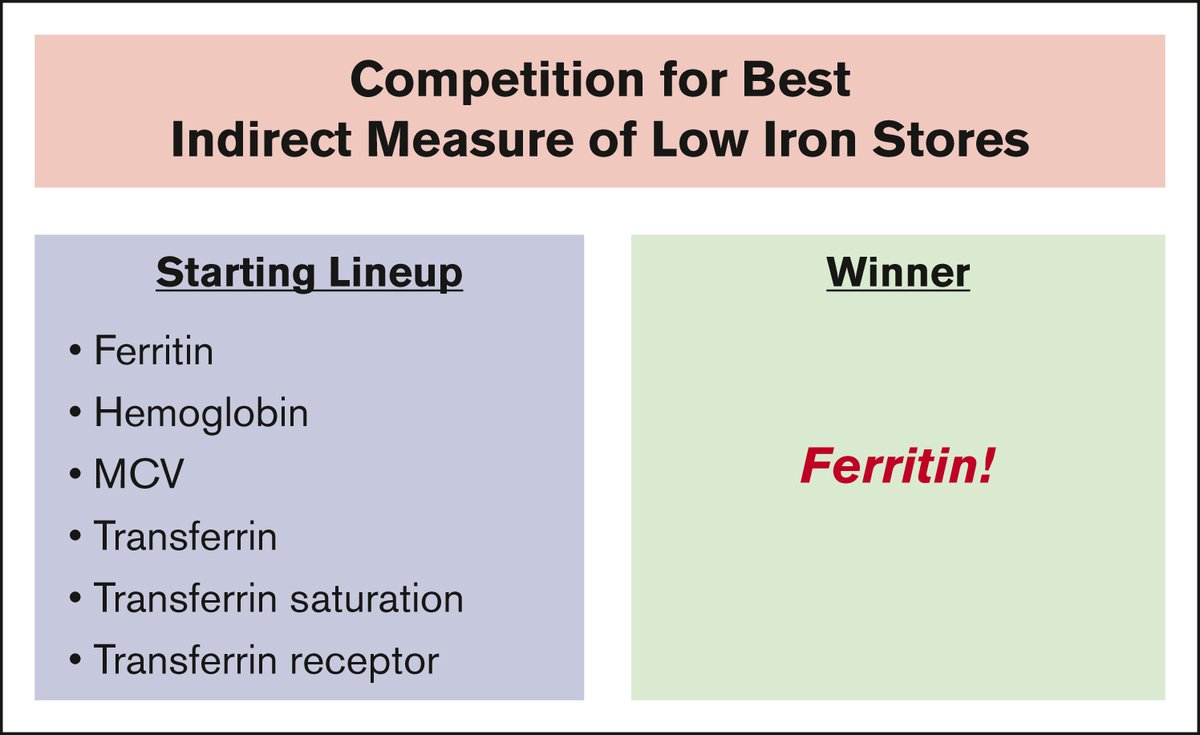
Of the 6 indirect measures of iron status measured—ferritin, hemoglobin, MCV, transferrin, transferrin saturation, and transferrin receptor—serum ferritin had the greatest accuracy in identifying iron deficiency. https://t.co/8PR11tkWNC #redcellsironanderythropoiesis
🩺 HYPERTENSION 2026: Treat Earlier, Target Smarter, Protect the Heart & Kidneys!
————————————————
Hypertension guidelines have evolved significantly, and the 2025 #AHA/ACC Guideline and 2024 #ESC Guideline remain the key contemporary references for clinicians in 2026.
The 2025 AHA/ACC guideline continues to define hypertension as ≥130/80 mmHg, with a treatment goal of generally <130/80 mmHg for most adults. Importantly, treatment is no longer based only on the BP number—overall cardiovascular risk matters.
A major change is the use of the PREVENT cardiovascular risk equation, replacing the older pooled-cohort approach. Patients with BP 130–139/80–89 mmHg may require medication when cardiovascular risk is sufficiently high or when conditions such as diabetes, chronic kidney disease or established cardiovascular disease are present.
Home BP monitoring and accurate out-of-office measurements have gained greater importance, helping identify white-coat and masked hypertension and improving long-term management.
Lifestyle modification remains the foundation: weight reduction, regular physical activity, a DASH/Mediterranean-style diet, reduced sodium intake, adequate sleep and moderation of alcohol.
Another important emphasis is screening for secondary hypertension, particularly primary aldosteronism in appropriate high-risk patients, including many with resistant or severe hypertension.
The 2024 ESC guideline takes a somewhat different approach. It retains ≥140/90 mmHg as the definition of hypertension but introduces an “elevated BP” category. For most treated patients, ESC aims for systolic BP 120–129 mmHg if tolerated, while emphasizing individualisation in older, frail or treatment-intolerant patients.
———————————————
The message for 2026 —-
#Hypertension management is no longer simply about “getting the #BloodPressuere down.” It is about early detection, accurate measurement, personalised treatment and lifelong cardiovascular-kidney protection.
Measure accurately. Assess risk. Treat appropriately. Monitor continuously. Prevent complications.
#Cardiology #ACC #KidneyHealth #Diabetes #MedicalEducation #PublicHealth
#MedTwitter #MedEd #MedX @IhabFathiSulima@ajaykraina@docakx@sowmiyasid@drkeithsiau
When a Young PG’s Handwriting Becomes a Masterclass
—————————————————-👍🙏👏👍🙏👏👍🙏👏👍🙏👏
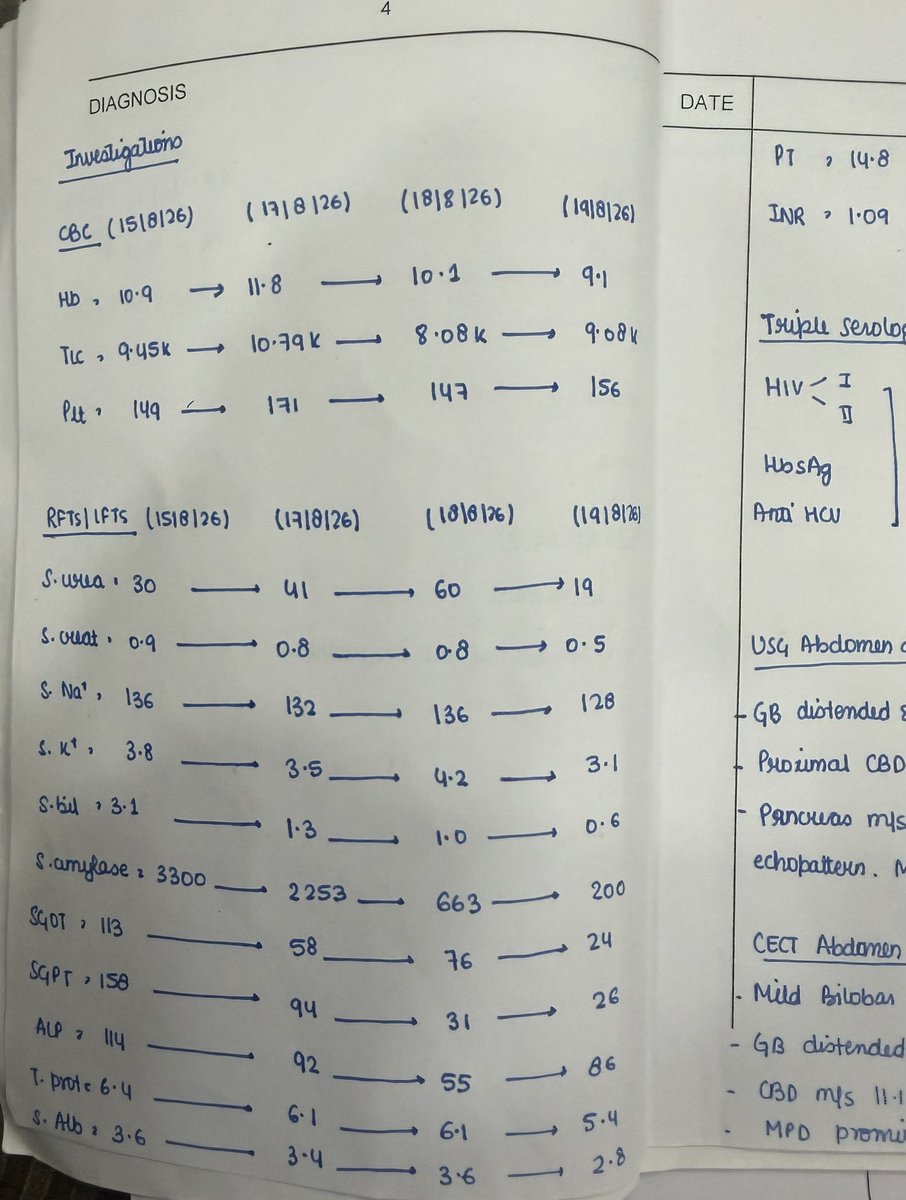
Today a follow-up patient of Acute Calculous Pancreatitis walked into my evening OPD. Guddi Devi, 63 years, had been discharged from Surgical Unit-VI, Government Medical College Hospital, Jammu on 20 August 2026 after conservative management.
What struck me first was not the diagnosis or the investigation chart. It was the discharge summary and treatment advice written by the 2nd-year postgraduate, Dr Damini.
In an era when most clinical notes look like hurried scribbles, her pages stood out like a carefully composed manuscript. Every letter is clear, every line is evenly spaced, every abbreviation is deliberate, and the overall presentation is so neat that one can read it from a distance without straining. The case summary, the serial laboratory trends, the imaging findings, and the discharge medications—all are recorded with a discipline that is rare even among senior clinicians.
As a fellow surgeon who trained in the same institution decades ago, I felt a quiet surge of pride. Good clinical handwriting is not a cosmetic detail. It is a mark of respect for the patient, for the next treating doctor, and for the medical record itself. Clear notes reduce errors, save time during handovers, and reflect the mental order of the person who writes them.
Dr Damini’s work shows that excellence in the small things is still possible. Her future as a surgeon looks bright not only because of technical skill but because she already understands that communication is part of the craft.
My sincere good wishes to her. And an appeal to the entire medical fraternity—especially to the younger generation: pause for a moment, slow down the pen, and try to write the way she does. Our patients and our profession will thank us for it. #MedTwitter #MedEd #MedX @IhabFathiSulima@drkeithsiau@docakx@ajaykraina@sowmiyasid
70% of Indians don’t get enough fibre.
We talk about protein all the time, but fibre is the nutrient we often forget. And unlike protein, fibre doesn’t come from animal foods like chicken, fish, paneer, or milk. Fibre comes only from plant foods.
Fibre helps with digestion, keeps you fuller for longer, and can help manage blood sugar spikes.
So I created this Fibre Board as a simple reminder to add fibre-rich foods to your diet and consume 25-30g of fibre every day.
Share this video and help me spread the Fibre Board Movement to every school, college, and office in India.
Let’s Make India Healthy Again!
Exercise guidance is written in minutes per week. Three minutes of sprinting moved a hundred times more blood protein than ninety minutes of cycling.
Working muscle does not only consume fuel. It secretes. Muscle, fat, liver and immune tissue release proteins and metabolites into circulation during and after exercise, collectively called exerkines, and these signals are the leading candidate for how a local activity in the legs produces effects in the brain, pancreas and blood vessels. The scale of that release is substantial. Profiling 4,163 plasma proteins in 75 middle-aged adults during a treadmill stress test found 765 of them changed at peak effort. What nobody had done was separate intensity from duration in the same people.
Manufacturing a protein and exporting it takes hours, yet the sprint response appeared immediately. The proposed route is that many of these proteins were never newly made. Pieces of proteins already anchored on cell surfaces are cut loose and released directly into circulation, a process requiring no new synthesis and therefore no delay. The team also mapped which tissues the regulated proteins likely came from and which they were heading toward, and found fat cells especially reactive: human adipocytes bathed in plasma drawn after sprinting underwent broad shifts in gene activity, including in how they handled fuel and sensed hormones.
Participants completed six all-out 30-second sprints, three minutes of genuine work, and separately performed 90 minutes of continuous moderate cycling. Of 2,884 plasma proteins measured, 714 changed immediately after the sprints, roughly one in four. Seven changed after the moderate session. Cross-referencing against a large population database, 32 of 33 proteins associated with lower metabolic disease risk were moved by sprinting, against three by moderate exercise. The response persisted after eight weeks of training.
These are small cohorts measured acutely, and a blood protein changing is not a health outcome. The disease associations come from an entirely separate population dataset layered on top, so they establish that these proteins track with lower risk in other people, not that moving them lowers anyone's risk. The comparison also confounds intensity with modality and duration at once, since sprints, cycling and running differ in more than how hard they are. Most importantly, the moderate session was not inert, it was slower: fatty acids and liver-derived proteins rose several hours afterward rather than immediately, which means a snapshot taken right after exercise is structurally biased toward whichever stimulus acts fastest. Reading the immediate window as the whole story would overstate the gap.
Twenty years ago, six sessions of sprint intervals over two weeks, totalling two and a half hours of training against ten and a half, with about 90 percent less total work performed, produced similar improvements in muscle oxidative capacity and time-trial performance to continuous endurance training. The molecular finding here sits underneath that older result rather than replacing it, and it offers a plausible reason why so little work produced so much adaptation.
What remains untested is whether a larger immediate protein response produces better long-term health, which would require a trial comparing intensities on actual outcomes rather than on blood. Nobody has run it. The closest real-world evidence comes from accelerometer data in 3,293 US adults who did no structured exercise at all, where brief vigorous bursts during ordinary daily life tracked with lower mortality in a dose-response pattern that flattened quickly.
Intensity is a lever most people are not pulling, and that it appears to be doing something chemically distinct rather than simply more of the same. That is not a case for abandoning moderate exercise, which carries the strongest outcome evidence and the lowest injury risk, and it is not a case for anyone with cardiovascular disease sprinting without medical guidance. It is a case for treating hard efforts as their own category rather than as an optional upgrade on volume.
Olsen et al., Cell Rep Med 2026;102988 · PMID 42594877
Mi et al., Mol Cell Proteomics 2023;22(8):100601 · PMID 37343698
Gibala et al., J Physiol 2006;575(Pt 3):901-11 · PMID 16825308
Koemel et al., Int J Behav Nutr Phys Act 2026;23(1) · PMID 41612409
If you climb just 2–3 flights of stairs after meals, your blood sugar, legs, and future self will thank you.
Here are 7 reasons why stair climbing is pure gold for fat loss prediabetes & type 2 diabetes:
1) Improves waist circumference & visceral fat over time
Fermented foods lowered inflammation over 17 weeks. Adding more fiber did neither.
That's the finding from a Stanford randomized trial, and it should reframe how we think about feeding the gut.
Researchers assigned healthy adults to one of two microbiome-targeted diets, high-fiber or high-fermented-food, and ran deep immune and microbiome profiling across 17 weeks. The expectation going in was intuitive: fiber feeds your bacteria, so more of it should mean a healthier microbiome and lower inflammation.
That's not what happened.
The high-fiber group's inflammatory markers stayed flat. Its primary immune outcome, a composite cytokine response score, was unchanged from start to finish. And microbial diversity, one of the more reliable markers of gut resilience, held steady rather than rising.
The fermented-food group moved both. Inflammation declined steadily across the trial. Diversity climbed.
Fiber feeds bacteria the substrate they can digest. The study captured a signature of exactly this - i.e., the microbiome's glycan-degrading enzyme capacity rose while overall diversity stayed flat, consistent with the existing community upregulating rather than broadening
Fermented foods appear to do something structurally different. Live microbes plus the metabolic byproducts of fermentation seem to expand diversity directly, rather than by feeding what's already there. Greater diversity tracks with lower inflammatory load, and the fermented arm moved that lever while the fiber arm did not.
One detail worth sitting with: fiber wasn't inert for everyone. High-fiber consumers split into three distinct immune trajectories, and which one you landed in tracked your baseline microbiome diversity. Fiber's effect was contingent on the gut that received it. People starting with more diverse microbiomes likely respond differently than this average suggests.
Limitations:
Eighteen people per arm, healthy adults, 17 weeks. Inflammatory markers are intermediate biology, not clinical endpoints. Fiber's metabolic and cardiovascular benefits are established on separate, far larger evidence, and this trial doesn't touch them.
But for the specific job of moving the microbiome and inflammation, piling on more fiber wasn't the lever. The fermented foods, however, moved the needle.
Wastyk, Sonnenburg et al., Cell 2021.
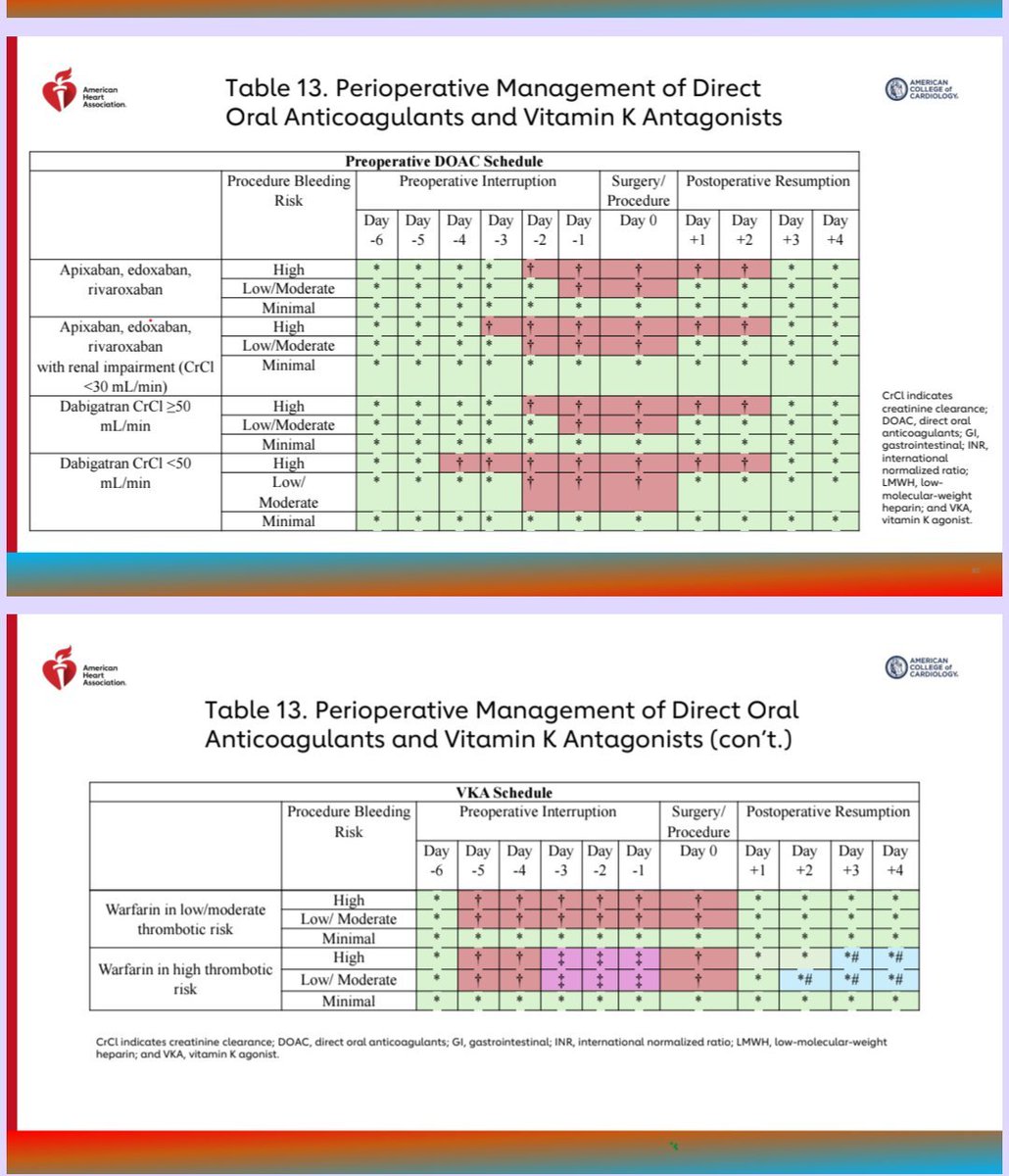
How long should anticoagulants be withheld before elective surgery?
◻️Apixaban: 1 day (low/moderate bleeding risk), 2 days (high risk)
◻️Rivaroxaban: 1 day (low/moderate), 2 days (high)
◻️Edoxaban: 1 day (low/moderate), 2 days (high)
◻️Dabigatran: 1-4 days depending on bleeding risk & renal function
◻️ Fondaparinux: 36-42 hours
◻️ LMWH: 12 h (prophylactic), 24 h (therapeutic)
◻️ UFH: IV 4-6 h; SC 12–24 h
◻️ Warfarin: Stop 5 days before surgery; confirm INR before the procedure.
Adjust timing for renal impairment, neuraxial anesthesia, and individual patient risk. Bridging is reserved for selected high-thrombotic-risk patients.
Reference: 2024 AHA/ACC Guideline for Perioperative Cardiovascular Management for Noncardiac Surgery, Table 13.
Glimepiride and Hypoglycemia.
Recurrent hypoglycemia occurs in patients taking glimepiride due to the drug’s prolonged mechanism of action combined with the physiological response to a rapid intravenous (IV) dextrose bolus.
Clinical Management Implications...
Because IV dextrose acts as a temporary patch that can provoke further insulin release, standard medical management for sulfonylurea toxicity includes:
1. Continuous Infusion:
Following the initial bolus, a continuous infusion of a more dilute glucose solution (like 10% dextrose) is often required to match the ongoing insulin activity.
2. Octreotide Therapy:
Octreotide, a somatostatin analog, is considered a first-line antidote.
It suppresses further insulin secretion by blocking calcium channels on the beta cells, successfully breaking the cycle of rebound hypoglycemia.
3. Extended Observation:
Patients must be monitored in a hospital setting for at least 24 to 48 hours to ensure the drug has fully cleared before safe discharge.
Image:
https://t.co/uikJzcnbu3
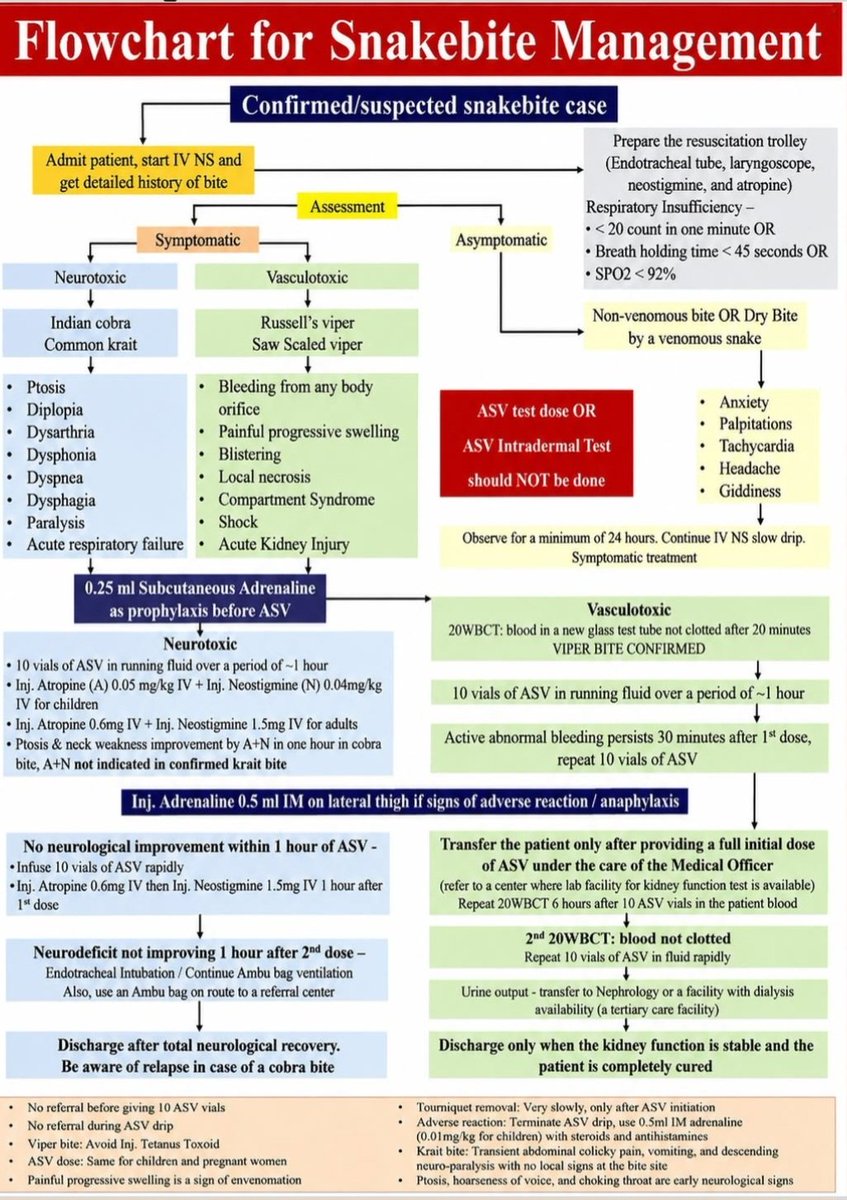
A clinical protocol or flowchart for the management and treatment of confirmed or suspected snakebite cases, detailing assessments for neurotoxic and vasculotoxic envenomation, administration of anti-snake venom (ASV), and supportive care measures.
https://t.co/mSIzYZRK46
A patient says:
Doctor, I feel sleepy throughout the day.
In a busy OPD, I check just 4 things.
1. Is he sleeping enough?
Ask bedtime and wake-up time.
Many patients are simply sleep deprived.
2. Does he snore?
Loud snoring, witnessed apnea, obesity?
Think sleep apnea.
3. Check the prescription.
Amitriptyline, gabapentin, valproate, pramipexole, baclofen, benzodiazepines and many other drugs can cause daytime sleepiness.
4. Anything unusual about the sleepiness?
Short nap and feels fresh?
Cataplexy with laughter or emotion?
Think narcolepsy.
Sleeps for long hours, very difficult to wake up, naps don't refresh?
Think idiopathic hypersomnia.
If the cause is still not clear, that is the patient who needs a proper sleep evaluation.
And always ask:
Do you feel sleepy while driving?
For OPD, keep it simple:
Enough sleep? → Snoring? → Drugs? → Narcolepsy/IH clues?
#MedX #NeuroX #Sleep
Bowel and bladder localisation becomes much easier when you stop memorising nerves and start thinking in layers.
I teach to my RMOs like this:
The bladder has 3 levels of control.
1. S2–S4: the machinery
This is the basic reflex system.
Bladder fills
↓
Sacral circuit responds
↓
Bladder can empty
This is the oldest, most automatic part of the system.
2. Pons: the coordinator
Emptying is not enough.
The bladder must contract while the sphincter relaxes.
So the pons acts like a conductor:
Bladder → CONTRACT
Sphincter → RELAX
Smooth voiding needs both to happen together.
3. Cortex: the permission system
Humans added another problem.
The bladder may be full, but you may be:
in OPD
in an operation theatre
driving
in a meeting
So the question is no longer only:
Can I pass urine?
It becomes:
Should I pass urine NOW?
That is higher cortical control.
Now localisation becomes beautifully simple.
BRAIN LESION
The machinery is intact.
The coordinator is intact.
What is lost?
PERMISSION.
So the patient tends to develop:
urgency
frequency
urge incontinence
The plumbing works.
The social brake has weakened.
SPINAL CORD LESION ABOVE S2–S4
The brain and pons are intact.
S2–S4 is also intact.
But the communication between them is cut.
Higher control cannot properly reach the local reflex system.
So the bladder may become reflex/overactive.
And here comes the important part:
Bladder says CONTRACT.
Sphincter says CONTRACT too.
Accelerator + brake together.
That is detrusor-sphincter dyssynergia.
This is why a patient can have:
urgency
AND
high residual urine.
The bladder is active.
It is simply fighting against a closed gate.
CONUS / CAUDA / S2–S4 LESION
Now we have gone one level lower.
This time communication is not the main problem.
The machinery itself is damaged.
Bladder fills.
And fills.
But cannot contract effectively.
So think:
large bladder
retention
overflow dribbling
reduced sacral sensation/reflexes
And suddenly bowel localisation also becomes easy.
The bowel is simply another department using much of the same sacral infrastructure.
Above the sacral centre:
reflex machinery survives
→ reflex bowel
→ poor voluntary coordination
→ constipation / difficult evacuation
Damage the conus, cauda or sacral roots:
local machinery is damaged
→ poor rectal emptying
→ reduced anal tone
→ impaction ± fecal leakage
So at the bedside I ask only 4 things:
Urgency or retention?
Legs UMN or LMN?
Saddle sensation intact or lost?
Anal tone/sacral reflexes intact or lost?
Then localise.
The easiest way to remember the whole chapter:
Brain lesion loses PERMISSION.
Cord lesion loses COMMUNICATION.
Conus/cauda lesion loses the MACHINERY.
Or even shorter:
Cortex decides WHEN.
Pons coordinates HOW.
S2–S4 makes it HAPPEN.
Once this picture is clear, bowel and bladder localisation is no longer something you need to memorise.
You can reconstruct it at the bedside.
Teaching note: this is a physiological memory model, not a literal step-by-step claim about human evolutionary history.
Acute spinal shock and mixed neurogenic bladder patterns can also break the simple rule.
#NeuroX #MedX #Bowel #Bladder