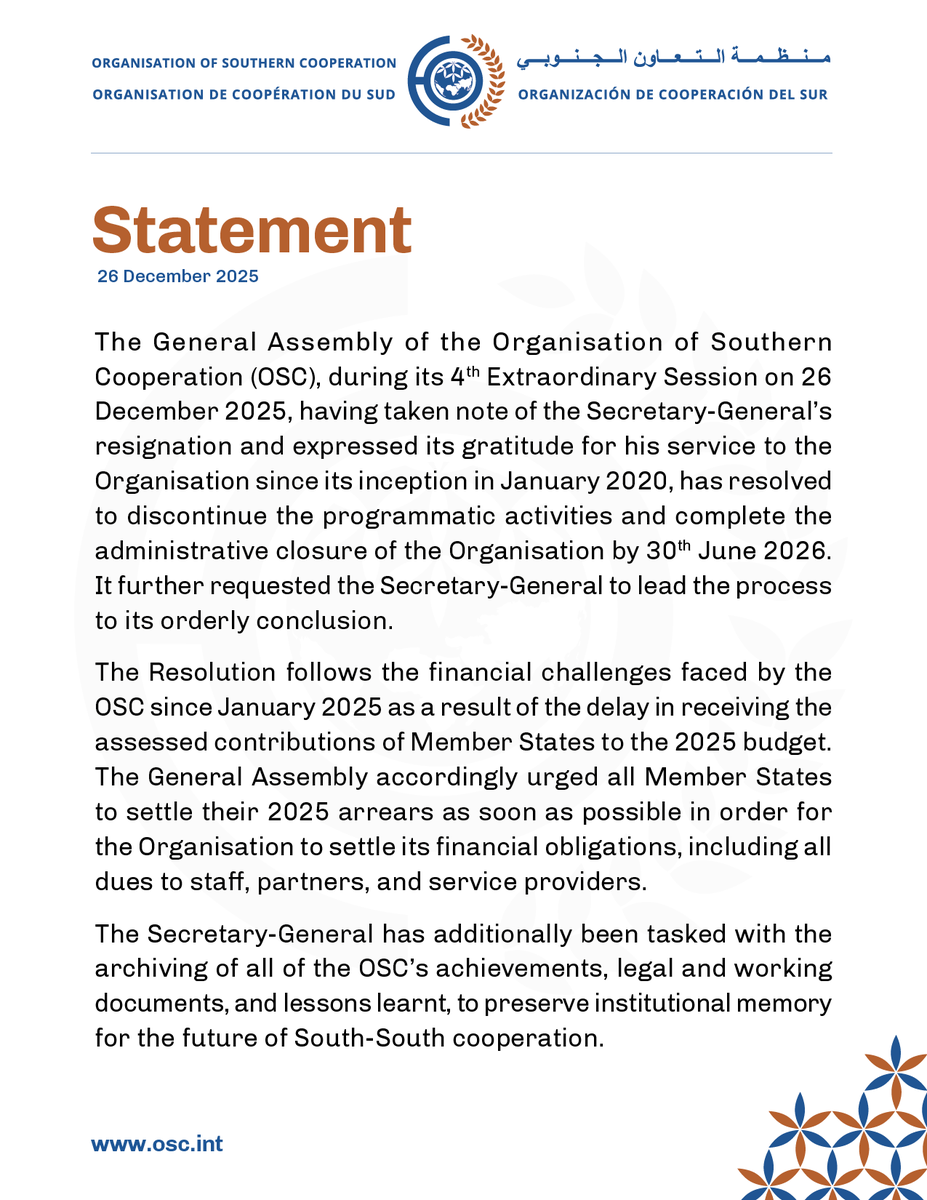
Statement on the General Assembly's decisions regarding the Secretary-General's Resignation and the Discontinuation of the Organisation’s Operations.
Read the Statement here: https://t.co/4gzKMxxOLY
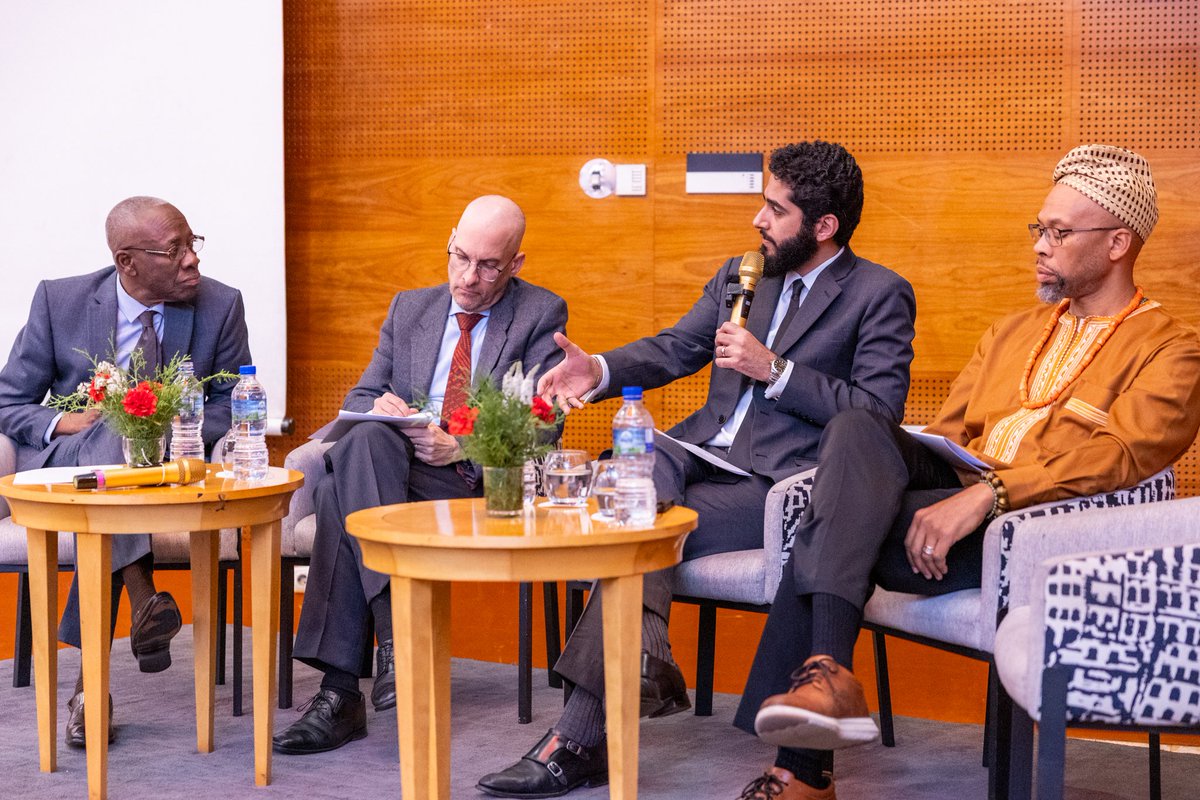
I was pleased to participate in the Conference on South–South Cooperation and Justice for Africans and Afrodescendent Peoples through Reparations.
As a prevailing global order comes undone, the Greater South must assume its responsibilities and consolidate its collective efforts to build a more just and equitable world. To do so, we must:
○ Build bridges amongst our peoples, through enhanced mobility and the strengthening of our creative industries;
○ Generate strategic leverage through targeted investments in sovereignty-enhancing sectors;
○ Reinforce our respective integration frameworks, whilst advancing interoperability amongst our regional and continental institutions; and
○ Establish our own financial and taxation mechanisms to support an endogenous development agenda.
I extend my sincere appreciation to the Embassy of Colombia in Addis Ababa for convening this timely initiative and for the invitation to contribute to its deliberations.
Earlier today, I formally tendered — with utmost respect, yet without equivocation — my irrevocable resignation from the office of Secretary-General of the Organisation of Southern Cooperation.
May my stepping down ensure that Member States finally step up.
❌A child cannot learn in a language that does not recognise them.
🌐Across the Greater South, linguistic inequality remains one of the most persistent — and least acknowledged — barriers to educational justice. Research shows that mother-tongue education boosts comprehension, lowers dropout rates, and strengthens national cohesion, yet millions of learners still begin school in languages they do not speak.
✏️If the Greater South is to shape its own future, it must begin by teaching in the languages of its people. Mother-tongue education is not only cultural preservation; it is the foundation of dignity, equity, and meaningful transformation.
Discover more: https://t.co/Vt5HLpOkNz
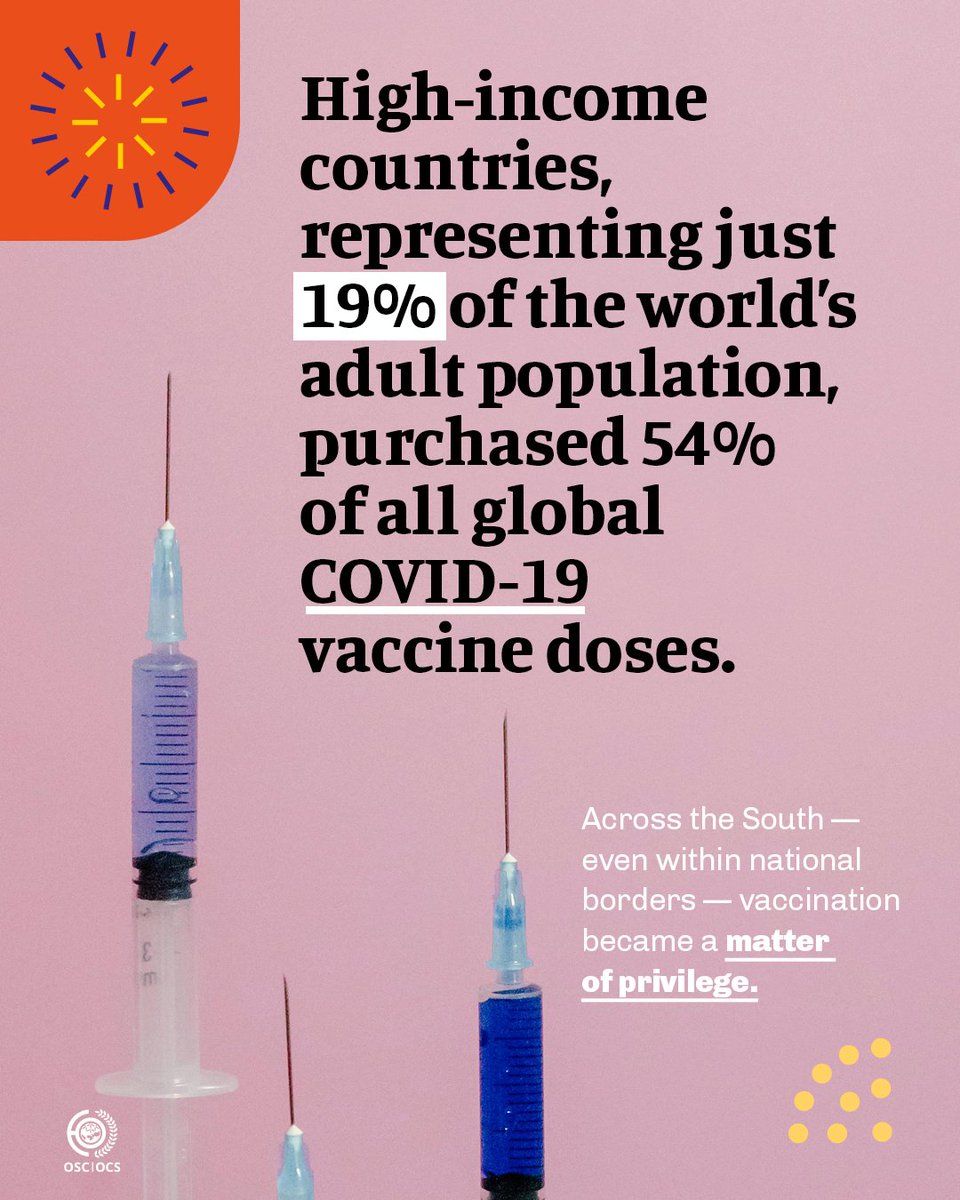
😷Around this time in 2019, the first cases of a new and unfamiliar illness began to surface — what we would later know as COVID-19, a crisis that unleashed a global catastrophe.
❌But the catastrophe did more than disrupt lives; it exposed the long-standing structures of inequality that shaped access to vaccines for the countries of the Greater South.
➡️If we truly seek a fairer world, the lesson must endure: health sovereignty and genuine cooperation cannot rest on donations or “aid”, but on local production, technology transfer, endogenous development, and shared decision-making.
Discover how we can achieve this: https://t.co/afpSflB73w
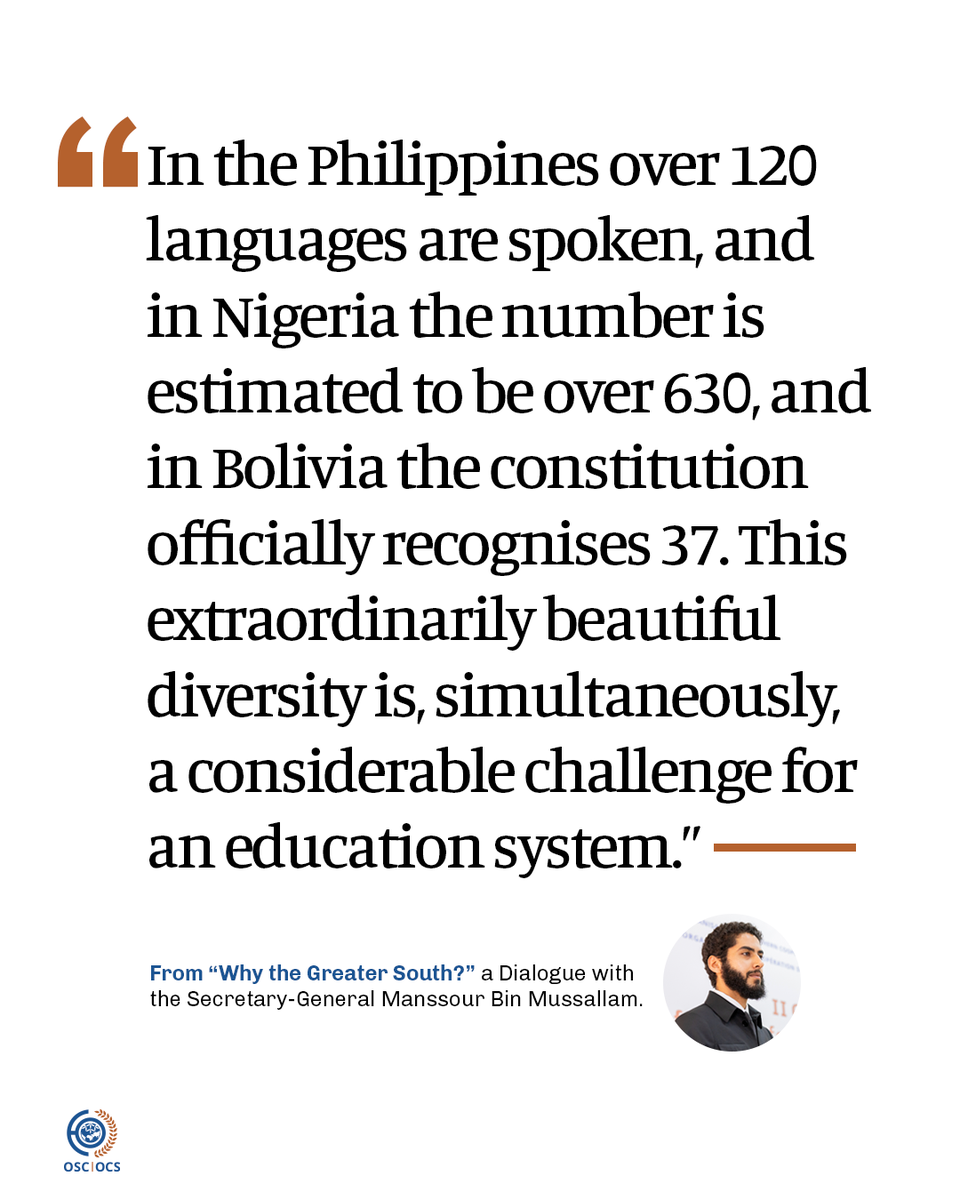
⚠️Education cannot be called “inclusive” if it forces millions of children to learn in languages that are not their own. In countries where hundreds of languages coexist — more than 600 in Nigeria, more than 120 in the Philippines, and in Bolivia the constitution recognises 37 — ignoring linguistic reality is not neutrality. It is a barrier that widens inequality.
➡️Article II of the Universal Declaration of Balanced and Inclusive Education is explicit: respecting linguistic diversity is essential to justice and cohesion. Mother tongue education is not optional; it is the difference between systems that empower and systems that exclude.
🌐If the Greater South is serious about transforming education, it must start by dismantling the silent hierarchy that elevates some languages and erases others. Real change begins when every learner has the right to understand.
Read more: https://t.co/1X335Oc5z4
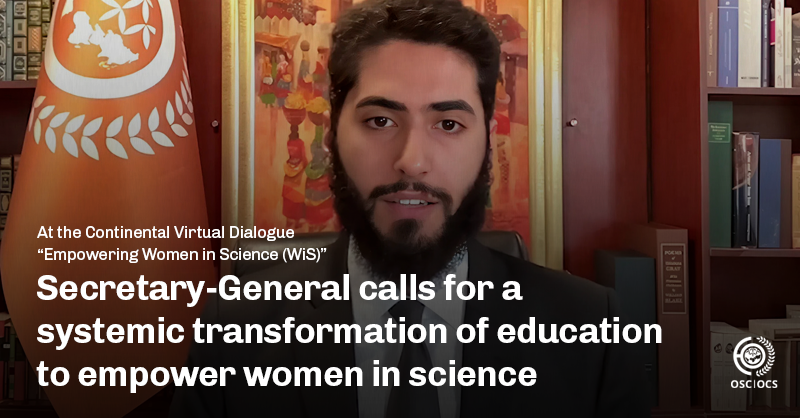
👩🔬🔬The OSC calls for bold, systemic change to empower women in science.
➡️During the Continental Virtual Dialogue “Empowering Women in Science”, organised by @UNESCO, Ethiopia’s Ministry of Innovation and Technology @MinistryofInno2, and the @_AfricanUnion, Secretary-General @MBinMussallam highlighted the need to transform education, reclaim women’s historical contributions, and challenge exclusionary knowledge systems to build an inclusive scientific future for the Greater South.
Read the full story: https://t.co/VA7ixBPYXy
✅ #DownloadNow | “Why the Greater South?” — a dialogue with Secretary-General @MBinMussallam examining the challenges, risks, and collective responsibilities facing the countries of the Greater South as they advance a new multilateralism grounded in equality, equity, and solidarity.
Read it in:
➡️English: https://t.co/jitdX0zXi5
➡️Spanish: https://t.co/rYf6f7O1yb
➡️Arabic: https://t.co/KWOVjHW9G9
➡️French: https://t.co/vK2Mwgp8c4
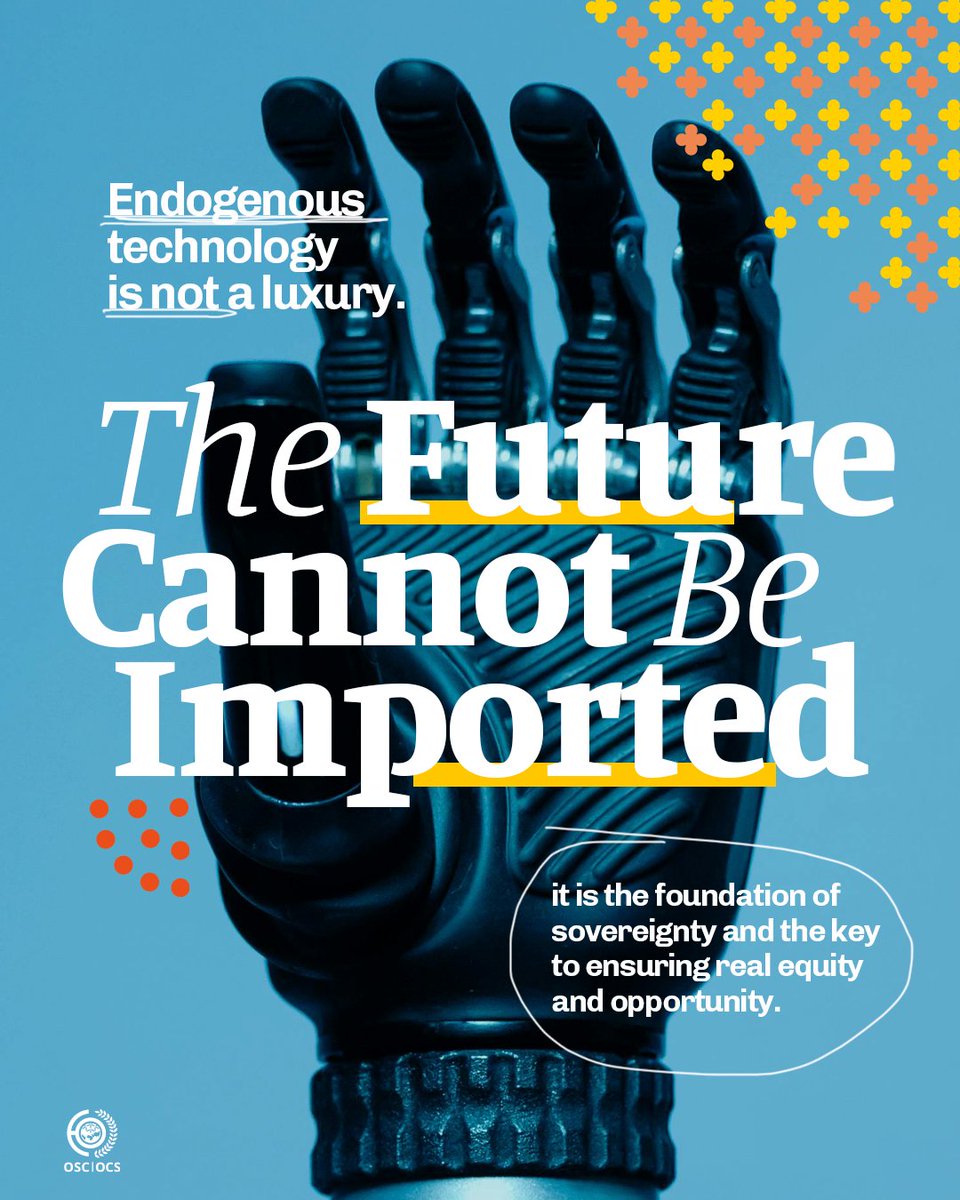
🌍#AfricaIndustrialisationDay reminds us that industrial transformation begins with digital sovereignty. No region can build a resilient future relying on inherited models or external technologies.
➡️The digital pillars of transformative justice demand a roadmap grounded in dignity, equity, and endogenous innovation. Without control over the technological foundations of production, industrialisation risks repeating extractive patterns that limit real development.
✅For the OSC, becoming drivers of the technological revolution means building home-grown technologies, strengthening open-source ecosystems, and ensuring that Africa’s industries are powered by its own knowledge, capacity, and vision — not borrowed tools.
Discover more: https://t.co/Vt5HLpOkNz
⚠️If the Greater South is to shape the twenty-first century, it cannot remain merely a market.
We must invest in connectivity, develop new skills, strengthen scientific capacities, and build our own digital industries.
Becoming drivers of the technological revolution means transforming our realities with tools built for them.
Read here how we can achieve this: https://t.co/afpSflB73w
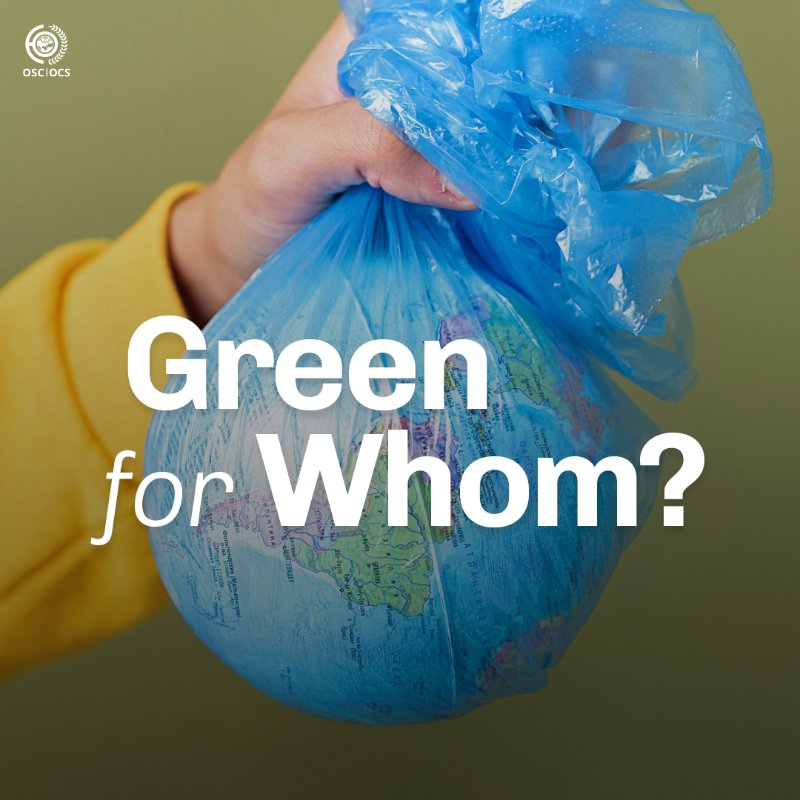
🟢True sustainability demands a simple truth:
A green world cannot be built on extractive models that leave entire nations outside its prosperity.
➡️The question is no longer “Green for whom?”
➡️but “Green with whom — and on whose terms?🟢True sustainability demands a simple truth:
A green world cannot be built on extractive models that leave entire nations outside its prosperity.
➡️The question is no longer “Green for whom?”
➡️but “Green with whom — and on whose terms?🟢True sustainability demands a simple truth:
A green world cannot be built on extractive models that leave entire nations outside its prosperity.
➡️The question is no longer “Green for whom?”
➡️but “Green with whom — and on whose terms?🟢True sustainability demands a simple truth:
A green world cannot be built on extractive models that leave entire nations outside its prosperity.
➡️The question is no longer “Green for whom?”
➡️but “Green with whom — and on whose terms?🟢True sustainability demands a simple truth:
A green world cannot be built on extractive models that leave entire nations outside its prosperity.
➡️The question is no longer “Green for whom?”
➡️but “Green with whom — and on whose terms?”
➡️“The carbon footprint of the richest 1%, concentrated in the North, exceeds that of the poorest 66%, overwhelmingly in the South,” reminds Secretary-General @MBinMussallam.
❌This imbalance reveals a deeper truth: climate change is not only an environmental crisis, but an economic one.
Creating shared, green prosperity means transforming inequality into opportunity — ensuring that sustainability and justice advance together.
Discover more: https://t.co/afpSflB73w
⚠️Free Full Document Download⚠️
We know you're wondering: so, what is the Greater South?
✅Then we invite you to read the dialogue “Why the Greater South?” with Secretary-General @MBinMussallam, in which discusses the idea of the Greater South – its origin, rationale, and relevance – in understanding the need for a new form of multilateralism that is based on equality, equity and solidarity as well as mutual cooperation in addressing development challenges and planetary threats of our era.
Read it in:
➡️English: https://t.co/jitdX0zXi5
➡️Spanish: https://t.co/rYf6f7O1yb
➡️Arabic: https://t.co/4Jz6AmbWOu
➡️French: https://t.co/vK2Mwgp8c4
When the global structures of power no longer serve the common good, ours becomes the historic duty of reconstruction.
Yet the arch of History does not bend on its own, but by the will of the united.
Through shared purpose, the Greater South must find the collective leverage to build a multilateralism that mirrors Humanity itself: diverse, dignified, and determined to stand as one.
And, in that pursuit, blossoms a promise renewed — that the world’s destiny shall belong to all, not to a few.
Digital transformation for justice: OSC at Africa Celebrates 2025🌍
At Africa Celebrates 2025 in Addis Ababa, the OSC highlighted how digital innovation and endogenous technology can drive justice, equity, and dignity across the Greater South.
Representing the Secretary-General, @DrShumete delivered a keynote address on “The Digital Pillars of Reparative Justice”, underscoring technology’s transformative power in shaping a fair and inclusive future.
Read more: https://t.co/CF5XR0ZgN6
⚠️The world doesn’t need new slogans — it needs a new way forward.
🌐The OSC works to redefine multilateralism from the Greater South, turning solidarity into strategy and cooperation into shared transformation.
A future built by and for the nations of the South — equitable, sovereign, and united in purpose.
Discover more: https://t.co/afpSflB73w
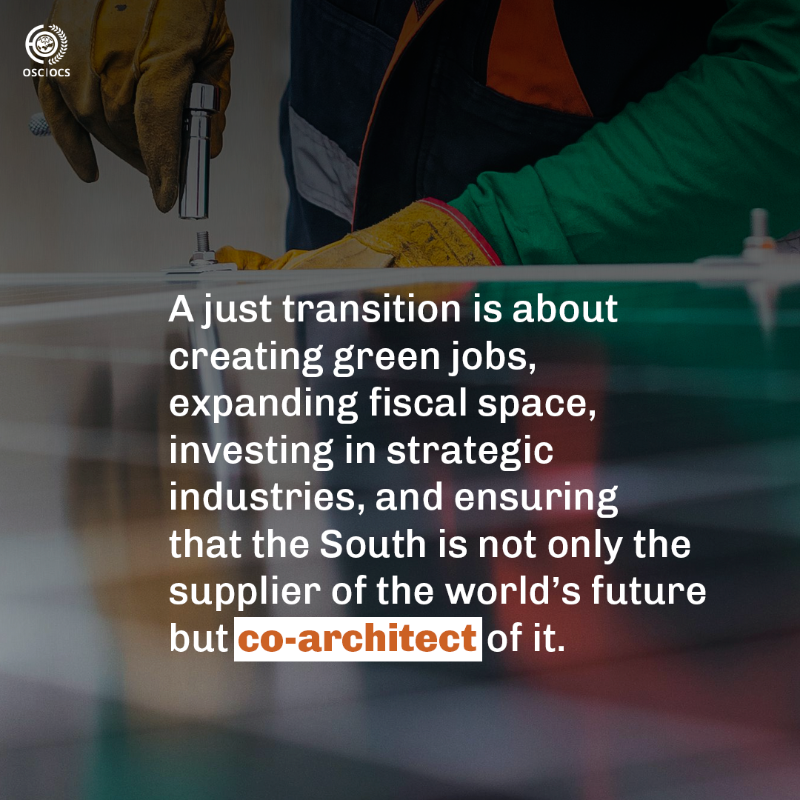
✅The path to shared, green prosperity begins with transformation — of how we work, what we produce, and what we teach.
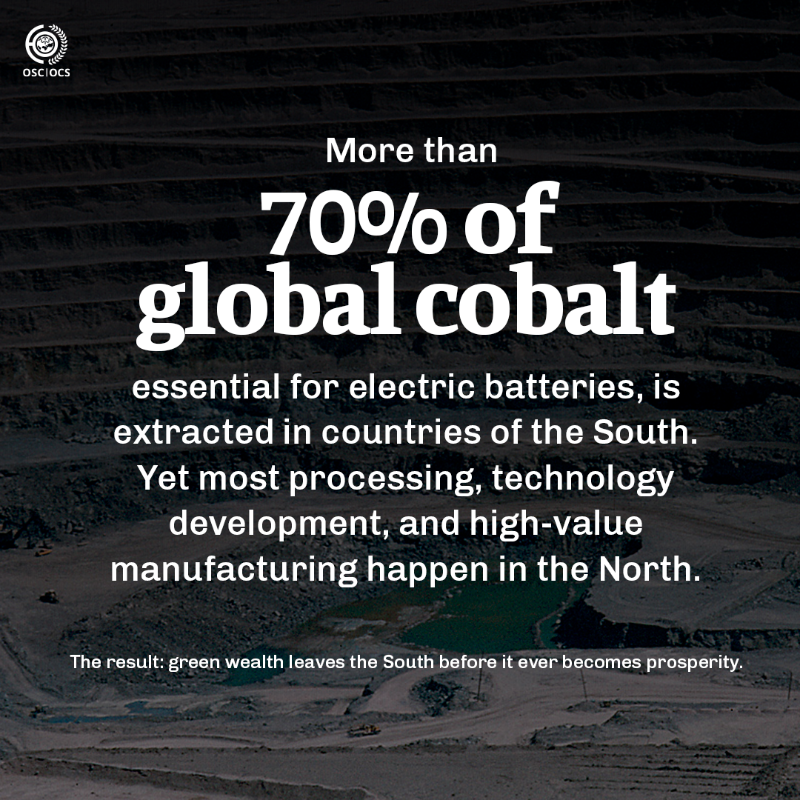
⚡From cobalt to classrooms, from factories to future jobs, the Greater South holds the power to turn today’s crisis into tomorrow’s opportunity.
It’s time to create value where it begins — and ensure that the green transition becomes a shared one.
Discover more: https://t.co/afpSflB73w
MAST team had a very productive engagement n exchange with Yaccoub ALi El-Hillo Regional Director for Africa, UN Development Cooperation Office, Africa. Discussed potential areas to join hands in bringing about transformation in Greater South. Agreed to have a follow up action.
➡️#frontline action, highlighting our daily duties. At the Organisation of Southern Cooperation (OSC), we recognize that transformative impact begins from within.
The Department of Systemic Education and Endogenous Research (SEER), as part of its programme realignment target, has held an internal training session aimed at empowering staff and strengthening collaboration across OSC departments.
Internal training is crucial in strengthening our institutional capacity and ensuring staff alignment with our vision and deliverables. It enhances technical skills, fostering coherence across programmes, and supporting knowledge transfer within a growing and diverse institution.
With training initiatives such as these, we promote a culture of learning, collaboration, and innovation, while reinforcing accountability and standards enabling the secretariat to effectively implement the Organisation’s strategic priorities and advance the transformative agenda for our Member States, Associate Members and for the peoples of the Greater South.