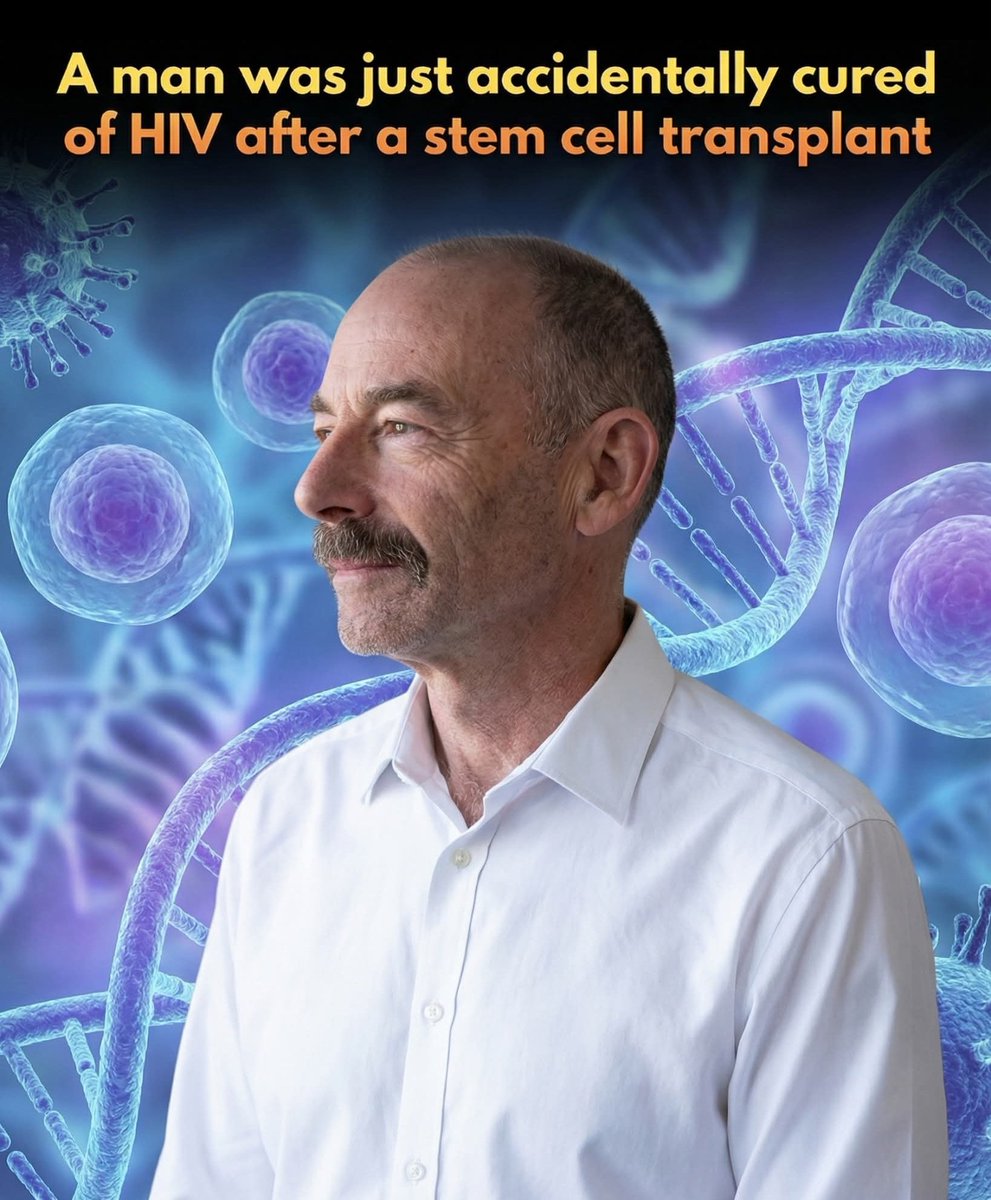
A man was cured of HIV.
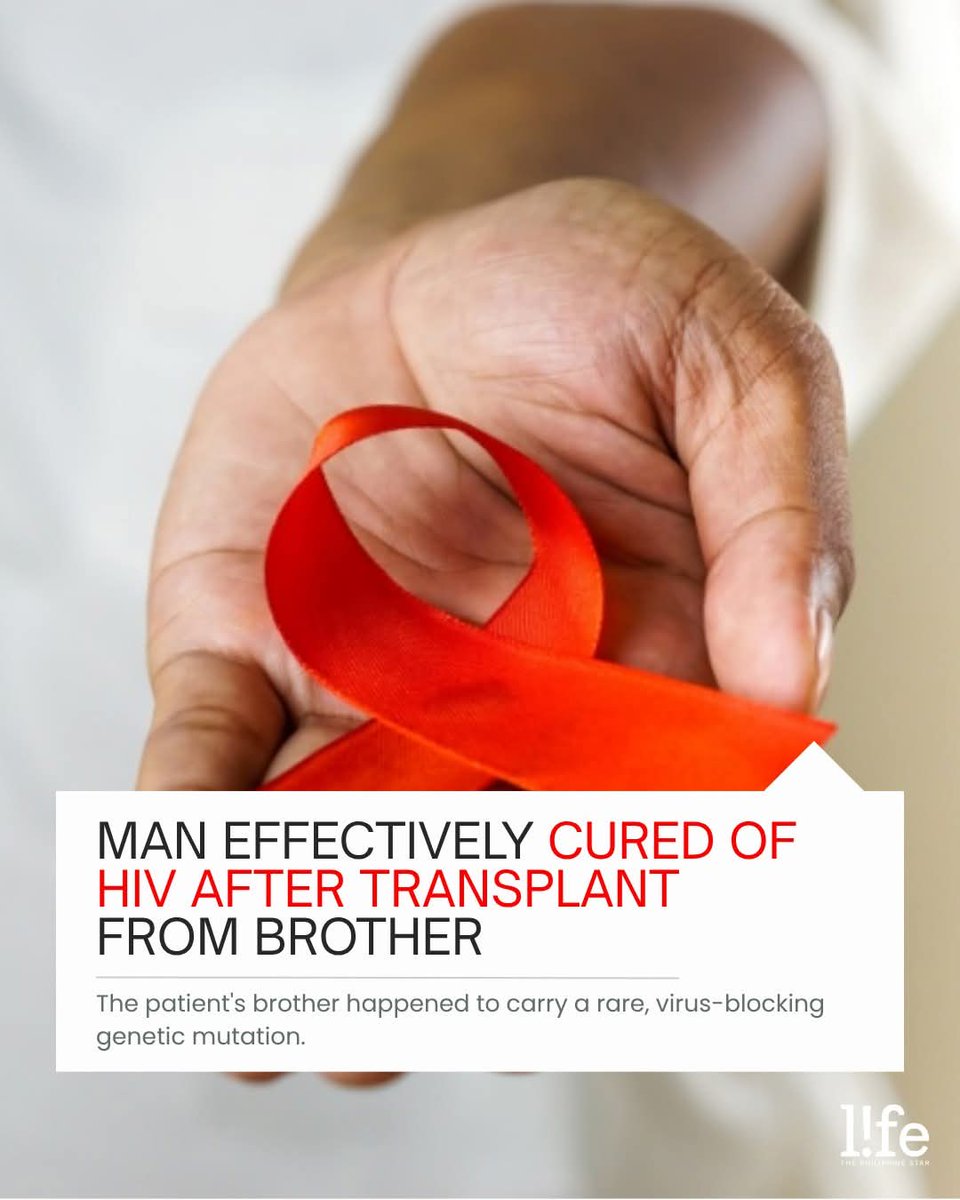
Yes, it happened before. But remarkably, this patient is only the second person among those cured to receive cells from a donor who lacked the specific genetic mutation known to naturally resist the virus.
A seventh individual has been declared free of HIV after undergoing a stem cell transplant for blood cancer.
This discovery challenges the long-held belief that rare, HIV-resistant donor cells are the only viable path to a cure, suggesting that the transplant process itself or subsequent immune responses might play a more significant role in eradicating the virus than previously understood.
The implications of this case are profound for the global effort to end the HIV epidemic. Finding donors with the specific CCR5-delta32 genetic mutation is extremely difficult, often limiting transplant options to a tiny fraction of the population. By demonstrating that a cure is possible even without these rare cells, researchers like Christian Gaebler at the Free University of Berlin believe the medical community is gaining more versatile options for treatment. This milestone brings science one step closer to scalable interventions that could one day make long-term HIV remission a more accessible reality for patients worldwide.
source: New Scientist. Man unexpectedly cured of HIV after stem cell transplant. New Scientist.
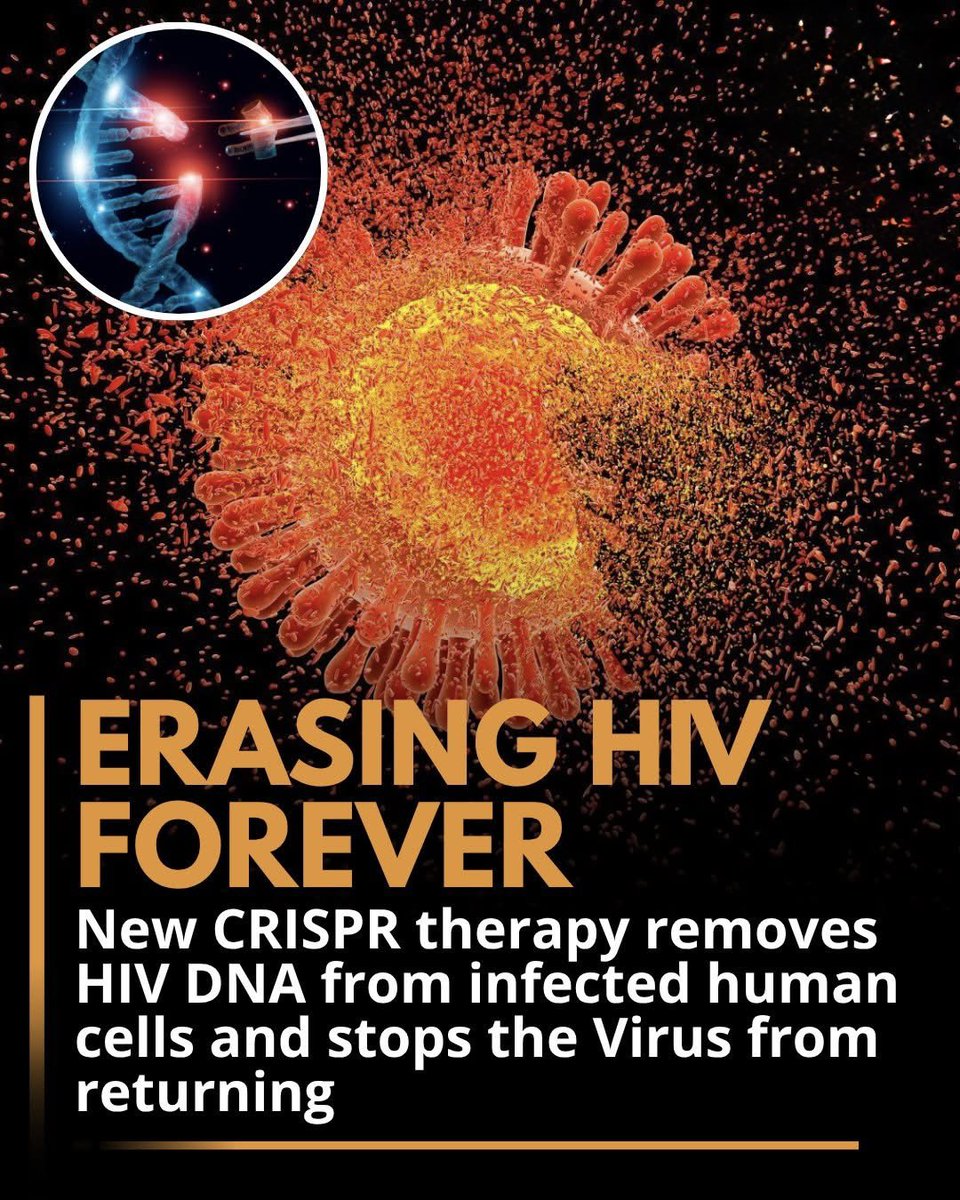
Medical researchers have successfully utilized precise molecular scissors to physically cut out latent retroviral genomes from infected host cells. This advanced gene-editing technique targets the deeply hidden viral reservoirs that traditional treatments simply cannot reach.
With tens of millions of people currently relying on daily antiretroviral drugs, a functional cure would completely revolutionize global healthcare systems. Virologists suggest this could shift patient care from chronic, lifelong symptom management to a single, permanent intervention.
The CRISPR-Cas9 system works by deploying a specialized guide RNA to locate the exact sequence of foreign viral material integrated into human chromosomes. Once located, an enzyme slices the DNA, completely disabling the pathogen and allowing the cell to heal naturally.
What makes this specific approach so groundbreaking is its proven ability to stop the virus from reactivating during periods of immune stress. In laboratory models, cells treated with this targeted therapy remained entirely free of infection even when deliberately exposed to new viral triggers.
While transitioning from cellular models to widespread human clinical trials is the next major hurdle, the scientific community remains highly optimistic. Perfecting the delivery mechanisms for these microscopic tools could ultimately bring an end to one of humanity's most persistent epidemics.
Do you believe we will see a complete, global cure for HIV in our lifetime?