The most interesting part of the red card saga isn't the ruling. It's how differently Americans and Europeans process the idea that they might have been wronged.
Europeans are fundamentally different from Americans in one particular way: they expect life to be aggravating and at times unfair. It's just a fact of moving through the world. I joke that in Europe, the customer is always wrong. You didn't read the fine print. The only pharmacy in town is closed every other Tuesday for three hours, and even if the times weren't posted, that's still your problem. Too bad if you want the bill, because the waiter's on his union-mandated half-hour smoke break, and you're just going to have to wait.
To quote the great Mark Knopfler: sometimes you're the windshield, sometimes you're the bug. There's something freeing in that. Things are less in your control, so there's less angst in managing your expectations.
In America, things couldn't be more different. We simply can't accept a wrong left unrighted.
The flight attendant sneezed handing you a drink on your one-hour flight? 15,000 frequent flyer miles. Didn't like your appetizer? A replacement is on the way, and the whole course comes off the bill. There's a reason our interstates are lined with trial lawyer billboards.
Europeans have turned complaining into a continental pastime with no expectation that the universe owes them a remedy for their grief. You gripe about the train being late, your friends nod solemnly and everyone goes back to their apéro. In America, we launch a full-blown investigation of the train system, sue the government (and its contractors) that allowed for the tardiness and hold a Congressional hearing on the state of national infrastructure.
So to an objective observer, the red card shouldn't have happened, and VAR was a travesty. To Americans, our star player shouldn't be unfairly banned from a match we couldn't afford to lose for a card he so obviously didn't deserve.
Who cares that FIFA used a little-used reversal to fix it. Who cares that other people are mad about it. We. Were. Wronged. It was unjust. It must be corrected. We would accept nothing less.
Europeans waxing poetic about the sanctity of the game are, of course, talking about a governing body whose last tournament host was decided via confirmed cash bribes — one that imposed dress codes on women, shrugged off widespread allegations of modern slavery and reconfigured the entire tournament calendar to suit the host country. Which is exactly the point. If you've made peace with all of that, at least enough to watch the tournament four years later, a probationary suspension isn't actually a scandal.
Maybe that's the real divide. Over millennia, Europeans have made peace with being the bug. Americans have never once considered it, and apparently, we're not about to start now.
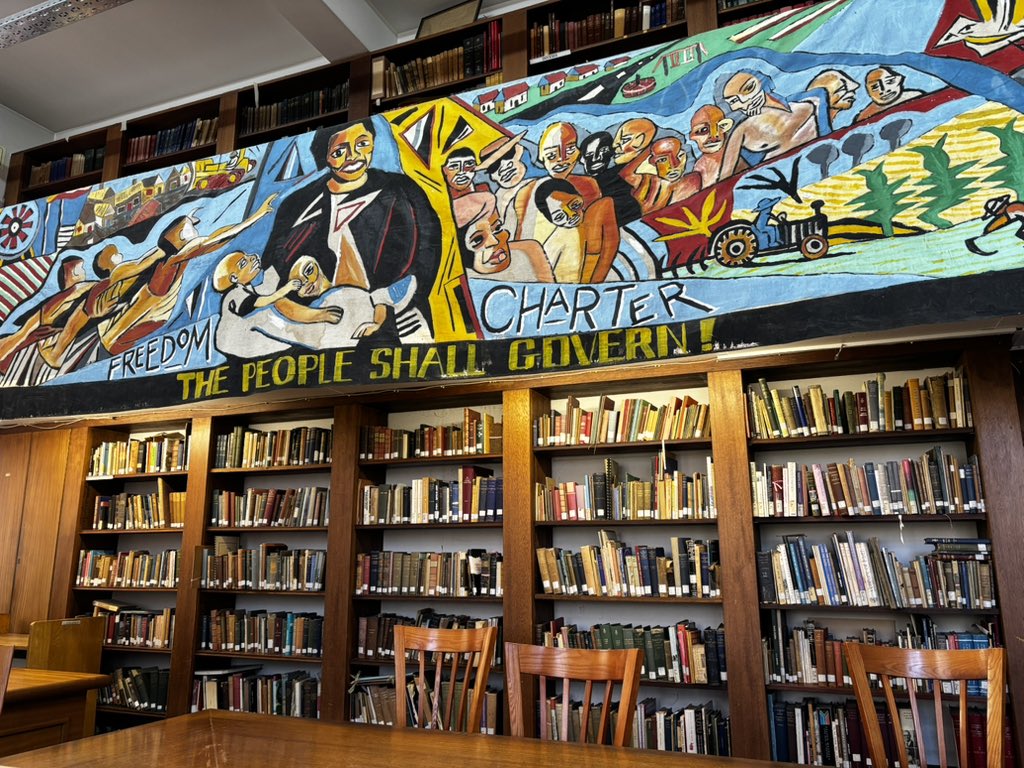
Archival research is a tough, and sometimes frustrating job.
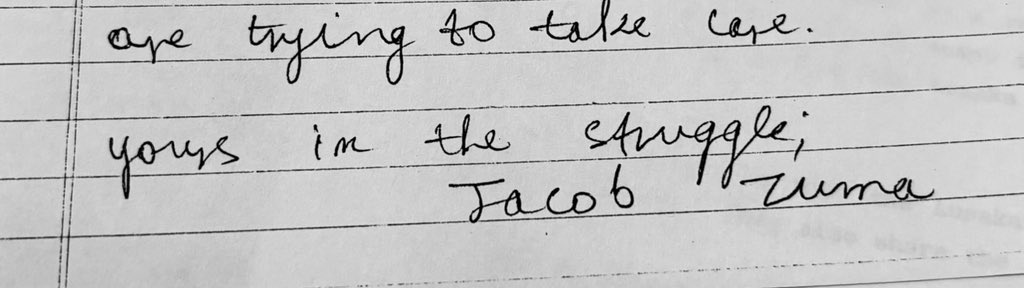
However, it is never never uninteresting: at the Historical Papers Research Archive, in Johannesburg, I got to see handwritten letters by Mandela and Zuma.
Plus, they have the the coolest reading room and staff!
NEW: Alex Stark, Caitlin McCulloch & I map out the paths to power for women leaders in the wake of crises and conflict in International Studies Review!
https://t.co/xXJr11B6C6
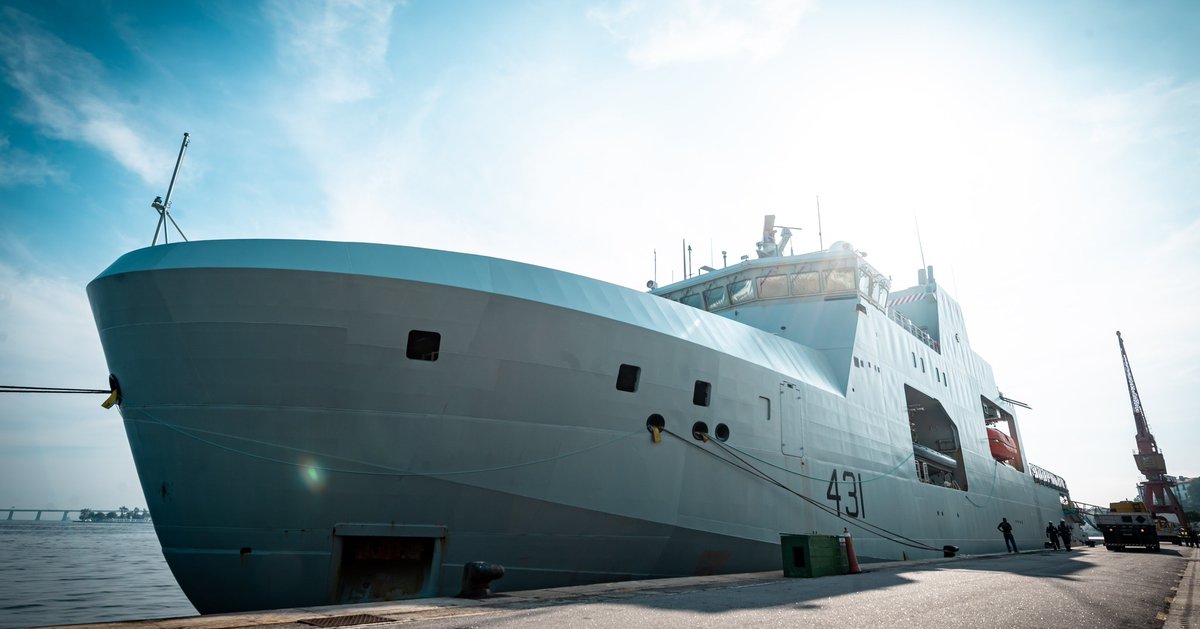
The discussions left me optimistic about the prospects for enhanced naval, security, and scientific collaboration between Brazil and Canada, not only in Antarctica but also in broader contexts. I look forward to the future possibilities!
Last week, I had the honor of visiting the Royal Canadian Navy offshore patrol vessel HMCS Margaret Brooke during its port call in Rio de Janeiro as part of Operation Projection.
It was a privilege to engage in insightful discussions with experts from various fields, facilitated by the hospitality of the Canadian Embassy and the crew of HMCS Margaret Brooke.
As we witness the extraordinary events in Syria, I recommend reading work by @shelley_x_liu on what happens when rebels take power after civil war. She highlights how wartime experiences shape post-war patterns of governance 👇🏽
https://t.co/pBqEXWvAZB
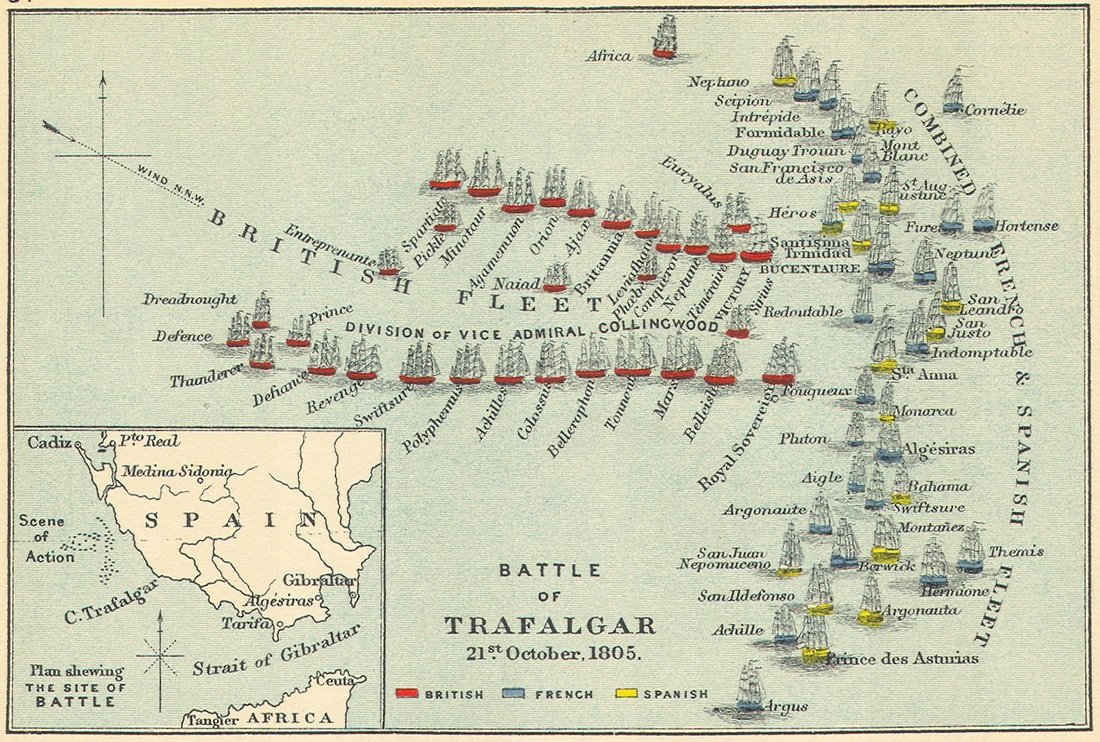
Good morning everyone it's Trafalgar Day! It is the 219th anniversary of the Battle of Trafalgar.
At 8am the morning colours are to be raised on HMS Victory followed by the famous 'England Expects' Trafalgar signal. #trafalgarday
British airports are the only (non-party related) places where it is not only consistently OK to - but rather where one is generally expected to - drink beer at six in the morning. It feels a tiny bit like being at a parallel universe. Mallorca is where the heart is, I guess.
If there's one thing that is shared by the entire mankind, regardless of culture or place is the utter desperation to get out of a plane once it pulls into the gate. Someone should study its unifying power.