Ageing is associated with cognitive decline & an increased risk of neurodegenerative diseases.
A Review explores the neuroprotective mechanisms of endurance exercise & highlights the importance of cardiorespiratory fitness in healthy brain ageing: https://t.co/Uvt8Odizq3
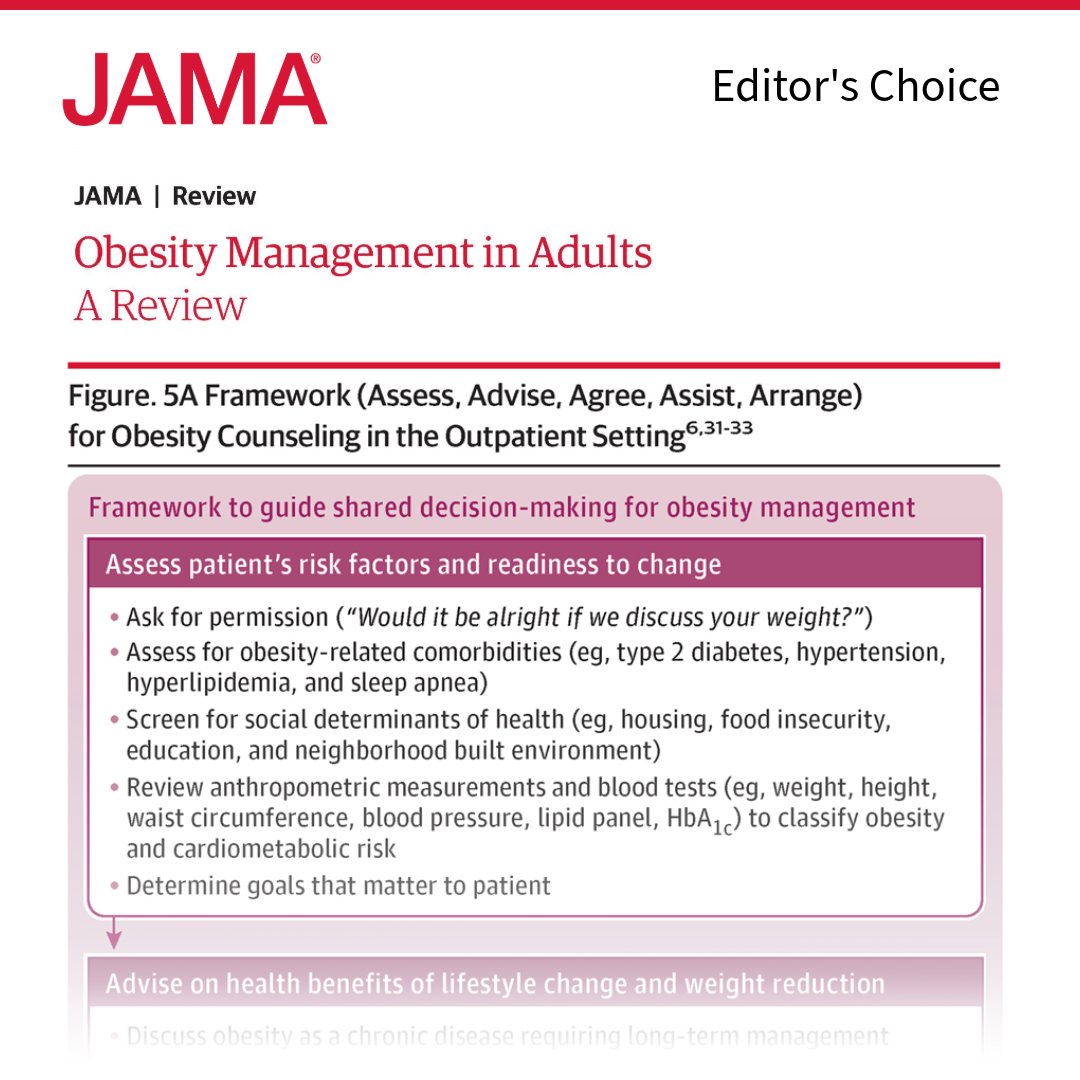
✅ Editor's Choice: This review highlights the latest evidence-based approaches to obesity management, spanning behavioral, nutritional, pharmacologic, and surgical interventions.
🔖 Bookmark it for your citations: https://t.co/2ZoAA5NbYu
Early-onset gastrointestinal cancer is currently the most rapidly increasing early-onset cancer in the US.
This JAMA Patient Page describes early-onset GI cancer and its risk factors, signs and symptoms, management, prognosis, and prevention measures.
https://t.co/aqjz49cCJ0
UC Berkeley is the #1 public university in the country, according to recent 2026 @usnews rankings. This is the 16th time over the past two decades that Berkeley has claimed the top spot in the annual U.S. News Best Colleges rankings.✨🐻 https://t.co/T6oZ3DJcTD
UC on top 🙌💙💛 @UCBerkeley and @UCLA are the top two public universities in the country, with all nine undergraduate campuses in the top 50 public/100 of all universities in the country, according to the 2026 Best Colleges rankings, released today by @usnews https://t.co/xNNoUVoYJy
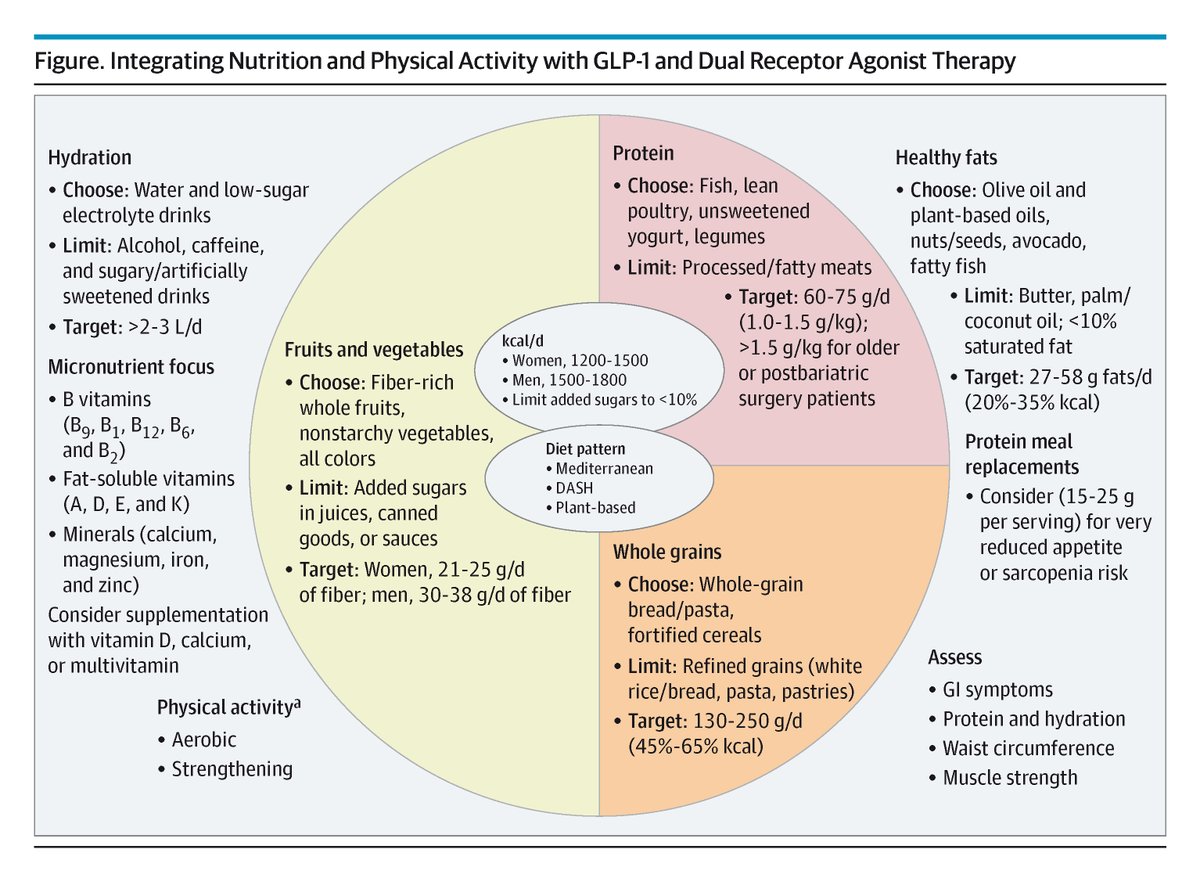
Integrating lifestyle factors like diet and physical activity with #GLP1 receptor agonists is essential for managing symptoms, maintaining nutrition, preserving lean mass, and promoting regular physical activity. https://t.co/ZNi8xZjqbp
📈 As the US population ages, the incidence of #stroke, #heartfailure, #dementia, and other age-related health issues is expected to increase.
Learn more about geroscience interventions designed to slow #aging and improve health outcomes in this Review. https://t.co/hdy01eMM1d
An estimated 42% of Americans over 55 will eventually develop dementia. A new study revealed the strongest evidence yet that a balanced diet, consistent exercise and social activity helped improve cognition.
For more, @IAmAmnaNawaz speaks with Jessica Langbaum, the senior director of research strategy at Banner Alzheimer’s Institute.
We’re proud to keep on raising the standard in medicine. For 36 years straight, UCLA Health has been named to the National Honor Roll of Best Hospitals by @usnews and achieved a #1 ranking in Los Angeles and California for 2025.
Learn more: https://t.co/f4gMPxmRsH
You know it. You know the story. 🥇
UC Berkeley is ranked the top public university in the nation according to the latest U.S. News & World Report rankings of the best global universities. Way to go, Bears. It’s all because of you! 💙🐻💛
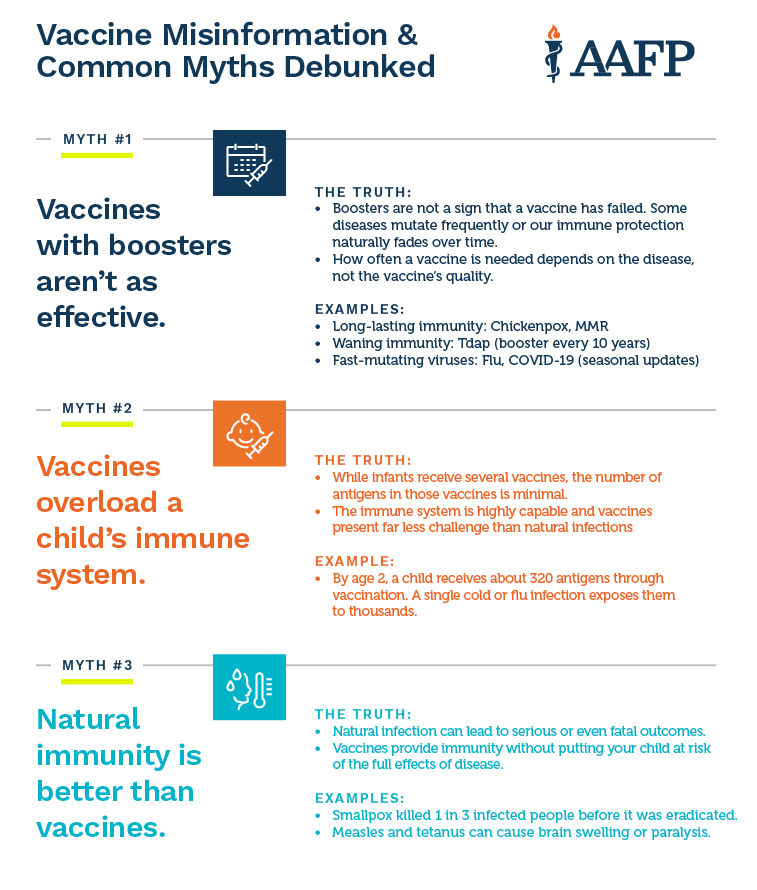
When it comes to vaccines, we’re helping you separate myth from fact to make informed decisions for your family’s health. Find trusted, credible information from family physicians here: https://t.co/qG7QAeZQql
Do you know the 7 new 'best practices' for relaying a diagnosis of dementia? Did you know previous standards did not take input from the person with disease or from the caregiver/care-partner? This is a super important issue and Melissa Armstrong @FixelInstitute and colleagues performed an important 'freshly' published study.
Key points:
- It is common for folks to report not receiving a dementia diagnosis.
- There are standards and as the authors point out they are more than 10 years old.
- Guess what, the standards were developed without asking the person with disease or caregiver/care-partner.
- The authors used a multi-stakeholder working group: a person w/ disease, caregivers, Alzheimer's Association staff and clinicians from diverse backgrounds.
- Employed American Academy of Neurology process for recommendation development w/Delphi voting for consensus.
- 7 best practice statements achieved consensus.
- 1 Clinicians must show compassion and empathy when delivering a diagnosis of dementia (level A). - During dementia diagnosis disclosure, clinicians should - 2 ask regarding diagnosis preferences.
- 3 instill realistic hope.
- 4 provide practical strategies.
- 5 provide education and connections to high-quality resources.
- 6 connect caregivers to support resources.
- 7 provide written summaries of the diagnoses, plan, and relevant resources (each level B).
My take: It is about time someone addressed this topic and included both persons with disease and relevant stakeholders. The 7 best practices are simple and practical. In my experience many clinicians avoid this discussion rather than 'leaning into it.' If clinicians are concerned that cognition is slipping, measuring function over time and employing the use of neuropsychology can be very helpful. These discussions are as important to caregivers and care-partners as they are to family members. I love the author's suggestion that 'health system changes (e.g., for sufficient time), improved access to specialty dementia care, and clinician training for delivering difficult diagnoses' are all needed.
https://t.co/2PaJqUfk7h
Unlock the latest strategies for diagnosing, treating and managing Alzheimer's and related dementias in your practice. Access the free Cognitive Care in Family Medicine Settings online CME now: https://t.co/8gPr8MaNy7
🧵The Art of Diagnostic Understanding - Thinking Backwards in Psychiatry 1/9
We think forwards-quick, easy, and categorical. But is that what’s needed?
When psychiatric disorders involve molecular to societal influences, thinking backwards-from patterns to pathology to formulation-is the key to individualised care
Here’s how we navigate complexity 👇1/9
This study from 7 #PrimaryCare clinics assessed the feasibility and acceptability of implementing a digital cognitive assessment for Alzheimer disease and related dementias (ADRD) screening into primary care.
Full Article & Results here: https://t.co/BgWuKS9AYE
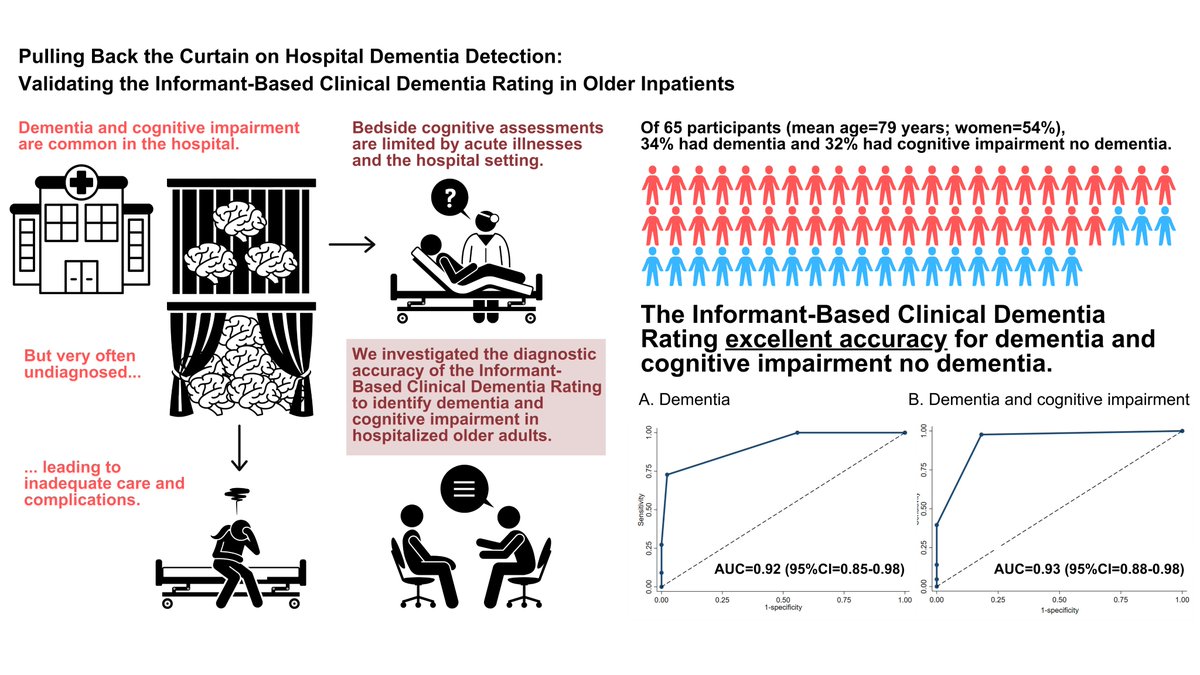
🚨Undiagnosed Dementia in #Hospitals🚨
Our study @AGSJournal validates the informant-based Clinical Dementia Rating to detect preexisting #dementia & cognitive impairment when patients are too sick to assess.
A step to safer acute & dementia care: https://t.co/WqzGBFf5ud