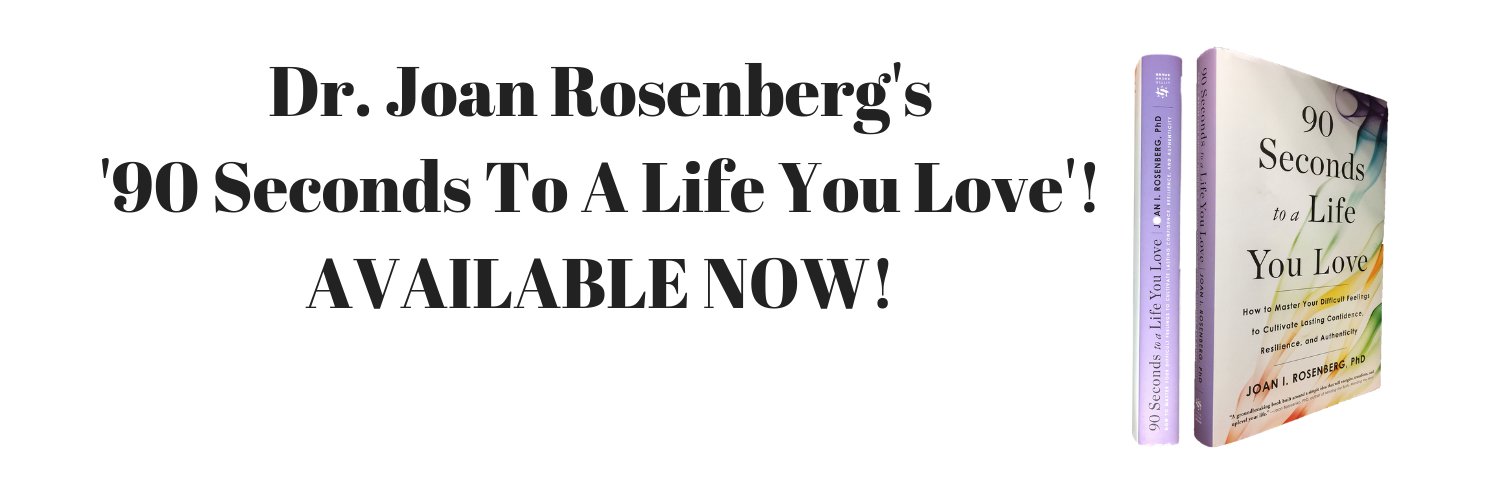
Psychologist / TEDx Speaker / Trainer / Author, '90 Seconds to a Life You Love' / MindStream Podcast / Featured Expert in 'I Am' / Founder, Emotional Mastery /
If you ever wondered why being #vulnerable is so hard and also want to know what to do to change that, check out my post in @PsychToday Let me know your thoughts.
How to Be More Vulnerable and Authentic | Psychology Today https://t.co/pjDWupx2R6
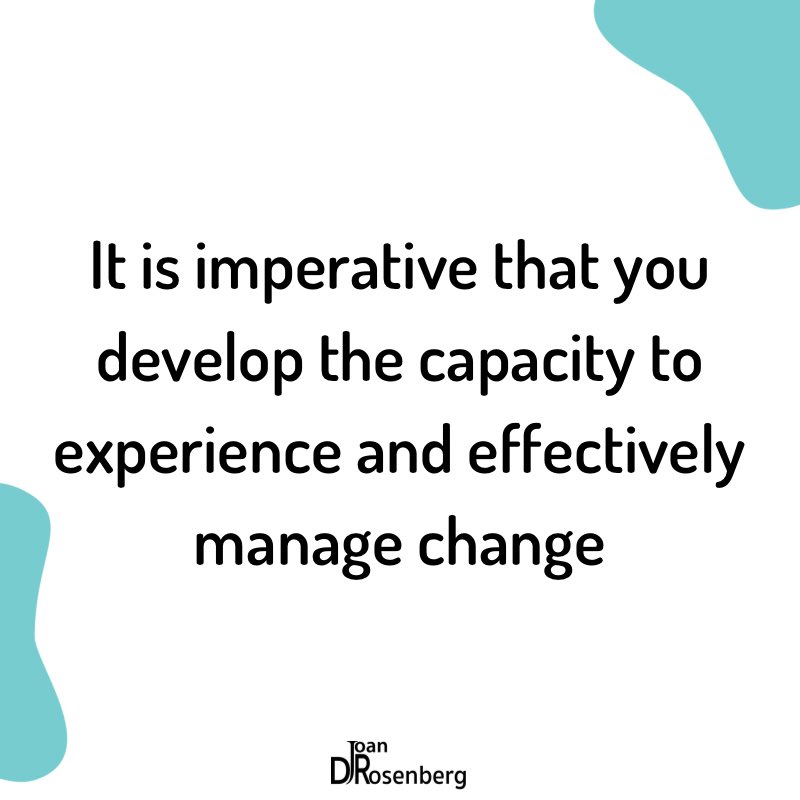
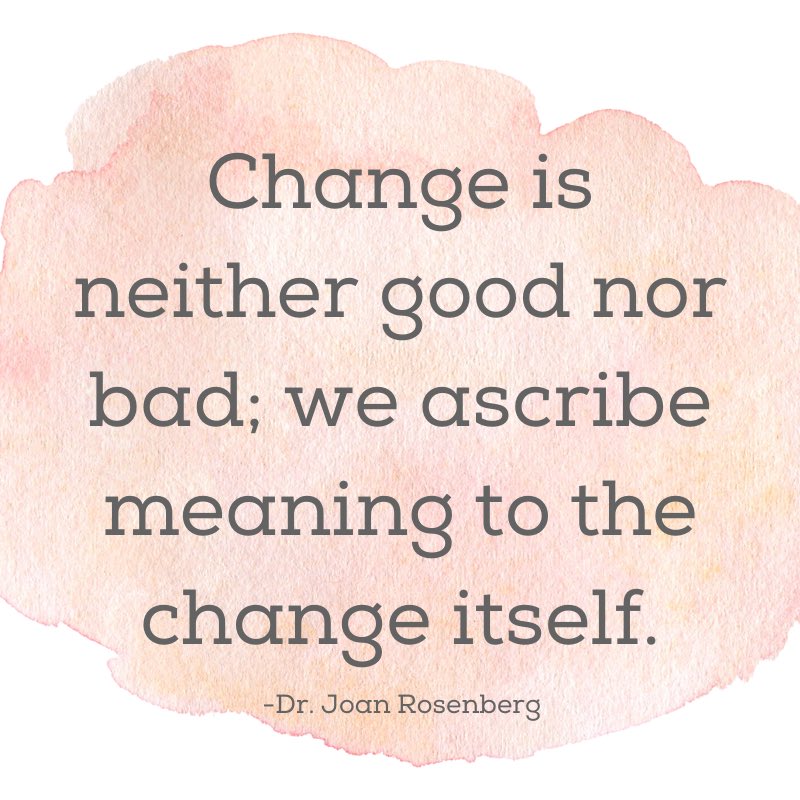
Just as change is the constant in life, you, too, are also ever-evolving. So my note to you today, is to use this month as a call to action for yourself, a call that encourages you to choose beliefs and attitudes so you are better equipped to manage change.
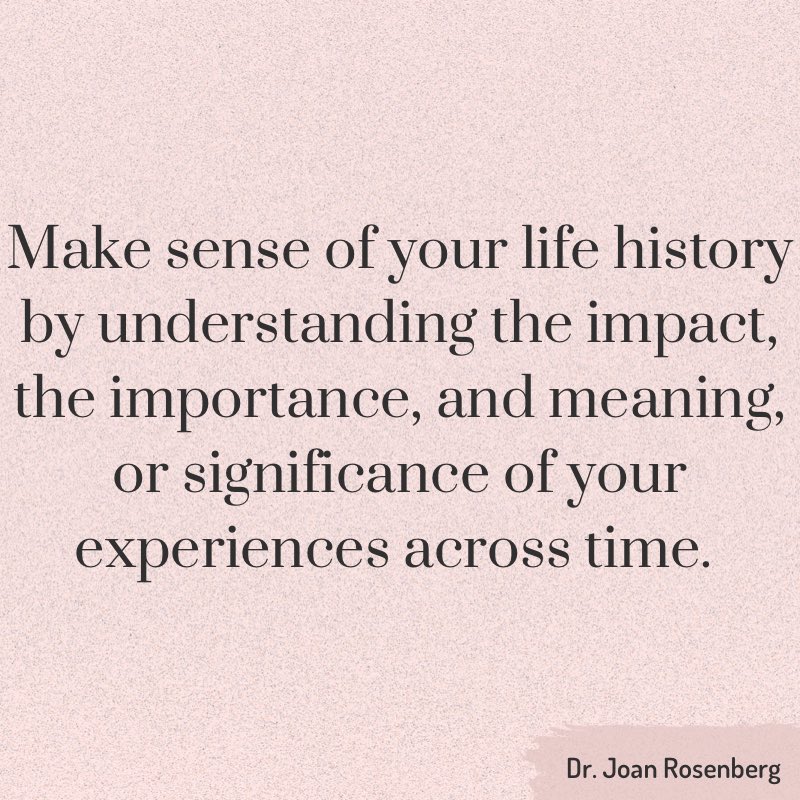
Who did you become because of the difficult life experience: at the time of the event? / in childhood? / in teen years? / in adulthood? / now?
How did the experience shape you and your outlook or personality?
Are you aware of what distractions may be preventing you from connecting more fully with yourself and others?
This week, how can you put aside your distractions, and better reconnect with your loved ones?
The very feelings you try push away when challenging life events occur are ultimately the same ones that can help you move to a place of forgiveness.
In order to really, truly, move through grief, you have to come to grips with the fact that you can never undo what was done.
Naming or labeling feelings can have multiple effects, including calming or slowing you down, centering you, decreasing the experience of being flooded with feeling, decreasing impulsivity, and increasing a sense of control.
Engaging in the consistent practice of recognizing and rectifying your negative thinking, and ending the destructive force of harsh self-criticism is necessary for creating a loving relationship with yourself.
Work on being able to experience and move through your own emotional discomfort.
Only then can you begin to expand your ability to handle uncomfortable thoughts, feelings, and bodily sensations.
Work on being in touch with as much of your emotional experience as you can bear.
You want to be able to modulate your feelings well and be able respond to situations and events in an adaptive and flexible manner.
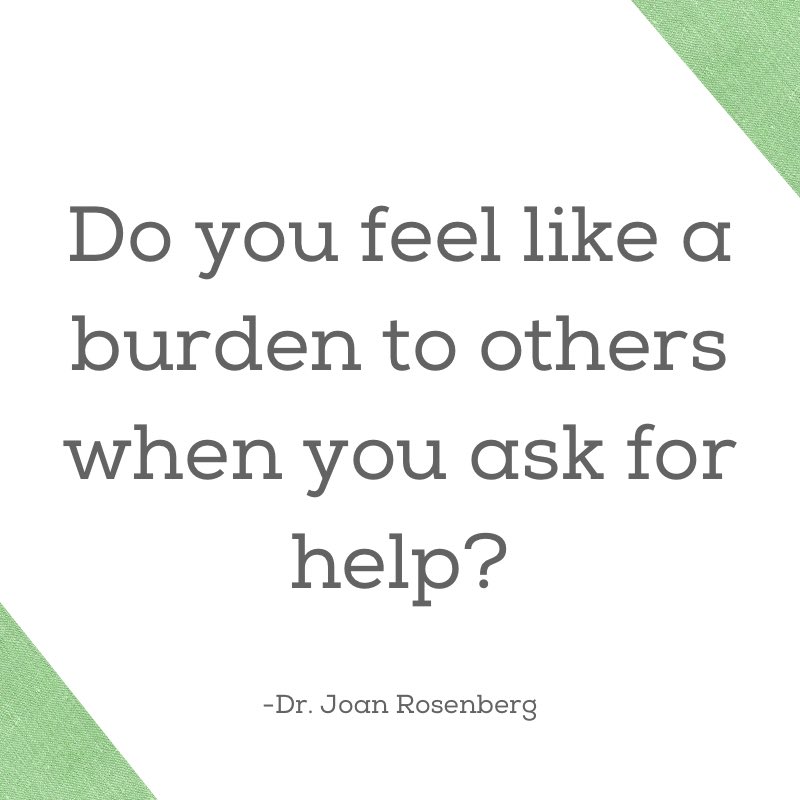
Asking for help is one way you turn your vulnerability into emotional strength and confidence.
You are not burdening the other person; in the process of asking, you’re acknowledging their importance to you.
Asking for help is really a compliment to others.
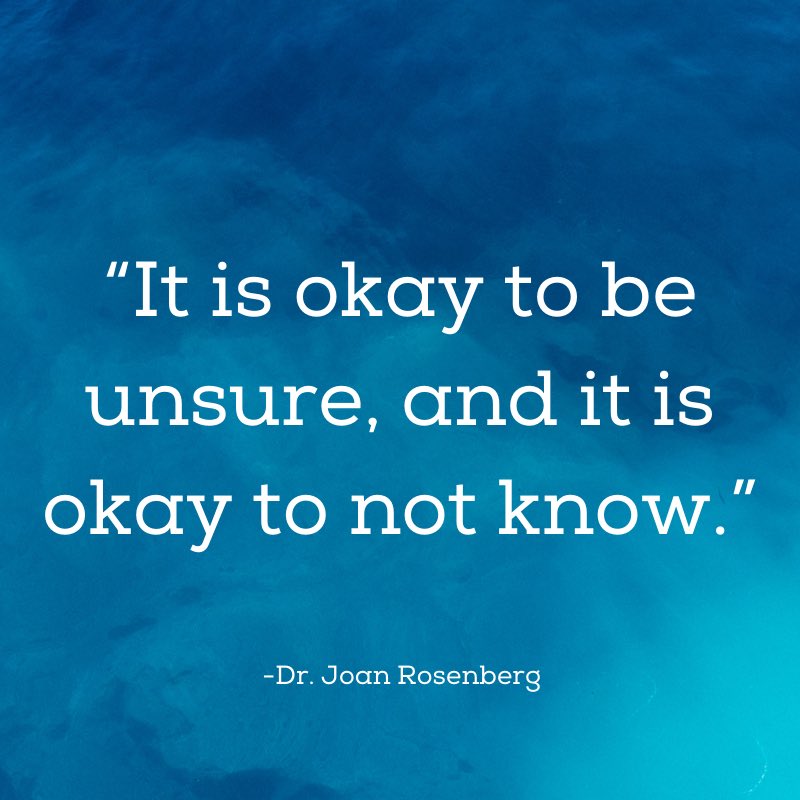
The future will always have a semblance of uncertainty, a future we are unable to predict and control.
As you move through the challenges that life has presented you, hopefully you’ll find that practicing consistency in certain areas of your life can help you feel more secure💜
Tomorrow is Valentines Day, which can be fantastic for some, but hard for others.
So for Valentine’s Day, I really want you to focus on one thing for me: Love You.
Loving yourself can be difficult, but once you do, you can truly live a life filled with happiness ❤️
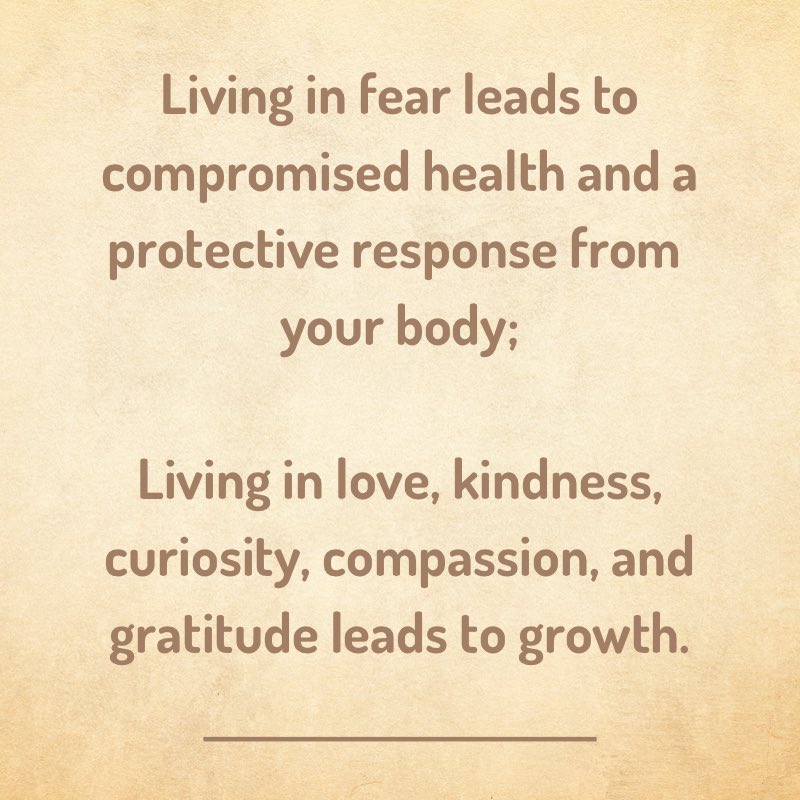
You can’t be fully engaged in activities of protection and growth at the same time.
That’s like trying to go in two opposite directions at once.
Focus on holding positive attitudes to diminish anxiety. It’s important, then, to pursue experiences that are fulfilling and joyful
You deserve to live a life you love.
Take the time to notice the words you use.
Change your anxiety and doubt fostering questions into statements.
Simple and small changes can help you feel better equipped to handle life challenges.
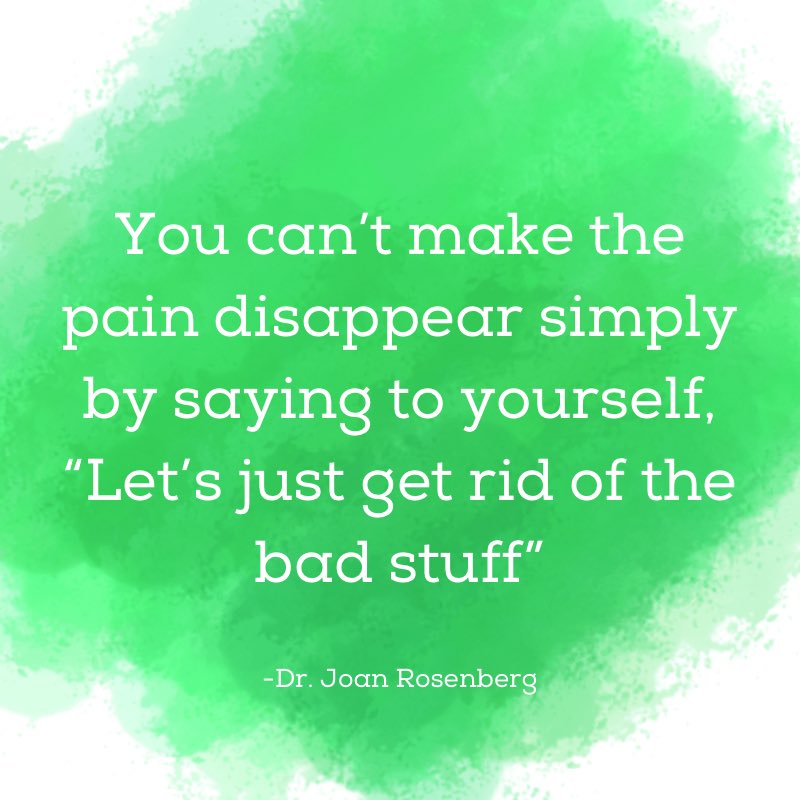
If true feelings are not fully felt nor expressed to others, they have to “go” somewhere.
They tend to go “inside” instead of out and often show up as the bodily sensations associated with anxiety.
We are in an ‘individualistic culture’ and those who ask for help, appear to be weak.
However, we are social beings and there is very little we can do 100% on our own.
Asking for help is what it takes to become emotionally strong.